
 Budi Mulyono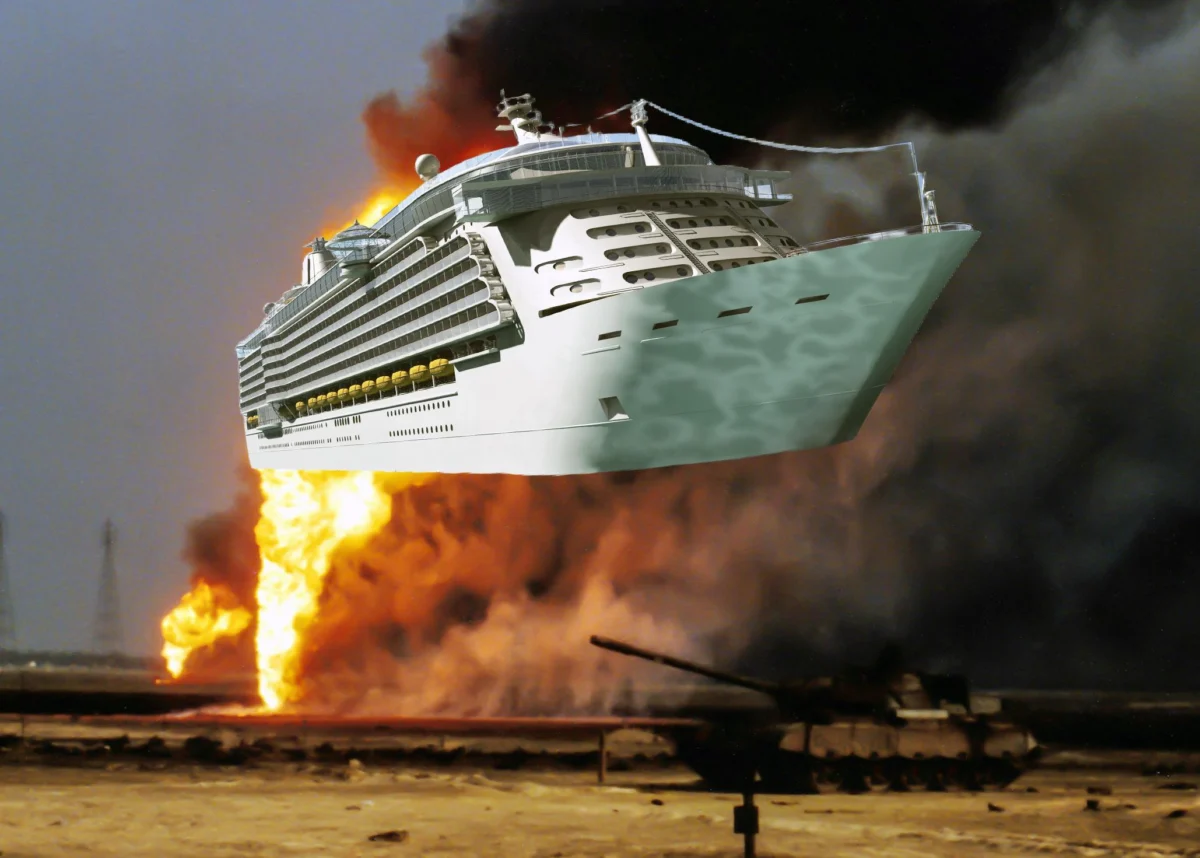
As global energy markets face renewed volatility, cruise passengers are increasingly encountering a long-dormant provision within their booking agreements: the fuel surcharge. Often referred to in legal documentation as a fuel supplement, this fee allows cruise operators to retroactively bill passengers for increased operational costs, even after a voyage has been paid in full. While these charges have been rarely utilized over the past decade, the recent upward trajectory of crude oil prices has prompted industry analysts and travelers alike to reexamine the fine print of the maritime Contract of Carriage.
A fuel surcharge is a per-person, per-day fee that cruise lines reserve the right to implement when the price of oil exceeds a specific benchmark. This "trigger price" varies by corporation and is typically linked to established market indices such as the West Texas Intermediate (WTI) or Brent Crude. When market rates surpass these predefined levels, cruise lines may exercise their contractual right to collect additional revenue to offset the massive expenditures required to power modern fleets.
The Economic Impact of Fuel on Maritime Operations
For the global cruise industry, fuel represents one of the most significant and volatile operating expenses. The scale of these costs is immense; in the 2025 fiscal cycle, Carnival Corporation reported spending approximately $1.8 billion on fuel across its various brands, translating to an average daily expenditure of nearly $5 million. Similarly, Royal Caribbean Group saw fuel costs reach $1.1 billion, or roughly $3.1 million per day.
These figures were recorded during periods of relatively stable pricing. When oil prices spike, the financial pressure on these corporations intensifies. Unlike the airline industry, which has largely moved away from aggressive fuel hedging in recent years, many cruise lines continue to use financial instruments to lock in fuel prices in advance. However, hedging strategies are not a permanent solution. They offer protection for a limited window—often 12 to 24 months—after which the companies are once again exposed to current market rates. Notably, Carnival Corporation has historically maintained a policy of not hedging fuel costs, making it more susceptible to immediate market fluctuations compared to its competitors.
Historical Context and Trigger Mechanisms
The precedent for widespread fuel surcharges was established during the global energy crisis of 2007 and 2008. During this period, crude oil prices surged past $100 per barrel, leading major carriers such as Royal Caribbean and Carnival Cruise Line to implement surcharges ranging from $5 to $10 per person, per day. For a family of four on a seven-night sailing, this added an unexpected $140 to $280 to the final bill.
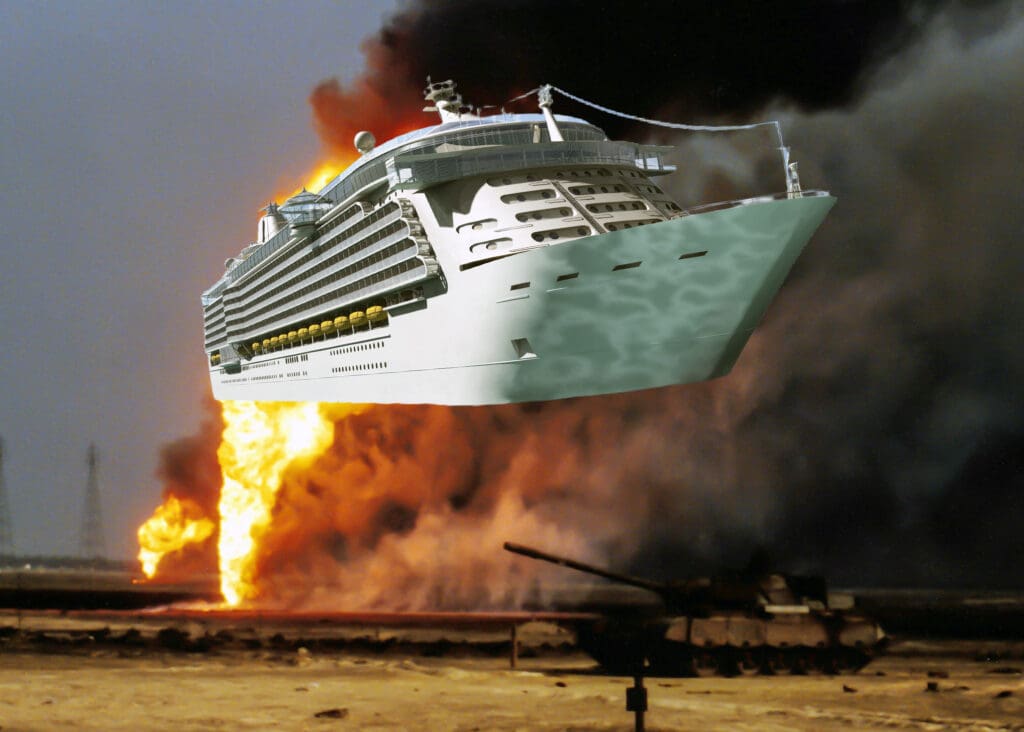
Most modern cruise contracts contain specific language regarding these triggers. While the exact wording varies, a common threshold is when the price of light sweet crude oil on the New York Mercantile Exchange (NYMEX) exceeds $70 or $100 per barrel, depending on the specific line’s policy.
As of the current market environment, several major lines maintain the following stances:
- Royal Caribbean Group: The company reserves the right to charge a fuel supplement of up to $10 per person, per day, if the price of West Texas Intermediate fuel exceeds $65 per barrel. Despite the price frequently hovering above this mark in recent years, the company has shown significant restraint, opting not to implement the fee to avoid consumer backlash.
- Carnival Corporation: Carnival’s policy allows for a surcharge if the price of oil, as monitored by various indices, rises significantly. Their documentation generally specifies a cap, often around $9 per person, per day, for the first two guests in a stateroom and a reduced rate for additional occupants.
- Norwegian Cruise Line Holdings: Similar to its peers, Norwegian maintains the right to implement a supplement, typically capped at $10 to $12 per day, should oil prices exceed their internal benchmarks.
The Legality of Retroactive Billing
One of the most contentious aspects of the fuel surcharge is the ability of the cruise line to levy the fee after a customer has reached their final payment date. Under the terms of the Contract of Carriage—the legal agreement every passenger must accept before boarding—the cruise line is granted the authority to adjust the fare to reflect increases in government taxes or fuel costs.
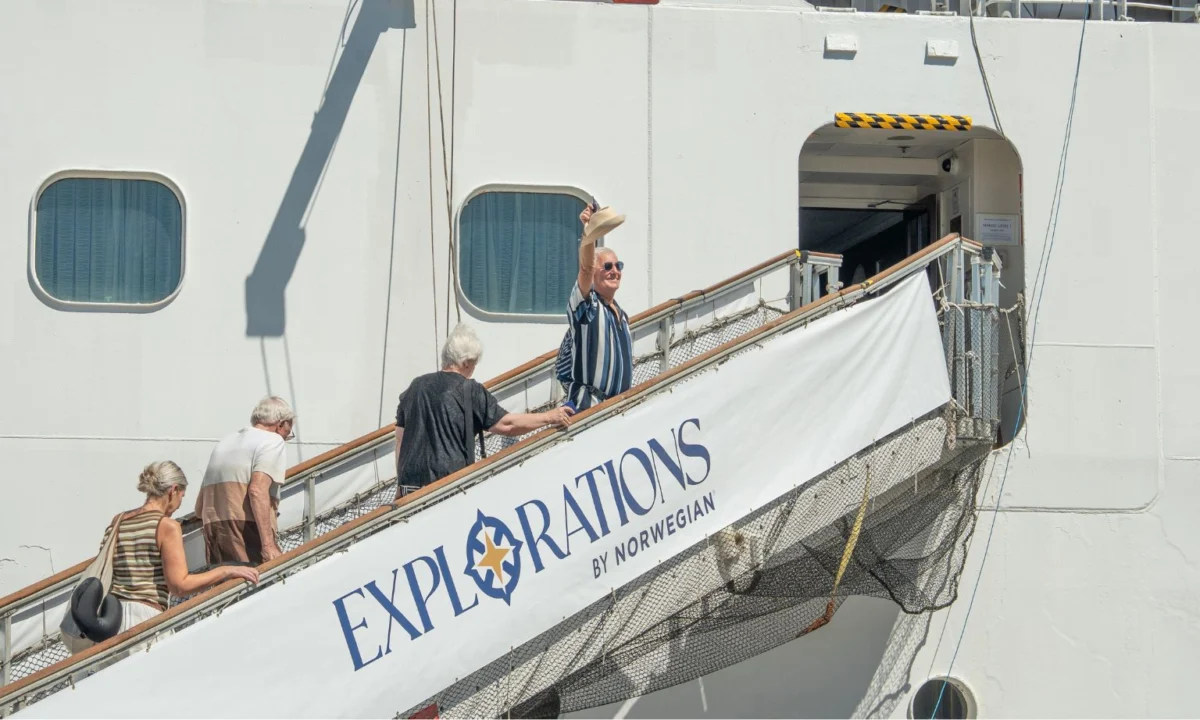
This means that even if a traveler researched their itinerary months in advance and settled their account in full, they may still receive a notification of a balance due shortly before embarkation or find the charges added to their onboard folio during the cruise. While consumer advocacy groups have occasionally challenged the transparency of these fees, the maritime courts have generally upheld the right of carriers to enforce the terms of the signed contract.
Industry Trends and Competitive Pressures
The decision to implement a fuel surcharge is rarely made in isolation. Industry analysts point to a "herd mentality" within the cruise sector. Because the industry is dominated by three major conglomerates—Carnival Corporation, Royal Caribbean Group, and Norwegian Cruise Line Holdings—the competitive landscape is sensitive to pricing changes.
If one major player decides to trigger its fuel supplement, it provides a "competitive cover" for others to follow suit. Conversely, if one line absorbs the cost to maintain customer goodwill, others are pressured to do the same to avoid losing market share. In 2022, despite oil prices reaching levels that technically triggered the surcharge clauses, most major lines declined to enforce them. The industry was still in a recovery phase following the global pandemic and prioritized passenger volume and brand loyalty over immediate cost recovery.
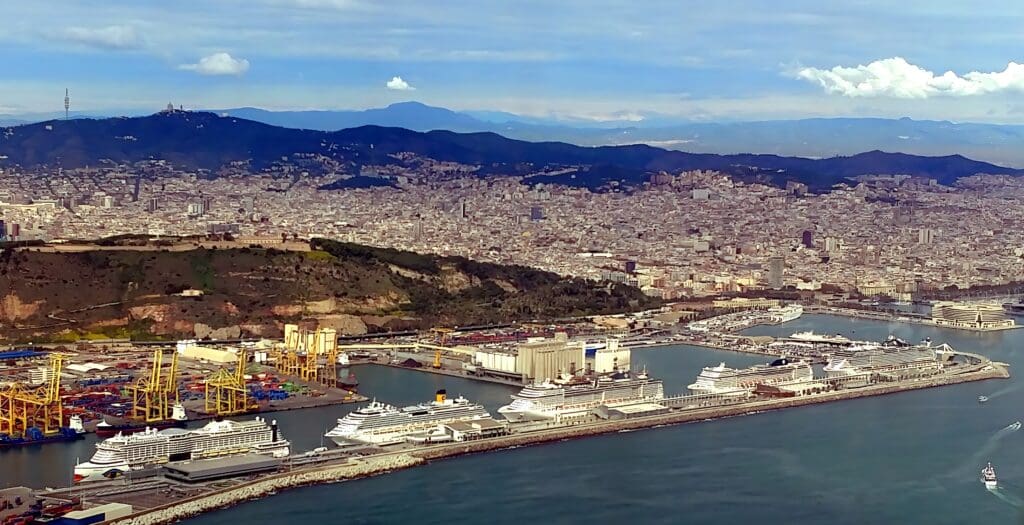
However, as the industry returns to record-breaking occupancy levels and debt-servicing requirements remain high, the tolerance for absorbing billion-dollar fuel increases may diminish. If oil prices remain consistently high throughout 2025 and 2026, the likelihood of these surcharges appearing on passenger statements increases substantially.
Broader Implications for the Travel Market
The potential return of fuel surcharges reflects broader economic pressures within the travel and tourism sector. Rising energy costs do not only affect the propulsion of the ship; they impact the entire supply chain, from the cost of provisioning food and beverages to the electricity required to maintain massive onboard amenities.
Furthermore, the transition to more sustainable fuel sources adds a layer of complexity to the pricing model. Many new vessels are powered by Liquefied Natural Gas (LNG), which, while cleaner, is subject to different market pressures than traditional heavy fuel oil. As the industry faces stricter environmental regulations from the International Maritime Organization (IMO), the cost of compliance may eventually be integrated into these fuel supplement structures.
Strategies for Traveler Protection
For the modern traveler, the possibility of a surprise bill requires a shift in budgeting and preparation. While there is no direct way to opt out of a fuel surcharge once it is implemented, industry experts suggest several proactive measures:
- Contractual Review: Passengers should review the "Taxes, Fees, and Port Expenses" section of their cruise contract prior to booking. This section will explicitly state the trigger prices and the maximum daily charge allowed.
- Travel Insurance: Some premium travel insurance policies include "change of terms" coverage or "unexpected fee" protections. Travelers should verify with their providers whether a retroactively applied fuel surcharge qualifies for reimbursement.
- Market Monitoring: Keeping a casual eye on global oil prices can provide a leading indicator of potential surcharges. If crude oil is trading significantly above $100 per barrel for a sustained period, travelers should set aside a "contingency fund" of approximately $10 to $12 per person, per day of their sailing.
- Onboard Credit Management: In some instances, cruise lines may offer to offset surcharges with onboard credits for high-tier loyalty members or those in premium suites, though this is at the total discretion of the operator.
Conclusion
The cruise fuel surcharge remains a powerful, albeit rarely used, tool for maritime corporations to navigate periods of extreme economic volatility. While the industry has shown a preference for price stability and consumer satisfaction in recent years, the staggering daily costs of fuel operations mean that these clauses are never truly off the table. As oil prices continue to fluctuate in response to geopolitical tensions and supply constraints, the "hidden" fuel supplement serves as a reminder of the complex economics behind the vacation industry. For the frequent cruiser, staying informed and prepared for these potential costs is an essential component of modern travel planning.



 Chandra Hamzah
 Tatiana Tantri Indah Sari
 Anjar Salim

