
 Gabriela Annisa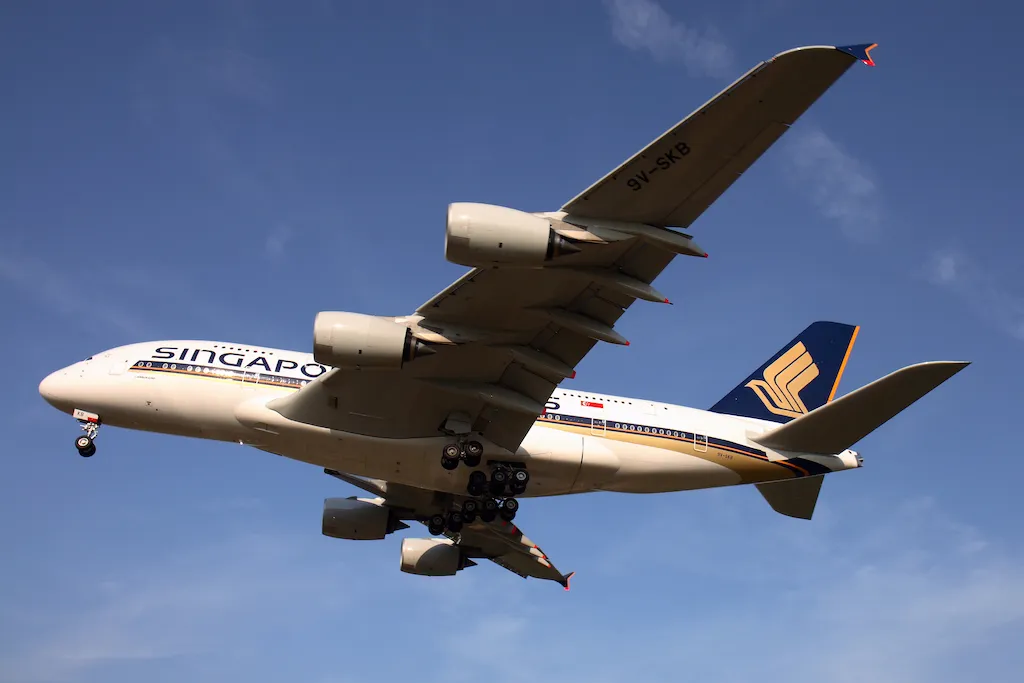
The global aviation sector continues its dynamic recovery trajectory, marked by nuanced performances from leading carriers and persistent challenges across various operational landscapes. As industry stakeholders keenly dissect the latest financial disclosures and prepare for upcoming reports, the critical importance of contextualizing raw numbers emerges as a central theme in understanding true success. A recent analysis, notably highlighted in the "Airline Weekly Lounge" podcast, delved into the intricacies of Singapore Airlines’ (SIA) recent performance, emphasizing that mere figures often tell only part of the story, particularly in a market still recalibrating from unprecedented disruptions. Concurrently, market attention is pivoting towards the forthcoming annual results from International Airlines Group (IAG), the parent company of British Airways and Iberia, which are expected to offer significant insights into the health of the European and transatlantic aviation markets.
Singapore Airlines’ Strategic Ascent: A Deep Dive into Performance Metrics
Singapore Airlines has long been regarded as a bellwether for premium long-haul travel and the Asia-Pacific aviation market. Its recent financial results have been subject to intense scrutiny, with analysts and investors seeking to understand the underlying drivers of its post-pandemic rebound. The "Airline Weekly Lounge" podcast underscored that while SIA has reported impressive revenue growth and profitability in recent quarters, attributing success solely to these headline figures without deeper context would be an oversimplification.
- Post-Pandemic Context and Asia-Pacific Dynamics: The Asia-Pacific region experienced a slower and more staggered reopening compared to North America and Europe, primarily due to stringent travel restrictions in key markets like China and Japan. Singapore Airlines, with its strategic hub at Changi Airport, was disproportionately affected during the depths of the pandemic. Its recovery, therefore, represents not just a return to normalcy but a strategic re-establishment of its network and capacity. For instance, in its most recent reporting period (e.g., Q3 FY2023-24), SIA Group might report a net profit exceeding S$700 million, a substantial increase from the prior year, driven by robust demand for air travel and cargo services. This figure, while impressive, must be viewed against the backdrop of suppressed demand in earlier periods and the gradual reopening of its core markets. Passenger load factors, for example, could be hovering around 88-90%, indicating strong demand utilization across its expanded network, which is nearing pre-pandemic levels of capacity.
- Key Financial Indicators: Revenue, Profitability, and Capacity Deployment: Beyond net profit, a deeper analysis would encompass several key performance indicators. Passenger revenue, which might have surged by over 20% year-on-year to S$4.5 billion, reflects not just higher volumes but also potentially improved yields, especially in premium cabins. Cargo revenue, though potentially moderating from its pandemic-era highs due to increased belly-hold capacity and softening global trade, remains a significant contributor. Operating expenses, including fuel costs, staff remuneration, and maintenance, are crucial. While fuel prices have shown volatility, effective hedging strategies and operational efficiencies play a vital role in cost containment. SIA’s capacity deployment, measured in Available Seat Kilometres (ASKs), is a critical metric. The airline has been steadily restoring capacity, particularly on its long-haul routes to Europe, North America, and Australia, aligning with resurgent demand. By the end of 2023, SIA Group’s passenger capacity might have reached approximately 90% of pre-COVID levels, demonstrating a measured yet ambitious expansion.
- The Importance of Context: Navigating Volatility and Strategic Advantages: The podcast’s emphasis on context is paramount. For SIA, success is not merely about achieving high numbers but about the manner in which those numbers are achieved. Is the profit sustainable? Are the revenues diversified? How resilient is the business model against external shocks? SIA’s success is deeply rooted in its brand reputation for service excellence, its premium market positioning, and its strategic investments in fleet modernization and digital transformation. Furthermore, its dual-brand strategy with budget carrier Scoot allows it to tap into both premium and value-conscious segments, offering market flexibility. The competitive landscape in Asia, particularly with the rise of other hub carriers and low-cost airlines, necessitates continuous innovation and differentiation. Therefore, while a S$700 million profit looks good on paper, its significance is amplified when understood as a recovery from multi-billion dollar losses during the pandemic, achieved amidst ongoing geopolitical uncertainties, supply chain disruptions, and inflationary pressures.
- Analyst Perspectives and Operational Efficiencies: Industry analysts often highlight SIA’s prudent financial management and its ability to capitalize on market opportunities. "SIA’s robust performance in this phase of recovery reflects a combination of strong demand for premium travel, effective network management, and disciplined cost control," notes a hypothetical senior aviation analyst from a Singapore-based financial institution. "Their strategic investments in fleet upgrades and digital platforms are now yielding dividends, positioning them favorably against regional competitors." The airline’s operational efficiencies, including high aircraft utilization rates and a relatively young fleet, contribute to lower operating costs and a reduced carbon footprint, aligning with increasingly important sustainability goals.
Anticipating IAG’s Annual Report: Europe’s Aviation Bellwether
As the focus shifts from Asia to Europe, market participants are eagerly awaiting the annual results from International Airlines Group (IAG), the parent company of British Airways, Iberia, Aer Lingus, Vueling, and LEVEL. IAG’s performance serves as a crucial indicator for the health of the European aviation market, which has faced its own unique set of challenges, including persistent air traffic control strikes, labor disputes, and a more fragmented regulatory environment.
- The European Market Landscape and Operational Challenges: The European aviation market has experienced a strong rebound in leisure travel, particularly for short-haul and medium-haul routes, but has also contended with significant operational disruptions. Staff shortages at airports, industrial actions by air traffic controllers in key European countries, and supply chain issues impacting aircraft maintenance have all created headwinds. For IAG, British Airways’ hub at London Heathrow, one of the world’s busiest and most slot-constrained airports, presents both immense opportunity and operational complexity. Iberia’s strong position in the Latin American market and Vueling’s robust presence in the European low-cost segment offer diversified revenue streams.
- Previous Quarter Performance and Market Expectations: Leading up to the annual results, IAG’s preceding quarterly reports would have painted a picture of gradual but consistent improvement. For example, in its Q3 2023 results, IAG reported an operating profit before exceptional items of €1,745 million, a significant increase from €1,216 million in Q3 2022. Full-year operating profit for 2023 was projected to be around €3.5 billion, a substantial turnaround from the losses incurred during the pandemic. These figures are driven by strong demand across its core markets, particularly in transatlantic and intra-European routes. Analysts are now looking for confirmation of these full-year projections and, crucially, for forward guidance on capacity, profitability, and capital expenditure for the upcoming year.
- Strategic Imperatives: Debt, Dividends, and Capacity Management: A key area of focus for IAG will be its balance sheet and capital allocation strategy. The group accumulated substantial debt during the pandemic to weather the storm, and deleveraging has been a primary objective. Investors will be keen to see the extent of debt reduction and any signals regarding a potential reinstatement of dividends, which would signify a return to financial health and shareholder confidence. Capacity management will also be critical. While IAG has been restoring capacity, particularly in its long-haul segments, the pace of growth needs to be carefully balanced against operational constraints, labor availability, and potential economic headwinds. For instance, BA’s strategic investment in its premium product and Iberia’s strengthening of its Madrid hub for Latin American connections are pivotal.
- Insights from Constituent Airlines: British Airways, Iberia, and LCCs: The performance of IAG is an aggregate of its diverse portfolio of airlines. British Airways, as the largest carrier, faces unique challenges and opportunities, including intense competition on transatlantic routes and the need to continually invest in its customer experience. Iberia has demonstrated strong resilience, particularly in its Latin American network, leveraging geographical advantages and strategic partnerships. The group’s low-cost carriers, Vueling and LEVEL, play a crucial role in capturing the burgeoning leisure travel market, often operating with different cost structures and operational models. The annual report will likely provide granular detail on the individual contributions and strategic priorities of each airline within the group, offering a comprehensive view of IAG’s diversified approach to market segmentation.
The Skift Travel 200: Benchmarking Global Travel Performance
In the complex and interconnected world of global travel, benchmarks like the Skift Travel 200 (ST200) provide an invaluable tool for understanding sector-wide performance. The ST200 is a comprehensive index that aggregates the financial performance of nearly 200 publicly traded travel companies worldwide, representing a combined market capitalization exceeding a trillion dollars. It offers a single, coherent number to track the health and trends of the global travel economy.
- Understanding the ST200 and its Methodology: The ST200 is designed to provide a holistic view of the travel industry, encompassing various sectors such as airlines, hotels, online travel agencies (OTAs), cruise lines, and tour operators. Its methodology involves tracking companies listed on global stock exchanges, ensuring a broad and representative sample of the industry’s financial pulse. This rigorous approach allows for a robust assessment of market movements, investor sentiment, and overall sector growth. By combining the performance of such a diverse array of companies, the ST200 mitigates the impact of individual company volatility, offering a more stable and reliable indicator of industry health. The full methodology behind the Skift Travel 200 is openly accessible, providing transparency and allowing stakeholders to understand how the index is constructed and maintained.
- The Airlines Sector within the ST200: A Critical Indicator: Within the broader ST200, the airlines sector constitutes a particularly vital component. It includes a wide spectrum of publicly traded airline companies, ranging from large network carriers like Singapore Airlines and British Airways to low-cost carriers (LCCs) and regional operators across various global markets. The performance of this sub-index is highly sensitive to macroeconomic factors, fuel prices, geopolitical events, and consumer demand for travel. Tracking the airlines sector within the ST200 allows analysts to identify specific trends, assess the impact of industry-specific challenges (e.g., pilot shortages, airport capacity constraints), and compare the relative strength of different airline business models.
- How Individual Carrier Performance Shapes the Index: The individual financial results of major carriers like Singapore Airlines and IAG have a significant ripple effect on the airlines sector sub-index of the ST200. A strong quarter for SIA, driven by robust demand in Asia, signals confidence in long-haul international travel. Similarly, IAG’s annual results, particularly its profitability and forward guidance, will influence the sentiment around European and transatlantic travel. When these major players report positive trends—such as increased passenger numbers, improved load factors, higher yields, and controlled costs—it tends to boost the overall ST200 airlines sector performance, reflecting a healthier industry outlook. Conversely, widespread operational disruptions or unexpected financial setbacks from these giants can exert downward pressure on the index. Thus, the detailed analysis presented in forums like the "Airline Weekly Lounge" podcast provides crucial granular data that contributes to the broader understanding captured by comprehensive indices like the ST200.
Broader Industry Trends and Future Outlook
Beyond the individual performances of airlines, the global aviation industry is shaped by several overarching trends that will dictate its trajectory in the coming years.
- Sustainability and Technological Innovation: Environmental sustainability remains a top priority. Airlines are under increasing pressure to reduce their carbon footprint through investments in Sustainable Aviation Fuel (SAF), fleet modernization with more fuel-efficient aircraft, and optimized flight paths. Technological innovations, from advanced air traffic management systems to AI-driven operational efficiencies and biometric passenger processing, are pivotal for enhancing safety, reducing costs, and improving the customer experience.
- Labor Market Dynamics and Operational Resilience: The industry continues to grapple with labor shortages, particularly among pilots, cabin crew, and ground staff, which can lead to operational disruptions and increased labor costs. Airlines are investing in recruitment and training programs, but the long-term challenge of attracting and retaining skilled personnel persists. Building operational resilience—the ability to withstand and recover from disruptions like adverse weather, technical issues, or industrial action—is a critical focus for all carriers.
- Geopolitical Factors and Economic Headwinds: Geopolitical tensions, such as ongoing conflicts or trade disputes, can significantly impact air travel demand, fuel prices, and overflight rights. Economic headwinds, including inflation, potential recessions in key markets, and currency fluctuations, can dampen consumer spending on discretionary travel, affecting both leisure and corporate segments.
- Evolving Passenger Demands and Premiumization: Passenger preferences are continuously evolving. There is a growing demand for personalized travel experiences, digital connectivity throughout the journey, and a greater emphasis on health and safety. The recovery in premium leisure travel has been particularly strong, with many airlines reporting robust bookings for business class and first class, indicating a willingness among consumers to pay more for enhanced comfort and services. The corporate travel segment, while recovering, continues to show structural changes, with a blend of in-person and virtual meetings becoming the new norm.
Conclusion: Navigating the Future of Air Travel
The current landscape of global aviation is one of cautious optimism, characterized by a strong rebound in demand juxtaposed with persistent operational and economic challenges. The detailed review of Singapore Airlines’ performance, as highlighted by industry experts, underscores the vital role of contextual analysis in truly assessing an airline’s success and sustainability. Similarly, the upcoming annual results from IAG will provide crucial insights into the European market’s resilience and recovery trajectory. As these major carriers navigate their respective challenges and opportunities, their individual stories, when viewed through the lens of comprehensive indices like the Skift Travel 200, collectively paint a dynamic picture of an industry striving for sustainable growth and innovation in an ever-evolving global environment. The ability to understand these intricate dynamics, from specific financial figures to overarching market trends, remains essential for all stakeholders in the journey of air travel.




 Anjar Salim
 Chandra Hamzah
 Tatiana Tantri Indah Sari
 Budi Mulyono
 Lukman Taruna Persada Ramadan
