
 Walid Sujud Trenggono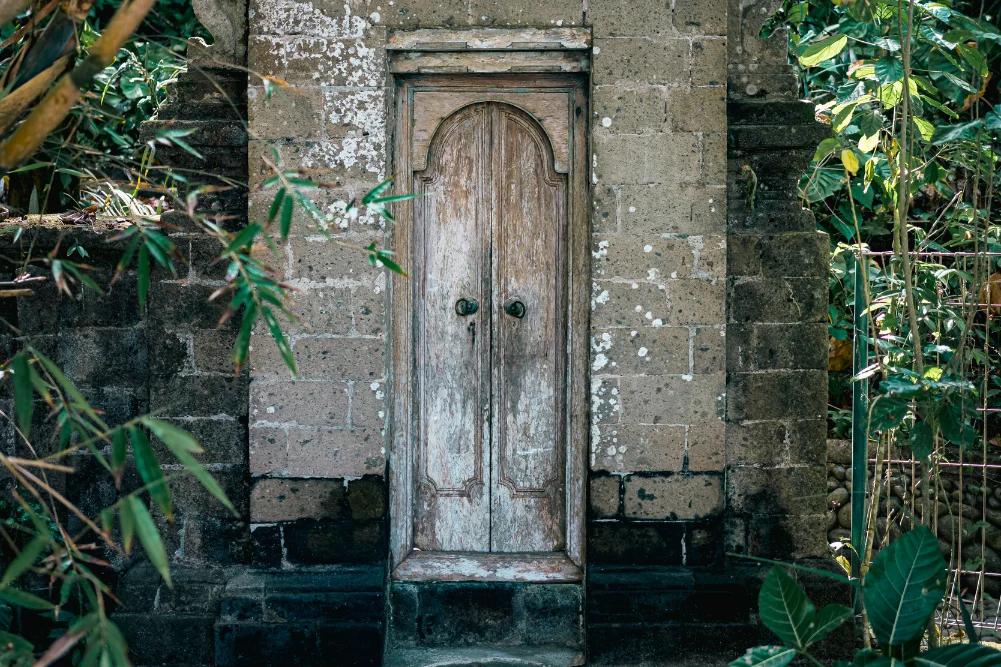
The traditional landscape of Balinese tourism is undergoing a significant geographical shift as international travelers increasingly bypass the high-density hubs of Kuta, Seminyak, and Canggu in favor of the rugged, underdeveloped western coastline. This migration toward the Tabanan and Jembrana regencies marks a resurgence of interest in "slow travel," a movement defined by authentic cultural immersion, uncrowded natural landscapes, and sustainable engagement with local communities. At the heart of this transition are Balian Beach and the Medewi surfing circuit, areas that have managed to preserve a distinct Balinese identity despite the island’s rapid modernization. While South Bali grapples with infrastructure saturation and environmental pressures, the west coast offers a glimpse into the island’s agrarian and maritime heritage, characterized by vast volcanic sand beaches, ancient rice terraces, and a burgeoning wellness industry.
The Geographical and Cultural Context of West Bali
The western corridor of Bali, stretching from the Tabanan Regency toward the port of Gilimanuk, is topographically distinct from the limestone cliffs of the Bukit Peninsula or the white sand beaches of Nusa Dua. The region is dominated by the volcanic activity of the central mountain range, which has gifted the coastline with nutrient-rich black sand and a fertile hinterland. Balian Beach, located approximately 50 kilometers (31 miles) northwest of Denpasar, serves as the primary gateway to this region. Historically a quiet fishing and farming village known as Lalanglinggah, Balian has evolved into a niche destination for the global surfing community and yoga practitioners.
Cultural preservation remains a cornerstone of life in West Bali. Unlike the commercialized districts where traditional architecture is often overshadowed by contemporary glass-and-steel structures, villages in Tabanan maintain the classic Balinese compound structure. These walled residential units house multi-generational families and feature central family temples, reflecting the island’s "Tri Hita Karana" philosophy—the harmony between humans, nature, and the divine. The lack of large-scale shopping malls and high-volume nightlife venues in the west has naturally filtered the demographic of visitors toward those seeking tranquility rather than the "hustle" associated with the Denpasar and Badung regencies.
Chronology of Development and the Surfing Influence
The discovery of West Bali’s potential is inextricably linked to the history of surfing in Indonesia. While the 1970s saw the "pioneer era" of surfing in Kuta and Uluwatu, it was not until the late 1980s and early 1990s that intrepid travelers began exploring the coast further west.
- The Pioneer Phase (1980s–1990s): Professional and adventurous surfers began documenting the consistent A-frame breaks at Balian and the legendary long left-hander at Medewi. During this period, infrastructure was minimal, and accommodation consisted primarily of basic "losmen" (homestays).
- The Niche Expansion (2000s–2010s): As South Bali became increasingly crowded, Balian Beach saw the introduction of boutique villas and yoga retreats. The establishment of venues like Pondok Pitaya and the Balian Spirit Yoga shala signaled a shift from purely surf-focused travel to a broader wellness and lifestyle market.
- The Post-Pandemic Resurgence (2022–Present): Following the global hiatus in travel, there has been a documented "flight to nature." Data from local tourism boards indicates a rise in long-term stays in Tabanan, as digital nomads and families seek out the "old-school" Balinese vibe that has been diluted in more urbanized areas.
Technical Analysis of the West Coast Surf and Climate
The allure of the west coast is heavily dependent on its unique meteorological and oceanographic conditions. The region’s surf breaks are fueled by deep-water swells from the Indian Ocean, which are then refined by local coastal features.
The Balian Break
Balian is renowned for its consistency, offering three primary breaks that function year-round. The "Main Peak" provides a reliable A-frame wave that breaks over a river-stone bottom, offering both left and right rides. To the east of the river mouth, "Ketuts" offers a faster, more performance-oriented right-hand wave. The consistency is maintained by the Balian River, which deposits sediment that shapes the sandbars. However, experts note that the river mouth environment requires caution; following heavy rainfall, the discharge can attract marine life, including bull sharks, and surfers are generally advised to wait for the water to clear before entering the lineup.
The Medewi Point Break
Located another hour west of Balian in the Jembrana Regency, Medewi is home to Bali’s longest left-hand wave. Breaking over a boulder-strewn point, the wave can offer rides of up to 300 meters on a good swell. Unlike the hollow, intimidating barrels of Padang Padang, Medewi is a "soft" wave, making it accessible to longboarders and intermediate surfers, though the rocky entry and exit require significant local knowledge.
Seasonal Patterns
The optimal window for visiting West Bali aligns with the Indonesian dry season, typically from April to October. During these months, the "cool" mountain air from the Batukaru range creates reliable offshore winds in the early mornings, grooming the waves into "glassy" conditions. By midday, the southeasterly trade winds typically kick in, often ending the surf session but providing a cooling breeze for the inland rice paddies.
Economic Impact and Infrastructure Challenges
The economic landscape of Balian and Yeh Sumbul (the beach adjacent to Medewi) is characterized by small-to-medium enterprises (SMEs). Unlike the massive foreign-direct-investment (FDI) projects seen in the south, the west coast economy is largely driven by locally owned warungs, independent surf schools, and boutique guesthouses.
Data from regional economic reports suggests that while the revenue per tourist is lower in the west compared to luxury enclaves like Nusa Dua, the "leakage" of profit (money leaving the local economy to foreign headquarters) is significantly lower. Visitors to Balian typically spend their currency directly within the village, supporting farmers, artisans, and local service providers. For instance, the popularity of vegan and organic cafes in the area has created a direct market for the rice and vegetable farmers of the Tabanan highlands.
However, infrastructure remains a hurdle. The main coastal road (Jalan Raya Denpasar-Gilimanuk) is the island’s primary artery for heavy logistics, meaning travelers must share the route with large trucks transporting goods between Java and Bali. The lack of high-end medical facilities and the "rougher" nature of budget accommodations in areas like Yeh Sumbul can also deter the luxury segment of the market.
Wellness and Spiritual Integration
The "Authentic Bali" experience touted by the west coast is not limited to the ocean. The region has become a secondary hub for the island’s yoga and holistic healing industry. Establishments such as Balian Spirit Yoga, led by local instructors like Nicky Sudianta, emphasize a rigorous yet accessible approach to Hatha and Vinyasa flow. These sessions often take place in open-air "shalas" that overlook the ocean, integrating the natural sounds of the surf into the meditative practice.
This integration of wellness and nature is a key driver of the region’s brand. The proximity to sacred sites, such as the Luhur Srijong Temple and the world-famous Tanah Lot, allows travelers to engage with Balinese Hinduism in a more contemplative environment than the crowded temple tours of central Bali.
Broader Implications for Bali’s Future
The "West is Best" sentiment shared by many repeat visitors to the island serves as a critical case study for the future of Balinese tourism. It highlights a growing demand for "low-impact" travel that prioritizes environmental integrity over high-volume turnover. The success of Balian Beach suggests that a sustainable model—one where surf tourism, traditional agriculture, and wellness can coexist—is viable.
From a policy perspective, the challenge for the provincial government will be managing the inevitable growth of this corridor. There are ongoing discussions regarding the North Bali Expressway, which could drastically reduce travel times to the west and north. While this would improve accessibility, residents and environmental advocates express concern that such development could lead to the same "over-tourism" issues currently plaguing the south.
Conclusion and Traveler Logistics
For those looking to explore this frontier, the logistical requirements are straightforward but require more planning than a standard resort stay. Balian is roughly a two-hour drive from Ngurah Rai International Airport, depending on traffic. Accommodation ranges from modest homestays starting at $40 USD per night to mid-range villas like Pondok Hari Baik and Pondok Pitaya.
The culinary scene in the west is surprisingly diverse, catering to both traditional palates and modern dietary preferences. Establishments like Warung Makan OCA and Balian Beach Cafe are noted for their ability to blend Indonesian staples like Gado Gado and Tempeh burgers with international standards. In the further reaches of Yeh Sumbul, Nal’s Kitchen and Bombolonis Bali provide essential services for the surfing community.
Ultimately, the west coast of Bali represents the "other" side of the island—a place where the rhythm of the tides and the cycles of the rice harvest still dictate the pace of life. For the traveler willing to endure the two-hour drive and trade white sand for volcanic grey, the reward is a rare encounter with the untamed spirit of Indonesia’s most famous island. As Bali continues to evolve, the preservation of these western outposts will be essential in maintaining the island’s reputation as a multifaceted destination that offers both modern luxury and ancient, unhurried tranquility.



 Anjar Salim
 Chandra Hamzah
 Tatiana Tantri Indah Sari
 Budi Mulyono

