
 Cholid Fahmi Thalib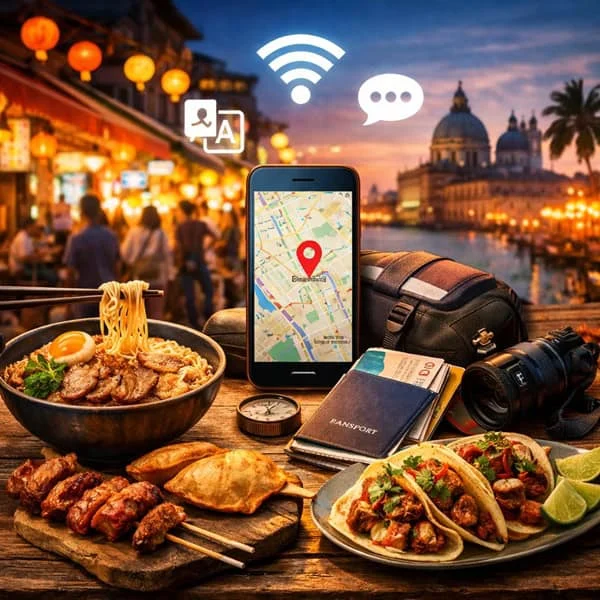
The allure of spontaneous discovery, the thrill of stumbling upon a hidden culinary gem that defines a trip, is a powerful draw for many travelers. Yet, the myth that these serendipitous moments are purely accidental often overshadows a crucial reality: their frequent occurrence is underpinned by a foundation of practical, often unglamorous, preparedness. For a growing segment of travelers, particularly those dubbed "foodie flashpackers" – individuals who prioritize efficient, intelligent travel that maximizes culinary experiences while maintaining flexibility – staying digitally connected is no longer a luxury, but a fundamental enabler of authentic exploration. This digital tether, far from fostering a life lived online, serves as a silent facilitator, reducing friction and allowing for a deeper immersion in the foreground of the travel experience: the vibrant flavors, intoxicating aromas, and rich cultural tapestry of a destination.
While the romantic notion of navigating a foreign land solely through intuition and phrasebooks persists, the pragmatic demands of modern travel, especially for those with a gastronomic agenda, necessitate a more informed approach. The truth is, those magical moments of discovering the "best thing you’ve had all year" are often the result of having the right digital tools at your fingertips when needed. This preparedness isn’t about rigid itineraries or over-scheduling; it’s about possessing the capacity to quickly pull up a map upon exiting a metro station, to translate a menu without resorting to awkward pointing, to share the details of an discovered street food stall with a friend back home, or to reconfirm an ingredient allergy card with a restaurant before ordering. It’s about the ability to verify operating hours in real-time or to access a reservation QR code even when the local Wi-Fi is faltering. In essence, it’s about minimizing background noise and maximizing presence in the moment, whether that moment involves savoring a steaming bowl of noodles, a paper plate piled high with tacos, or the buttery, caramel-scented air of a neighborhood bakery.
The Unique Demands of Food-Centric Travel
Food-focused travel presents a distinct set of challenges and opportunities compared to traditional sightseeing. The journey is rarely linear, moving from one landmark to another. Instead, it involves a dynamic flux between bustling markets, labyrinthine side streets, ephemeral pop-up counters, late-night street food vendors, serendipitously discovered cafes, and restaurants that operate on specific, often unadvertised, schedules. This constant motion introduces a cascade of small, cumulative frictions that can detract from the overall experience:
- Navigational Challenges: Street names can be unfamiliar, signage may be in a different script, and even well-known establishments can be tucked away from main thoroughfares. Without readily available maps and location services, finding these culinary havens can become a frustrating endeavor.
- Language Barriers: Menus, daily specials, and vendor interactions often require a degree of linguistic fluency that most travelers do not possess. Reliance on translation tools can be crucial for understanding ingredients, dietary options, and making informed ordering decisions.
- Spontaneity vs. Practicality: While spontaneity is key to discovery, it can also lead to missed opportunities. Knowing the exact operating hours of a highly recommended eatery or confirming the availability of a seasonal dish requires timely information access.
- Logistical Hiccups: Confirming reservations, accessing digital tickets or vouchers, or even making payments can become problematic without reliable internet access, particularly in areas with inconsistent public Wi-Fi.
These seemingly minor inconveniences, when aggregated, can transform potential moments of culinary delight into sources of stress and anxiety. A degree of digital connectivity acts as a potent antidote, transforming these potential pitfalls into opportunities for confident improvisation and enhanced enjoyment. The objective is not to be perpetually online, but to possess the assurance of reliable access when it matters most, thereby empowering travelers to remain present and engaged with their surroundings.
Defining Flashpacking: Efficiency Meets Freedom
The concept of "flashpacking" embodies a philosophy of travel that strikes an optimal balance between the unbridled freedom of a backpacker and the practical efficiency of a seasoned traveler. It is not about seeking out hardship or "hacking" travel by making it unnecessarily difficult. Instead, it focuses on identifying and eliminating unnecessary obstacles, thereby freeing up time and mental energy to concentrate on the core aspects of the journey. When the primary objective of travel is culinary exploration, this efficiency is paramount. A streamlined approach to connectivity, therefore, becomes a critical component of this travel style, focusing on:
- Lightweight and Portable Solutions: Carrying bulky equipment or relying on complex setups is antithetical to the flashpacking ethos. Solutions that are easily integrated into existing devices are preferred.
- Flexibility and Adaptability: Food plans are inherently dynamic. The ability to pivot quickly in response to new recommendations, unexpected closures, or spontaneous opportunities is essential.
- Reliability and Functionality: The chosen connectivity solution must work consistently and effectively, minimizing troubleshooting and maximizing usability.
The emphasis on adaptability is particularly crucial. Food-related plans are among the most susceptible to change, whether due to a tip from a local, a sudden craving, or an unforeseen circumstance. The capacity to rapidly adjust and re-route is what distinguishes a fluid, enjoyable experience from one bogged down by logistical hurdles.
eSIMs: A Seamless Upgrade for Global Connectivity
The traditional method of acquiring international mobile service – the "airport SIM counter shuffle" – is a familiar and often frustrating experience for many travelers. The sterile environment of fluorescent lighting, the bewildering array of plan names and data allowances, the rushed exchange of a physical SIM card, and the lingering uncertainty about whether essential communication apps will function post-swap, all contribute to a pre-trip hassle that detracts from the excitement of arrival.
Embedded SIMs, or eSIMs, offer a significantly more streamlined and user-friendly alternative. Rather than physically swapping a tiny plastic card, an eSIM allows users to activate a digital cellular plan directly on their compatible devices. This process is typically initiated through a QR code scan or by manually entering plan details. For travelers prioritizing a swift and hassle-free transition into connectivity upon landing, especially those whose primary focus is culinary discovery rather than technical troubleshooting, eSIMs represent a compelling and often superior solution.
Services like SIMOVO, for example, offer travel eSIMs designed for ease of use, enabling travelers to establish connectivity without the traditional SIM card dance. The underlying principle is to minimize time spent on telecommunications logistics, thereby maximizing time dedicated to the pursuit of culinary experiences. The minutes saved from hunting for Wi-Fi or navigating complex SIM card procedures are minutes that can be reinvested in exploring local markets, deciphering menus, or simply savoring the authentic flavors of a destination.
Connectivity as an Enhancement to Culinary Acumen
The reliable functioning of a mobile device during a food-focused trip can profoundly elevate the travel experience, transforming a cautious approach into one of confident exploration. The implications extend beyond mere convenience, impacting the traveler’s ability to engage with and appreciate the local food scene on a deeper level.
Embracing Exploration Beyond the Familiar
When travelers are preoccupied with the fear of getting lost or being unable to navigate back to their accommodation, they tend to gravitate towards the most obvious and easily identifiable dining options. This often means sticking to well-trodden tourist strips or highly visible restaurants, which, while sometimes reliable, rarely offer the most authentic or groundbreaking culinary experiences. The most memorable flavors are often found just a few turns off the beaten path. Consistent data access empowers travelers to take those intriguing detours with a sense of security, knowing they can always reorient themselves using digital maps. This freedom to wander deeper into neighborhoods, guided by curiosity rather than apprehension, opens up a world of hidden gastronomic treasures.
Harnessing the Power of Local Intel
Locals rarely provide directions with precise street addresses. Instead, recommendations are typically framed by landmarks, the general ambiance of an area, or descriptive cues such as "it’s next to the pharmacy with the green sign." Reliable mobile data allows travelers to quickly triangulate their position by cross-referencing map data with these local descriptions, perhaps even sending a photo of a suggested storefront for confirmation. This ability to swiftly decipher and act upon local advice is crucial for uncovering authentic dining spots that might otherwise remain undiscovered.
Deciphering Menus with Confidence
Translation applications are not a crutch for laziness; rather, they are a tool for bravery. By reducing the anxiety associated with misinterpreting menu items, travelers are more likely to venture beyond familiar dishes and order something truly unique and representative of the local cuisine. Furthermore, connectivity enables quick lookups of unfamiliar ingredients, regional dish names, or the precise nature of a mysterious sauce, transforming a potentially time-consuming research project into a brief, informative moment. This ease of understanding fosters a more adventurous and rewarding ordering experience.
Mastering the Art of Culinary Timing
Food is intrinsically linked to time. The availability of certain dishes can be fleeting – the best birria might sell out by midday, a neighborhood bakery might reach its peak freshness in the early morning, and a vibrant night market might only truly come alive after sunset. The ability to quickly check opening hours, send a direct message to a vendor to confirm availability, or verify if a particular dish is in season, allows for light yet effective planning. This proactive approach ensures that travelers can optimize their schedules to experience these culinary moments at their best, without the rigidity of over-scheduling.
Curating a Personal Culinary Archive
Every traveler has experienced the pang of regret after discovering an extraordinary dish, only to be unable to relocate it on a subsequent visit. Reliable connectivity transforms this common travel frustration into an opportunity for systematic discovery. By being connected, travelers can:
- Save Locations: Bookmark promising restaurants, street food stalls, or bakeries directly on their maps for future reference.
- Capture Details: Take photos of menus, storefronts, or even the dishes themselves, adding contextual information for easy recall.
- Record Notes: Jot down brief descriptions of flavors, ingredients, or the overall experience, creating a personalized food diary.
- Share Discoveries: Instantly message friends or family with recommendations, or post to social media, creating a digital trail of culinary highlights.
This ability to meticulously document and organize culinary finds transforms a series of individual good meals into a repeatable playbook for future gastronomic adventures, whether in the same destination or elsewhere.
A Balanced Connectivity Routine for Uninterrupted Exploration
A common concern among travelers is that staying connected will inevitably lead to excessive screen time, detracting from the real-world experience. However, by adopting a deliberate and disciplined approach, connectivity can serve as a tool that enhances presence rather than replacing it. A recommended rhythm for food-focused travelers includes:
- Morning Briefing: Upon waking, a quick check of the day’s planned culinary destinations, including verifying opening hours, confirming reservations, and reviewing any saved notes or recommendations. This sets the stage for the day’s explorations.
- On-the-Go Navigation and Information: Throughout the day, as needed, access maps for directions, translation apps for menus or interactions, and quick searches for nearby culinary points of interest based on spontaneous recommendations or discoveries.
- Evening Recap and Planning: Before retiring, review discovered culinary spots, save any new finds, and make preliminary plans for the following day’s gastronomic pursuits. This reinforces learning and facilitates future planning.
This structured yet flexible approach ensures that the mobile device remains a supportive tool, integrated seamlessly into the travel experience, rather than becoming the central focus.
Traveling with Confidence, Not Constant Connection
Ultimately, food travel is intended to be a vibrant, immersive experience – one of genuine discovery and sensory engagement. Connectivity does not diminish this sense of discovery; rather, it acts as a protective layer, safeguarding those moments of authentic engagement. When fundamental logistical needs are met – reliable navigation, effective communication, accessible translation, and access to reservation or payment information – travelers are liberated to focus on the core purpose of their journey.
This principle forms the bedrock of foodie flashpacking: establishing structure where it is essential for efficiency and freedom in all other aspects. By approaching travel with this philosophy, individuals are more likely to encounter those unexpected, memorable meals – the ones that become cherished stories shared for years to come. These experiences are achieved not by embracing chaos, but by mitigating the usual accompanying anxieties through smart, subtle connectivity. The result is a richer, more fulfilling exploration of the world’s diverse culinary landscapes, achieved with confidence and an enhanced capacity for true discovery.


 Budi Mulyono
 Anjar Salim
 Chandra Hamzah
 Tatiana Tantri Indah Sari

 Lukman Taruna Persada Ramadan