
 Anjar Salim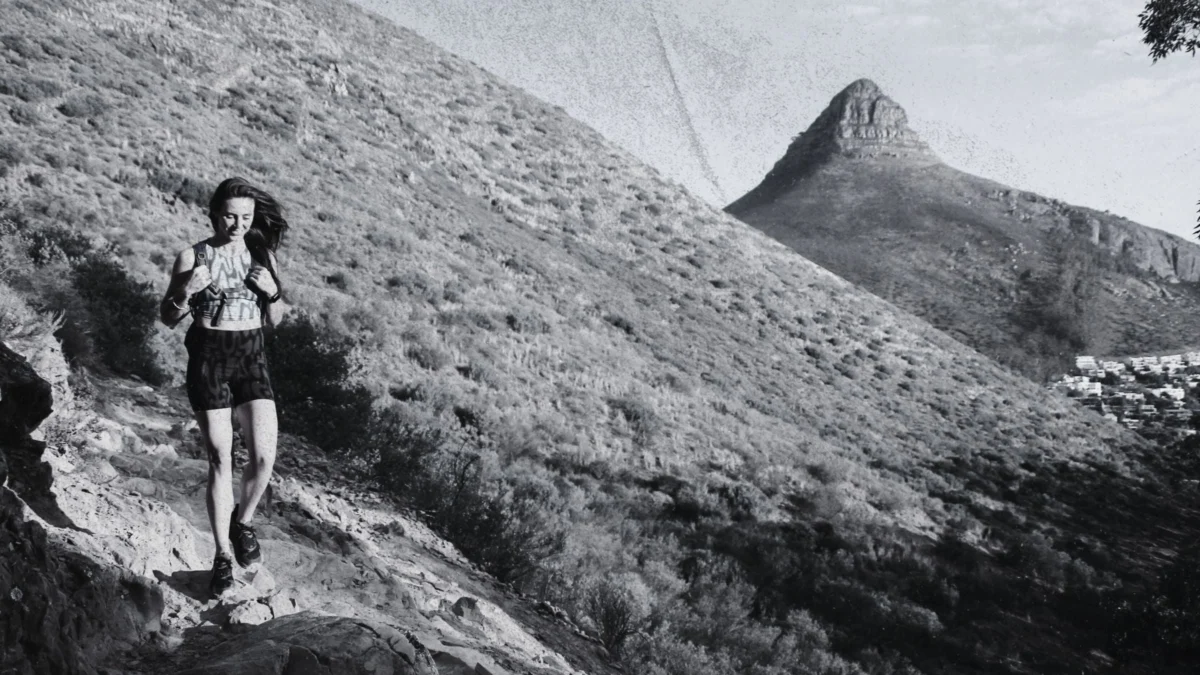
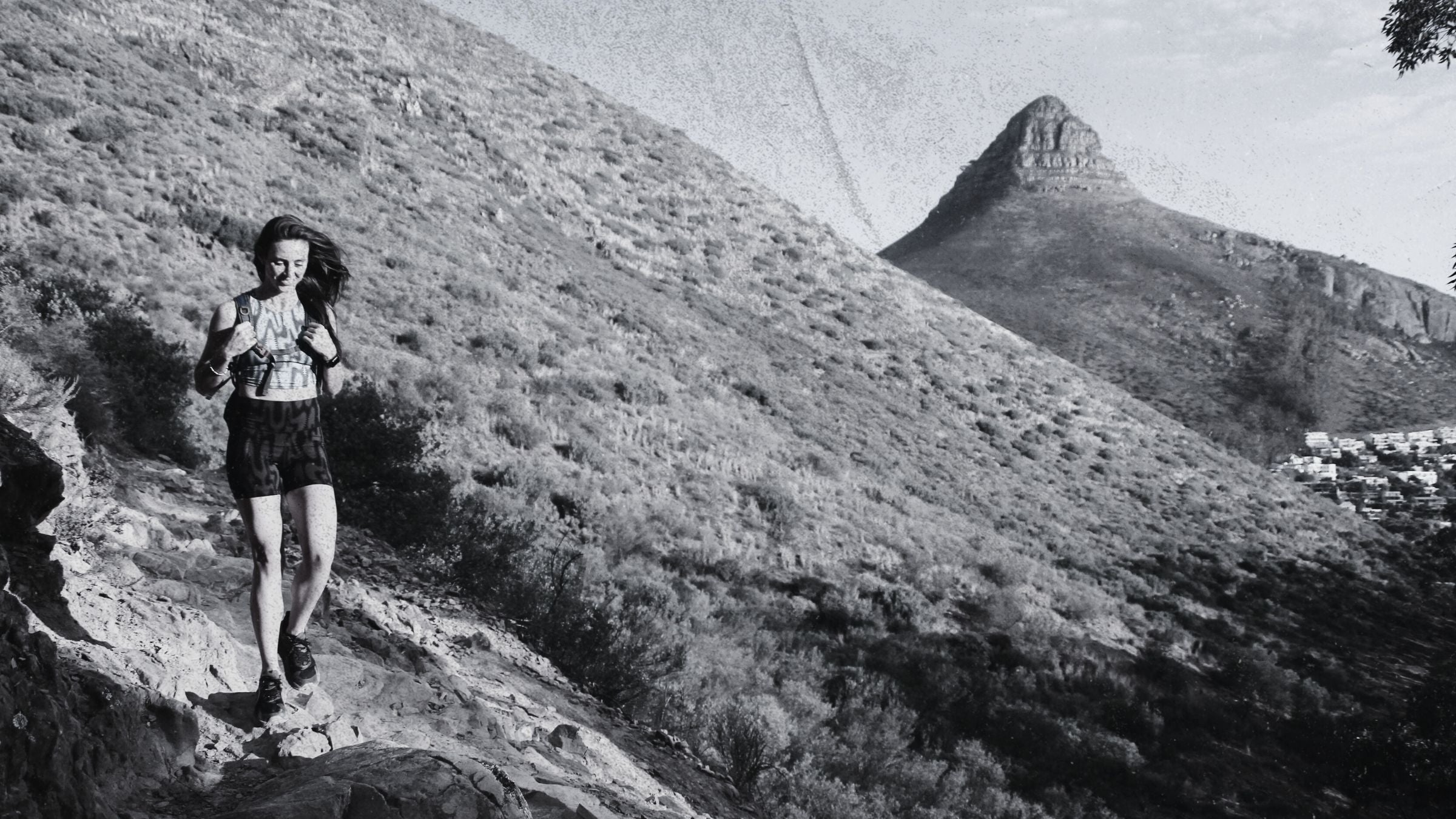
On a clear, windless morning in 2023, a violent assault on Signal Hill in South Africa’s Table Mountain National Park shattered the long-held perception of nature as an inviolable sanctuary. The incident, involving a woman being pinned at knifepoint and nearly strangled, highlights a growing concern for law enforcement and psychologists: the vulnerability of outdoor enthusiasts in areas traditionally associated with restoration and safety. While statistically rare compared to urban crime, violence in the wilderness carries a unique psychological weight, often described by experts as a "double trauma" that combines physical victimization with the destruction of a perceived safe space.
The assault on Signal Hill was not an isolated event but part of a broader trend of predatory activity in high-traffic recreation areas. In 2023 alone, Table Mountain National Park recorded 96 muggings. The geography of the trail, featuring postcard-perfect views of the Atlantic Ocean, provided a deceptive sense of security that the perpetrator exploited. One year later, a second attack by the same individual on a group of nine hikers ended in his death after a guide deployed pepper spray, causing the assailant to fall from a cliff. This sequence of events underscores the persistent nature of "predatory violence"—organized, calculated criminal activity that treats the wilderness not as a park, but as a hunting ground.
The Chronology of Targeted Violence in Wilderness Spaces
The history of trail-based crime reveals a pattern of individuals utilizing the isolation of nature to commit serial offenses. These crimes are categorized by forensic psychologists as predatory rather than affective, meaning they are planned and organized rather than reactive.
In the early 1980s, David Joseph Carpenter, known as the "Trailside Killer," terrorized hiking paths in Northern California, claiming at least seven lives. Decades later, Gary Michael Hilton, the "National Forest Serial Killer," was convicted of murdering four people across the Southeastern United States in 2007 and 2008. More recently, the Appalachian Trail has been the site of multiple high-profile attacks, including the 2019 machete assault by James Jordan and the 1981 murders by Randall Lee Smith.
In 2024, the murder of Dustin Kjersem in Montana—who was beaten and killed with an axe while camping—further rattled the outdoor community. These events, though separated by decades and geography, share a common thread: the exploitation of the "sanctuary mindset" that hikers and campers bring to the woods.
The Psychological Impact of the Double Trauma
Psychologists suggest that the human brain codes nature as a low-threat environment. Katie d’Autremont, a licensed clinical professional counselor, explains that recreation in nature activates the parasympathetic nervous system—the "rest and digest" state. This physiological downshifting makes individuals less prepared for human-on-human hostility compared to urban environments like subways or city streets.
When violence occurs in these settings, it results in a "double trauma." The victim must process the primary physical assault while simultaneously grappling with the loss of their psychological refuge. This often leads to long-term anxiety and a permanent shift in how survivors interact with the outdoors. Matthew Pinker, a professional guide who survived the 2024 Pipe Track attack, noted that even after the threat was neutralized, the experience left him with weeks of insomnia and a transformed, hyper-vigilant approach to the mountains.
Statistical Realities Urban vs Rural Crime Data
Despite high-profile incidents, statistical data suggests that national parks and rural trails remains significantly safer than urban centers. According to 2024 crime reports, urban areas saw approximately 34 incidents of violent victimization per 1,000 people, whereas rural areas recorded 16.7 incidents.
A 2025 study published in National Parks Traveler concluded that U.S. national parks are "overwhelmingly safe." The research indicated that the vast majority of law enforcement activity in these parks involves traffic offenses, which account for two-thirds of all tickets issued. Verbal assaults and property theft remain the most common forms of interpersonal victimization. However, researchers warn that as park attendance continues to break records—surpassing 330 million annual visitors in the U.S.—the probability of "convergence events" between victims and motivated offenders increases.
M. Dylan Spencer, an assistant professor of criminology at Georgia Southern University, notes that as more people crowd into these "convergence spaces," the lack of infrastructure—such as lighting, CCTV, and immediate law enforcement presence—becomes a significant risk factor.
Official Responses and Safety Measures
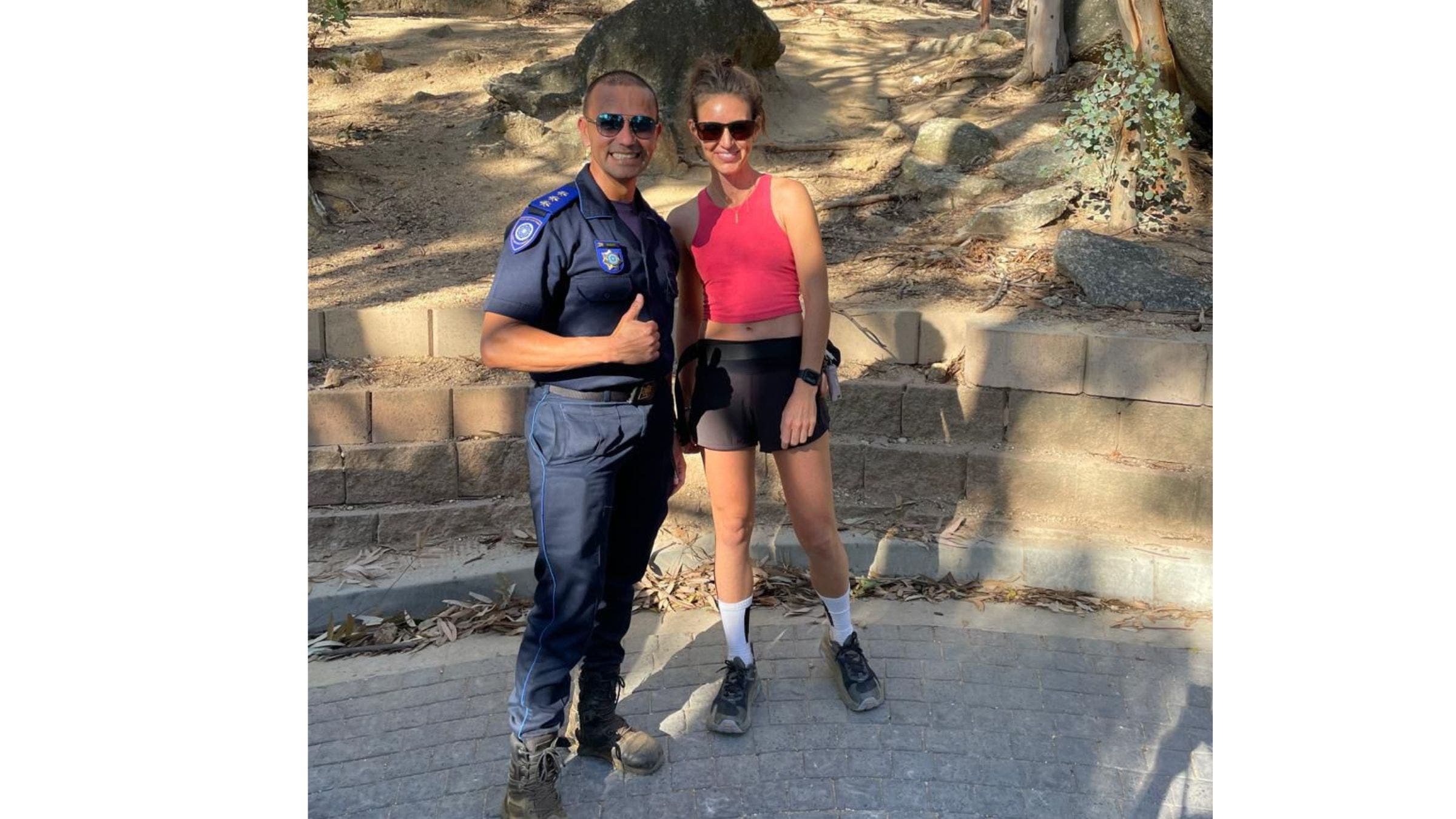
Law enforcement agencies in popular recreation zones are increasingly focusing on "tourism safety" as a specialized field. In Cape Town, Senior Inspector Ishmael Bagley serves as a tourism safety officer, identifying "escape routes" used by criminals to vanish into the brush after an attack. These offshoots, often invisible to the casual hiker, allow perpetrators to monitor trails from high vantage points and retreat quickly into unpatrolled areas.
In the United States, the National Park Service (NPS) maintains that its law enforcement programs are adequately resourced, though officials acknowledge the challenge of patrolling millions of acres of rugged terrain. Elizabeth Peace, an NPS spokesperson, emphasized that violent crime represents a "very small portion" of total law enforcement activity. Nonetheless, the agency continues to face pressure to increase staffing as visitor numbers rise.
For many hikers, the response to these threats has been a shift toward self-reliance. Madison "Peg Leg" Blagden, a hiker who encountered a threatening individual on the Appalachian Trail in 2025, emphasized the importance of trusting one’s instincts over social politeness. Her decision to run, rather than engage with a suspicious stranger, was later validated by game wardens as the correct tactical response.
Broader Implications for the Future of Outdoor Recreation
The evolving landscape of trail safety is forcing a cultural shift within the outdoor community. The "unspoken bond" of peace and unity among hikers is being replaced by a more pragmatic, vigilant approach. This shift is characterized by several emerging trends:
- Tactical Preparedness: There is a marked increase in hikers carrying self-defense tools, such as pepper spray or personal alarms, even in areas previously considered safe.
- Digital Vigilance: Online forums and podcasts, such as National Park After Dark, are serving as platforms for survivors to share experiences and warn others of specific predatory patterns.
- Environmental Design: Authorities are beginning to look at "Crime Prevention Through Environmental Design" (CPTED) for trailheads, which includes better signage, clearing brush to improve sightlines, and increasing the frequency of patrols in known "hot spots."
The death of the Signal Hill assailant in 2024 provided a sense of closure for his victims, but it did not erase the underlying reality that the wilderness remains a "predatory field" for those looking to exploit the isolation. Reid Meloy, a forensic psychologist, notes that the same elements that attract hikers—the lack of cell service, the absence of witnesses, and the distance from civilization—are exactly what make these areas attractive to organized criminals.
Conclusion
The wilderness is no longer viewed by survivors as a guaranteed refuge. While the health benefits of nature—the "dopamine hits" and the "restoration of the nervous system"—remain undisputed, the modern hiker must navigate a complex landscape where reverence for nature is balanced with vigilance toward human threats. The transition from "playing tag" to "playing chess" on the trail reflects a maturing understanding of the outdoors: it is a place of profound beauty, but it is not immune to the complexities and dangers of the human condition. As global park visitation continues to rise, the challenge for law enforcement and the public alike will be maintaining the accessibility of these spaces without compromising the safety of those who seek solace within them.




 Budi Mulyono
 Chandra Hamzah
 Tatiana Tantri Indah Sari

 Lukman Taruna Persada Ramadan