
 Gabriela Annisa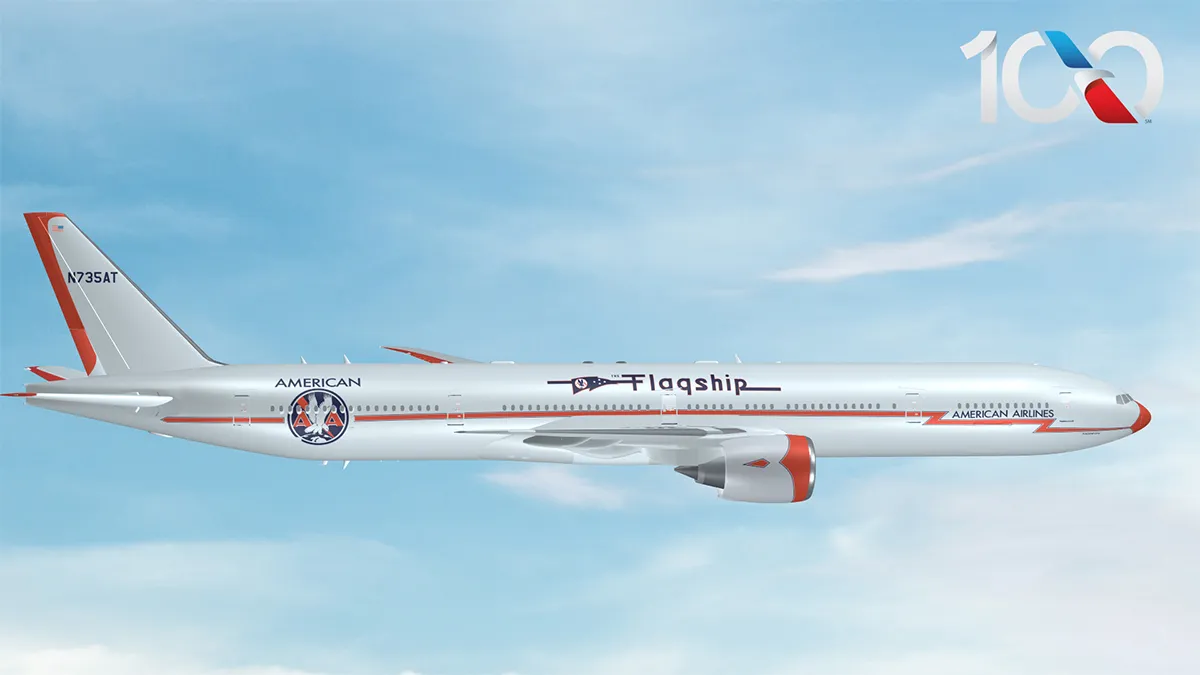
A clear divergence in financial performance has become a defining characteristic of the post-pandemic U.S. airline industry, with Delta Air Lines and United Airlines consistently demonstrating robust profitability and operational strength, while American Airlines grapples with persistent challenges, and ultra-low-cost carrier Frontier Airlines actively pursues a strategic turnaround. This complex landscape, characterized by varying capacities to adapt to dynamic market conditions and manage operational headwinds, has been a central topic of discussion among industry analysts, including Jay Shabat and Meghna Maharishi, who have dissected airline earnings, leadership pressures at American, and Frontier’s strategic pivot. The performance of these carriers offers a microcosm of the broader aviation sector’s uneven recovery, influencing investor confidence, competitive strategies, and the overall travel experience for millions of passengers.
The Ascent of Legacy Leaders: Delta and United’s Strategic Prowess
Delta Air Lines and United Airlines have distinguished themselves through a combination of strategic foresight, operational resilience, and effective market positioning. Both carriers have leveraged their extensive global networks and diversified revenue streams to capitalize on the robust demand for air travel, particularly in premium and international segments. Their strategies, while distinct in some aspects, share common threads of disciplined capacity growth, significant investments in customer experience, and a focus on operational reliability, which has become a critical differentiator in an often-turbulent operating environment.
Delta Air Lines has long been lauded for its premiumization strategy, a model that emphasizes higher-yielding business and first-class travelers, alongside a strong focus on customer loyalty through its SkyMiles program. This approach has allowed Delta to maintain higher average fares and revenue per available seat mile (RASM) compared to many of its competitors. The airline’s integrated business model, which includes ownership of a refinery (Monroe Energy) to mitigate fuel price volatility and a robust maintenance, repair, and overhaul (MRO) division, provides additional layers of cost control and revenue generation. Post-pandemic, Delta was quick to restore its international network, anticipating the return of lucrative transatlantic and transpacific routes. Its commitment to operational excellence, evidenced by industry-leading completion factors and on-time performance, has further solidified its reputation among corporate clients and premium leisure travelers, contributing directly to its superior profit margins. Financial reports have consistently shown Delta outperforming many peers in terms of operating income and net profit, often exceeding analyst expectations due as much to its revenue quality as its cost discipline.
United Airlines, under aggressive leadership, has similarly executed a strong post-pandemic recovery, particularly by rebuilding and expanding its global network. United’s strategic decision to "go big" on international and premium travel during the recovery phase, even as others adopted a more cautious approach, has paid dividends. The airline heavily invested in its Polaris business class product and significantly enhanced its network, especially across the Atlantic and Pacific, positioning itself to capture the resurgence in both business and high-end leisure international travel. United’s focus on its "hub-and-spoke" model, particularly through key gateways like Chicago, Houston, Denver, and Newark, allows it to efficiently connect passengers to a vast array of domestic and international destinations. Furthermore, United has been proactive in fleet modernization, acquiring new, more fuel-efficient aircraft to reduce operating costs and enhance the passenger experience. The airline’s strong relationships with corporate clients and its participation in global alliances have provided a stable base for its revenue streams, propelling it into a position of strong financial health, as reflected in its improved balance sheet and consistent profitability metrics reported over recent fiscal quarters.
American Airlines: Navigating Turbulence and Leadership Scrutiny
In stark contrast to the upward trajectory of Delta and United, American Airlines has faced persistent challenges that have hindered its ability to achieve comparable profitability and operational stability. Despite being one of the largest airlines globally by fleet size and passenger numbers, American has consistently lagged its primary network carrier competitors in terms of financial performance, leading to increased pressure on its leadership team from investors and market observers.
American’s struggles can be attributed to a confluence of factors. Historically, the airline has carried a higher debt load, a legacy of its numerous mergers, most notably the 2013 integration with US Airways. This debt burden translates into higher interest expenses, impacting its bottom line. Operationally, American has frequently encountered more disruptions than its peers, particularly during peak travel periods or adverse weather events. These disruptions lead to higher irregular operations costs, impact customer satisfaction, and can erode brand loyalty. Its vast and complex network, while offering extensive reach, can also be more challenging to manage efficiently, especially when faced with labor shortages across various employee groups, including pilots, flight attendants, and ground staff.
Market analysts have pointed to American’s less differentiated product strategy compared to Delta’s premium focus or United’s aggressive international expansion. While American does offer premium cabins, its overall revenue mix has historically been more reliant on the highly competitive economy segment. The airline has attempted to enhance its loyalty program and implement cost-cutting measures, but these initiatives have yet to yield the consistent, superior financial results seen at its competitors. The pressure on American’s leadership is palpable, as investors demand clearer pathways to improved profitability and operational reliability. Discussions often revolve around the efficacy of current strategies, the need for more aggressive cost management, and potential adjustments to its network or fleet to improve efficiency and yield. The Skift Travel 200, which tracks the financial performance of publicly traded travel companies, has highlighted that while the airline sector as a whole has seen recovery, American’s individual stock performance and financial metrics have often underperformed the average for its peer group, signaling investor unease.
Frontier Airlines: The Ultra-Low-Cost Turnaround Strategy
For Ultra-Low-Cost Carriers (ULCCs) like Frontier Airlines, the post-pandemic environment has presented a unique set of challenges and opportunities. While the surge in leisure travel initially benefited ULCCs, intense competition, volatile fuel prices, and operational constraints have tested their business models. Frontier, in particular, has been actively pursuing a turnaround strategy aimed at stabilizing its operations, optimizing its network, and enhancing its financial performance after a period of significant headwinds.
Frontier’s business model is predicated on offering extremely low base fares, which are then supplemented by a wide array of ancillary fees for everything from baggage and seat selection to in-flight refreshments. This model thrives on high load factors, rapid aircraft turnarounds, and efficient point-to-point routes. However, ULCCs are particularly susceptible to external shocks. High fuel prices, for instance, disproportionately impact their margins because their low base fares offer less buffer. Operational disruptions, whether due to weather or Air Traffic Control (ATC) staffing issues, can cascade quickly through their tight schedules, leading to costly delays and cancellations.
Frontier’s turnaround strategy involves several key pillars. Firstly, network optimization is crucial. This entails carefully evaluating existing routes, identifying underperforming segments, and reallocating capacity to markets with stronger demand and higher profitability potential. This often means focusing on leisure-oriented destinations that are less competitive or where Frontier can command a dominant position. Secondly, fleet modernization plays a vital role. Frontier operates an all-Airbus A320neo family fleet, which is one of the most fuel-efficient in the industry. Leveraging these modern aircraft helps reduce fuel burn, a significant operating expense, and lowers maintenance costs. Thirdly, improving operational reliability is paramount. A reputation for frequent delays or cancellations can deter price-sensitive passengers, driving them to competitors. Frontier has been working on enhancing its operational metrics, aiming for better on-time performance and reduced cancellation rates through improved scheduling, ground operations, and crew management.
The failed merger attempt with Spirit Airlines also cast a shadow over Frontier, leading to a period of uncertainty. Since then, the airline has refocused on organic growth and refining its standalone strategy. The competitive landscape for ULCCs remains fierce, with rivals like Allegiant Air and Southwest Airlines (which operates a hybrid model) constantly vying for the same leisure passengers. Frontier’s success in its turnaround will depend on its ability to maintain its cost advantage, consistently deliver reliable service, and effectively adapt its network to evolving consumer demand while managing external pressures like fuel costs and labor availability.
Broader Industry Context and Implications
The varied performance of these major U.S. airlines is indicative of several overarching trends and challenges shaping the broader aviation industry. The post-pandemic recovery has been uneven, initially driven by robust leisure demand, often referred to as "revenge travel," which has largely offset a slower rebound in business travel. However, the economic landscape remains dynamic, with concerns over inflation, rising interest rates, and the potential for an economic slowdown impacting consumer spending on discretionary travel.
Operational challenges have been a persistent headache for all carriers. Air Traffic Control (ATC) staffing shortages, particularly in key regions, have led to significant flight delays and cancellations, forcing airlines to adjust schedules and reduce capacity. Labor shortages across various airline functions—pilots, flight attendants, mechanics, and ground staff—have pushed up wage costs and constrained operational flexibility. Furthermore, global supply chain disruptions have impacted aircraft maintenance and the delivery of new aircraft, further limiting capacity growth and fleet modernization efforts.
Fuel costs, always a major expense for airlines, have experienced significant volatility, driven by geopolitical events and global supply and demand dynamics. While some legacy carriers like Delta have hedging strategies or integrated operations to mitigate these costs, ULCCs are often more exposed. The industry is also facing increasing pressure to address environmental concerns, with mandates for sustainable aviation fuels (SAF) and targets for carbon emission reductions adding another layer of long-term investment and operational complexity.
The implications of these performance disparities are far-reaching. For investors, the divergence highlights the importance of scrutinizing individual airline strategies, balance sheets, and operational efficiencies rather than treating the sector as a monolithic entity. Airlines with stronger financial positions and more resilient business models, like Delta and United, are better positioned to weather economic downturns, invest in future growth, and reward shareholders. Conversely, those struggling with profitability, like American, face ongoing investor skepticism and calls for strategic realignment.
For consumers, the competitive landscape translates directly into ticket prices, route availability, and service quality. A healthy, competitive market benefits passengers through innovation and competitive pricing. However, if some carriers consistently underperform, it could lead to further market consolidation or shifts in route networks. The continued success of premium-focused carriers like Delta and United suggests that travelers are increasingly willing to pay for reliability, comfort, and a superior experience, while the ULCCs like Frontier continue to serve the highly price-sensitive leisure segment, provided they can maintain operational consistency.
Looking ahead, the U.S. airline industry will continue to evolve under the influence of technological advancements, changing consumer preferences, and global economic forces. The strategies adopted by Delta, United, American, and Frontier will determine their respective trajectories, shaping the future of air travel and the competitive dynamics within this vital sector. The ability to adapt to new challenges, invest wisely, and prioritize operational excellence will remain paramount for sustained success in this highly complex and capital-intensive industry.




 Anjar Salim
 Chandra Hamzah
 Tatiana Tantri Indah Sari
 Budi Mulyono
 Lukman Taruna Persada Ramadan
