
 Tatiana Tantri Indah Sari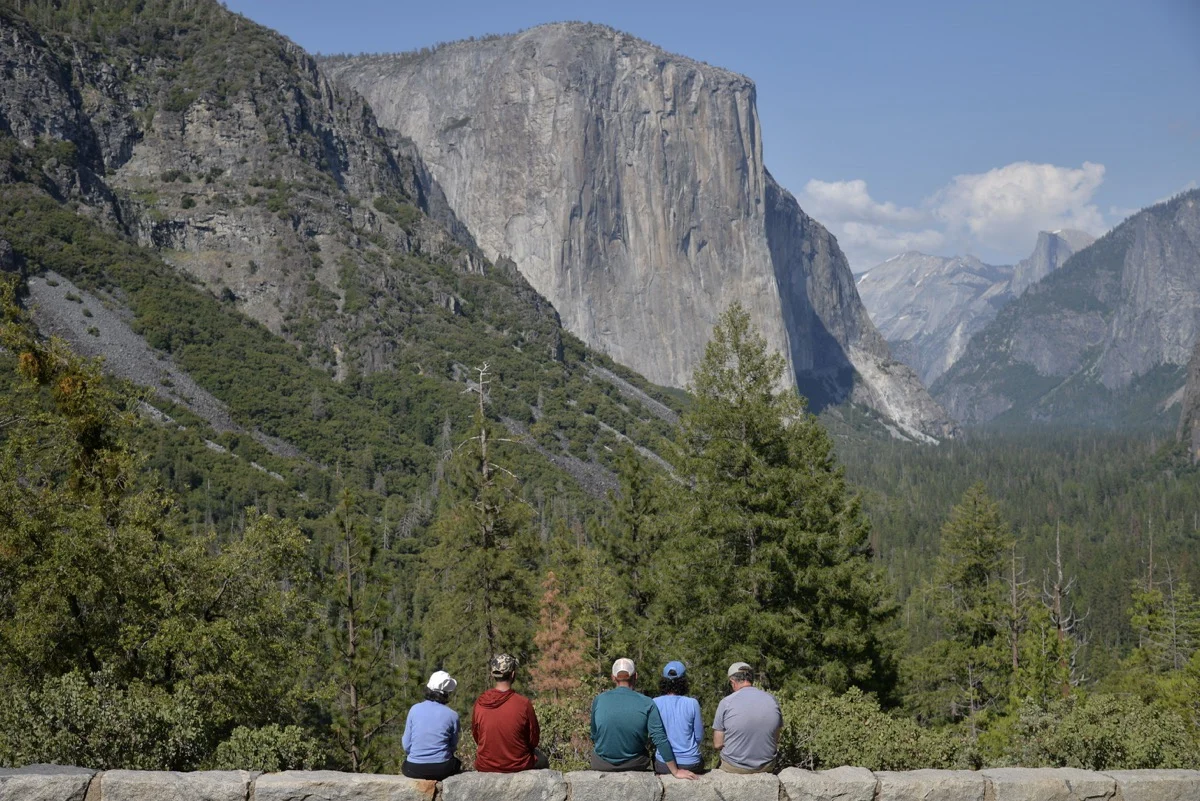
An Iranian military official on Friday, March 20th, 2026, issued a stark warning that tourist sites worldwide could become targets, escalating global security concerns amidst a deepening conflict with the United States and Israel. The unnamed official, believed to be a spokesperson for the Islamic Revolutionary Guard Corps (IRGC), delivered the chilling message during a televised address, stating, "From now on, based on the information we have about you, even parks, recreational areas and [other civilian targets] are within our reach." This overt and specific threat against non-military, civilian targets represents a significant and rare departure from conventional geopolitical rhetoric, prompting immediate international alarm and raising profound questions about the future of travel security and the trajectory of regional stability.
Escalating Regional Dynamics and the Preceding Tensions
The warning comes at a particularly volatile juncture in the Middle East, following months of steadily escalating tensions between Iran and its regional and international adversaries. The shadow war that has long characterized the rivalry between Tehran, Washington, and Tel Aviv appears to have moved into a more overt and dangerous phase in early 2026. Prior to this explicit threat, a series of incidents had marked a perilous ascent on the diplomatic and military ladder.
In late January, reports emerged of a sophisticated cyberattack that crippled critical infrastructure in a Gulf nation allied with the U.S., with intelligence agencies broadly attributing the assault to state-sponsored Iranian actors. This was swiftly followed in mid-February by a drone strike on a U.S. military outpost in eastern Syria, resulting in casualties and prompting immediate retaliatory airstrikes by American forces against IRGC-affiliated sites in Iraq and Syria. Simultaneously, Israel intensified its campaign against Iranian assets and proxies in Syria and Lebanon, with several high-profile airstrikes reportedly targeting weapons convoys and command centers.
The immediate catalyst for Friday’s direct threat appears to be a highly contested incident earlier this week, on March 17th. Iranian state media reported an alleged Israeli air raid on a sensitive research facility within Iranian territory, claiming it resulted in significant damage and the loss of life among scientific personnel. While Israel maintained its policy of ambiguity regarding such operations, and the U.S. denied any involvement, Tehran vowed "decisive and unprecedented retaliation" for what it termed an act of "state terrorism." It is against this backdrop of heightened military exchanges, sophisticated cyber warfare, and targeted assassinations that the Iranian military official’s warning about tourist sites must be understood – a signal that the parameters of conflict are expanding beyond traditional battlefields.
The Unprecedented Nature of the Threat
Security analysts and diplomatic observers have universally characterized the Iranian official’s statement as highly unusual and deeply concerning. Historically, state-sponsored threats, even in times of extreme tension, have typically focused on military installations, strategic assets, or government infrastructure. To explicitly include "parks, recreational areas" and other implied civilian targets represents a significant escalation in rhetoric, moving towards a broader, more indiscriminate form of deterrence or retaliation.
Dr. Elara Vance, a professor of international relations and security studies at Georgetown University, commented on the gravity of the situation: "Such an overt, specific threat to tourism from an official government entity is rare indeed. It signifies a potential shift in strategy, aiming to inflict economic and psychological damage on adversaries by targeting their citizens and industries globally, rather than solely their military capabilities. It’s designed to sow fear and disrupt daily life far beyond the immediate conflict zones."
The ambiguity surrounding the exact nature of the "information we have about you" further compounds the anxiety. It could imply intelligence gathering on specific popular destinations, or it could be a psychological tactic designed to create widespread uncertainty and paralysis within the global travel sector. This deliberate vagueness itself is a weapon, forcing governments and private entities to consider the worst-case scenarios across an almost infinite array of potential targets.
Immediate International Reactions and Condemnations
The international community was swift in its condemnation of the Iranian threat. The United States State Department spokesperson, speaking from Washington D.C., denounced the statement as "irresponsible and a clear violation of international norms protecting civilian populations." The spokesperson reiterated the U.S.’s commitment to the security of its citizens and allies globally and warned Iran against any actions that would further destabilize the region or endanger innocent lives. Travel advisories for U.S. citizens were immediately updated, urging extreme caution in various regions and advising against all non-essential travel to countries with known Iranian influence or where U.S. interests might be perceived as vulnerable.
Israel’s Foreign Ministry issued a strong statement calling the Iranian remarks "an open declaration of intent to commit terror acts against innocent civilians" and vowed that Israel would "respond with full force to any attempt to harm its citizens or interests, anywhere in the world." European Union foreign policy chief, Josep Borrell, also expressed deep concern, urging all parties to "de-escalate immediately and refrain from any actions or rhetoric that could lead to further regional conflagration." The United Nations Secretary-General called for restraint and emphasized the imperative to protect civilian lives and infrastructure under all circumstances.
Profound Impact on the Global Tourism Industry
The implications for the global tourism industry are immediate and potentially devastating. Travel and tourism represent a significant pillar of the global economy, contributing approximately 10% of global GDP and supporting over 330 million jobs worldwide, according to the World Travel & Tourism Council (WTTC). The industry is inherently sensitive to geopolitical instability, public health crises, and security threats, with consumer confidence being a critical driver.

Following the Iranian statement, shares of major airlines, hotel chains, and cruise lines experienced a sharp decline in after-hours trading. Industry analysts predict a significant slowdown in bookings, particularly for international travel, as individuals and families reassess their vacation plans. The WTTC issued a statement expressing profound concern, noting that "the safety and security of travelers and tourism workers is paramount. Such threats undermine the very fabric of global interconnectedness that tourism fosters. We urge all governments to prioritize de-escalation and ensure the protection of civilian spaces."
Numerous national tourism boards and travel agencies reported an immediate surge in inquiries regarding cancellation policies, travel insurance coverage for acts of terrorism, and destination safety. Governments worldwide are expected to update their travel advisories, potentially leading to widespread cancellations and a chilling effect on international travel for an extended period. Destinations heavily reliant on tourism, from major European capitals to popular Asian resorts and American national parks, could face severe economic repercussions as travelers opt for perceived safer, often domestic, alternatives or postpone travel altogether.
Historically, events like the September 11th attacks in the U.S., the Bali bombings in 2002, or the Paris attacks in 2015 demonstrated how quickly and severely the tourism sector can be impacted by security threats, often taking years to fully recover. While the current Iranian threat is a warning rather than an attack, its broad and indiscriminate nature, coupled with the escalating regional conflict, presents an unprecedented challenge to an industry still recovering from the global pandemic.
Enhanced Security Measures and Intelligence Assessments
In response to the explicit threat, security agencies globally are expected to implement heightened security protocols at major tourist attractions, transportation hubs, and public gathering spaces. This could include increased visible police presence, enhanced surveillance, stricter baggage checks, and the deployment of advanced threat detection technologies. Intelligence services will undoubtedly be working overtime to assess the credibility and specificity of the Iranian threat, attempting to discern whether it represents a genuine intention to act or primarily a psychological warfare tactic designed to exert pressure.
"The challenge for intelligence agencies," explains former CIA analyst Robert Maxwell, "is the sheer breadth of the threat. When a state actor warns of targeting ‘parks and recreational areas,’ it means virtually any public space, anywhere. This necessitates a massive reallocation of resources and a re-evaluation of threat matrices for countless locations that might not have been considered high-risk before. It creates a state of perpetual vigilance."
Furthermore, the statement will likely prompt a review of cybersecurity defenses for tourism-related infrastructure, including booking platforms, airline systems, and hotel networks, as cyberattacks could potentially precede or accompany physical threats, causing chaos and disruption.
Iran’s Strategic Calculus and Broader Implications
The Iranian military official’s warning suggests a recalibration of Tehran’s strategic posture. While Iran has long been accused of supporting proxy groups involved in terrorism, a direct, public threat from a state entity against global civilian targets is a significant departure. This could signal a new phase of "asymmetric warfare," where Iran seeks to leverage non-traditional means to inflict costs on its adversaries, particularly in response to what it perceives as direct attacks on its sovereignty or strategic interests.
Domestically, such a strong statement might also serve to rally internal support and project an image of strength and defiance in the face of external pressures. For the international community, however, it solidifies concerns about Iran’s intentions and its role as a destabilizing force in the region. It further complicates efforts to revive diplomatic channels or de-escalate the broader conflict, as the trust deficit deepens.
The economic repercussions could extend beyond tourism, impacting global insurance markets, raising premiums for businesses operating in high-risk areas, and potentially dampening overall investor confidence in a world already grappling with economic uncertainties. The cost of doing business globally will undoubtedly rise as companies factor in increased security expenses and geopolitical risk premiums.
The Path Forward and Diplomatic Challenges
The immediate priority for the international community will be to de-escalate the situation and prevent the rhetoric from translating into actual attacks. Diplomatic channels, however strained, will be crucial. The United Nations and other international bodies will likely redouble their efforts to broker dialogue and find off-ramps to the current cycle of retaliation. However, the explicit nature of Iran’s threat has undoubtedly hardened positions, making a swift resolution challenging.
For travelers and the tourism industry, the coming months will be defined by uncertainty. The efficacy of enhanced security measures, the reliability of intelligence assessments, and the evolving geopolitical landscape will all play critical roles in shaping future travel patterns. The Iranian official’s warning stands as a stark reminder of the fragility of global peace and the interconnectedness of security and prosperity in an increasingly complex world. It underscores the urgent need for robust international cooperation to address the root causes of conflict and uphold the principle of protecting innocent civilians from the ravages of geopolitical strife.



 Anjar Salim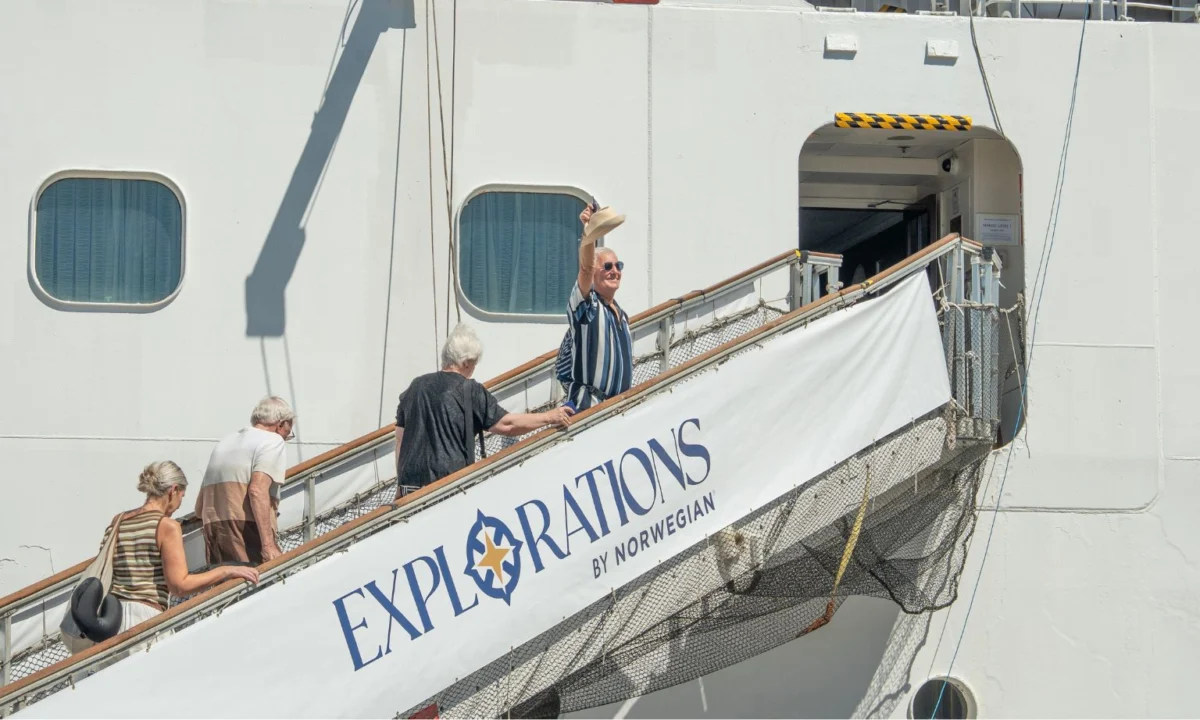
 Chandra Hamzah
 Budi Mulyono

