
 Hendra Ismail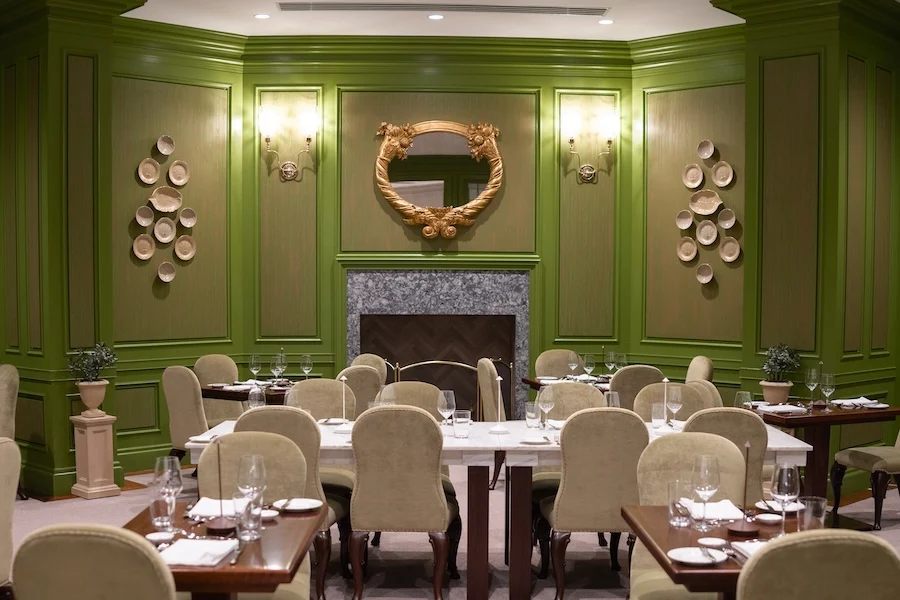
The Bedford by Martha Stewart has officially opened its doors at Foxwoods Resort Casino in Connecticut, marking a significant expansion of the lifestyle icon’s hospitality ventures on the East Coast. This highly anticipated debut translates the warm, intimate essence of Stewart’s own historic Bedford, New York farmhouse into a public dining destination, offering guests an immersive experience rooted in her renowned approach to entertaining and culinary excellence.
The restaurant’s design, meticulously brought to life by ZDS Architecture & Interiors in close collaboration with Marquee Brands and the dedicated Foxwoods team, eschews the conventional commercial restaurant model. Instead, the focus was on recreating the profound feeling of being a welcomed guest in Stewart’s personal home. This strategic design philosophy aims to deliver an unparalleled level of hospitality that is both sophisticated and deeply personal, mirroring the curated yet approachable atmosphere for which Martha Stewart is globally recognized.
Recreating the Charm of Martha Stewart’s Historic Farmhouse
Conceptually, The Bedford is designed to be an extension of Martha Stewart’s iconic 1925 farmhouse in Bedford, New York. This particular estate is not merely a residence; it is the very crucible where her groundbreaking philosophy on cooking, entertaining, and gracious living was forged and refined over decades. The design team sought to distill the essence of this celebrated property and translate its unique spirit into a tangible dining environment.
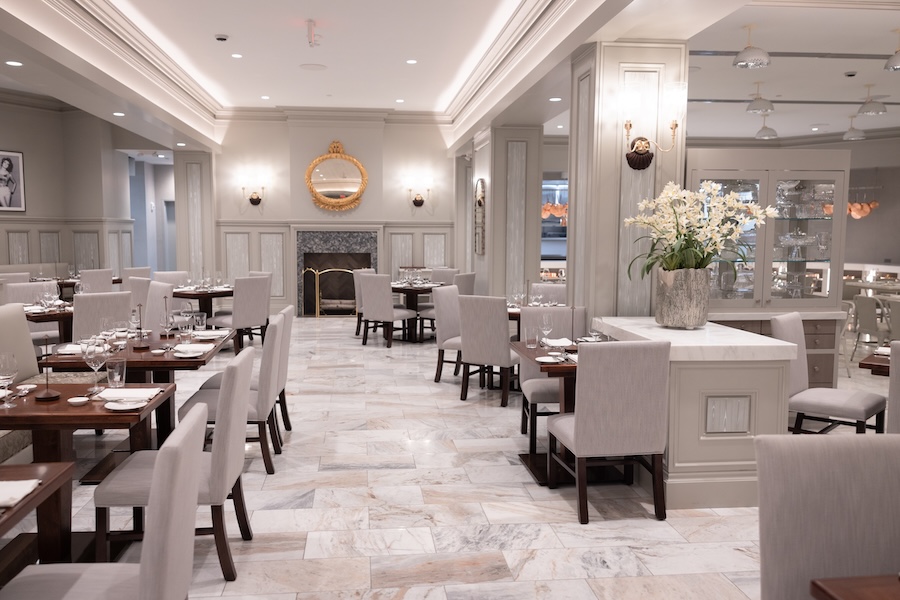
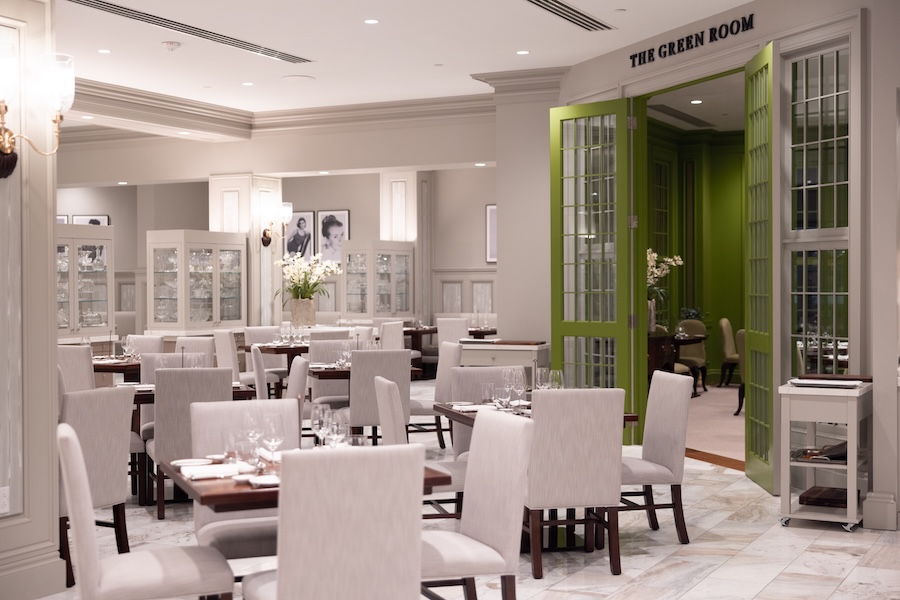
The interior architecture of The Bedford is characterized by a deliberate and sophisticated palette, dominated by a soothing, atmospheric blend of beige and gray. This carefully chosen color scheme extends seamlessly across every element of the space, unifying the stone floors, the surfaces of the tabletops, the luxurious upholstery of the dining chairs, and the very walls that envelop the dining area. This cohesive aesthetic creates a serene and elegant backdrop, allowing the culinary creations and the convivial atmosphere to take center stage.
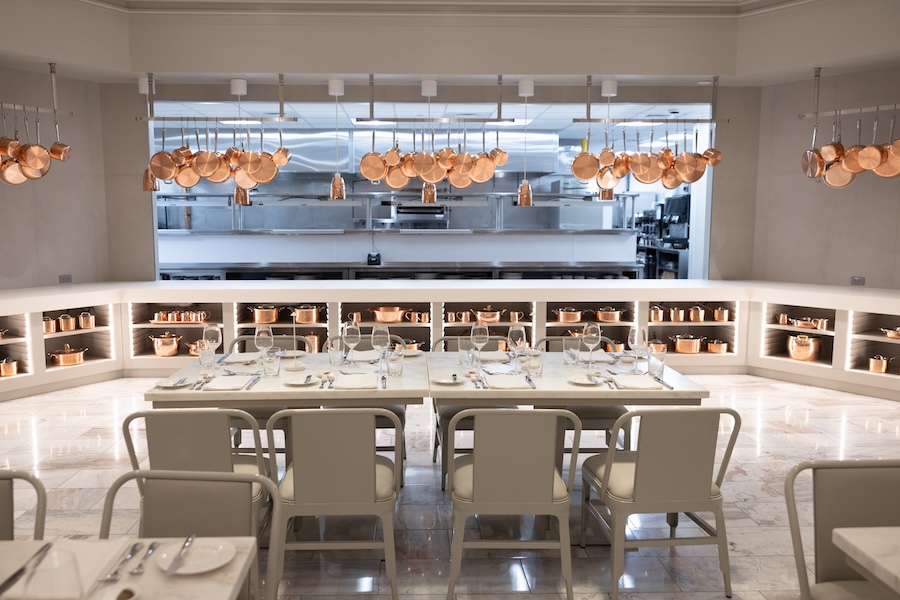
A central feature of the main dining area is the strategically placed open kitchen. This design choice not only provides guests with a captivating glimpse into the culinary artistry at play but also serves to enhance the interactive and engaging nature of the dining experience. The kitchen is thoughtfully accented with suspended copper pots, gleaming and evocative of traditional culinary practices, and framed by well-appointed shelving that showcases a curated collection of high-quality cookware. This visual display subtly reinforces the restaurant’s commitment to authentic, hands-on cooking.
Throughout the main dining room, strategically positioned display cases filled with exquisite glassware serve a dual purpose. Beyond their aesthetic contribution, they function as subtle, yet effective, spatial dividers. These illuminated showcases guide guests naturally through the restaurant’s layout, enhancing the sense of flow and intimacy while simultaneously contributing to the overall residential feel of the establishment. This thoughtful integration of form and function underscores the restaurant’s commitment to creating an environment that feels both grand and intimately personal.
The Evolution of Martha Stewart’s Hospitality Empire
The opening of The Bedford at Foxwoods represents a significant milestone in Martha Stewart’s burgeoning hospitality portfolio. While her brand has long been synonymous with aspirational living, her direct involvement in restaurant ventures has gained momentum in recent years. The Bedford at Foxwoods follows the successful debut of its sister restaurant, The Bedford by Martha Stewart, at Paris Las Vegas in 2022. This earlier Las Vegas establishment also aimed to replicate the intimate farmhouse experience, garnering considerable attention and critical acclaim.
The strategic expansion to Foxwoods Resort Casino, a prominent gaming and entertainment destination on the East Coast, signals a deliberate effort to bring Martha Stewart’s distinctive brand of hospitality to a broader audience. Foxwoods, owned and operated by the Mashpee Wampanoag Tribe, is one of the largest resort casinos in North America, attracting millions of visitors annually. Its diverse offerings in entertainment, gaming, and retail provide a robust platform for a high-caliber dining experience like The Bedford.
The establishment of The Bedford at Foxwoods is not an isolated event but part of a larger, strategic trend within the hospitality industry. As consumers increasingly seek experiences that go beyond mere consumption, brands are looking to create immersive environments that resonate with their core values. For Martha Stewart, this means leveraging her established reputation for quality, taste, and domesticity to create dining spaces that feel like an extension of her own curated lifestyle.
A Closer Look at the Design and Ambiance
The design narrative of The Bedford is deeply rooted in creating a sense of place and belonging. The neutral, stone-hued palette that dominates the main dining area fosters a calming and sophisticated ambiance. This is complemented by the careful selection of materials, which evoke a sense of timeless elegance and quality. The exposed stone floors, for instance, lend a rustic charm, while the carefully upholstered chairs provide a touch of modern comfort.
The open kitchen, a recurring motif in contemporary high-end dining, is here reinterpreted through the lens of domesticity. The suspended copper pots are not just decorative; they are functional elements that speak to the art of cooking. The shelves lined with cookware further enhance this feeling, transforming the kitchen from a purely utilitarian space into a stage for culinary performance. This transparency invites diners to connect with the food preparation process, fostering a deeper appreciation for the craft.
The strategic placement of display cases for glassware is a subtle yet effective design choice. In a traditional restaurant setting, these might be utilitarian storage. Here, they are integrated into the design to create visual interest and delineate spaces without resorting to harsh barriers. They contribute to the feeling of a well-appointed home, where every object has a purpose and a place, and where the flow between rooms is organic and inviting.
Exclusive Gatherings in the Private Dining Room
A distinctive feature of The Bedford is its dedicated private dining room, which offers a contrasting yet complementary aesthetic to the main dining area. This space introduces a vibrant "pop" of color, injecting a lively energy into the otherwise serene, stone-hued environment. The wainscoting in this room is rendered in rich, deep shades of olive and green, creating a sense of warmth and sophistication. This is artfully paired with light brown chairs, adding another layer of earthy richness.
The focal point of this private dining space is a central fireplace, which anchors the room and imbues it with an intimate and cozy atmosphere. This design element is crucial for fostering a sense of exclusivity and conviviality, making it an ideal setting for private celebrations, corporate events, or intimate gatherings of friends and family. The combination of the bold color palette, the luxurious materials, and the inviting fireplace creates a memorable and personalized experience for guests seeking a more secluded dining environment.
The inclusion of a dedicated private dining room is a strategic move that caters to a diverse clientele. It acknowledges the growing demand for customizable event spaces that offer both privacy and a distinct ambiance. For a brand like Martha Stewart’s, which is built on the idea of celebrating life’s moments, providing such a space is a natural extension of its core values.
Broader Implications for the Hospitality Landscape
The debut of The Bedford at Foxwoods signifies more than just the opening of another restaurant; it represents a thoughtful integration of a powerful lifestyle brand into the dynamic world of casino resorts. For Foxwoods Resort Casino, partnering with Martha Stewart offers a significant opportunity to elevate its dining offerings and attract a demographic that values curated experiences and brand recognition. This collaboration aligns with a broader trend of luxury brands and celebrity endorsements seeking to enhance the appeal of entertainment destinations.
The success of The Bedford is likely to be measured not only by its culinary excellence but also by its ability to translate the intangible essence of Martha Stewart’s personal brand into a consistent and memorable guest experience. This involves meticulous attention to detail, from the quality of the ingredients to the attentiveness of the service. The restaurant’s design, which prioritizes an intimate and residential feel, is a key component in achieving this goal.
Furthermore, the expansion of Martha Stewart’s dining footprint suggests a strategic vision to diversify revenue streams and solidify her presence in the experiential economy. In an era where consumers are increasingly prioritizing experiences over material possessions, brands that can offer unique and engaging environments are poised for growth. The Bedford, with its clear conceptual link to Stewart’s personal brand and her iconic farmhouse, is well-positioned to capitalize on this trend.
The analysis of this venture also touches upon the evolving nature of celebrity endorsements in the hospitality sector. Moving beyond simple name-licensing, brands like Martha Stewart’s are increasingly involved in the conceptualization, design, and operational aspects of their establishments. This deeper level of engagement lends authenticity and credibility, differentiating them from more superficial collaborations. The success of The Bedford at Foxwoods will undoubtedly serve as a case study for future brand-led hospitality developments.
A Timeline of Martha Stewart’s Culinary Expansion
The journey of Martha Stewart’s dining ventures, while relatively recent in its concentrated form, is built upon a foundation of decades of culinary and lifestyle expertise.
-
Early Career and Media Dominance: Martha Stewart’s career began in catering in the 1970s, leading to the publication of her first book, "Martha Stewart’s Entertaining," in 1982. This was followed by a string of best-selling books, a magazine, and a hugely successful television show, establishing her as a preeminent authority on domestic arts.
-
Emergence of Restaurant Concepts: While Stewart has long been associated with food and entertaining, her direct involvement in establishing restaurants has seen a more recent surge. The concept of bringing her personal farmhouse ambiance to a public space began to take shape.
-
2022: The Bedford Debuts in Las Vegas: The first iteration of The Bedford by Martha Stewart opened at Paris Las Vegas. This marked a significant step in translating her brand into a physical dining destination, aiming to replicate the intimate atmosphere of her Bedford, New York farmhouse. The Las Vegas opening was met with considerable fanfare and set the stage for further expansion.
-
2024: The Bedford Opens at Foxwoods: The highly anticipated opening of The Bedford by Martha Stewart at Foxwoods Resort Casino in Connecticut represents the brand’s first major foray into a casino resort environment on the East Coast. This expansion demonstrates a strategic intent to reach new markets and solidify the brand’s presence in the hospitality sector.
This chronological progression highlights a deliberate and phased approach to building a hospitality empire, leveraging existing brand equity and adapting it to new environments. The success of each venture informs the strategy for the next, creating a cohesive narrative of Martha Stewart’s enduring influence on lifestyle and hospitality.
The opening of The Bedford at Foxwoods is poised to become a significant culinary destination, offering patrons a taste of Martha Stewart’s signature hospitality and a dining experience that is both sophisticated and deeply personal. Its success will undoubtedly be a testament to the enduring appeal of her brand and her ability to translate her vision into tangible, immersive environments.


 Anjar Salim
 Chandra Hamzah
 Tatiana Tantri Indah Sari
 Budi Mulyono

