
 Chandra Hamzah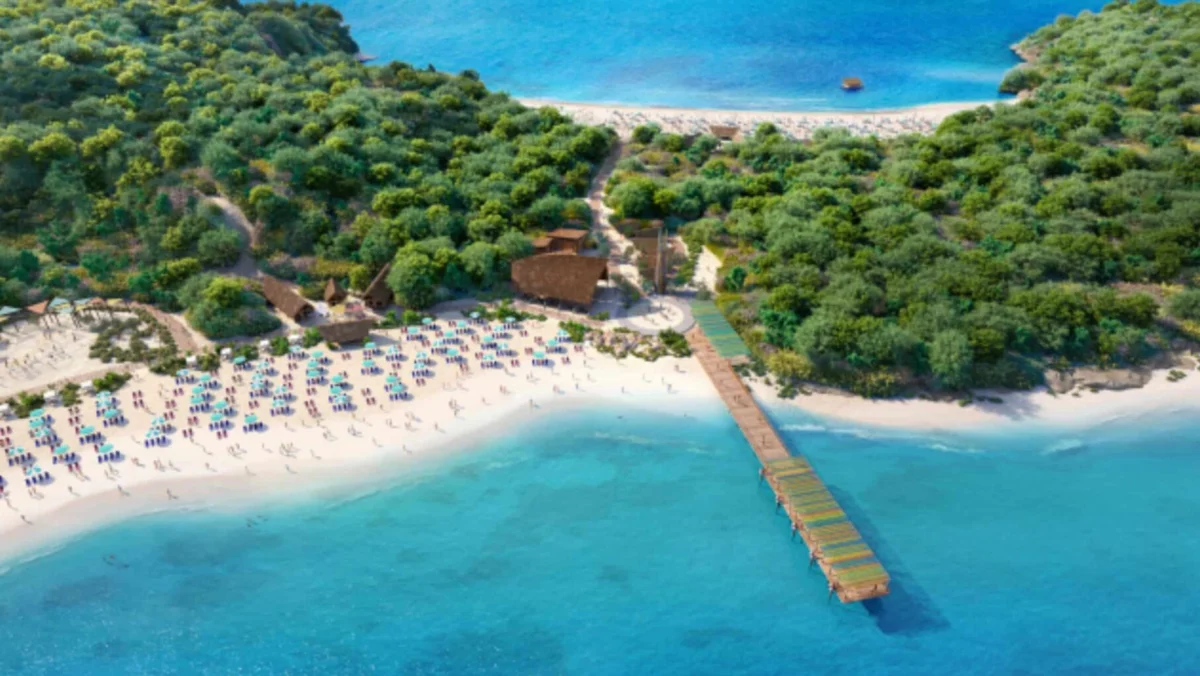
Royal Caribbean is charting a new course for the South Pacific with the highly anticipated launch of its inaugural private destination in the region, Royal Beach Club Lelepa, located in Vanuatu. This ambitious project represents a significant milestone for the cruise line, marking a strategic pivot towards curated, destination-led experiences that aim to redefine the traditional cruise holiday. Gavin Smith, Managing Director for Australia & New Zealand at Royal Caribbean, described the development as a "landmark moment," the culmination of years of planning and innovation in their exclusive destination offerings. "Seeing the vision for Royal Beach Club Lelepa come to life is a huge achievement after years of planning and redefining our exclusive destination offering," Smith stated. "We are proud to see it becoming a reality for our Australian holidaymakers."
The introduction of Royal Beach Club Lelepa signifies a profound shift in how cruise lines are conceptualizing and designing itineraries for the South Pacific. Historically, voyages in this idyllic region have been characterized by a series of port stops across multiple islands, offering passengers a taste of various destinations. However, Lelepa embodies a move towards a more immersive and controlled experience, mirroring the success of Royal Caribbean’s "Perfect Day" concept, most notably demonstrated at its highly successful Perfect Day at CocoCay in the Bahamas. This strategy integrates the onboard amenities and entertainment of Royal Caribbean’s state-of-the-art ships with a bespoke, high-quality land-based experience, creating a holistic vacation package.
A Destination Designed for All Ages
Contrary to potential assumptions that such a private island concept might cater primarily to a younger demographic, Smith emphasized that Royal Beach Club Lelepa is deliberately designed for broad appeal. "We expect Royal Beach Club Lelepa to resonate across each generation," he explained. "It is designed to be the ultimate beach day for families, friends and couples alike." This inclusive positioning is central to Royal Caribbean’s strategy of synergizing the dynamic onboard offerings of its increasingly innovative fleet with a meticulously managed and premium destination experience. The objective is not merely to supplement the cruise but to fundamentally elevate and reimagine the scope of what a cruise holiday can encompass.
"We are offering a holiday experience adventurers will find only with Royal Caribbean across all South Pacific holidays," Smith added. "By combining our bold ships with an exclusive destination, we are creating the ultimate family holiday." This integrated approach is further underscored by Royal Caribbean’s pricing strategy, which is already generating considerable market discussion. With fares starting from an accessible $125 per day and Lelepa inclusion in itineraries, Royal Caribbean appears poised to attract not only its established cruise passenger base but also families who might otherwise opt for land-based resort holidays in popular destinations such as Fiji or Bali. This aggressive pricing and comprehensive offering suggest a direct challenge to the traditional resort vacation market.
Royal Beach Club Lelepa: A New Benchmark for Cruise Excursions
Lelepa is positioned as far more than a mere port of call; it represents a product that directly competes with established resort-style holidays. It offers a unique hybrid experience, seamlessly blending the inherent convenience and logistical ease of cruising with the allure of an exclusive island escape. When a Royal Caribbean ship docks at Lelepa, the island effectively transforms into a private resort, designed to provide an unparalleled day of leisure and adventure.
While specific details regarding the onboard-style inclusions on the island are still being finalized, initial indications suggest a comprehensive offering. Questions surrounding the integration of beverage packages, diverse dining options, and operational logistics—such as whether staff will be drawn from the ship’s crew or locally employed—remain points of interest for prospective travelers. "Royal Beach Club Lelepa will offer an experience amplifying the natural beauty and culture of Vanuatu and the South Pacific," Smith assured. "We look forward to sharing more information on beverage packages and dining options with our guests."
The sheer scale of the operation is noteworthy. When a ship like Anthem of the Seas calls at Lelepa, the island is equipped to host nearly 5,000 guests in a single day. This transforms Lelepa into a purpose-built extension of the ship itself, designed to accommodate large volumes of passengers while maintaining a high standard of experience. Despite the significant capacity, Royal Caribbean has consistently underscored its commitment to ensuring the development highlights and celebrates the local culture and environment of Vanuatu, rather than overshadowing it. This focus is particularly critical as cruise lines face increasing global scrutiny regarding their sustainability practices and their impact on local communities.
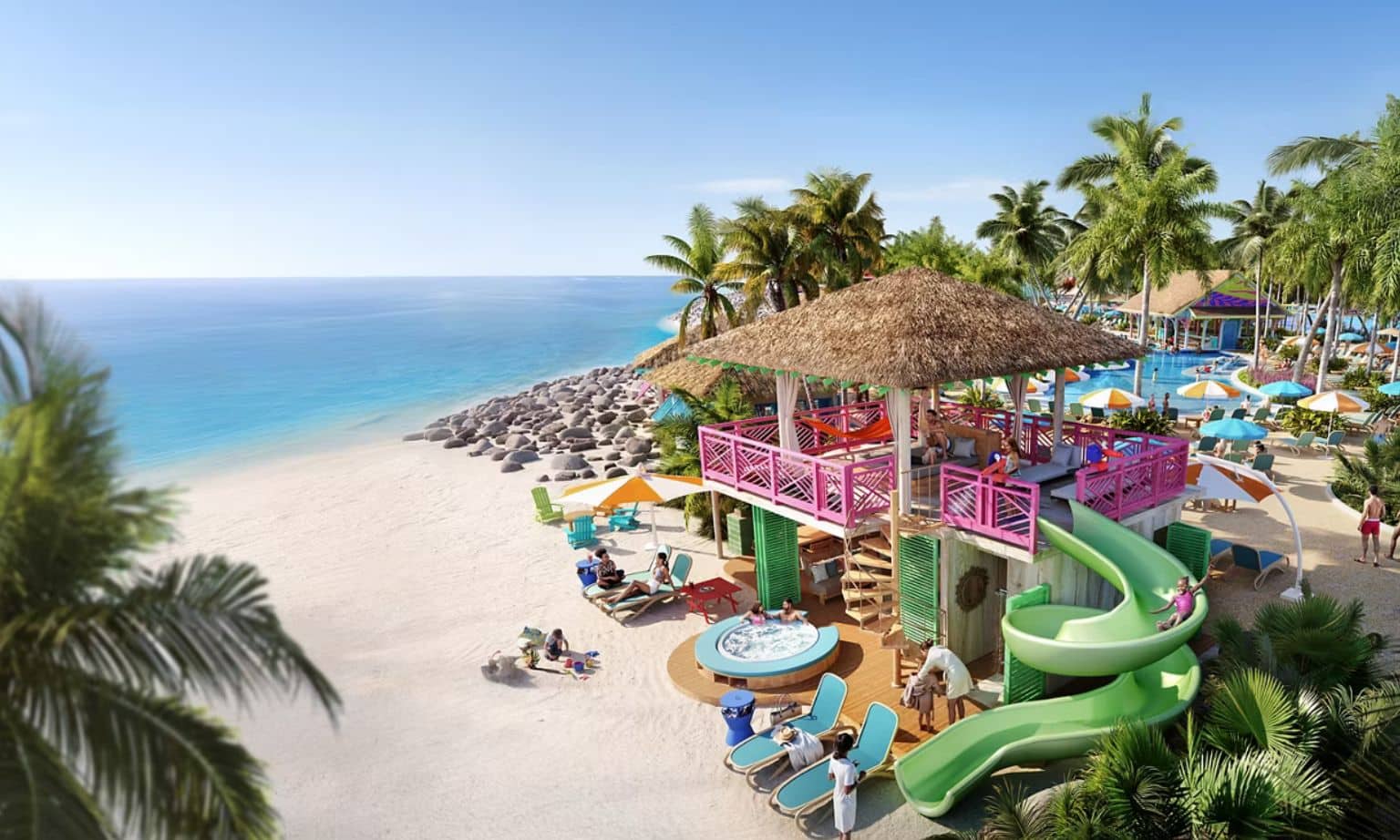
For Australian travelers, the inclusion of Lelepa is a significant development, as it will be a permanent fixture in Royal Caribbean’s 2027-28 summer lineup, integrated directly into the holiday price. "Including Royal Beach Club Lelepa is a permanent part of our 2027-28 summer lineup," Smith confirmed. "Every South Pacific getaway starting from Sydney and Brisbane includes this experience in the holiday price." This commitment signals that Royal Caribbean views Lelepa not as a speculative venture but as a foundational element of its long-term regional strategy.
Implications for the Future of Cruise Itineraries
The strategic deployment of Royal Beach Club Lelepa raises a broader question about the future of cruise itineraries. As more cruise lines invest in developing exclusive private destinations, the traditional model of island-hopping across multiple independent ports may evolve. While Smith acknowledges the enduring appeal of classic cruising, he recognizes that exclusive destinations represent a significant advancement in the holiday offering.
"Every Royal Caribbean holiday offers something unique for our adventurers," he stated. "Exclusive destinations like Royal Beach Club Lelepa are a bold evolution of the holiday experience in addition to our fan-favourite adventures through New Zealand and the East Coast of Australia." This perspective suggests that the goal is not to replace established itinerary structures but to enhance them, granting cruise lines greater control over the guest experience while still providing a diverse range of holiday options.
The development of Lelepa is indicative of a global trend within the cruise industry. Royal Caribbean is actively expanding its portfolio of private destinations worldwide. Perfect Day Mexico is slated for launch in 2027, joining an already impressive roster that includes Perfect Day at CocoCay in the Bahamas, the recently opened Royal Beach Club Paradise Island, and the forthcoming Royal Beach Club Cozumel, scheduled for 2026. Furthermore, the company continues to refine and segment its offerings through enhancements like the adults-only Hideaway Beach at CocoCay, demonstrating a commitment to catering to diverse passenger preferences. "Holidaymakers will be able to create their perfect vacation in more ways than one," Smith commented.
For Australian cruisers, Lelepa represents a pioneering concept: a purpose-built destination meticulously designed by Royal Caribbean, located within their geographical sphere of travel. Should this venture prove successful, it has the potential to fundamentally reshape expectations for South Pacific cruising, setting new standards for integrated cruise and destination experiences. The success of Lelepa could inspire similar developments in the region, further solidifying the trend of cruise lines investing in exclusive access to prime locations.
A Deeper Dive into the Development and its Context
The genesis of Royal Beach Club Lelepa can be traced back to Royal Caribbean’s strategic imperative to differentiate its offerings in a competitive market. Recognizing the growing demand for unique and immersive travel experiences, the cruise line has invested heavily in developing private destinations that offer a controlled yet exceptional environment for its guests. This strategy allows Royal Caribbean to mitigate some of the variables associated with traditional port calls, such as potential disruptions, crowd management issues, and variable service quality, thereby ensuring a consistent and premium experience.
The choice of Vanuatu as the location for this ambitious project is also strategic. Vanuatu, an archipelago nation in the South Pacific, offers stunning natural beauty, rich cultural heritage, and a relatively underdeveloped tourism infrastructure compared to some of its more established neighbors. This presents an opportunity for Royal Caribbean to create a destination that is both exclusive and integrated with the local environment and community, potentially fostering economic growth and sustainable tourism practices. The company has indicated a commitment to working closely with the Ni-Vanuatu people, integrating local culture and employment opportunities into the fabric of the Royal Beach Club.
The timeline for such a project is invariably long and complex. Discussions and planning for Lelepa would have begun years prior to the official announcement, involving extensive environmental impact assessments, land acquisition and lease agreements, infrastructure development planning, and consultation with local authorities and communities. The development phase itself is a significant undertaking, requiring substantial capital investment and logistical coordination to construct the necessary facilities, from arrival terminals and beach areas to dining venues and recreational activities, all while minimizing environmental disruption.

The "Perfect Day" brand, launched with CocoCay in 2018, has been a critical success factor for Royal Caribbean. CocoCay, a private island in the Bahamas, was transformed into a destination featuring a massive water park, a helium balloon ride, and various dining and relaxation zones. It has been credited with significantly boosting cruise bookings and enhancing customer satisfaction. Lelepa is intended to replicate this success in a new geographical context, tailored to the unique appeal of the South Pacific.
Analyzing the Competitive Landscape and Market Impact
Royal Caribbean’s move into the South Pacific with a private destination is a direct response to the evolving preferences of modern travelers. Increasingly, passengers seek more than just a voyage; they desire a comprehensive holiday experience that offers both adventure and relaxation. By offering a controlled environment with premium amenities, Royal Caribbean aims to capture a larger share of the vacation market, including those who might typically opt for resort-based holidays.
The implications for other cruise lines operating in the South Pacific are substantial. The success of Royal Beach Club Lelepa could prompt competitors to explore similar investments in private or exclusive island destinations in the region. This could lead to a broader enhancement of the overall cruise product in the South Pacific, with potential benefits for local economies and tourism infrastructure. However, it also raises questions about market saturation and the equitable distribution of tourism benefits.
Furthermore, the inclusion of Lelepa as a standard feature in itineraries, rather than an optional excursion, suggests a fundamental shift in how cruise vacations are packaged and priced. This integrated approach simplifies the booking process for consumers and provides a clear value proposition, potentially making South Pacific cruises more attractive and competitive against other popular holiday destinations. The starting price point of $125 per day, which includes access to Lelepa, positions the offering as a compelling value for money proposition, especially when considering the breadth of activities and amenities typically associated with private island experiences.
The operational challenges of managing such a large-scale destination are significant. Ensuring seamless logistics, from guest disembarkation and transportation to waste management and environmental protection, requires meticulous planning and execution. Royal Caribbean’s experience with CocoCay will undoubtedly inform its approach to Lelepa, drawing on lessons learned to optimize operations and enhance the guest experience.
In conclusion, the launch of Royal Beach Club Lelepa marks a pivotal moment for Royal Caribbean and the South Pacific cruise industry. It represents a bold strategy to enhance the cruise product, cater to evolving traveler demands, and solidify its position as a market leader. The success of this venture could pave the way for a new era of destination-focused cruising, where exclusive private islands become integral components of the cruise vacation experience. The coming years will reveal the full impact of this significant investment, but the initial indications suggest that Lelepa is poised to become a defining feature of South Pacific travel.



 Anjar Salim
 Tatiana Tantri Indah Sari
 Budi Mulyono
 Lukman Taruna Persada Ramadan
