
 Cholid Fahmi Thalib
The pursuit of authentic culinary experiences is a cornerstone of modern travel, transforming a simple vacation into a deeply immersive cultural journey. discerning travelers understand that the true heart of a city’s gastronomic identity often lies not in Michelin-starred establishments or tourist traps, but in the understated rhythms of local life. These are the places where quality is a given, not a marketing ploy, and where the food tells a story that resonates long after the last bite. For those venturing into new territories, particularly to vibrant metropolises like Sydney, strategic planning, especially concerning transportation, can be the key to unlocking these hidden culinary treasures. Securing a rental car from Sydney Airport, for instance, provides the essential freedom to explore beyond the immediate urban core, enabling seamless transitions between diverse neighborhoods and regional pockets known for their distinct culinary offerings. This flexibility allows travelers to capitalize on daylight hours, adapt to varying kitchen closing times, and ultimately, craft a more rewarding and efficient food exploration itinerary.
Strategic Neighborhood Selection for Culinary Depth
Effective culinary exploration hinges on identifying and prioritizing cities that boast well-defined and accessible food-centric neighborhoods. The ideal urban landscape for a foodie traveler is one where distinct districts are characterized by a high density of local establishments, fostering an environment where one can easily traverse multiple culinary points of interest on foot. These areas typically feature vibrant markets, artisanal bakeries, and inviting cafés that cater to the daily routines of residents, starting early in the morning and maintaining a lively atmosphere through lunchtime. The ability to cover a significant number of diverse food venues within a single walking radius not only maximizes the variety of tastes experienced but also minimizes time lost to transit.
A pragmatic approach involves structuring the day to focus on two distinct food neighborhoods, with a deliberate and restorative break in the afternoon. This mid-day pause is crucial for both physical and sensory recuperation, offering opportunities for a leisurely stroll through a park, a visit to a local museum, or simply a moment of quiet relaxation back at accommodation. Such a break helps to prevent palate fatigue and reduces the likelihood of making hurried or compromised food choices when hunger inevitably returns.
Identifying neighborhoods that genuinely serve the local population, rather than primarily catering to transient tourists, is paramount. Indicators of such authenticity include the presence of everyday grocery stores, proximity to educational institutions, and restaurants that prominently display daily lunch specials on external boards. Furthermore, reliable public transportation networks and readily available parking options are essential, especially for those who plan to incorporate short driving excursions between meal destinations.
Several city pairings exemplify this philosophy, offering neighborhoods that consistently reward repeat visits and deep exploration. Tokyo, for instance, presents the compelling combination of Asakusa and Yanaka. These districts are ideal for experiencing early morning sweets, savoring traditional noodles, and enjoying tranquil coffee bars before the influx of larger crowds. In Mexico City, the vibrant neighborhoods of Roma and La Condesa offer a walkable tapestry of acclaimed taco vendors and celebrated bakeries, making them prime locations for an immersive culinary experience. Lisbon’s Campo de Ourique and Príncipe Real districts provide a rich blend of traditional markets, intimate wine bars, and unpretentious bistros. Bangkok’s Ari and Talat Phlu areas skillfully balance contemporary cafés with venerable family-run eateries, often situated conveniently near public transport stations. Both cities are particularly amenable to early starts, as their markets often commence operations swiftly and attract significant patronage before mid-morning.
Leveraging Airports for Regional Culinary Access
The most memorable meals are not always confined to the bustling centers of major cities. Often, exceptional regional cuisines thrive in areas beyond the immediate urban sprawl. Airports can serve as strategic gateways, significantly shortening the initial travel time to these culinary hotspots. A direct pickup arrangement upon arrival allows travelers to bypass congested public transport systems and proceed directly to smaller towns or villages renowned for their unique culinary traditions, often before even checking into their accommodation. This strategy is particularly effective when a region possesses strong, localized cooking styles that are not widely disseminated or easily replicated elsewhere.
Sydney provides an excellent case study for this approach. The region’s diverse culinary landscape extends far beyond the central business district, encompassing coastal suburbs, residential enclaves, and fertile inland valleys. From Sydney Airport, travelers can swiftly reach destinations like Cabramatta, celebrated for its authentic Vietnamese cuisine, or Marrickville, known for its burgeoning bakery scene and collection of intimate bars. Alternatively, an excursion towards the majestic Blue Mountains offers the opportunity to sample local artisanal pies, regional ciders, and fare from small, independent food producers.
To maintain a relaxed pace on the first day of arrival, it is advisable to limit driving distances to approximately ninety minutes each way from the chosen base. This ensures travelers arrive with ample energy, avoid late-night dining, and still have time for a brief exploratory walk. In instances where traffic congestion is anticipated, flexibility is key; switching to a nearby suburb for an impromptu meal can be a prudent alternative, reserving the longer drive for a subsequent day when conditions may be more favorable.
This airport-as-culinary-gateway concept is applicable in numerous locations globally where distinctive regional food traditions are situated within accessible proximity to major air travel hubs. In Spain, Barcelona can serve as a launching point for a visit to Girona, where its vibrant market lunches and exquisite pastry shops can be integrated seamlessly with cultural explorations. For South Africa, Cape Town offers access to the Winelands, presenting opportunities to pair rustic farm-to-table kitchens with wine tastings and roadside produce stands. In Canada, Vancouver provides a gateway to Richmond, a hub for exceptional Cantonese cuisine and dessert shops that remain active well into the evening. New Orleans, renowned for its distinct culinary heritage, allows easy access to smokehouses and seafood shacks located beyond the downtown core, often featuring more convenient parking and shorter queues. In each of these scenarios, a rental vehicle empowers travelers to prioritize local opening hours and culinary destinations over rigid hotel addresses, thereby optimizing their pursuit of exceptional food experiences.
Incorporating Real-Time Buffers for Seamless Culinary Journeys
A common pitfall in planning food-centric travel is the tendency to overschedule, where a single unforeseen delay can cascade into a disruption of the entire day’s itinerary. A more effective strategy involves designating one primary "must-eat" destination for each day, while simultaneously identifying two to three alternative nearby options that offer flexibility and open table availability. This contingency planning ensures that a delayed train, unexpected traffic, or an unforeseen closure does not jeopardize the most anticipated culinary experiences.
Before committing to a dinner reservation, it is crucial to ascertain the kitchen’s "last order time" rather than relying solely on the published closing hour. Many restaurants, particularly on weeknights and especially during local events or public holidays, cease accepting new orders well in advance of their official closing time. Similarly, market hours require careful verification; popular stalls can frequently sell out of their signature items well before noon, especially on Saturdays.
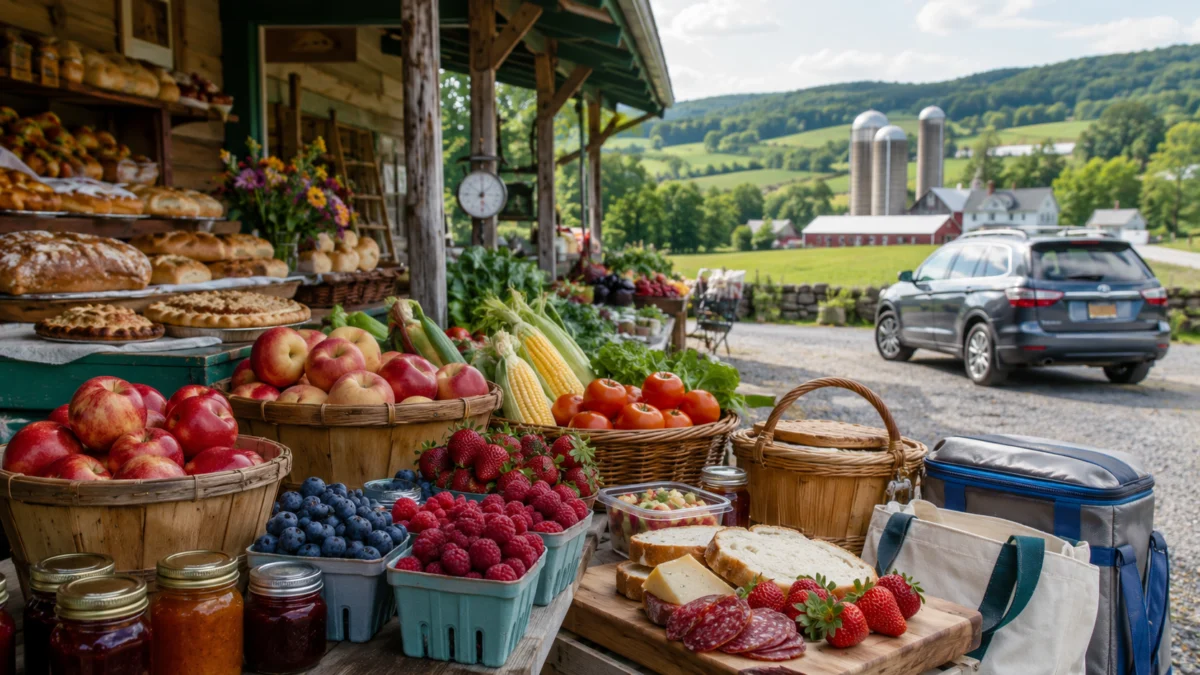
To enhance the practicality of extended eating days without adding significant bulk to luggage, a few essential items can prove invaluable. This includes carrying wet wipes for impromptu clean-ups, a reusable water bottle to stay hydrated, and a small cooler bag for transporting delicate purchases like artisanal cheeses or pastries. Essential electronics, such as a portable charger, and a supply of small cash denominations are also prudent, as reliance on digital maps and payment systems can falter at inopportune moments.
For those who plan to drive between culinary destinations, adhering to a concise safety checklist can contribute to a more relaxed and secure experience. Prioritizing a single, convenient parking spot near the initial destination and then walking between subsequent nearby locations for an hour or more is an efficient approach. Abstaining from alcohol consumption before driving is a non-negotiable safety measure. In situations where alcohol is part of a tasting experience, opting for takeaway options rather than on-site consumption can ensure legal compliance and maintain focus on the road.
Embracing Diverse Food Formats for Enhanced Learning
The most enduring culinary memories are often forged through a diverse array of dining formats, rather than a relentless pursuit of renowned restaurants every evening. Each type of establishment offers a unique lens through which to understand a culture’s relationship with food. Markets, for example, provide invaluable insights into local ingredients and their seasonality. Cafés reveal the daily rhythms and social customs of residents. Bars offer a glimpse into local social dynamics and beverage pairings. While fine dining can indeed illuminate culinary techniques, its value is maximized when it aligns with an individual’s appreciation for pacing and expense.
A balanced daily itinerary should incorporate at least one casual, quick-service stop that is frequented by locals without requiring advance planning. Establishments with concise menus often signal a focused approach to sourcing and preparation, which can translate to consistently high quality and efficient service. Trying a single signature dish twice within the same city, perhaps at different establishments, can provide a fascinating comparative study, highlighting variations in technique and ingredient interpretation among different cooks and kitchens.
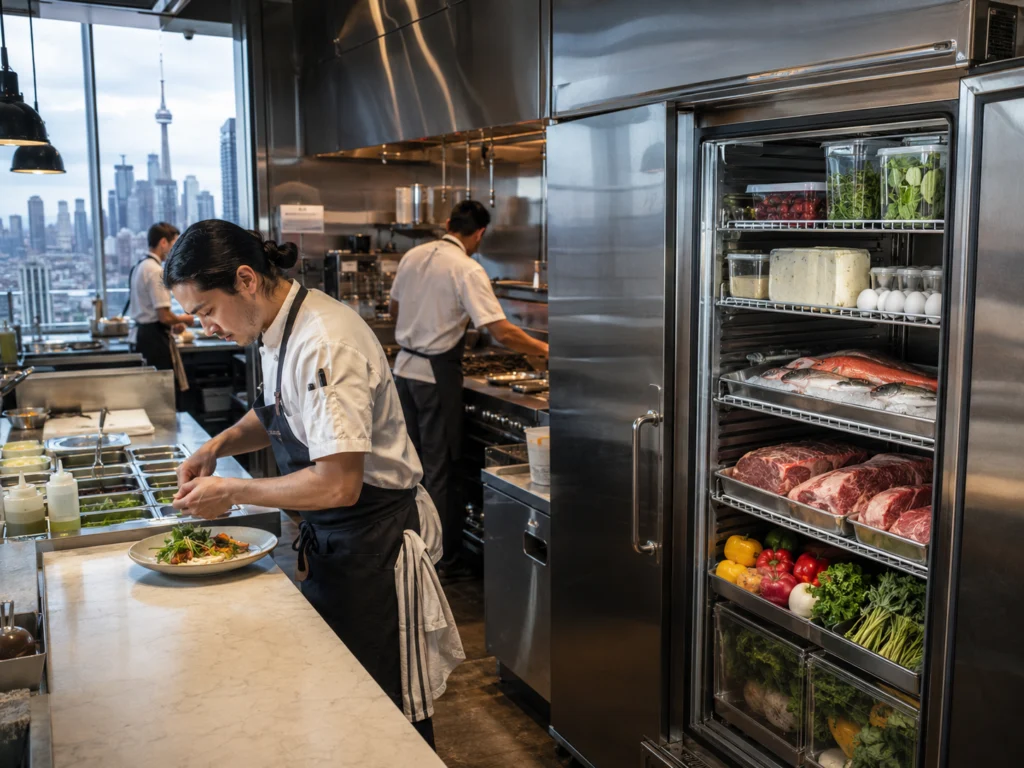
Strategic seating choices can significantly influence the dining experience and inform subsequent ordering decisions. Sitting at a counter, for instance, offers a direct view of the culinary team’s hands, tools, and precise timing, fostering a deeper understanding that can lead to more informed ordering choices later. Opting for an outdoor table encourages a slower pace, allowing for observation of how local patrons pair beverages with small plates and engage in conversation.
Post-meal reflection is a critical component of culinary learning. While the flavors and impressions are still fresh, jotting down three brief notes can create a lasting record. These notes could include the dish’s name, a specific flavor or texture detail that stood out, and a practical tip or observation that could be replicated in one’s own cooking. Capturing a photograph of the menu can also be a useful tool, serving as a visual reference for recalling dishes without the need for extensive digital searching later.
Cultivating a Personalized Culinary Map Through Consistent Practice
The foundation of a successful culinary exploration can be established upon arrival by starting with a visit to a local market. This initial experience serves as an introduction to the region’s core ingredients. Following this, identifying and experiencing one signature dish that is emblematic of the city or region provides insight into local techniques and service styles. Subsequent culinary discoveries can then be curated by exploring simple, accessible eateries located in proximity to planned walking routes for the day, thereby maximizing efficiency and minimizing logistical challenges.
Maintaining a consistent routine while traveling is essential for preventing culinary fatigue and avoiding suboptimal food choices. Regular hydration, prioritizing vegetable intake at lunch, and seizing opportunities to purchase fresh fruit from roadside produce stalls contribute to sustained well-being. When feeling overly full, the simple act of sharing a dish with a companion can preserve appetite for future culinary encounters.
Structuring the travel plan around neighborhood clusters, incorporating generous time buffers between activities, and setting realistic daily driving objectives are key components of effective gastronomic travel. This methodical approach allows for enjoyable and enriching culinary experiences across diverse locations, mitigating stress and minimizing wasted travel time. Furthermore, it ensures a built-in system of backup options, providing flexibility to adapt to unexpected changes in weather, queue lengths, or personal energy levels, thereby guaranteeing a consistently positive food journey.


 Anjar Salim
 Dwi Wanna
 Budi Mulyono
 Lukman Taruna Persada Ramadan
 Chandra Hamzah
 Gabriela Annisa