Tatiana Tantri Indah Sari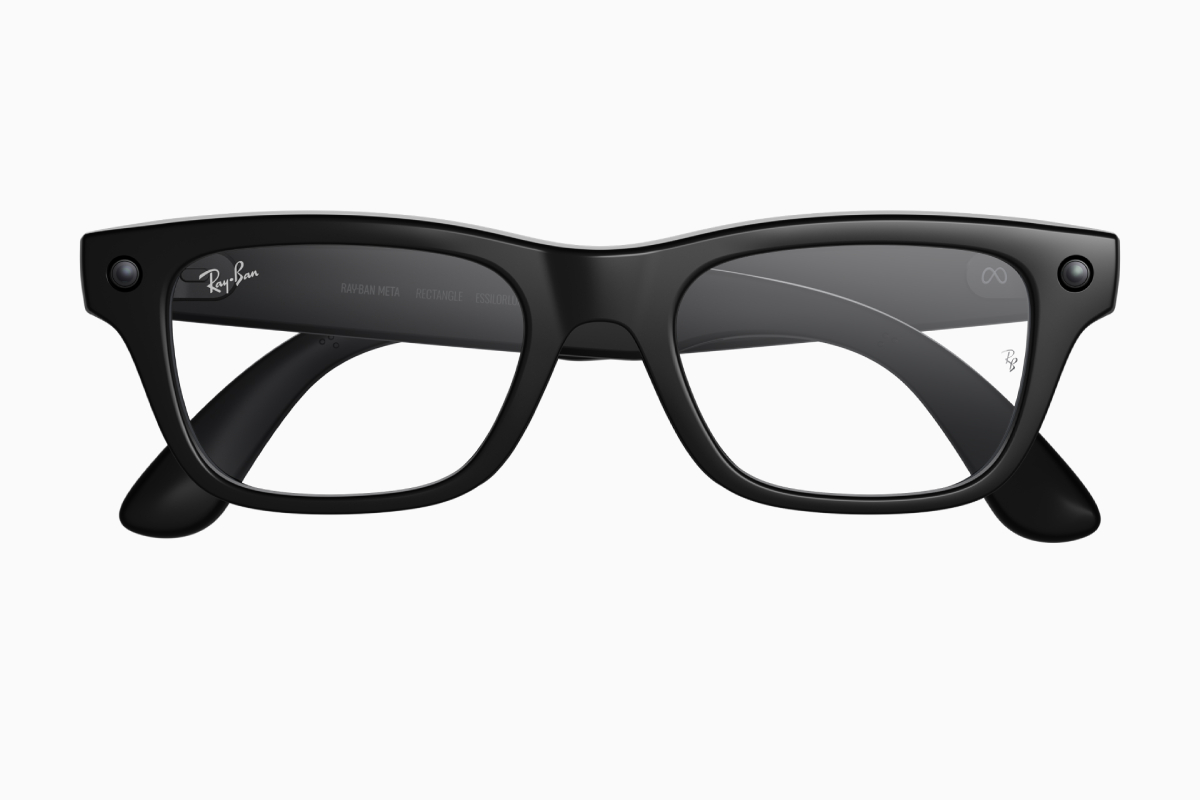
Meta Platforms, Inc., in collaboration with EssilorLuxottica, has introduced its latest iteration of Ray-Ban smart glasses, now engineered specifically for individuals requiring corrective lenses. This strategic product launch marks a pivotal moment, extending the accessibility of hands-free, AI-powered communication and utility to a vast and previously underserved segment of the global population: the estimated 4.2 billion people worldwide who wear prescription glasses. The move significantly broadens the market for integrated smart eyewear, particularly within the international travel sector, by offering seamless, real-time language interpretation without the need for smartphones or earbuds.
The announcement builds upon a product line that has already demonstrated considerable market traction, reportedly surpassing 7 million units in sales since their market introduction. By targeting the majority of individuals who rely on corrective lenses, Meta aims to transform smart glasses from niche early-adopter technology into a mainstream, everyday accessory. This evolution means that travelers, for instance, can now experience real-time translations in six supported languages, including initial on-device processing for English, French, and Italian, facilitating spontaneous and unhindered communication across linguistic barriers. The on-device processing capability is particularly noteworthy as it reduces reliance on constant internet connectivity, enhancing utility in diverse travel scenarios.
The Strategic Expansion into Prescription Wear
The decision to integrate prescription capabilities into the Ray-Ban smart glasses lineup is not merely a technical upgrade; it represents a profound strategic pivot by Meta. For years, the smart glasses market has grappled with the challenge of widespread adoption, often limited by bulky designs, high costs, and the fundamental exclusion of prescription wearers. By partnering with EssilorLuxottica, the global leader in eyewear, Meta has leveraged unparalleled expertise in lens manufacturing and frame design, allowing the new smart glasses to maintain the iconic aesthetic and comfort of traditional Ray-Ban frames while incorporating advanced technology.
This expansion directly addresses a critical barrier to entry for a significant portion of the adult population. According to data from The Vision Council, approximately 75% of adults worldwide use some form of vision correction, with nearly 64% wearing eyeglasses. By making their smart glasses available with prescription lenses, Meta is effectively opening its ecosystem to billions of potential users who previously could not fully engage with the technology without cumbersome workarounds, such as wearing smart glasses over their existing corrective eyewear. This move positions Meta’s smart glasses not as an additional gadget, but as an integrated, essential component of daily life for a vast demographic.
A Timeline of Meta’s Smart Glass Journey
Meta’s foray into smart glasses is part of a broader, long-term vision articulated by CEO Mark Zuckerberg regarding the metaverse and augmented reality. The company views smart glasses as a crucial gateway to a future where digital and physical realities seamlessly merge.
- September 2021: Meta (then Facebook) launched its first-generation Ray-Ban Stories smart glasses. These initial glasses focused primarily on capturing photos and videos, listening to audio, and making calls, integrating discreet cameras, microphones, and speakers into stylish Ray-Ban frames. While a significant step, they lacked advanced AI capabilities and prescription integration. The launch was met with mixed reviews, praising the design but questioning the core utility for mainstream users.
- September 2023: Meta unveiled the second generation of Ray-Ban Meta Smart Glasses. This iteration brought substantial improvements, including enhanced camera quality, improved audio, longer battery life, and crucially, the introduction of Meta AI. This allowed users to interact with an AI assistant for information, control media, and perform basic tasks using voice commands, setting the stage for more complex AI functionalities. It was this generation that began to capture significant market interest, contributing to the reported sales figures.
- Early 2024 (Ongoing Development): Meta continued to roll out updates to its Meta AI assistant, expanding its capabilities and language models. The underlying AI infrastructure, built on Meta’s large language models, became increasingly sophisticated, paving the way for advanced features like real-time translation.
- Recent Announcement (Tuesday): The latest announcement marks the integration of prescription lens compatibility and the enhanced real-time language interpretation feature into the existing Ray-Ban Meta Smart Glasses platform. This particular update signifies a major leap in utility and accessibility.
This chronological development showcases Meta’s iterative approach, starting with basic functionalities and gradually adding more sophisticated AI and user-centric features, culminating in the current offering that addresses a major market gap.
The Power of AI Translation in Your Field of Vision
The real-time language interpreter feature is arguably the most compelling aspect of this latest release, especially for the travel industry. For globetrotters, business travelers, and international students alike, language barriers have long been a significant source of friction, requiring reliance on translation apps on smartphones, bulky dictionaries, or dedicated translator devices. Meta’s smart glasses aim to eliminate these inconveniences.
Imagine a traveler in a bustling foreign market, engaging with a local vendor. Instead of fumbling for a phone, the smart glasses discreetly process spoken words in one language and deliver a real-time translation directly into the wearer’s ear, while simultaneously enabling the wearer’s spoken responses to be translated for the local speaker. This hands-free, intuitive interaction fosters more natural and fluid conversations, enhancing cultural immersion and practical communication. The initial support for six languages, with English, French, and Italian benefiting from on-device processing, provides a robust starting point, with Meta expected to expand language support over time.
The underlying technology relies on advanced natural language processing (NLP) and machine learning models. When a user speaks or hears a foreign language, the glasses’ integrated microphones capture the audio. This audio is then sent to Meta’s AI (either on-device or via cloud processing, depending on the language and connectivity), which transcribes the speech, translates it, and converts it back into audio that is played through the glasses’ open-ear speakers. The open-ear design ensures that users can still hear their surroundings, crucial for safety and natural interaction, differentiating it from traditional earbuds that can isolate users.
Strategic Partnership with EssilorLuxottica
The success of the Ray-Ban Meta Smart Glasses is inextricably linked to the strategic partnership between Meta and EssilorLuxottica. This collaboration combines Meta’s cutting-edge AI and hardware development expertise with EssilorLuxottica’s unparalleled legacy in eyewear design, manufacturing, and global distribution. EssilorLuxottica, the parent company of iconic brands like Ray-Ban and Oakley, brings decades of experience in crafting comfortable, stylish, and durable eyewear, alongside a vast retail network that includes opticians and optical chains worldwide.
This partnership has been crucial in overcoming some of the aesthetic and practical challenges that plagued earlier smart glasses initiatives. Previous attempts, such as Google Glass, often faced criticism for their conspicuous design, which alienated many potential users. By leveraging the timeless appeal of Ray-Ban designs, Meta’s smart glasses blend seamlessly into everyday fashion, making them far more palatable to a mainstream audience. The integration of prescription lenses further solidifies this blend of technology and fashion, making the smart glasses a direct replacement for conventional eyewear rather than an additional accessory. This synergy ensures that the product is not just technologically advanced but also aesthetically desirable and functionally indispensable for a broad user base.
Broader Market Context: Wearables and AI Landscape
Meta’s move into prescription smart glasses comes at a dynamic time for both the wearables and AI industries. The global smart glasses market is projected to grow significantly, driven by advancements in augmented reality (AR), AI, and consumer demand for more integrated technology. Reports from market research firms often predict compound annual growth rates (CAGRs) exceeding 20% for the smart eyewear segment in the coming years.
The competitive landscape is also evolving rapidly. While Meta’s approach focuses on a sleek, everyday form factor with discreet AI integration, other tech giants are pursuing different strategies. Apple, for instance, has launched its Vision Pro, a high-end "spatial computer" that emphasizes immersive mixed reality experiences but comes with a much higher price tag and a bulkier design, positioning it more as a productivity and entertainment device than an everyday fashion accessory. Companies like Amazon (with Echo Frames) and various startups are also exploring the smart eyewear space, but few have achieved Meta’s balance of brand recognition, design integration, and advanced AI features at a relatively accessible price point.
This latest development from Meta signals a clear intent to dominate the mainstream smart glasses market, focusing on practical, utility-driven features that enhance daily life without demanding a radical shift in user behavior or aesthetics. By making the glasses indistinguishable from regular eyewear, Meta aims to normalize the presence of AI in our field of vision and hearing.
Implications for Travel and Daily Life
The implications of widely adopted prescription smart glasses with real-time AI translation extend far beyond mere convenience. For travelers, it promises a more inclusive and less stressful experience. Navigating foreign cities, ordering food, understanding public transport announcements, or engaging in local customs become significantly easier. This could democratize international travel, making it more accessible to individuals who might otherwise be deterred by language barriers.
Beyond travel, the technology holds potential for:
- Business and Diplomacy: Facilitating international meetings, conferences, and negotiations without the need for dedicated human translators or clunky equipment.
- Education: Assisting language learners in real-world contexts or providing instantaneous translation for international students.
- Daily Communication: Helping individuals communicate with diverse populations within their own communities, fostering greater understanding and reducing social friction.
- Accessibility: Providing assistance for individuals with hearing impairments by potentially displaying captions of conversations, although this specific feature is not yet highlighted.
The seamless integration of AI into such a personal and constantly worn item like glasses represents a significant step towards a future where technology is ambient, intuitive, and truly assistive, fading into the background of our lives rather than demanding constant attention.
Challenges and Future Outlook
Despite the promising advancements, Meta’s smart glasses still face challenges. Privacy concerns, particularly regarding the discreet cameras and microphones, remain a recurring theme in public discourse about wearables. Meta has made efforts to address these by including clear indicator lights when recording and adhering to strict data privacy protocols, but user trust will be paramount for widespread adoption.
Battery life is another practical consideration, as sophisticated AI processing can be power-intensive. While Meta has improved battery performance with each generation, continuous usage of features like real-time translation will test these limits. Cost also remains a factor; while generally more accessible than high-end AR headsets, smart glasses are still a premium product.
Looking ahead, the evolution of Meta’s smart glasses will likely involve further integration of augmented reality capabilities, moving beyond audio and visual capture to overlay digital information onto the real world. This could include navigational cues, contextual information about objects or people, and interactive digital interfaces, bringing Meta closer to its full vision for the metaverse. As AI models become more compact and efficient, more processing could occur on-device, enhancing performance and privacy.
The introduction of prescription-compatible Ray-Ban Meta Smart Glasses with advanced AI translation capabilities represents a significant milestone in the journey towards ubiquitous, integrated smart technology. By making hands-free AI accessible to billions of prescription wearers, Meta is not just selling a product; it is laying the groundwork for a future where language barriers diminish, communication flows effortlessly, and technology seamlessly enhances our perception and interaction with the world around us. This move is poised to redefine how we travel, communicate, and experience daily life in an increasingly interconnected global society.




 Budi Mulyono
 Lukman Taruna Persada Ramadan
 Chandra Hamzah
 Gabriela Annisa