
 Dwi Wanna
Nineteen years after first experiencing its untouched charm, travel writer and blogger Nomadic Matt (Matthew Kepnes) returned to Ko Lipe, a Thai island that once represented the epitome of an off-the-beaten-path paradise. His initial visit in 2006 painted a picture of a remote destination where electricity was a luxury, beachfront bungalows cost mere dollars, and the concept of a "last boat for the season" held genuine weight. This starkly contrasts with the island’s current state, which Kepnes describes as a cautionary tale of unchecked tourism development, mirroring the trajectory of other popular Thai destinations like Ko Phi Phi.
A Nostalgic Return and a Disheartening Discovery
Kepnes’s decision to revisit Ko Lipe was driven by a confluence of factors. Having spent nearly a month on the island in his youth, the memories were deeply etched into his travel narrative. He had intentionally avoided a return for years, fearing that the reality of development would tarnish the idyllic image he held, a phenomenon he terms "chasing travel ghosts." The prospect of witnessing the island’s inevitable growth, a common narrative in Thailand’s tourism sector, also filled him with apprehension.
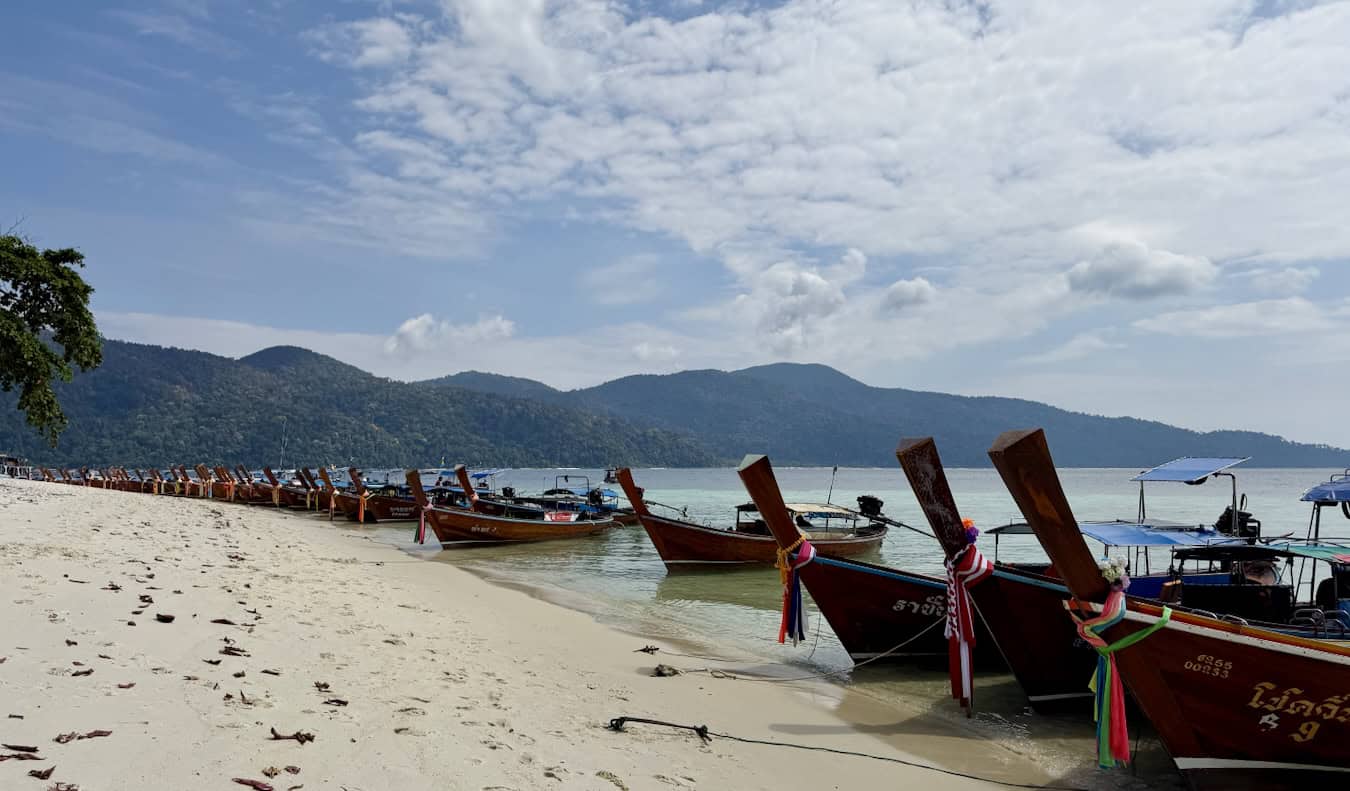
However, a recent Southeast Asian itinerary necessitated a passage through the region. As he was traveling down the Andaman coast towards Malaysia, Ko Lipe lay directly in his path. Furthermore, his desire for a lively New Year’s Eve celebration, coupled with the island’s strategic location and its direct boat service to Langkawi, Malaysia, made it a practical, albeit emotionally charged, choice. The hope was that the island, while developed, would still offer a vibrant atmosphere for the holiday.
Upon arrival, however, Kepnes’s worst fears were realized. He found that Ko Lipe had embraced a model of development that he characterizes as "extremely overdeveloped" and "unsustainably so." The once-familiar dirt footpaths had been replaced by concrete, accommodating vehicles and construction trucks. Swaths of palm trees, once defining the island’s natural beauty, had given way to high-end resorts complete with swimming pools, an ironic addition given the island’s limited natural freshwater supply. The relentless pace of construction for more resorts continues unabated.
Environmental Degradation and Socio-Economic Shifts
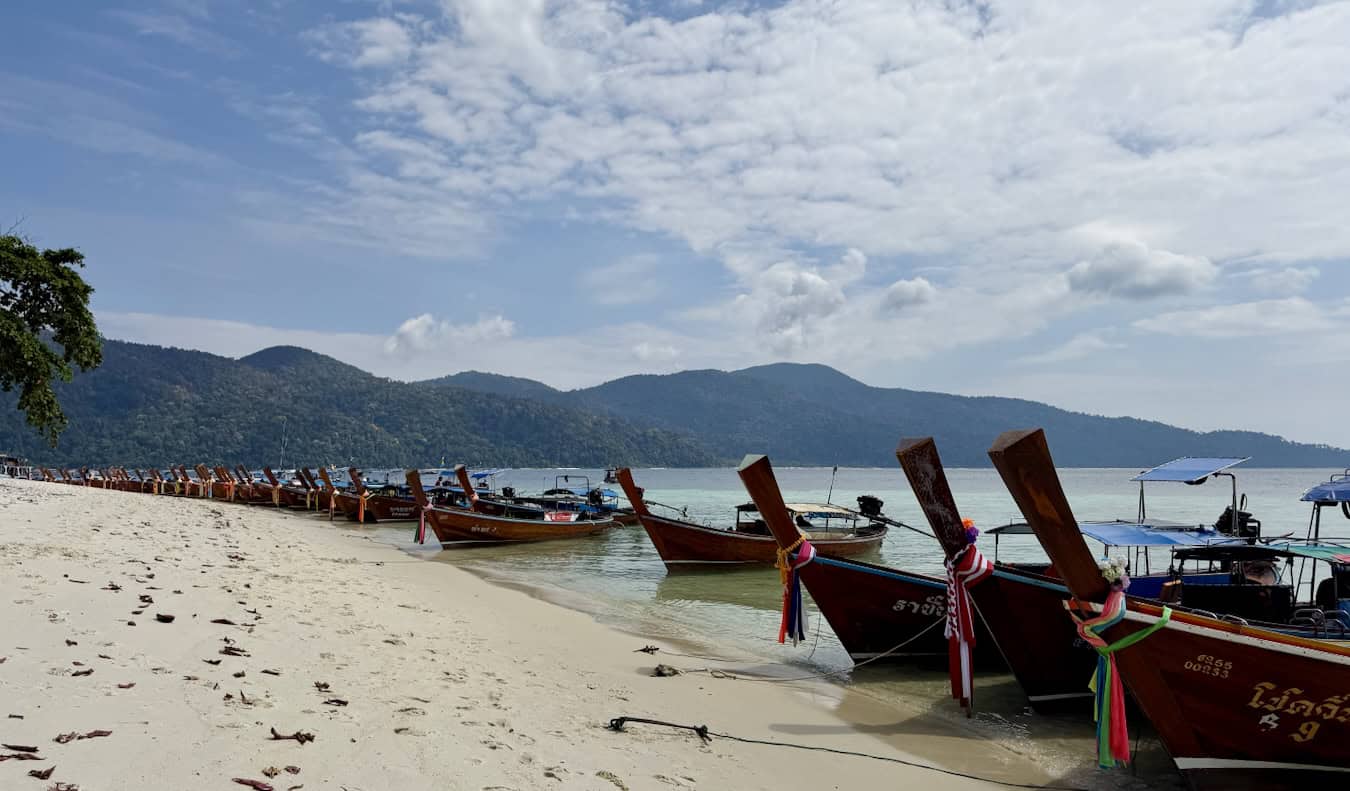
The environmental toll of this rapid development is significant and multifaceted. The coral reefs surrounding Ko Lipe are reportedly in decline, a direct consequence of increased boat traffic, anchor damage, pollution, and overfishing. Beaches, once pristine stretches of sand, are now frequently lined with longtail boats, their exhaust fumes creating a visible sheen on the water, impacting the marine ecosystem and the experience of swimmers. The culinary landscape has also shifted, with many restaurants now catering to Western palates with "bad Western food" rather than celebrating authentic Thai cuisine.
Beyond the environmental impact, the island’s economic transformation has led to social displacement. Many local residents have been compelled to sell their land to developers from the mainland, leading to a workforce increasingly composed of non-locals. This shift means that the benefits of the tourism boom are not being equitably distributed among the original inhabitants of the island, raising questions about sustainable and inclusive tourism practices.
The Paradox of Paradise: First-Time Visitors vs. Returning Travelers
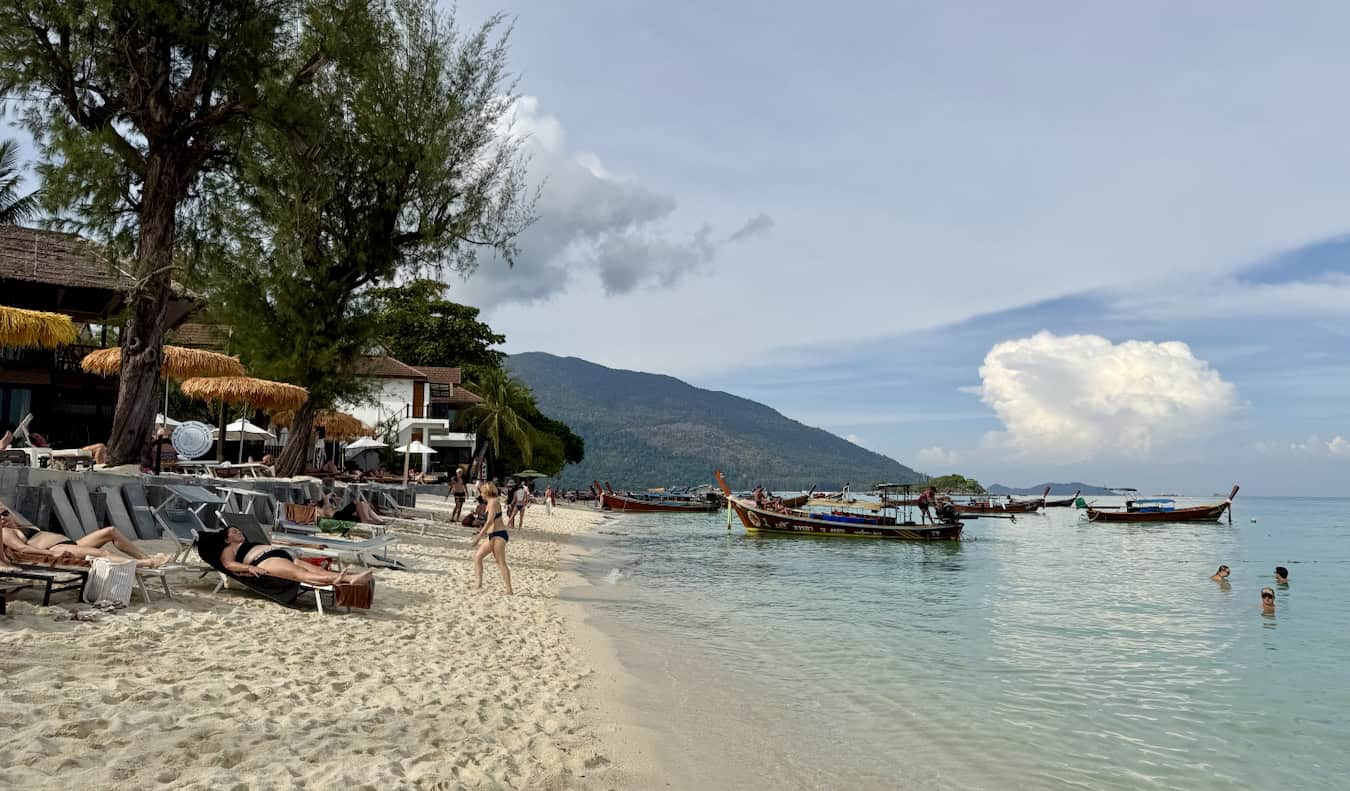
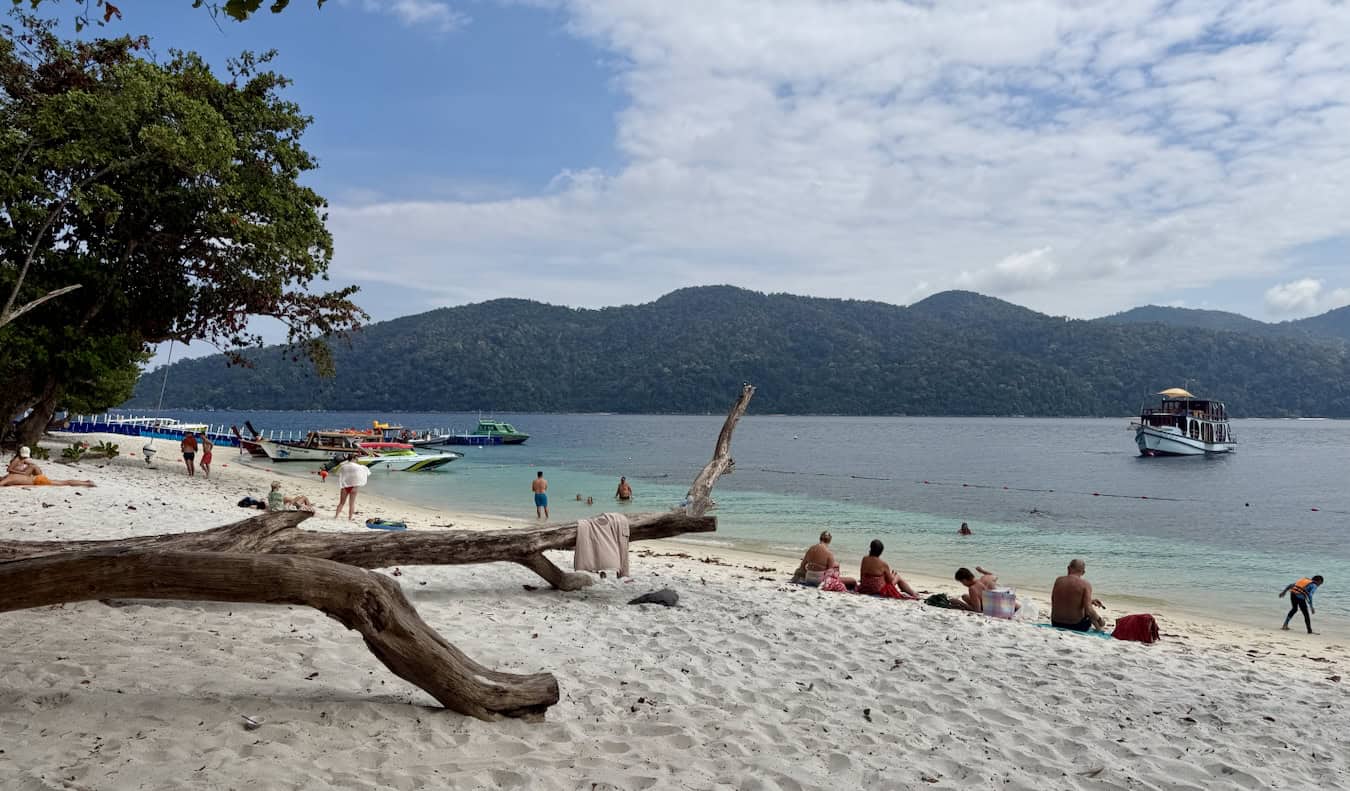
Kepnes acknowledges that for first-time visitors, Ko Lipe can still present a visually stunning experience. The island’s geographical setting, within a national park, offers access to secluded islands and postcard-perfect vistas. The azure waters and white sandy beaches remain, and in comparison to more heavily developed Thai islands like Ko Phi Phi, Krabi, or Phuket, Ko Lipe might still appear relatively untouched to a newcomer. The initial reaction of "wow!" from such visitors is understandable.
However, for those who knew the island in its earlier, more natural state, the transformation is a source of profound disappointment. The author posits that the current trajectory of Ko Lipe represents a failure in sustainable tourism management, a common pitfall observed across Thailand’s popular island destinations. The relentless "build, build, build" mentality prioritizes immediate economic gains over long-term environmental and social well-being.
A Call for Conscious Travel Choices
Kepnes’s critique extends beyond Ko Lipe, serving as a broader commentary on the global issue of overtourism. He argues that while growth is inevitable, the type of growth is critical. The current model, characterized by unsustainable resource exploitation and a disregard for ecological balance, is ultimately detrimental. He draws a parallel to the decline of elephant riding tourism in Thailand, which diminished as consumers became more aware and critical of the practice. Similarly, the rise of eco-lodges and the increased discussion around overtourism are driven by consumer consciousness.
The author’s conclusion is a stark one: Ko Lipe, in its current state, is a destination that travelers should avoid. He believes that visiting the island only exacerbates the existing problems and further strains its limited resources. He highlights alternative islands in the region, such as Ko Lanta, Ko Jum, and Ko Mook, which he suggests are better managed and offer a more sustainable travel experience.
Kepnes emphasizes that individual travel choices have a collective impact. By choosing to patronize destinations that prioritize responsible tourism and sustainable practices, travelers can influence the industry. While acknowledging the difficulty of reversing established development trends, he expresses a faint hope that increased awareness and conscious consumer behavior might, in the long term, prompt a change in how destinations like Ko Lipe are managed. At the very least, by opting not to visit, travelers can avoid contributing to the problem.
The author’s personal connection to Ko Lipe, where he forged significant friendships and experienced a transformative period in his life, makes this condemnation particularly poignant. His message is one of regret but also of responsibility, urging travelers to be mindful stewards of the places they visit. The phrase "enough is enough" serves as a powerful call to action, signifying a point where unchecked development must be recognized and resisted for the sake of preserving the planet’s precious natural and cultural heritage. The implication is clear: the choices made by tourists today will shape the destinations of tomorrow.




 Anjar Salim
 Chandra Hamzah
 Tatiana Tantri Indah Sari
 Budi Mulyono

