
 Dwi Wanna
Years ago, a prominent travel blog, Nomadic Matt, published an article titled "The Ultimate Guide to Traveling When You’re Broke." The subsequent online discourse, as observed by the author, revealed a persistent and disheartening undercurrent of cynicism and misinformation regarding travel. Despite the wealth of readily available resources detailing how to make travel affordable and accessible, a significant segment of the public continues to labor under the deeply ingrained belief that international exploration is an exclusive domain of the affluent, inherently unsafe, and ultimately unattainable for the average individual. This pervasive notion, often expressed as an insurmountable barrier – "I can’t. It’s impossible" – fosters a sense of resignation and discourages countless potential travelers from embarking on their own adventures. This article aims to systematically dismantle seven of the most prevalent and enduring myths that hinder people from experiencing the world, offering a counter-narrative grounded in practical advice and evidence.
Myth #1: Travel is Inherently Expensive
The notion that travel is an exorbitant undertaking, accessible only to those with substantial financial resources, is perhaps the most pervasive misconception. This belief is often a legacy of decades of sophisticated marketing campaigns that meticulously associated "vacations" with lavish resorts, exclusive tours, and opulent accommodations. The subtle yet persistent message conveyed was that a truly fulfilling travel experience necessitated a significant financial outlay. This ingrained perception has, for many, become synonymous with the very definition of travel.

However, the reality of modern travel presents a starkly different picture. While it is undeniable that travel incurs costs, the proposition that these costs are universally prohibitive is demonstrably false. The key to affordable travel lies not in possessing a trust fund or a high-paying profession, but in adopting a strategic approach to planning and resource management. As established travel experts consistently demonstrate, individuals can indeed explore the world without being independently wealthy. This requires a commitment to meticulous trip planning, a willingness to prioritize savings, and the adoption of creative strategies to minimize expenses.
The economic feasibility of travel is further underscored by the experiences of individuals who have successfully navigated the globe on significantly limited incomes. Accounts of people achieving their travel aspirations while earning minimum wage, though requiring greater sacrifice and extended saving periods, serve as powerful testaments to the accessibility of global exploration. Whether the goal is a fortnight abroad or an extended sojourn spanning years, financial limitations, while present, are not insurmountable barriers. The ability to travel on a budget is contingent upon resourcefulness, informed decision-making, and a clear understanding of how to reduce expenditure.
Myth #2: Travel Credit Cards Can Damage Credit Scores
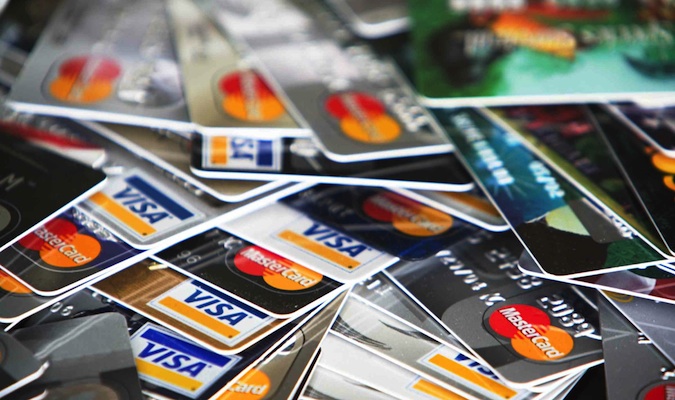
A common concern voiced by individuals considering leveraging financial tools for travel is the potential negative impact of travel credit cards on their credit scores. This apprehension often stems from a misunderstanding of how these cards function and the broader principles of credit management. The core concept behind travel credit cards is not to encourage excessive spending, but to optimize everyday purchases for rewards. By strategically utilizing these cards for regular expenses such as groceries, gasoline, and entertainment, consumers can accumulate points and miles that can be redeemed for flights and accommodations, effectively reducing the out-of-pocket cost of travel.

The perceived risk to credit scores is largely based on the temporary dip that can occur immediately after applying for a new card, due to the hard inquiry on one’s credit report. However, this effect is typically short-lived, with credit scores often recovering within two months, provided that the cardholder consistently makes timely payments. In the long term, responsible use of credit, including maintaining a low credit utilization ratio and making all payments on time, can actually enhance a credit score. The availability of a larger credit limit, when managed judiciously, can contribute positively to one’s overall credit profile.
The efficacy of travel credit cards in facilitating affordable travel is well-documented. Many experienced travelers report accumulating substantial benefits, including numerous free flights and hotel stays, through strategic card usage. This approach allows for a significant reduction in travel expenditures, thereby expanding the possibilities for budget-conscious exploration. The key lies in understanding that these cards are tools to be managed responsibly, not instruments of uncontrolled debt. As long as payments are made promptly each month, the benefits of accumulating rewards for travel far outweigh any minor, temporary fluctuations in credit scores.
Myth #3: Couchsurfing Poses Significant Safety Risks
The practice of Couchsurfing, a platform facilitating cultural exchange by connecting travelers with local hosts who offer free accommodation, is frequently met with apprehension regarding safety. The idea of staying in a stranger’s home, even if it’s just a couch, can trigger concerns about personal security. This perception, while understandable, often overlooks the robust safety mechanisms and community-driven trust inherent in such platforms.

Couchsurfing operates on a principle of shared economy and mutual respect, similar to other accommodation-sharing services like Airbnb. Hosts and guests create detailed profiles, and critically, both parties engage in a review system. This allows prospective users to assess the reliability, trustworthiness, and compatibility of potential hosts or guests by reading feedback from previous interactions. This transparent feedback loop serves as a powerful vetting tool, enabling individuals to make informed decisions about who they interact with.
Furthermore, the Couchsurfing community itself fosters a sense of shared responsibility. Many hosts are experienced travelers themselves, accustomed to the protocols of welcoming guests and ensuring a comfortable and safe environment. The platform offers diverse hosting arrangements, catering to various comfort levels. For those hesitant about overnight stays, Couchsurfing also facilitates connections for daytime activities, such as shared meals, museum visits, or simply exploring the city together. This allows individuals to benefit from the local insights and companionship offered by the community without committing to staying in a private residence.
The prevailing narrative of inherent danger in Couchsurfing often fails to acknowledge the reality of human interaction. While caution is always advised in any new social encounter, the vast majority of individuals participating in Couchsurfing are motivated by a genuine desire for cultural exchange, friendship, and hospitality. By employing common sense, diligently reviewing profiles and feedback, and trusting one’s intuition, travelers can safely and affordably leverage Couchsurfing to gain unique local experiences and forge meaningful connections. The fear of the unknown should not overshadow the potential for enriching human connections and cost-effective travel.
Myth #4: Hitchhiking is an Extremely Dangerous Endeavor
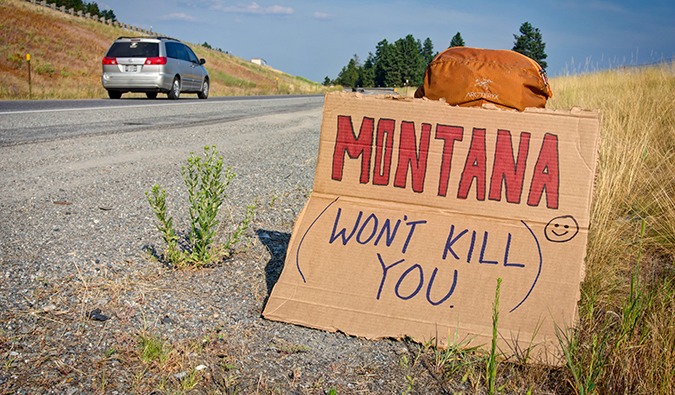
The act of hitchhiking, or thumbing for a ride, is often portrayed in popular culture and media as a perilous activity, fraught with extreme danger. This perception is largely rooted in historical narratives and sensationalized media coverage that have cultivated a deep-seated fear of the practice. While inherent risks exist in any form of travel, the blanket assertion that hitchhiking inevitably leads to harm is a gross oversimplification and often a misrepresentation of reality.
The negative stigma associated with hitchhiking can be traced back to mid-20th century campaigns, notably by the FBI in the United States, which sought to discourage the practice. These campaigns, often fueled by exaggerated claims and moral panics, propagated the idea that hitchhikers were inherently dangerous individuals. This narrative, coupled with a general media inclination to highlight negative and sensational stories, has embedded a lasting impression of danger in the public consciousness.
In reality, hitchhiking has been a viable and relatively safe mode of transportation in many parts of the world for decades. Numerous personal accounts from seasoned travelers attest to positive and enriching experiences while hitchhiking. Individuals have successfully navigated extensive journeys across continents, forming connections with a diverse range of people and gaining invaluable insights into local cultures. The success of these endeavors hinges on the same principles of common sense and situational awareness that apply to any travel scenario.

Responsible hitchhiking involves practical precautions such as noting license plate numbers, carrying a charged mobile phone for emergencies, and if possible, traveling with a companion. It also entails exercising judgment and discretion when selecting rides, with no obligation to accept any offer. By heeding one’s instincts and utilizing these basic safety measures, hitchhikers can significantly mitigate risks and engage in a mode of travel that is not only economical but also offers unique opportunities for spontaneous human interaction and cultural immersion. The fear of hitchhiking, while understandable given its portrayal, often deters individuals from exploring a potentially rewarding and affordable travel option.
Myth #5: Travel is Inherently More Dangerous for Women
The perception that international travel is significantly more perilous for women than for men is a persistent and often limiting belief. While it is true that women may encounter specific safety concerns and require heightened awareness, this does not equate to travel being an inherently unsafe activity for them. The disproportionate emphasis on negative incidents involving female travelers in media coverage has created a skewed perception of risk.
The "if it bleeds, it leads" journalistic approach has frequently amplified stories of danger faced by women abroad, inadvertently contributing to a narrative that portrays solo female travel as exceptionally risky and something to be avoided. This sensationalism often overshadows the vast majority of positive and safe travel experiences undertaken by women worldwide. The reality is that the statistical probability of encountering extreme danger, such as that depicted in fictional thrillers, is significantly lower than many everyday risks.
A crucial aspect of dispelling this myth lies in recognizing the influence of media and anecdotal evidence. Often, warnings against travel to specific destinations originate from individuals who have no firsthand experience or have relied on outdated or inaccurate information. The press, both local and international, can sometimes present a distorted view of a country’s safety conditions. Therefore, it is essential for travelers, particularly women, to seek out reliable and up-to-date information from trustworthy sources and experienced travelers. Researching destination-specific safety conditions and understanding local customs can significantly empower individuals.
Furthermore, the global landscape of travel is increasingly populated by accomplished and adventurous female travelers who are actively challenging these outdated notions. Many are venturing to remote and less-traveled destinations, sharing their experiences and demonstrating the viability of safe and empowering travel for women. These trailblazers provide invaluable inspiration and practical advice, showcasing that with proper preparation, awareness, and a healthy dose of confidence, women can explore the world with the same freedom and security as anyone else. The narrative that women must forgo travel due to inherent danger is a misconception that limits personal growth and exploration.
Myth #6: Budget Travel is Exclusive to the Young and Single
The assertion that budget travel is exclusively the domain of young, single individuals is another common misconception that overlooks the diverse realities of global exploration. While it is true that the stereotype of the young backpacker is prevalent, this does not preclude other demographics from engaging in affordable travel. Age and relationship status are not insurmountable barriers to experiencing the world on a budget.

It is acknowledged that as individuals mature, their preferences for comfort and luxury may evolve. Similarly, family travel inherently requires a different level of planning and resource allocation compared to solo journeys. However, these factors do not render budget travel impossible for older travelers or those with families. The fundamental principles of cost-effective travel – strategic planning, seeking deals, and making informed choices about accommodation and activities – remain universally applicable.
Numerous examples demonstrate that individuals of all ages and relationship statuses can travel affordably. This includes families exploring the globe with their children, seniors embarking on extended adventures, and couples discovering new destinations without breaking the bank. Whether it involves staying in hostels, utilizing budget-friendly guesthouses, or embracing more independent travel styles like RVing, the possibilities for economical exploration are abundant. The key is to adapt travel strategies to suit individual needs and preferences, rather than adhering to a rigid, age- or relationship-based definition of who can travel affordably. The desire to explore should not be constrained by demographic assumptions.
Myth #7: Opportunities to Work Overseas are Extremely Limited
The belief that securing employment abroad is an arduous and complex process, requiring extensive formal qualifications, interviews, and intricate visa procedures, often deters individuals from considering this avenue for funding their travels. While obtaining highly skilled or long-term employment overseas can indeed be challenging, the landscape of short-term and work-exchange opportunities for travelers is far more accessible than commonly perceived.

For those who are flexible in their approach to work and willing to consider a variety of roles, employment opportunities can be found in numerous locations worldwide. Many countries offer working holiday visas, particularly to younger travelers, allowing them to work legally for extended periods in destinations like Australia or New Zealand. Beyond these formal programs, a plethora of informal employment options exist. These can range from becoming an au pair, teaching English as a foreign language, or engaging in volunteer work that provides room and board in exchange for labor.
The priority for individuals seeking to fund their travels through work abroad is often the ability to sustain their journey, rather than achieving a high-paying or prestigious career. This mindset opens up a wide array of possibilities. Industries such as agriculture, education, hospitality, and tourism are frequently in need of seasonal or temporary staff, especially in areas experiencing high tourist influxes. While these positions may not offer substantial financial rewards, they provide the invaluable benefit of allowing individuals to immerse themselves in different cultures, gain practical experience, and continue their travels. The focus shifts from accumulating wealth to experiencing the world, with work serving as a means to facilitate that experience.
Conclusion: The Demise of Travel Myths
The persistent myths surrounding travel – that it is prohibitively expensive, inherently dangerous, or exclusive to a select few – are largely products of outdated perceptions and a lack of readily accessible, practical information. These ingrained beliefs, often perpetuated by media narratives and societal conditioning, create artificial barriers that prevent countless individuals from experiencing the profound personal growth and enrichment that travel offers.

The reality, as demonstrated by the experiences of millions of travelers, is that the world is far more accessible and navigable than these myths suggest. With diligent research, a willingness to embrace alternative approaches, and a commitment to practical planning, global exploration is within reach for a much broader spectrum of people than commonly believed. The digital age has democratized access to information, empowering individuals to debunk these long-standing misconceptions and chart their own paths to discovering new cultures, landscapes, and perspectives. The journey of dispelling these myths is not just about making travel more affordable; it’s about unlocking a world of opportunity and fostering a more interconnected and understanding global community.



 Susilo Edi Turonggo
 Walid Sujud Trenggono
 Cholid Fahmi Thalib
 Budi Mulyono
 Lukman Taruna Persada Ramadan
 Anjar Salim