
 Dwi Wanna
The allure of France, with its rich cultural tapestry, culinary delights, and iconic cityscapes, has long drawn visitors from around the globe. For many, a fleeting tourist visit ignites a deeper desire to experience the nation’s charm on a more sustained basis. This aspiration, however, often encounters a significant hurdle: the complexities of obtaining the appropriate long-term visa. While France does not currently offer a dedicated digital nomad visa, a growing number of individuals, particularly from countries with established visa agreements, are finding pathways to extended stays through various official channels. This article delves into the nuances of these options, offering a comprehensive overview for those contemplating a move to the Hexagon.
The initial spark of interest in France for many often begins with a quintessential tourist experience. For one traveler, a 2010 visit to Bordeaux, facilitated by friends met in Thailand, introduced them to the country’s celebrated food, wine, and people. This initial positive impression was amplified by a subsequent arrival in Paris, where the vibrant energy of the Champs-Élysées created a profound sense of belonging. This transformative experience led to repeated visits, including a period of living in Paris for several months in 2019, underscoring the city’s enduring appeal.
Motivations for Extended Stays
The decision to explore extended residency in France is often driven by a confluence of factors. For some, it represents an escape from the perceived limitations of their current environment. This can include a desire for a change in pace, a more affordable cost of living compared to major international hubs like New York City, or a need to break free from a creative or professional rut. The rapid evolution of industries, including the increasing impact of artificial intelligence on creative fields, can also prompt individuals to seek new horizons for career development and inspiration. France, with its established cultural infrastructure and appealing lifestyle, emerges as a compelling alternative for those seeking a significant life change.
Furthermore, France’s strategic location within Europe makes it an attractive base for further exploration of the continent. The opportunity to immerse oneself in the French language, a long-held personal goal for many, adds another layer of motivation. The prospect of starting a new creative project, such as writing a book, is often invigorated by a change of scenery, making France a fertile ground for such endeavors.
Navigating the French Visa Framework
The primary challenge for individuals seeking to reside in France for longer than the typical 90-day tourist allowance under the Schengen visa is understanding the available visa categories. France, unlike some other nations, does not currently offer a specific visa explicitly for digital nomads. This means that individuals relying on remote work income must navigate existing visa structures, which are primarily designed for students, entrepreneurs, talented professionals, or long-term visitors.
1. The Student Visa (Visa Long Séjour Étudiant)
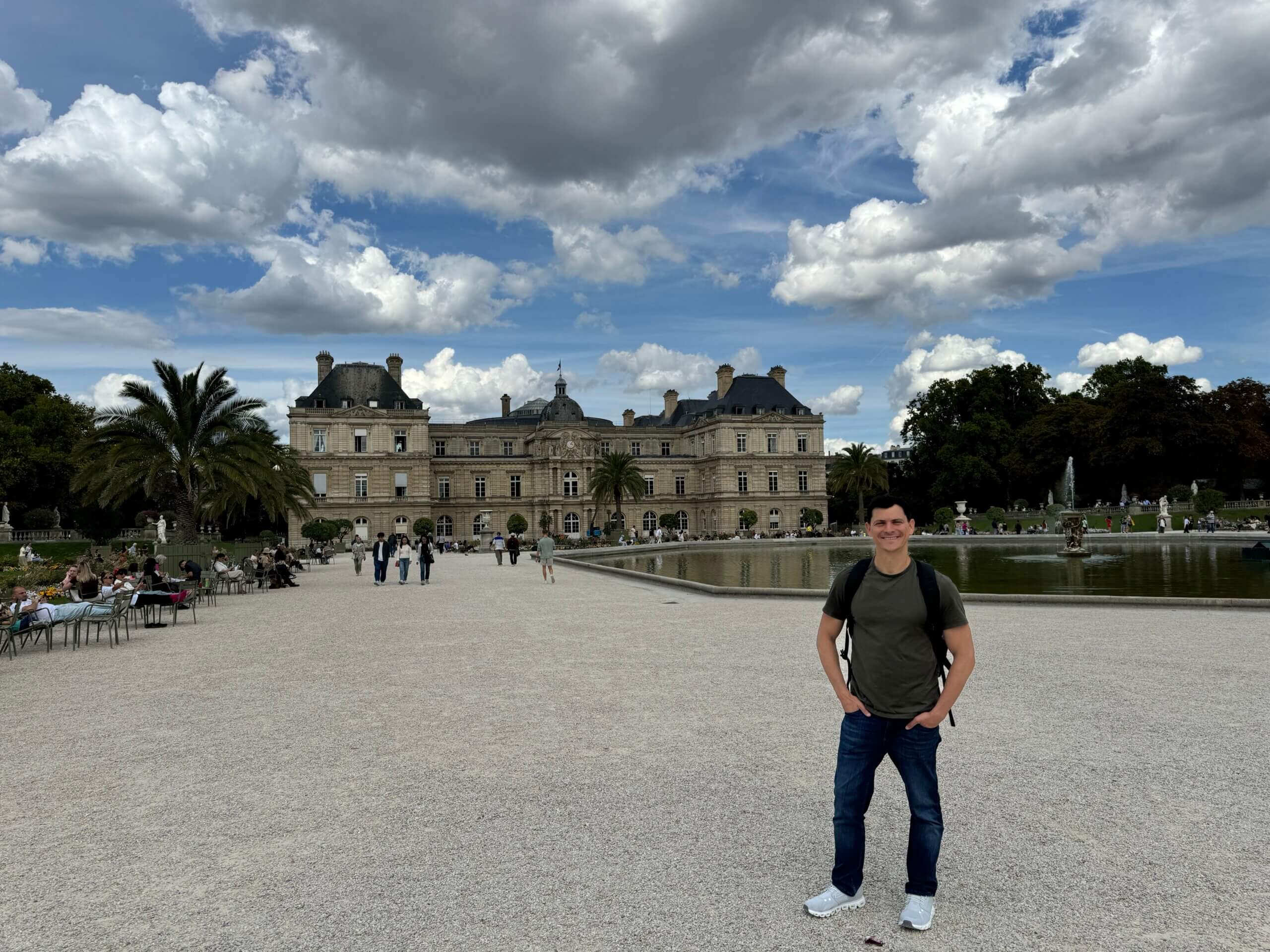
One of the more accessible routes for extended stays is the student visa. This visa is designed for individuals pursuing full-time enrollment in a recognized French educational institution. The application process requires proof of admission to a program and sufficient financial resources to cover living expenses, estimated by many sources to be around €600 per month. This visa category offers a significant advantage: holders are typically permitted to work part-time, providing a means to supplement their financial resources.
A crucial aspect of the student visa is its contingent nature; it remains valid as long as the holder is actively engaged in their studies. Should a student discontinue their program, the visa’s validity is compromised. However, upon completion of studies, there is a provision to transition to a "job seeker" visa, which can grant an additional six months, or potentially longer, in France, depending on the duration of the initial program. This pathway is particularly attractive for those looking to gain fluency in French through intensive language programs.
2. The Entrepreneur Visa (Visa de Vocation Entrepreneuriale / Passeport Talent)
For individuals with a robust business proposition, the entrepreneur visa, often falling under the broader "Passeport Talent" umbrella, presents another avenue. However, this route is characterized by a more demanding application process that can span several months. Prospective entrepreneurs must demonstrate a concrete plan to establish a business in France, including proof of profitability, existing clients (with at least one being French), and the capacity to generate sufficient income to support themselves at or above the French minimum wage.
The scrutiny applied to financial assets and business plans is rigorous. Applicants are required to formally register their business in France and commit to paying French taxes. This visa is geared towards individuals who intend to actively contribute to the French economy through entrepreneurial ventures.
3. The Talent Visa (Passeport Talent)
The "Passeport Talent" (Talent Passport) visa is designed for highly skilled individuals and experts in their respective fields. This category is suitable for academics, researchers, artists, and individuals with verifiable accreditations and accolades who intend to reside and work in France long-term. For those in the arts, this often involves demonstrating a tangible contribution to French culture. Similar to the entrepreneur visa, this category requires a demonstrable source of income and an intention to conduct physical business activities within France.
While these entrepreneurial and talent visas offer substantial benefits for those who qualify, the extensive documentation and approval timelines can be prohibitive for individuals uncertain about their long-term commitment to France.
4. The Long-Term Visitor Visa (VLS-TS Visiteur)

For many, the most practical and widely utilized option for an extended stay, particularly for those not pursuing formal employment or business creation within France, is the VLS-TS Visiteur, or long-term visitor visa. This visa permits stays of up to 12 months and is renewable within France. Crucially, it comes with significant restrictions: holders are not permitted to engage in any form of physical employment within France and are excluded from the French social welfare system.
This visa is frequently adopted by Americans, and a substantial proportion of retirees, who possess passive income or sufficient savings to support themselves independently. It facilitates essential administrative processes, such as opening a bank account, and can be renewed indefinitely, offering a pathway to long-term residency without the commitments of employment or entrepreneurship.
The core requirement for the VLS-TS Visiteur hinges on demonstrating self-sufficiency. French immigration authorities aim to ensure that visitors will not become a financial burden on the state. This necessitates a clear and convincing presentation of financial resources.
Addressing the "Work" Conundrum for Remote Professionals
A significant point of discussion and potential confusion surrounding the VLS-TS Visiteur relates to the definition of "work" in the context of remote employment. While the visa explicitly prohibits physical labor within France, many creators and digital nomads successfully obtain this visa by leveraging income derived from their online activities.
The French legal framework, as it stands, has not fully adapted to the nuances of remote work. While the French tax office has indicated that remote work could be considered taxable, official legislation codifying this remains nascent. Many individuals operating under the VLS-TS Visiteur find themselves in a "gray area." The visa application itself inquires about sources of income, and "income from work" is an accepted category. For instance, an individual who sustains themselves through blogging, affiliate marketing, or writing a novel remotely is often able to demonstrate this income.
The prevailing interpretation by French authorities often distinguishes between physically working in France (which could displace a local job) and conducting remote work from France. Therefore, activities such as running walking tours in Paris or working in a local café are prohibited. However, writing a blog, even one with affiliate links, or working on a book in a Parisian café, falls into a less clearly defined category.
For definitive legal guidance on this complex issue, consulting with an immigration lawyer specializing in Franco-American affairs is highly recommended. Experts like Daniel Tostado, a prominent American-French immigration lawyer in Paris, provide crucial insights into navigating these evolving regulations.
The Application Process for the VLS-TS Visiteur
The application procedure for the VLS-TS Visiteur is generally considered straightforward. The process begins online via the official France-Visas government portal, where applicants complete an application form. Following submission, applicants are directed to the TLScontact website, a third-party company that manages appointment scheduling. TLScontact then forwards the submitted documents to the relevant French consulate for adjudication.
The critical elements to be demonstrated in the application are:
- Accommodation: Proof of accommodation for the initial 90 days of the stay. This could include hotel bookings, rental agreements, or an invitation letter from a host.
- Financial Means: Robust evidence of sufficient income to cover living expenses throughout the intended stay. This is the most heavily scrutinized aspect.
While the standard requirements are clearly outlined, many applicants, like the individual whose experience is detailed here, choose to provide supplementary documentation to strengthen their case. This can include:
- Bank statements from the last three to six months, showcasing consistent income.
- A letter from their bank detailing their financial standing.
- Proof of passive income, such as rental income statements or investment portfolios.
- Tax returns from previous years, demonstrating a history of financial stability.
- A letter of employment from their remote employer, if applicable, detailing their role and remuneration.
- A comprehensive budget outlining expected monthly expenses in France.
While not all supplementary documents may be strictly required, providing a comprehensive portfolio of evidence can significantly bolster the application and alleviate concerns about potential denials, which are often attributed to insufficient income or inadequacies in accommodation proof.
Upon submission of the application and supporting documents at the TLScontact center, biometrics are collected, fees are paid, and the passport is sent to the embassy for processing. While the official processing time is up to 15 days, many applicants report receiving their visas within a week. The period of waiting for passport return can be a source of anxiety, as the approval is not confirmed until the document is received.
Post-Arrival Registration
Once the VLS-TS Visiteur is obtained and the traveler enters France, there is a mandatory registration process within 90 days. This involves obtaining a QR code with instructions and completing administrative steps to officially validate the long-term visa. This phase primarily involves further paperwork to integrate the holder into the French residency system. Once this registration is complete, individuals can reside in France, and by extension, the Schengen Area, for the duration of their visa’s validity.
Conclusion
Relocating to France for an extended period, while not as straightforward as obtaining a digital nomad visa, is an achievable goal for many individuals. By understanding the various visa categories – student, entrepreneur, talent, and the long-term visitor visa – and meticulously preparing the required documentation, aspiring residents can navigate the French immigration system. The VLS-TS Visiteur, in particular, offers a viable pathway for those who can demonstrate financial self-sufficiency and are comfortable with the restrictions on physical employment. As always, seeking professional legal counsel is paramount when navigating the intricacies of immigration law and ensuring full compliance with French regulations. France’s enduring appeal continues to draw global citizens, and with careful planning and informed decision-making, the dream of experiencing "la vie française" for an extended period can become a tangible reality.



 Anjar Salim
 Chandra Hamzah
 Tatiana Tantri Indah Sari
 Budi Mulyono
 Lukman Taruna Persada Ramadan
