
 Cholid Fahmi Thalib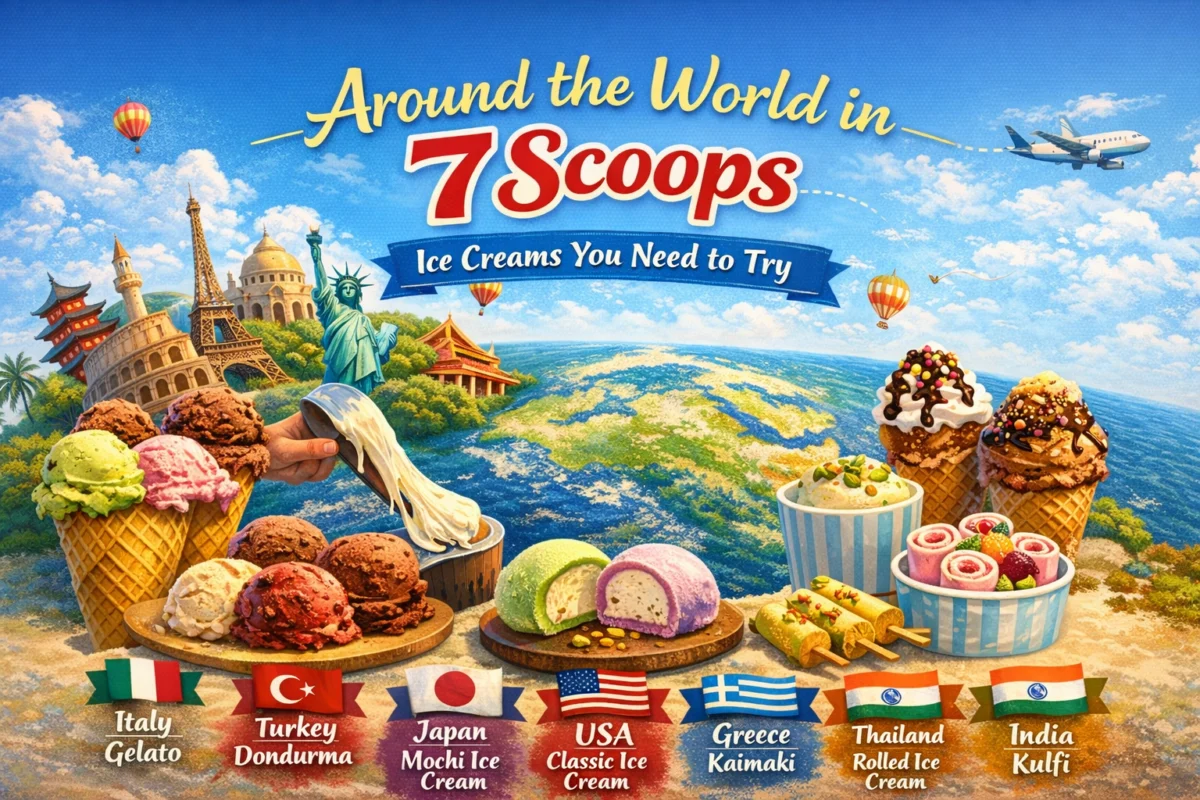
The universal appeal of ice cream transcends borders and cultures, offering a delightful sensory experience that has been refined and reimagined across the globe. While the classic vanilla scoop holds a special place in many hearts, a deeper exploration reveals a world of frozen confections, each a testament to local traditions, innovative techniques, and unique ingredient palettes. This article embarks on a culinary journey, uncovering seven distinct ice cream traditions from seven different countries, celebrating their origins, characteristics, and cultural significance.
The Art of Frozen Delights: A Worldwide Phenomenon
Ice cream, in its myriad forms, is more than just a dessert; it is a cultural artifact, a reflection of a region’s agricultural bounty, culinary ingenuity, and historical evolution. From the dense, milk-rich gelato of Italy to the chewy, elastic dondurma of Turkey, each variation tells a story of its origins. This exploration aims to highlight the diversity and artistry found in ice cream making worldwide, moving beyond familiar flavors to introduce readers to the extraordinary creations that define global frozen dessert landscapes. The development of ice cream itself can be traced back through centuries, with early precursors involving chilled fruit and sweetened snow appearing in ancient civilizations. However, the modern iteration, involving dairy and freezing techniques, gained prominence in Europe, eventually spreading and adapting to local tastes and resources.
Italy: The Refined Elegance of Gelato
Italy is synonymous with culinary excellence, and its contribution to the world of frozen desserts, gelato, is no exception. Gelato, derived from the Italian word for "frozen," distinguishes itself from conventional ice cream through a unique preparation process and ingredient composition. Typically, gelato contains a higher proportion of milk to cream and fewer egg yolks, resulting in a lower fat content compared to American-style ice cream. This fundamental difference, coupled with a slower churning speed, incorporates less air, leading to a denser, more intensely flavored product.
The serving temperature of gelato also plays a crucial role. Served slightly warmer than ice cream, it allows the complex flavor profiles – from the vibrant, nutty notes of pistachio and hazelnut to the rich depths of dark chocolate and the sweet simplicity of stracciatella – to be perceived more vividly on the palate. The texture is characteristically smoother and silkier, offering a luxurious mouthfeel. The origins of gelato are debated, with some attributing its development to Catherine de’ Medici in the 16th century, while others point to its evolution from earlier Italian frozen desserts. Regardless of its precise inception, gelato has become an integral part of Italian culture, with "gelaterias" serving as beloved community hubs. Statistics from the Italian dairy industry indicate that gelato production accounts for a significant portion of the country’s frozen dessert market, with exports growing as international appreciation for its quality expands.
Turkey: The Dramatic Allure of Dondurma
Turkey’s dondurma offers a theatrical and uniquely textured ice cream experience. Unlike most frozen desserts, dondurma is renowned for its remarkable elasticity and chewiness, a characteristic attributed to the inclusion of two key ingredients: salep and mastic. Salep is a flour derived from the tubers of certain orchid species, possessing natural thickening and binding properties. Mastic, a resin from the mastic tree native to the Greek island of Chios, also contributes to the unique texture and imparts a subtle, aromatic flavor.
The preparation of dondurma is as much a performance as it is a culinary art. Street vendors often employ long-handled paddles to vigorously stretch, knead, and fold the ice cream, creating a spectacle that captivates onlookers. This labor-intensive process, combined with the characteristic resistance of the dondurma, makes its consumption a deliberate and engaging affair. The traditional flavors often include a rich vanilla or a fragrant rose flavor, sometimes enhanced with pistachios or other nuts. Dondurma’s origins are deeply rooted in the Ottoman Empire, with historical accounts suggesting its presence in royal kitchens for centuries. It is more than just a dessert; it is a cultural symbol, representing Turkish hospitality and the joy of communal enjoyment. The economic impact of dondurma production, while localized, contributes to the livelihoods of farmers cultivating orchids and harvesting mastic.
Japan: The Delicate Charm of Mochi Ice Cream
Japanese cuisine is celebrated for its meticulous attention to detail and harmonious balance of textures and flavors. Mochi ice cream embodies these principles, presenting a delightful fusion of traditional Japanese confectionary and Western-style ice cream. Mochi, a traditional Japanese rice cake, is made from glutinous rice flour and is known for its soft, chewy, and slightly elastic texture. In mochi ice cream, a small scoop of ice cream is encased within a delicate, pliable shell of mochi.
The contrast between the cool, creamy interior and the soft, yielding exterior is a signature element of this treat. Common ice cream flavors are often complemented by traditional Japanese ingredients, such as matcha (powdered green tea), adzuki bean paste (anko), and yuzu. The presentation is typically small and aesthetically pleasing, reflecting Japan’s appreciation for visual artistry in food. Mochi ice cream first gained widespread international recognition in the late 20th century, though its roots can be traced to earlier experiments with combining mochi and ice cream in Japan. It has since become a global phenomenon, with many countries now producing their own versions. Industry analysts note the significant growth in the global market for mochi and mochi-inspired products, driven by consumer interest in novel textures and ethnic flavors.
United States: The Indulgent Spirit of Classic American Ice Cream
American ice cream is often characterized by its richness, creamy texture, and sheer variety. The high butterfat content, typically ranging from 10% to as much as 18% or more, contributes to its characteristic decadence. The inclusion of egg yolks in many recipes further enhances its custard-like consistency and mouthfeel. American ice cream culture is marked by a spirit of innovation and indulgence, with a vast array of flavors and mix-ins available.
From nostalgic roadside soft-serve stands offering simple swirls to artisanal creameries pushing the boundaries with inventive flavor combinations and high-quality, locally sourced ingredients, the American ice cream landscape is incredibly diverse. Popular choices range from timeless classics like chocolate, strawberry, and vanilla to elaborate creations loaded with cookie dough, brownie chunks, caramel swirls, and candied nuts. The history of ice cream in America dates back to the colonial era, with early presidents like George Washington and Thomas Jefferson known to have enjoyed it. However, its mass production and widespread availability surged in the 20th century with advancements in refrigeration and industrial processing. Today, the U.S. remains one of the world’s largest consumers of ice cream, with the industry generating billions of dollars annually, reflecting its status as a beloved comfort food and a symbol of American leisure.
Greece: The Aromatic Mystery of Kaimaki
Kaimaki is a unique Greek ice cream that stands apart due to its distinctive flavor profile, derived from a single, enigmatic ingredient: mastic. Mastic is a resin obtained from the mastic tree (Pistacia lentiscus), which primarily grows on the Greek island of Chios. This natural resin possesses a complex aroma and taste, often described as subtly floral, herbaceous, and slightly woody, offering a refreshing and sophisticated flavor that is unlike any other ice cream.
The texture of kaimaki is typically dense, smooth, and velvety, a result of the mastic’s natural emulsifying properties and the traditional preparation methods. It is often served plain, allowing the unique flavor of mastic to be the star, or sometimes garnished with crushed pistachios, which complement its aromatic notes. Kaimaki is not a modern trend; it is a deeply traditional dessert with roots stretching back centuries, reflecting the island of Chios’s historical importance as a center for mastic production and trade. Its enduring popularity speaks to its timeless appeal and its status as a culinary emblem of Greek heritage. The mastic industry, while niche, is a vital part of the economy of Chios, with kaimaki production forming a significant downstream application.
Thailand: The Dynamic Spectacle of Rolled Ice Cream
Thai rolled ice cream, also known as "ice cream rolls" or "stir-fried ice cream," offers an engaging and highly visual ice cream experience. Originating on the bustling street food scene of Bangkok, this dessert involves a live preparation process that is as entertaining as it is delicious. A base mixture of sweetened liquid cream is poured onto an ultra-cold metal plate, typically around -20 to -30 degrees Celsius.
As the liquid begins to freeze, fresh ingredients such as fruits, cookies, candies, or sauces are rapidly chopped and mixed in. The vendor then skillfully scrapes the semi-frozen mixture into thin layers, which are subsequently rolled into compact cylinders. This made-to-order approach ensures the utmost freshness, and the rapid freezing process results in a very smooth and light texture, distinct from traditional scooped ice cream. The visual appeal of the rolling technique, combined with the customizable nature of the ingredients, has propelled rolled ice cream to international popularity, with shops now found in cities worldwide. The rise of this dessert exemplifies the global spread of street food trends and the increasing consumer appetite for experiential dining.
India: The Rich, Slow-Cooked Tradition of Kulfi
Kulfi represents a beloved and deeply traditional frozen dessert from the Indian subcontinent, offering a distinct departure from the churned ice creams common in Western cultures. Unlike ice cream, kulfi is not whipped; instead, it is made by slowly simmering milk for extended periods, a process that reduces and thickens it, creating a rich, dense, and intensely creamy base. This slow cooking caramelizes the milk sugars, adding a natural sweetness and depth of flavor.
Once the milk base reaches the desired consistency, aromatic spices and flavorings are incorporated. Classic kulfi flavors include cardamom, saffron, rosewater, and pistachios, reflecting the region’s rich culinary heritage and the availability of these prized ingredients. The mixture is then poured into conical molds and frozen, resulting in a solid, often elongated shape. Because it is denser and contains less air than churned ice cream, kulfi melts more slowly, allowing for a more prolonged enjoyment of its complex flavors. Its origins are believed to date back to the Mughal Empire, with its distinct preparation method evolving over centuries. Kulfi remains a popular treat across India and its diaspora, often enjoyed during festivals and celebrations, embodying a sense of heritage and tradition. The production of kulfi supports local dairy farmers and spice growers, contributing to the agricultural economy.
The Enduring Global Appeal of Frozen Delights
This exploration into the diverse world of ice cream underscores a universal human appreciation for sweet, frozen treats. Each country’s unique interpretation of this dessert not only satisfies a craving but also offers a delicious gateway into its culture, history, and culinary artistry. From the sophisticated density of Italian gelato to the theatrical flair of Turkish dondurma, and the delicate fusion of Japanese mochi ice cream, the journey highlights how a simple concept can be transformed through local ingredients, traditional techniques, and creative innovation. The continued global popularity and evolution of these frozen confections suggest that the quest for new and exciting ice cream experiences will continue to delight palates worldwide, fostering cross-cultural culinary understanding one scoop at a time. The economic impact of the global ice cream market is substantial, with continuous growth driven by both traditional markets and emerging economies, signaling a bright future for these frozen delights.



 Anjar Salim
 Chandra Hamzah
 Tatiana Tantri Indah Sari
 Budi Mulyono

