
 Cholid Fahmi Thalib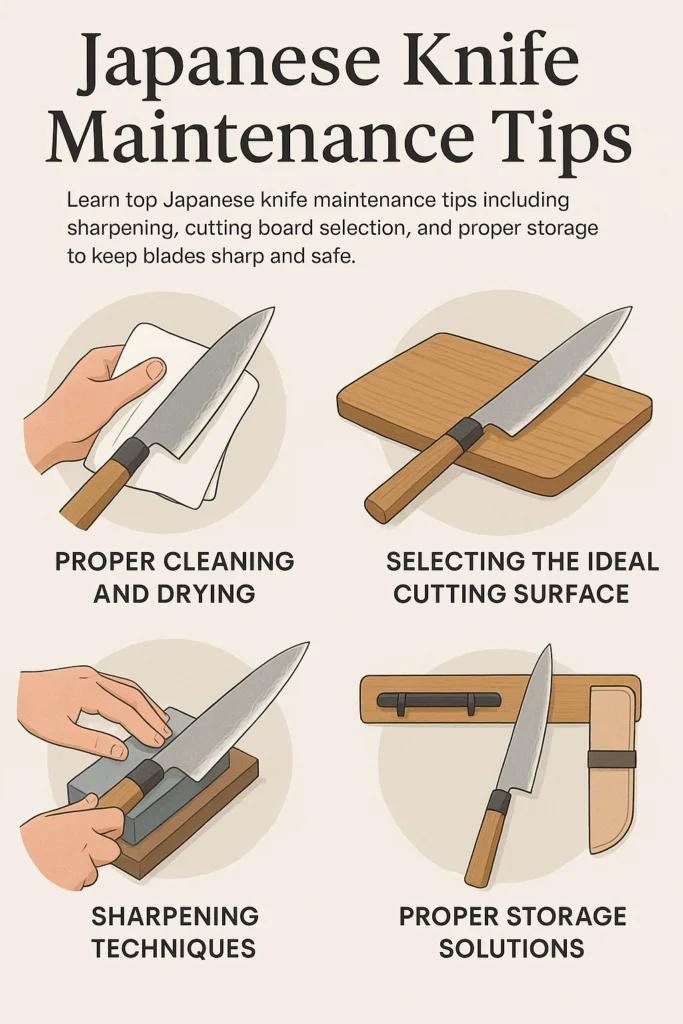
The meticulous care and understanding of Japanese knife maintenance are paramount to preserving the exceptional sharpness, inherent balance, and enduring beauty of these finely crafted culinary instruments. Renowned globally for their unparalleled precision, exceptionally thin edges, and elegant, functional designs, Japanese knives demand a level of attention that transcends mere cleaning. Neglecting their proper care can significantly diminish their performance, lead to irreversible damage to the blade, and, consequently, negatively impact the quality of culinary outcomes. A commitment to understanding and implementing correct cleaning, sharpening, storage, and usage techniques transforms these delicate instruments into durable, dependable companions in the kitchen, ensuring each knife operates at its optimal level for years, if not decades, to come.
The Foundation of Care: Proper Cleaning and Drying Practices
The cornerstone of Japanese knife longevity lies in immediate and thorough cleaning following each use. Blades crafted from high-carbon steel and layered steels are particularly susceptible to the corrosive effects of food residue and lingering moisture. A simple yet effective routine involves using warm water and a mild dish soap to meticulously remove oils, acidic components from food, and microscopic food particles that can mar the blade’s surface. Crucially, Japanese knives should never be subjected to the harsh environment of a dishwasher. The aggressive detergents, extreme heat, and vigorous water jets can rapidly degrade the delicate edge, compromise the integrity of the handle materials, and accelerate wear.
Following the wash, each blade must be carefully and completely dried with a soft, absorbent towel. Even brief exposure to residual water can initiate the formation of rust spots or oxidation on high-carbon steel, diminishing both its aesthetic appeal and functional integrity. Establishing this ritualistic drying process after every single use is not merely a suggestion but a critical habit that directly contributes to preserving sharpness, extending the overall lifespan of the blade, and significantly reducing the risk of unsightly staining and debilitating corrosion. This diligent attention to detail ensures that the knife remains in pristine condition, ready for its next task.
The Art of the Cut: Selecting the Ideal Cutting Surface
The surface upon which a Japanese knife performs its duties plays an instrumental role in its longevity and the preservation of its razor-sharp edge. For optimal results, a cutting board crafted from Japanese cypress (Hinoki) is often the preferred choice among culinary professionals and enthusiasts alike. This particular wood possesses a unique combination of softness and resilience; it yields slightly to the blade’s impact, effectively absorbing the shock and thereby minimizing edge wear. This characteristic is vital for maintaining a keen, functional edge over time. In stark contrast, cutting on hard materials such as glass, stone, granite, or metal can inflict rapid dulling, micro-chipping, and even more severe damage to the delicate blade, rendering it less effective and requiring more frequent, intensive sharpening.
Beyond edge preservation, the consistent use of a wooden cutting board also contributes to cleaner cuts, especially when working with delicate ingredients such as fresh vegetables or pristine fish. The softer surface prevents the tearing or crushing of cellular structures, resulting in smoother slices and a more visually appealing presentation. To further distribute wear evenly and prolong the life of both the cutting board and the knife, it is advisable to rotate different boards for various food types, thereby ensuring that no single area of the board or blade experiences excessive stress. This mindful selection of a cutting surface is a fundamental aspect of a holistic Japanese knife care regimen.
Restoring Keenness: Essential Sharpening Techniques
The ability of a Japanese knife to perform at its peak is inextricably linked to the sharpness of its edge. Maintaining this keenness is not only crucial for optimal performance but also a significant factor in kitchen safety. When an edge becomes dull, greater force is required for cutting, increasing the risk of slips and accidents. The most effective method for restoring a dull edge is through the use of sharpening stones, also known as whetstones. This process allows for the gradual and controlled removal of metal, precisely reshaping the edge without compromising the blade’s integrity.
The sharpening process typically begins with a coarse-grit stone, designed to address significant dullness or minor imperfections. This is followed by a progression through medium and then fine-grit stones, which refine the edge, creating a polished, razor-sharp finish. Consistency in the sharpening angle is of paramount importance, particularly for single-bevel knives, which are a hallmark of traditional Japanese cutlery. However, even double-bevel knives benefit immensely from careful angle control during sharpening. Applying minimal, consistent pressure while systematically working along the entire length of the blade ensures a clean, uniform edge. Regular sharpening prevents the formation of uneven cutting surfaces, significantly reduces the physical effort required for slicing, and restores the satisfying tactile feedback of a precisely tuned instrument in hand. This disciplined approach to sharpening ensures the knife remains a reliable and efficient tool.
The Bridge Between Sharpening: Honing for Edge Maintenance
While sharpening restores the edge by removing metal, honing serves a complementary yet distinct purpose: it realigns the microscopic bends and irregularities that inevitably develop along the edge of a blade during regular use. Utilizing a honing rod, often made of steel, ceramic, or diamond-infused material, is essential for maintaining a smooth, efficient cutting edge between more intensive sharpening sessions. This process does not remove material but rather straightens the minuscule "waves" in the steel, restoring its ability to slice cleanly.
The specific techniques for honing can vary slightly depending on whether the knife features a single or double bevel. Understanding the unique geometry of each blade type ensures that each stroke of the honing rod is effective. Regular honing significantly reduces the resistance encountered when cutting, leading to improved precision and a noticeable increase in cutting speed and efficiency. Many professional chefs integrate short, frequent honing sessions into their daily food preparation routines. This proactive approach ensures consistent performance, allowing each cut to remain clean and effortless without the need for constant resharpening. Honing is the unsung hero of daily knife care, keeping the edge in optimal condition between more substantial sharpening interventions.
Secure Sanctuary: Essential Proper Storage Solutions
The manner in which Japanese knives are stored is as critical to their preservation as the sharpening and cleaning processes. Safe and appropriate storage not only protects the delicate blade and its sharp edge but also safeguards the handle and, most importantly, the user. Loosely placing knives in a kitchen drawer alongside other utensils is a common but detrimental practice. This exposes the edges to constant abrasion against harder materials, leading to premature dulling and potential nicks or chips.
To mitigate these risks, several effective storage solutions are available. Fabric sheaths or roll-up carrying bags offer excellent protection for individual blades, especially when knives need to be transported. These solutions isolate each knife, preventing contact with other objects and preserving the edge. Magnetic knife strips, mounted securely on a wall or backsplash, provide a convenient and accessible storage method. When properly installed, they hold knives firmly, keeping edges exposed to air but preventing contact with other surfaces. Alternatively, knife blocks can be a viable option, provided the slots are designed to fit the knives snugly. A tight fit prevents the knife from wobbling, which can lead to accidental edge damage. Regardless of the chosen method, proper storage is fundamental to preserving sharpness, preventing corrosion, and, crucially, minimizing the risk of accidents in any kitchen environment.
The Unsung Hero: Handle Care and Inspection
The handle of a Japanese knife is not merely an aesthetic component; it is integral to the user’s control, comfort, and safety during cutting tasks. Wooden handles, often crafted from materials like rosewood or ebony, require periodic attention to maintain their structural integrity and appearance. Occasional oiling with food-grade mineral oil can prevent them from drying out, cracking, or warping due to fluctuations in humidity and temperature. Composite or synthetic handles, while generally more resilient, still benefit from regular visual inspection. Checking for any signs of loosening, chips, or cracks ensures that the handle remains securely attached to the tang, providing a stable grip.
A secure and comfortable handle is crucial for reducing fatigue during extended food preparation sessions and, more importantly, for preventing slips that can lead to serious accidents. Proper handle maintenance directly contributes to the knife feeling balanced and responsive in the hand, enhancing both the precision of the cut and the overall comfort of the user. A well-maintained handle is an extension of the chef’s hand, facilitating masterful control and contributing to a more enjoyable culinary experience.
Vigilance Against Decay: Proactive Rust Prevention
High-carbon steel blades, celebrated for their superior edge retention, are inherently more susceptible to rust if not properly cared for. Proactive rust prevention is therefore a non-negotiable aspect of maintaining these exquisite tools. The fundamental principles remain consistent: keeping knives scrupulously dry, utilizing appropriate cutting surfaces, and applying a thin, protective layer of food-grade oil after cleaning are key deterrents. While stainless steel knives offer greater resistance to corrosion due to their alloy composition, they are not entirely immune. Even these blades benefit immensely from careful drying and appropriate storage to prevent the formation of unsightly spots or minor corrosion.
Rust not only detracts from the knife’s aesthetic appeal but can also negatively impact its cutting performance, creating a rougher surface that impedes smooth slicing. Maintaining a consistent protective layer, vigilantly monitoring for moisture, and promptly cleaning the blade after contact with acidic foods are essential practices. This diligent approach preserves both the functional integrity and the visual beauty of the blade, ensuring it remains a high-performing asset in the kitchen.
Elevating Excellence: Professional Sharpening and Edge Care
While consistent home maintenance is vital, the expertise of a professional sharpener can play a significant role in restoring Japanese knives to their absolute peak condition. Experienced professionals possess a deep understanding of the intricate bevel angles specific to various types of Japanese knives, including single-bevel designs. They can refine edges with precision, removing only the minimal amount of material necessary to achieve a superior cutting performance. Even knives that are diligently maintained at home can benefit from professional attention after extended periods of rigorous use, particularly those crafted from high-carbon steel or featuring particularly delicate edges.
Beyond sharpening, professional sharpeners can often identify and address minor issues with the handle or tang that might go unnoticed during routine home inspection. Integrating occasional professional sharpening into a knife care regimen, alongside regular home maintenance, ensures that the knife’s cutting quality is consistently optimized. This synergistic approach guarantees that the knife performs reliably and efficiently for many years, upholding the investment made in such a specialized tool.
The Rhythms of Maintenance: Frequency and Routine
The optimal frequency for various maintenance tasks is intrinsically linked to the knife’s usage patterns. A knife that is employed daily for extensive chopping, slicing, and filleting in a professional or avid home kitchen will naturally require more frequent attention than one used only occasionally. For daily workhorses, weekly honing is generally recommended, with periodic sharpening sessions – perhaps monthly or bi-monthly, depending on performance – to maintain peak sharpness. Knives used less frequently still benefit from regular inspection, light cleaning, and occasional honing to prevent stagnation and minor degradation.
Developing a sensitivity to the knife’s performance is key. Noticing subtle signs, such as an increased resistance when cutting, a tendency for slices to become uneven, or a loss of that characteristic "bite," are clear indicators that maintenance is required. Establishing a consistent, albeit flexible, care routine ensures that knives remain sharp, safe, and efficient. This proactive approach minimizes wear and tear, enhances overall performance, and prevents minor issues from escalating into more significant problems.
Weaving Care into the Culinary Fabric: Integrating Maintenance
The most effective way to ensure the longevity and optimal performance of Japanese knives is to seamlessly integrate their maintenance into everyday culinary practices. This approach simplifies care without disrupting the flow of food preparation. The habit of washing a knife immediately after use, followed by thorough drying and careful storage, forms the foundational layer of this integration. Regular honing, performed briefly between tasks or at the end of a prep session, and periodic sharpening sessions, scheduled proactively, maintain the knife’s cutting precision.
The consistent use of an appropriate cutting surface, such as Japanese cypress, and the deliberate avoidance of hard materials, further protect the delicate edge. By practicing these habits consistently, knives remain responsive, safe, and reliable companions. Over time, this diligent maintenance becomes second nature, contributing to smoother preparation, boosting culinary efficiency, and significantly enhancing the aesthetic quality of food presentation. It transforms a chore into an intrinsic part of the culinary art.
The Enduring Legacy: Preserving Precision and Craftsmanship
In essence, the thoughtful application of Japanese knife maintenance tips elevates each knife from a mere utensil to a cherished, long-lasting tool of precision and reliability. The meticulous process of using a sharpening stone to restore an edge, the conscious choice of a Japanese cypress cutting board to protect that edge, the regular practice of honing to maintain its keenness, and the secure embrace of a fabric sheath or roll-up carrying bag all contribute to preserving both the blade and its handle.
Proper cleaning, diligent drying, and attentive handling care actively prevent corrosion and minimize wear, thereby safeguarding the knife’s intrinsic visual and functional qualities. This consistent commitment to maintenance not only prolongs the life of the blade but also serves as a profound act of respect and appreciation for the exceptional craftsmanship embedded within each meticulously forged tool. By embracing these principles, every slice, chop, and garnish will remain sharp, precise, and aesthetically pleasing, a testament to the enduring legacy of Japanese cutlery and the dedication of those who care for it.




 Anjar Salim
 Dwi Wanna
 Budi Mulyono
 Lukman Taruna Persada Ramadan
 Chandra Hamzah
 Gabriela Annisa