
 Cholid Fahmi Thalib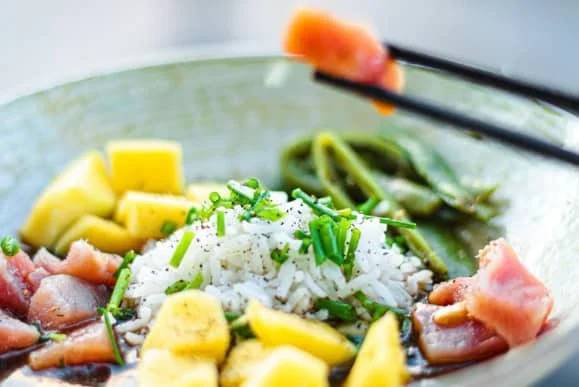
Islands are some of the most unique and captivating destinations on earth, each offering a distinct tapestry of culture, history, and natural abundance. For the global epicure, these isolated havens present an unparalleled opportunity to indulge in local, fresh cuisine, where the very essence of the island is infused into every dish. From the sun-drenched shores of the Caribbean to the far-flung reaches of the Pacific, a world of exceptional dining experiences awaits, each reflecting the unique spirit and natural bounty of its island home. This expedition delves into the rich culinary landscapes of six distinct island regions, highlighting their signature flavors and the stories they tell.
The Vibrant Palette of the Caribbean: A Symphony of Spice and Sea
The Caribbean islands, a sprawling archipelago nestled between the Atlantic Ocean and the Caribbean Sea, are renowned for a cuisine that is as vibrant and multifaceted as its history. This culinary tradition is a rich tapestry woven from the threads of African, Indigenous Taíno, Arawak, and Carib, and European colonial influences, creating a distinctive flavor profile that is both bold and deeply satisfying. The reliance on fresh, locally sourced ingredients is paramount, with the bounty of the turquoise waters and fertile volcanic soil forming the bedrock of island gastronomy.
Seafood, naturally, takes center stage. From the glistening scales of freshly caught snapper and grouper to the succulent meat of lobster and conch, the ocean provides an inexhaustible larder. In Jamaica, the iconic jerk chicken, marinated in a fiery blend of Scotch bonnet peppers, allspice, and thyme, exemplifies the island’s love for intense, aromatic spices. On the Bahamas, conch fritters, a beloved local delicacy, offer a delightful textural contrast and a taste of the sea. Barbados proudly presents its curry goat, a testament to the enduring influence of South Asian culinary traditions, simmered to tender perfection.
The culinary journey through the Caribbean is also one of profound cultural exchange. The legacy of the transatlantic slave trade brought with it a wealth of African culinary techniques and ingredients, which have been masterfully integrated into local cooking. Similarly, the agricultural bounty introduced by European colonizers, such as plantains and various spices, has been expertly adapted. For instance, the ubiquitous "rice and peas," a staple across many islands, often features pigeon peas cooked with coconut milk and aromatics, a comforting and flavorful accompaniment to almost any dish. In destinations like Turks and Caicos, the emphasis on ocean-to-table dining means that diners can expect lobster and shrimp prepared in ways that highlight their natural sweetness, often enhanced by local herbs and a judicious use of chili. The culinary landscape here is not merely about sustenance; it is a vibrant celebration of history, resilience, and the enduring spirit of the Caribbean people.
Mediterranean Islands: A Testament to Simplicity and Freshness
Venturing westward, the Mediterranean islands present a distinct yet equally compelling culinary narrative. Islands such as Sicily, Sardinia, and Crete stand as bastions of a cuisine that champions the inherent flavors of the land and sea, characterized by its simplicity, high-quality ingredients, and a profound respect for seasonality. This region’s gastronomy is a direct reflection of its fertile agricultural lands, abundant olive groves, thriving vineyards, and the consistent presence of fresh seafood.
Sicily, a jewel in the Mediterranean, boasts a cuisine deeply influenced by its diverse historical rulers, including the Greeks, Romans, Arabs, and Normans. Iconic dishes like Pasta alla Norma, a harmonious blend of tender eggplant, rich tomato sauce, and salty ricotta salata, embody the island’s commitment to showcasing local produce at its finest. The island’s coastal bounty is equally celebrated, with dishes featuring swordfish, anchovies, and sardines prepared with minimal adornment to allow their natural flavors to shine.
Sardinia, the second-largest island in the Mediterranean, offers a more rustic and hearty culinary experience. Its mountainous interior has traditionally supported robust meat-based dishes, with lamb and pork often slow-roasted or grilled to perfection. The island is also celebrated for its distinctive Pecorino Sardo cheese, a sharp and savory sheep’s milk cheese that is a fundamental component of many Sardinian preparations. In contrast, the Greek island of Crete, the largest of the Greek islands, offers a lighter, yet equally flavorful, approach to Mediterranean cuisine. Here, mezze platters, a selection of small dishes, are a quintessential dining experience, featuring delights such as creamy tzatziki, grilled lamb skewers, and an array of seasonal vegetables bursting with flavor. The Cretan diet, long recognized for its health benefits, is a testament to the power of fresh, minimally processed ingredients. Across these Mediterranean islands, the culinary philosophy remains consistent: to celebrate the natural goodness of what the earth and sea provide, with simple preparations that allow the authentic flavors to take center stage.
Southeast Asia: An Explosion of Tropical Aromas and Exotic Spices
The islands of Southeast Asia, a region renowned for its dynamic cultural heritage and vibrant culinary traditions, offer a sensory feast for any discerning traveler. Destinations such as Bali in Indonesia, Phuket in Thailand, and the myriad islands of the Philippines are epicenters of tropical flavors and exotic spices, where indigenous culinary practices have merged seamlessly with influences from colonial powers and neighboring cultures. This fusion has resulted in a gastronomic landscape that is rich, complex, and brimming with life.
Bali’s culinary identity is strongly defined by its ceremonial traditions and the island’s abundant produce. The Balinese specialty, Babi Guling, or spit-roasted suckling pig, is an absolute must-try. The pig is typically stuffed with a potent mixture of turmeric, coriander, garlic, ginger, and chili, then slow-roasted to achieve incredibly crispy skin and succulent, flavorful meat, often served with steamed rice and a variety of spicy condiments.
Thailand’s island paradises, including Phuket, are synonymous with some of the world’s most beloved dishes. Pad Thai, the iconic stir-fried noodle dish, is a symphony of sweet, sour, and savory notes, typically featuring shrimp, tofu, peanuts, and a squeeze of lime. Tom Yum soup, a fragrant and spicy broth, often infused with lemongrass, galangal, kaffir lime leaves, and chili, is a testament to the power of aromatic herbs. Fresh seafood curries, made with creamy coconut milk and a vibrant blend of Thai spices, showcase the island’s close proximity to the ocean.
The Philippines, an archipelago of over 7,000 islands, offers a unique blend of Malay, Spanish, Chinese, and American culinary influences. Adobo, often considered the national dish, is a versatile and deeply flavorful stew, typically made with chicken or pork braised in soy sauce, vinegar, garlic, and black peppercorns. Lumpia, the Filipino version of spring rolls, are a popular appetizer, often filled with a savory mix of vegetables and minced meat. These islands are a true food lover’s paradise, offering a kaleidoscope of tastes and textures that create a truly unforgettable dining experience.
The Galapagos Islands: Sustainable Dining in an Ecological Wonderland
The Galapagos Islands, an archipelago famed for its unique biodiversity and otherworldly landscapes, are increasingly recognized for a burgeoning culinary scene that mirrors the islands’ commitment to conservation and sustainability. The remote location and the stringent environmental regulations have fostered a food culture that prioritizes fresh, locally sourced ingredients, with an emphasis on responsibly caught seafood.
Dining in the Galapagos offers a unique opportunity to experience "ocean-to-table" cuisine. Many restaurants and eco-lodges are dedicated to sourcing their ingredients from local fishermen who adhere to sustainable fishing practices. This ensures that diners can savor the freshest lobster, ceviche, and tuna while simultaneously supporting the conservation efforts that make these islands so ecologically significant. The very act of dining becomes an extension of the islands’ ethos.
The culinary philosophy here is deeply intertwined with the natural environment. The abundance of marine life, from vibrant reef fish to migratory tuna, provides an exceptional larder. Dishes often feature simple preparations that highlight the pristine quality of the ingredients, allowing the natural flavors to take precedence. Ceviche, a dish of raw fish cured in citrus juices, is a prime example, showcasing the freshness of the catch with minimal additions. The commitment to sustainability extends beyond seafood, with many establishments also incorporating locally grown fruits and vegetables into their menus. Dining in the Galapagos is not merely a gastronomic experience; it is an immersion into a food culture that is both delicious and profoundly mindful of its ecological impact, offering a true taste of paradise that nourishes both body and conscience.
Pacific Islands: A Culinary Journey from Polynesia to New Zealand
The vast expanse of the Pacific Ocean is dotted with islands that hold rich culinary traditions, each shaped by indigenous customs, ancient practices, and the unique resources available. From the tropical allure of Fiji and Tahiti to the diverse landscapes of New Zealand, these islands offer a captivating gastronomic journey that connects diners to the land, the sea, and the heart of island life.
Fiji, a South Pacific archipelago, is celebrated for its fresh, vibrant cuisine. Kokoda, a signature dish, is a refreshing raw fish salad that exemplifies the island’s tropical bounty. Cubes of fresh white fish are marinated in lime and lemon juice, then gently mixed with creamy coconut milk, diced onions, and chili, creating a perfect balance of tangy, creamy, and subtly spicy flavors. This dish is a quintessential representation of Fijian culinary artistry, showcasing the island’s abundant seafood and the versatile use of coconut.
New Zealand, while geographically part of Oceania, offers a distinct culinary identity shaped by its fertile land and a strong emphasis on high-quality produce. Lamb dishes are a national staple, often slow-cooked to achieve a melt-in-your-mouth tenderness, reflecting the country’s renowned sheep farming industry. For a truly immersive cultural experience, the traditional Māori hangi is unparalleled. This ancient cooking method involves wrapping meat and vegetables in leaves and placing them in a pit oven lined with hot stones, where they are slow-cooked for hours. The result is an incredibly flavorful meal infused with a unique smoky essence, a testament to the ingenuity of indigenous culinary practices.
Across these Pacific islands, food is more than sustenance; it is an integral part of cultural expression and community. The emphasis on local ingredients, from the freshest seafood and root vegetables like taro and kumara, to an array of tropical fruits, ensures that dining is a flavorful exploration of the island’s natural heritage. This connection to the land and sea is palpable in every bite, offering a profound and authentic taste of island life.
Hawaiian Islands: A Fusion of Cultures on the Aloha Spirit
The Hawaiian Islands, a vibrant chain of volcanic islands in the central Pacific, boast a culinary landscape that is a true testament to the power of cultural fusion. Influences from Polynesian voyagers, American settlers, and waves of Asian immigrants—including Japanese, Chinese, Filipino, and Korean—have converged to create a unique and eclectic food scene that is distinctively Hawaiian.
One of the most iconic and beloved dishes is poke, a versatile raw fish salad that has gained international acclaim. Traditionally made with diced, marinated raw tuna, poke is seasoned with soy sauce, sesame oil, seaweed, and often garnished with onions or chili peppers, offering a burst of fresh, savory flavor. Its popularity has led to countless variations, making it a staple in both casual eateries and upscale restaurants.
Another comfort food favorite is loco moco, a hearty dish that embodies the spirit of Hawaiian home cooking. It typically consists of a bed of steamed rice, topped with a hamburger patty, a fried egg, and generously smothered in a savory brown gravy. This unpretentious yet deeply satisfying meal is a beloved representation of the islands’ diverse culinary influences.
Hawaiian barbecue is also a significant culinary attraction, featuring tender meats marinated in sweet and savory sauces, often grilled to perfection. The islands’ agricultural abundance also contributes to a rich variety of fruits, such as pineapple, papaya, and mango, which are incorporated into desserts, drinks, and savory dishes. Even a simple treat like shave ice, a finely shaved ice confection drizzled with colorful fruit syrups, offers a refreshing taste of the islands.
The cuisine of the Hawaiian Islands is a delicious manifestation of the "aloha spirit"—a philosophy of love, peace, and compassion. It reflects the harmonious blending of diverse cultures, creating a food heritage that is both innovative and deeply rooted in tradition. Whether one is sampling a traditional Hawaiian feast, known as a luau, or enjoying a casual plate lunch, the food serves as a flavorful reminder of the islands’ unique cultural tapestry and the warmth of its people.
Conclusion: An Unforgettable Culinary Tapestry
Island destinations worldwide offer some of the most profound and memorable culinary experiences on the planet. From the bold, spicy flavors of the Caribbean, a testament to its rich history of cultural exchange, to the pristine, sustainable dining options found in the ecologically sensitive Galapagos Islands, there is an endless array of mouthwatering meals to be discovered. The Mediterranean islands beckon with their celebration of fresh produce and time-honored agricultural traditions, while Southeast Asia dazzles with its exotic spices and tropical fruits. The Pacific Islands weave a narrative of connection to the land and sea, and the Hawaiian Islands present a vibrant fusion of global influences united by the spirit of aloha.
Whether one is indulging in a delicate ceviche in the Galapagos, savoring authentic pasta in Sicily, or delighting in the complex spices of a Thai curry, island dining is an integral and unforgettable component of any travel adventure. These culinary journeys are not merely about taste; they are about immersing oneself in the culture, history, and natural environment of these unique locales. Therefore, for any traveler, regardless of budget or travel style, incorporating these island food experiences into a travel itinerary is highly recommended. The world’s most exceptional meals are often found on islands, where the confluence of fresh ingredients, distinct local flavors, and rich cultural heritage creates something truly extraordinary, a testament to the enduring power of food to connect us to place and people.



 Anjar Salim
 Dwi Wanna
 Budi Mulyono
 Lukman Taruna Persada Ramadan
 Chandra Hamzah
 Gabriela Annisa