
 Chandra Hamzah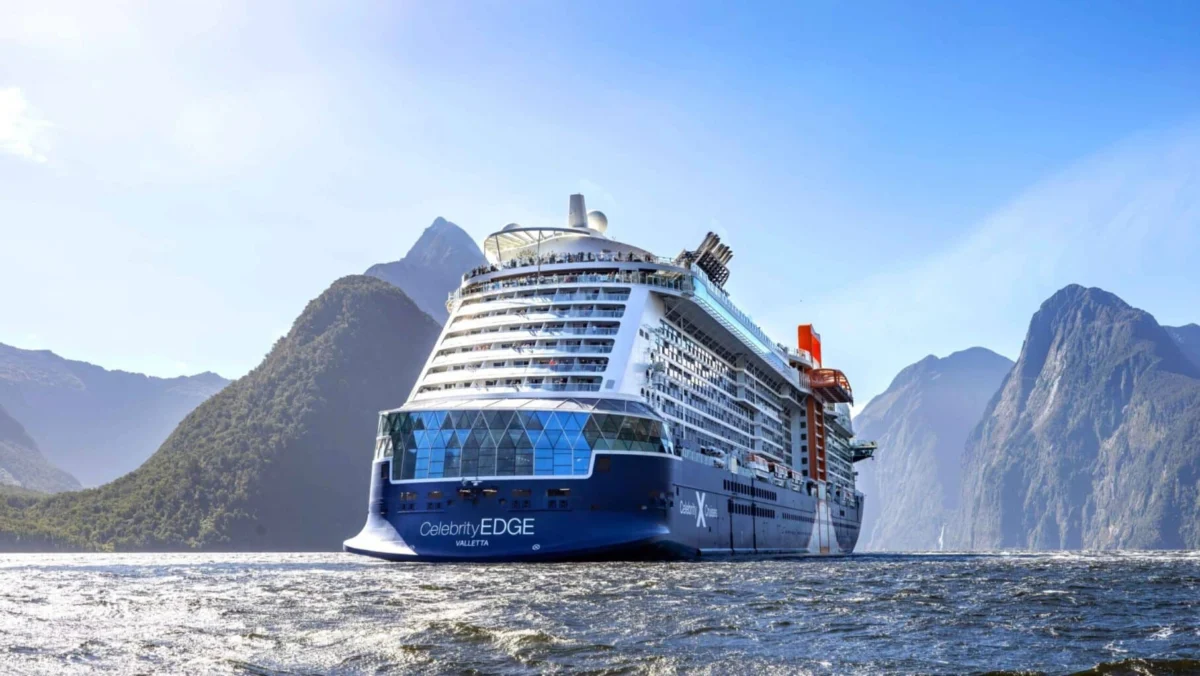
A pivotal week for the future of the cruise industry in Australia and New Zealand is set to unfold in Miami next week at Seatrade Cruise Global, the world’s preeminent cruise conference. This crucial event will see regional industry leaders convene with global decision-makers to address a pressing concern: the continued decline in cruise ship deployment to Australasia. The stakes are exceptionally high as both nations strive to persuade major cruise lines to allocate more vessels to their shores, amidst growing apprehension about the region’s diminishing competitiveness on the global cruise map.
Delegations from across Australia and New Zealand will be present in force, spearheaded by the Cruise Lines International Association (CLIA) Australasia, the Australian Cruise Association (ACA), and a notably robust contingent from New Zealand. However, concerns are mounting regarding the region’s declining appeal to cruise operators, raising questions about the Australian government’s level of engagement and its representation at this critical forum.
The Gathering Storm: Declining Cruise Capacity and Global Competition
The Seatrade Cruise Global conference, a highly anticipated annual event, typically serves as the primary venue for cruise lines to finalize their global deployment strategies for the upcoming seasons. This year’s gathering in Miami, a significant hub for the international cruise industry, takes on added importance for Australasia. The region has experienced a significant downturn in cruise capacity, with figures indicating a drop of over 30% from post-pandemic peaks. This contraction contrasts sharply with the continued surge in global cruise demand, suggesting that Australasia is losing ground in attracting cruise line investment.
Data compiled by industry associations paints a stark picture. New Zealand, for instance, has witnessed a contraction exceeding 40% from its peak cruise capacity levels, according to the New Zealand Cruise Association (NZCA). Australia has also experienced a notable decline, exacerbating the regional challenge. This trend is not attributed to a lack of passenger interest. "Cruise guests continue to rate New Zealand among the best destinations in the world," stated Tansy Tompkins, Chair of the NZCA, in the lead-up to Seatrade. "The challenge lies in deployment decisions, and right now, New Zealand remains hard for cruise lines to justify." This sentiment is echoed by industry stakeholders across the Tasman, who point to a complex interplay of factors making the region less economically viable for cruise operators compared to other global itineraries.
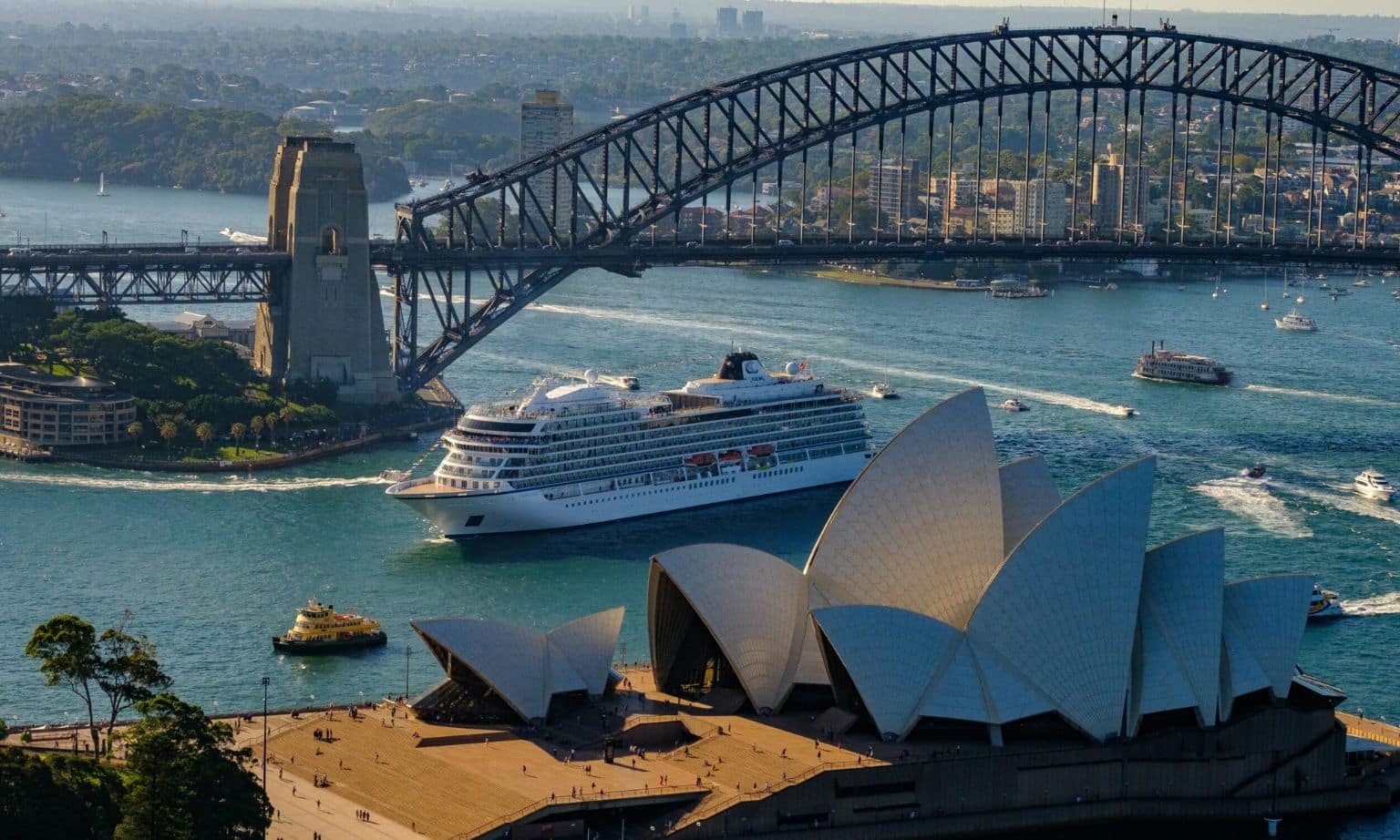
Miami: The Crucial Battleground for Australasian Cruise Deployment
The week-long Seatrade Cruise Global conference, commencing Monday and concluding Thursday, is where the critical decisions shaping global cruise deployment for years to come are made. Cruise line executives will be deliberating over itineraries, vessel allocations, and market investments. CLIA Australasia Managing Director Joel Katz will be a central figure in these discussions, set to lead a panel titled "Lessons from Australasia – What mature and emerging markets can learn about attracting and sustaining cruise deployment." This session is designed to explore the region’s past successes in attracting cruise lines and its recent setbacks, offering valuable insights for other destinations.
Katz has openly acknowledged the escalating challenges faced by Australasia. He has identified "regulatory complexities and rising costs" as significant inhibitors to growth. In a recent column for the trade publication Cruise Weekly, Katz remarked, "Australasia offers a valuable case study for other destinations. We’ve experienced both enormous growth and frustrating hurdles." He emphasized that CLIA’s advocacy efforts are now intensely focused on dismantling these barriers. "With strong local demand and extraordinary destinations, Australasia has a chance to thrive if we can unite governments around a positive environment for cruise tourism," Katz asserted, highlighting the need for a unified governmental approach.
New Zealand’s Coordinated Strategy: A United Front in Miami
In a notable contrast to Australia’s current approach, New Zealand is heading to Miami with a clearly defined and unified strategy. A delegation comprising 19 organizations – including port authorities, tourism bodies, key industry stakeholders, and government representatives – will be present at Seatrade. The NZCA describes this as a "powerful show of alignment," aiming to present a compelling case for increased cruise investment.
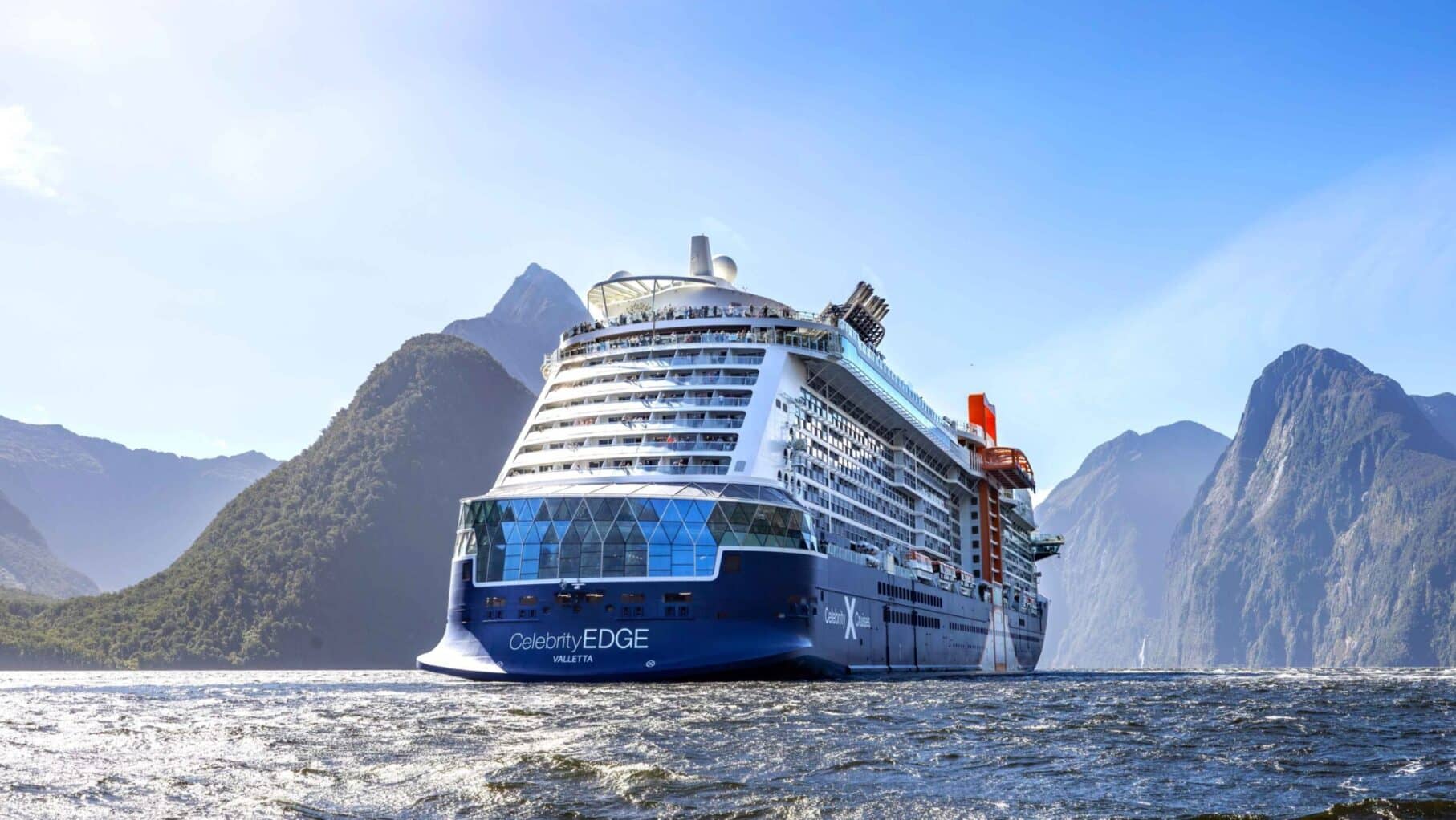
New Zealand is forthright about the challenges it faces, including high operational costs, regulatory uncertainty, and the need to bolster industry confidence. However, the nation is signaling a strong commitment to collaborative engagement with cruise lines to address these issues. "We must shift from treating cruise as a given to earning its place as a destination of choice," Tompkins stated, underscoring a proactive stance. The country is actively advocating for improvements in cost competitiveness, the establishment of clearer regulatory frameworks, and greater certainty regarding biosecurity and operational requirements – all critical factors influencing deployment decisions. Encouragingly, cruise tourism has been formally recognized within New Zealand’s Tourism Growth Roadmap, and a dedicated Cruise Forum has been established, signaling a growing engagement from the government. This comprehensive approach aims to demonstrate to cruise lines that New Zealand is a partner invested in the long-term sustainability of cruise tourism.
Australia’s Uncertain Engagement: A Lingering Silence Raises Concerns
Across the Tasman Sea, the situation for Australia appears less defined. A recent Australian paper outlining tourism policy made no mention of the cruise industry, a move that has generated significant concern within the sector. Despite mounting industry apprehension, it remains uncertain whether any representatives from the Australian federal government will be part of the Australian contingent attending Seatrade, which is expected to comprise around 30 individuals, joining New Zealand’s delegation.
CLIA has informed Cruise Passenger that they could not confirm any federal government presence in Miami. The Australian Cruise Association did not respond to multiple requests for comment on this matter. This apparent lack of high-level government representation comes after months of criticism suggesting Australia has not adequately engaged in discussions surrounding the decline in cruise capacity. Unlike New Zealand’s integrated, whole-of-government strategy – which has garnered praise within the global cruise community – Australia has yet to present a cohesive plan to address rising operational costs, inconsistent regulatory approaches, and significant operational hurdles. Industry insiders are warning that this diminished visibility on the international stage risks further eroding Australia’s standing with cruise lines, particularly at a time when deployment decisions are becoming increasingly competitive and global. The perceived absence of a unified national strategy could lead cruise lines to prioritize other regions perceived as more stable and supportive of the cruise sector.
The Tipping Point: Implications for Australasia’s Cruise Future
Both Australia and New Zealand are at a critical juncture concerning their cruise tourism sectors. Cruise lines typically plan their global deployments 18 to 24 months in advance. Consequently, the conversations and commitments made at Seatrade Cruise Global in Miami this week will directly influence the cruise schedules for the 2027/28 season and beyond.
A failure to reignite interest and secure renewed cruise line commitment could have long-lasting repercussions for the region’s economy and tourism infrastructure. "If we do not begin to see recovery… we risk losing the capability, investment, and infrastructure that underpin cruise," warned Tompkins. This sentiment highlights the potential for a domino effect, where declining cruise numbers could lead to a contraction of essential services, port facilities, and the skilled workforce that supports the industry.
For Australasia, the message is increasingly urgent: without decisive and coordinated action, the region risks being significantly sidelined in the global cruise market. As global cruise leaders gather in Miami, the fundamental question is no longer solely about Australasia’s ability to compete, but rather whether the region, and particularly Australia, is willing to undertake the necessary measures to remain a viable and attractive destination in the fiercely competitive world of cruise tourism. The outcome of these discussions will undoubtedly shape the trajectory of cruise travel in the South Pacific for years to come.



 Budi Mulyono
 Lukman Taruna Persada Ramadan
 Anjar Salim
 Gabriela Annisa
 Susilo Edi Turonggo