Chandra Hamzah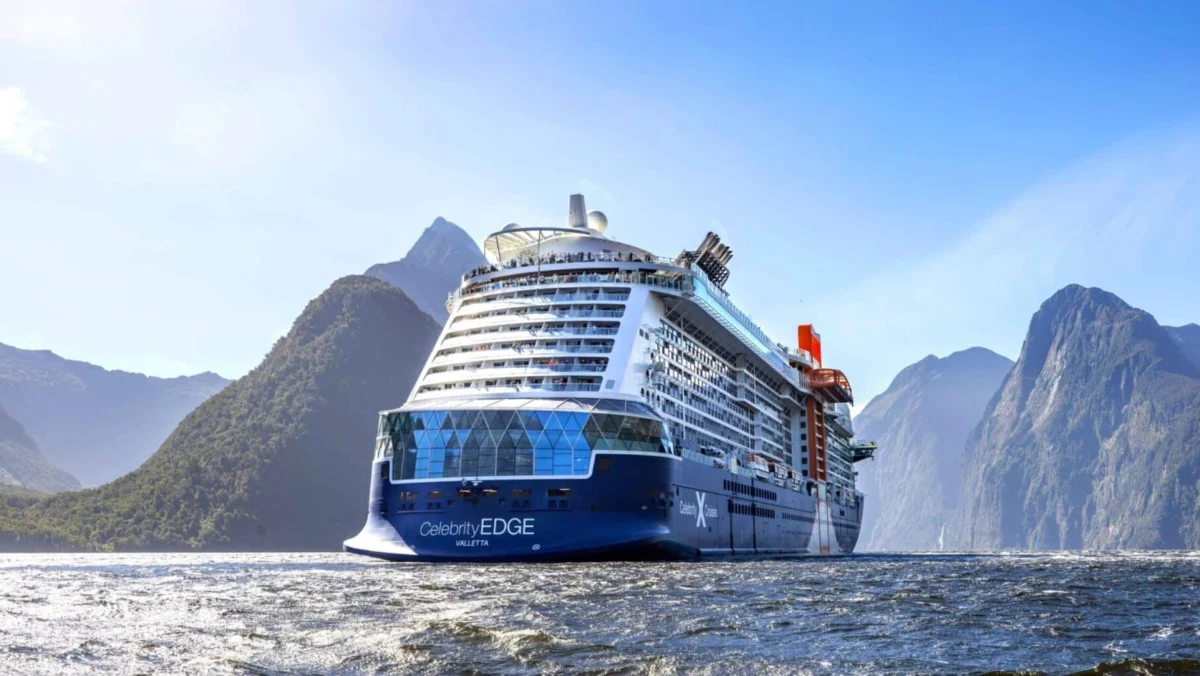
The future of cruise tourism in Australia and New Zealand hangs in the balance as key industry stakeholders converge in Miami this week for Seatrade Cruise Global, the world’s premier cruise industry conference. This critical gathering, a vital forum for global decision-makers and regional representatives, will be a pivotal moment for Australasia, which is currently experiencing a significant downturn in cruise ship capacity. The stakes are exceptionally high as delegations from both nations aim to persuade global cruise line executives to recommit to the region, addressing a worrying trend of declining deployment that threatens the sector’s viability.
Seatrade Cruise Global: A Crucial Nexus for Cruise Deployment
Seatrade Cruise Global, held annually, serves as the essential marketplace and thought leadership event for the international cruise industry. It brings together cruise line executives, port authorities, destination representatives, travel advisors, and maritime suppliers to discuss the latest trends, forge new partnerships, and make strategic decisions that shape the industry’s trajectory for years to come. For regions like Australasia, which rely on attracting a consistent flow of cruise ships to sustain their tourism economies, participation in Seatrade is not merely attendance; it is a crucial lobbying effort. Decisions made at this event regarding ship itineraries and deployment schedules are typically solidified 18 to 24 months in advance, meaning the outcomes of this week’s discussions will directly influence the 2027-2028 cruise season and beyond. The conference provides a unique platform for direct engagement with the individuals who control the vast fleets that call on international destinations, offering an unparalleled opportunity to showcase the appeal of Australasian ports and address the challenges that have led to reduced capacity.
The Stark Reality: A Sharp Decline in Australasian Cruise Capacity
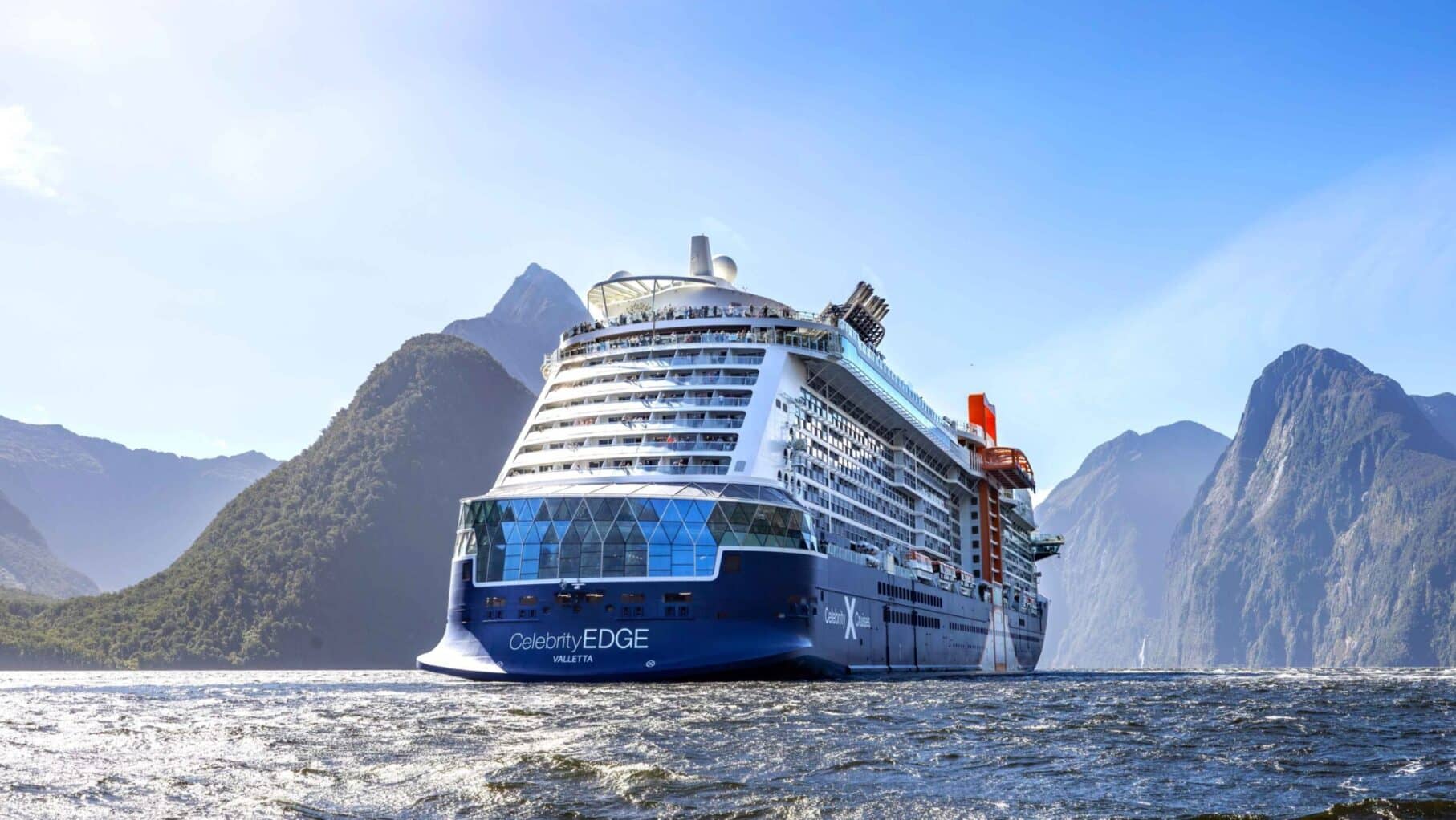
The urgency surrounding this week’s discussions is underscored by alarming statistics. Cruise capacity across Australia and New Zealand has plummeted by over 30% from its post-pandemic peak. This contraction signifies a significant redirection of cruise line resources to other, perceivedly more profitable or less logistically challenging, regions. While global cruise demand continues to demonstrate robust growth, with passenger numbers reaching new heights, Australasia has struggled to maintain its market share. New Zealand, in particular, has experienced a contraction exceeding 40% from its previous peak levels, as reported by the New Zealand Cruise Association (NZCA). This drastic reduction in capacity is not attributed to a lack of demand from cruise passengers, who consistently rate New Zealand among the world’s most desirable cruising destinations, according to NZCA Chair Tansy Tompkins. Instead, industry leaders point to critical deployment decisions made by cruise lines, which are increasingly finding it difficult to justify routing ships to New Zealand and, by extension, the wider Australasian region.
Underlying Causes: Regulatory Complexities and Rising Costs
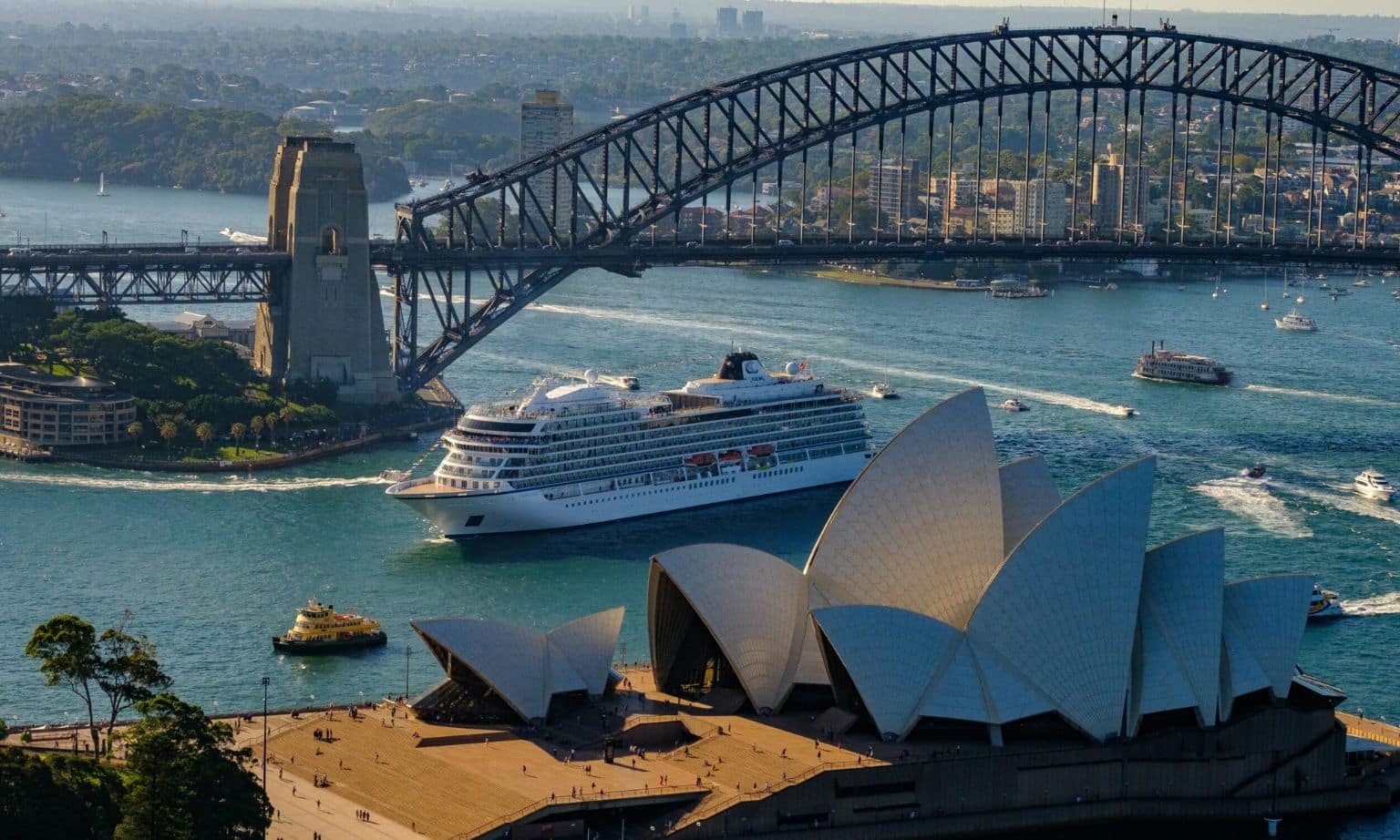
The challenges facing Australasian cruise deployment are multifaceted. Joel Katz, Managing Director of CLIA Australasia, a key figure at Seatrade and a leader of a panel discussion titled "Lessons from Australasia – What mature and emerging markets can learn about attracting and sustaining cruise deployment," has openly acknowledged the growing hurdles. He identifies "regulatory complexities and rising costs" as primary inhibitors to growth. These factors create an environment where cruise lines perceive greater operational friction and financial burden compared to other global cruising grounds. The intricate web of regulations, coupled with escalating operational expenses, can make the logistical and economic calculus of deploying ships to the region less attractive. This creates a vicious cycle: as capacity declines, the economic viability of supporting infrastructure and services can be further strained, potentially exacerbating the problem.
New Zealand’s Unified Front: A Coordinated Approach to Recovery
In stark contrast to the uncertain landscape in Australia, New Zealand is presenting a united and proactive front at Seatrade Cruise Global. A substantial delegation of 19 organizations, encompassing port authorities, tourism bodies, industry stakeholders, and government representatives, will be present. This coordinated effort, described by the NZCA as a "powerful show of alignment," aims to present a compelling case for renewed cruise investment. New Zealand is not shying away from acknowledging its challenges, which include high operating costs, regulatory uncertainty, and a fragile industry confidence. However, the delegation is emphasizing a strong willingness to collaborate with cruise lines to find solutions.
Tansy Tompkins, NZCA Chair, articulated this shift in perspective: "We must shift from treating cruise as a given to earning its place as a destination of choice." This statement signals a move away from passive expectation towards active engagement and partnership. New Zealand is actively advocating for tangible improvements, including enhanced cost competitiveness, clearer and more streamlined regulatory frameworks, and greater certainty surrounding biosecurity and operational requirements. These are precisely the pain points that have significantly influenced cruise lines’ deployment decisions. Encouragingly, cruise tourism has now been formally recognized within New Zealand’s Tourism Growth Roadmap, and a dedicated Cruise Forum has been established. These developments signify a growing and coordinated governmental engagement with the sector, a positive signal to international cruise operators.
Australia’s Silent Concern: A Lack of Government Engagement
Across the Tasman Sea, the situation for Australia’s cruise industry presents a more concerning picture. The absence of a clear and consistent government strategy is a significant impediment. A recent Australian paper outlining tourism policy failed to mention the cruise sector at all, a fact that has fueled industry apprehension. It remains uncertain whether any representatives from the Australian federal government will be part of the significant contingent of approximately 30 Australian delegates attending Seatrade, joining New Zealand’s coordinated delegation. CLIA has indicated an inability to confirm any federal presence, and the Australian Cruise Association has not responded to repeated requests for comment on this matter.
This apparent lack of high-level government engagement comes after months of criticism regarding Australia’s perceived failure to actively participate in discussions about the declining cruise capacity. Unlike New Zealand’s comprehensive, whole-of-government approach – which has garnered widespread praise within the global cruise community – Australia has yet to present a cohesive strategy to tackle the escalating costs, inconsistent regulations, and operational hurdles that are impacting the sector. Industry insiders warn that this lack of visibility on the international stage risks further diminishing Australia’s standing with cruise lines, particularly at a time when competition for ship deployment is intensifying globally. The implications of this inaction could be profound, potentially leading to a further erosion of cruise calls and the associated economic benefits for Australian ports and tourism operators.
Broader Implications: The Risk of Being Left Behind
The conversations taking place in Miami this week carry significant long-term implications for both Australia and New Zealand. Cruise lines meticulously plan their itineraries and ship deployments well in advance, typically with an 18-to-24-month lead time. Therefore, the discussions and decisions made at Seatrade Cruise Global will directly shape the cruise landscape for the 2027-2028 season and beyond. A failure to reignite interest and secure renewed commitments from cruise lines could have enduring negative consequences, potentially leading to a sustained period of reduced capacity.
Tansy Tompkins of the NZCA issued a stark warning: "If we do not begin to see recovery… we risk losing the capability, investment, and infrastructure that underpin cruise." This sentiment underscores the potential for a downward spiral, where a lack of investment and activity can lead to the erosion of the very foundations that support a thriving cruise industry. The message for Australasia is increasingly urgent: without decisive, coordinated, and proactive action from all stakeholders, including government, the region risks being relegated to the sidelines of the global cruise market. As international cruise leaders gather in Miami, the critical question is no longer about whether Australasia can compete, but rather whether it possesses the collective will and strategic impetus to implement the necessary changes to remain a significant and attractive destination for cruise tourism. The coming days in Miami will reveal the extent of that willingness and the potential for a sustained recovery in this vital sector of the tourism economy.




 Tatiana Tantri Indah Sari
 Budi Mulyono
 Anjar Salim

 Lukman Taruna Persada Ramadan