Chandra Hamzah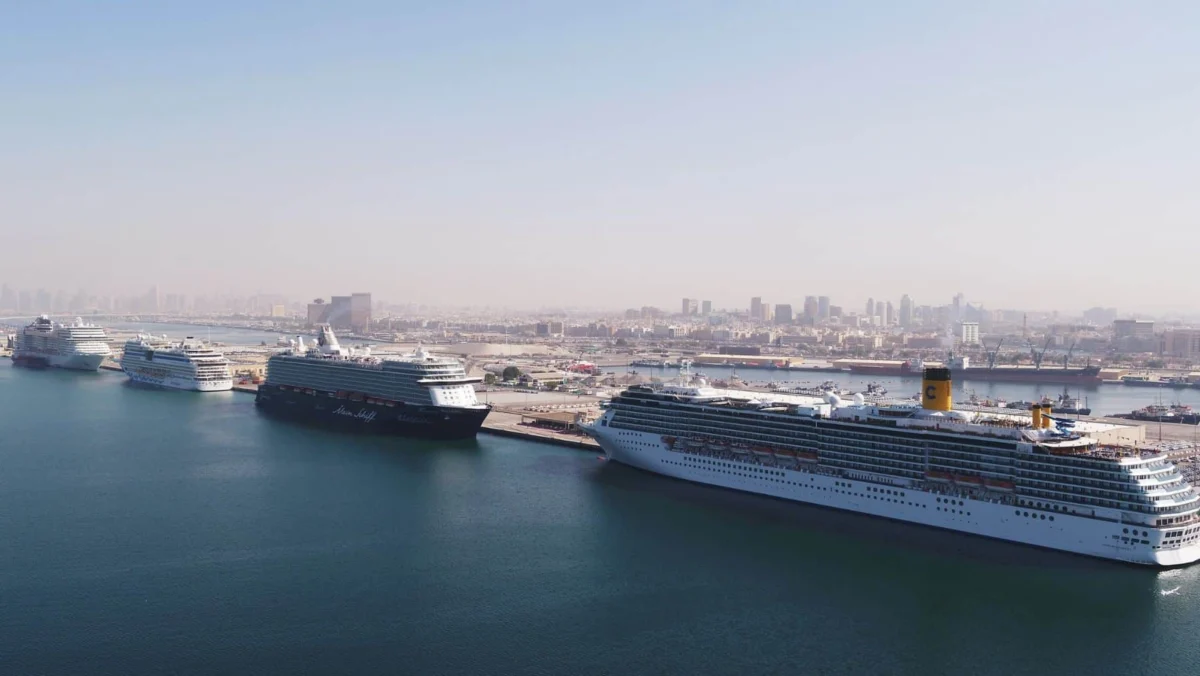
The escalating geopolitical tensions in the Middle East, marked by recent direct confrontations between the United States and Iran, have cast a significant shadow over international travel, particularly impacting cruise itineraries and flight connections that transit through the region. This complex situation has led to widespread disruption, prompting urgent advice for travelers to stay informed and prepared. As the geopolitical landscape remains volatile, understanding the implications for upcoming holidays, especially cruise vacations, is paramount for a growing number of concerned travelers.
Cruise Operations in the Middle East Halted Amidst Rising Tensions
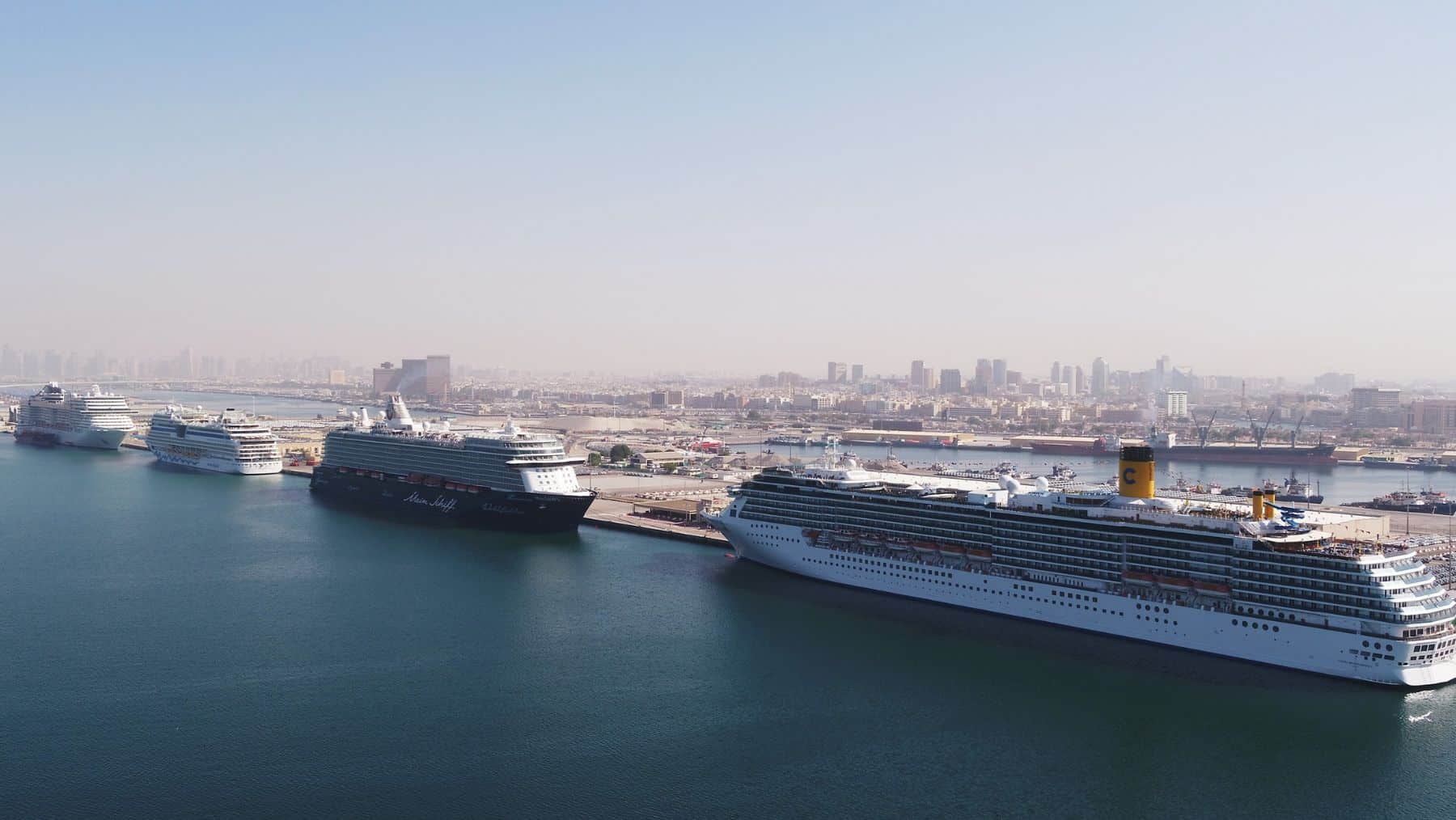
In response to the heightened security concerns, cruise lines operating within the Middle East have collectively announced a temporary cessation of all voyages in the region. This decision, effective immediately and until further notice, impacts a significant number of planned sailings. Major cruise operators with a presence in the Gulf region, including MSC Cruises and Celestyal Cruises, have confirmed the suspension of their Middle Eastern itineraries. These cancellations are a direct consequence of the prevailing instability, underscoring the industry’s commitment to passenger safety as its paramount concern. The duration of these suspensions remains uncertain, contingent upon the de-escalation of regional hostilities and a comprehensive reassessment of security protocols by maritime authorities.
Navigating Flight Disruptions: Advice for European Bound Travelers
For travelers with flights to Europe that typically transit through the Middle East, the Australian Travel Industry Association (ATIA) has issued guidance suggesting that passengers should await official cancellations from their respective airlines. This recommendation is rooted in the understanding that airlines, when initiating cancellations, often provide more flexible rebooking or refund options compared to passengers who preemptively cancel their bookings. Cruise lines, as of this report, have not yet released specific statements detailing their protocols for passengers affected by these flight disruptions, leaving a degree of uncertainty for those whose onward journeys depend on these air connections.
Impact on River Cruises and Regional Travel
The conflict’s ripple effects extend to other forms of travel, including popular river cruise itineraries. Viking has announced the cancellation of approximately 40 voyages in Egypt through the end of March, citing the volatile situation. Similarly, Avalon Waterways, part of the Globus family of brands, has proactively canceled its March departures to Qatar, Jordan, Dubai, and Egypt, emphasizing a precautionary approach due to the evolving regional dynamics. While these cancellations are framed as an "abundance of caution," they reflect the broad impact of the conflict on travel planning. However, some operators, like AmaWaterways, have indicated that their sailings in Egypt will proceed as planned, with the company closely monitoring the situation and prioritizing guest and crew safety. Uniworld has also issued advisories for travel to Jordan and Egypt, noting potential flight disruptions due to airspace closures over Jordan, but assuring that their programs will operate as usual for those unaffected by these air travel issues.
Understanding Cruise Cancellations and Compensation
Should a cruise be canceled directly due to the conflict, passengers are generally entitled to a refund from the cruise line. Many cruise operators also offer future cruise credits, often valued at more than 100% of the original fare, providing an alternative for those who wish to rebook at a later date. The specifics of these compensation packages can vary between cruise lines, and it is advisable for passengers to consult directly with their provider for detailed information.
The Broader Implications for the Cruise Industry
The long-term impact of the Middle East conflict on the global cruise industry remains a subject of ongoing assessment. The duration and scope of the conflict, along with potential further international involvements, will be critical factors in determining its wider ramifications. In the short term, a possible consequence could be an increase in fuel prices, which may translate to higher operational costs for cruise lines and potentially higher fares for consumers. Furthermore, shifts in consumer confidence and travel preferences could lead to a recalibration of popular cruise destinations.
Guidance for Upcoming Cruises and International Travel
For individuals with international cruise plans in the coming weeks and months, maintaining open communication with their cruise line and airline is essential. This proactive approach ensures that any potential changes or disruptions are addressed promptly, safeguarding the intended holiday experience. The ATIA’s advice for those needing to fly via the Middle East to reach European destinations is to wait for airline cancellations. If travel is more than a month away, there is time to observe how the situation unfolds. For more immediate travel, direct communication with the cruise line and airline is critical. Princess Cruises, for example, has communicated directly with guests affected by air travel disruptions, arranging alternate travel options.
Frequently Asked Questions and Expert Advice
To further clarify the situation for travelers, a comprehensive set of frequently asked questions has been compiled, drawing on insights from industry experts and travel insurance providers like 1Cover.
Will my cruise still go ahead as normal?
Unless your cruise itinerary directly involves the Middle East, most cruise lines are continuing operations as scheduled. Cruises in nearby regions, including parts of Europe, are also largely unaffected at this time. However, it is always recommended to verify with your specific cruise line for the latest updates.
Have cruises been cancelled?
To date, cancellations have been limited to cruises operating directly out of the Middle East. Cruise lines have not broadly canceled operations in other regions like Europe.
What if I have a cruise planned in the next few weeks or months?
If your cruise involves flying through the Middle East, consider waiting to see how events unfold, especially if your travel is more than a month away. For imminent travel, contact your cruise line and airline. If your European cruise requires a flight through the Middle East, explore alternative flight routes.
What happens if my cruise gets cancelled?
If your cruise is canceled due to the conflict, you are typically entitled to a refund. Cruise lines may also offer a future cruise credit, often exceeding the value of your original booking.
How could this conflict affect the cruise industry?
The full impact is still unfolding. Potential short-term consequences include increased fuel prices and adjustments in destination popularity.
Can I still travel to Egypt for a river cruise?
Some river lines are still operating in Egypt, but others, like Viking and Avalon Waterways, have canceled March voyages in the region. AmaWaterways and Uniworld are continuing their Egyptian itineraries, with safety protocols closely monitored.
What is the advice for travellers who have booked flights in the Middle East departing in the next two months?
Expect potential delays or cancellations. Airlines are actively rerouting flights to avoid affected airspace, which may lead to minor disruptions. It is generally advised to wait for airline cancellations before canceling your own booking to maximize refund or rebooking options.
Which countries should I not travel to due to the conflict?
Smart Traveller advises Australians to avoid Bahrain, Iran, Iraq, Israel, Kuwait, Lebanon, Palestine, Qatar, Syria, the UAE, and Yemen. Travel to Jordan, Oman, and Saudi Arabia is advised to be reconsidered.
Has the advice changed for travellers due to the Middle East conflict?
Yes, the Department of Foreign Affairs and Trade (DFAT) has updated its travel advisories, placing several Middle Eastern countries on its "Do Not Travel" list and others under "Reconsider your need to travel." This may limit the Australian Government’s ability to provide consular assistance.
My travel insurance is going to expire, and I’m stuck overseas, what do I do?
Contact your insurer immediately. Many are offering free extensions or coverage for travel disruptions. If your current insurer cannot assist, explore other providers that offer coverage for travelers already overseas.
Will my insurance cover travel disruptions due to the conflict?
Most travel insurance policies exclude coverage for acts of war. Claims directly related to the conflict are unlikely to be covered. However, unrelated issues like medical emergencies may still be covered. The Insurance Council of Australia encourages submitting claims even if coverage is uncertain.
If I don’t want to travel anymore due to the situation – what should I do?
Avoid canceling your flight yourself, as this may forfeit refund eligibility. If the airline cancels, you are more likely to receive a refund or credit. For cruises, consider pausing payments or contacting the cruise line for a future cruise credit instead of canceling outright.
What should I do to stay informed as the conflict continues?
Regularly check Smart Traveller advisories for your destination, monitor updates from your cruise line and airline, and read reputable news sources. Consulting a cruise agent for personalized advice is also recommended.
I’m stuck in a region experiencing travel disruptions – what should I do?
The Department of Foreign Affairs and Trade has established a 24/7 Crisis Centre providing consular support to Australians in the Middle East. Register with DFAT if you are in Israel, Iran, Qatar, or the USA.
What are other ways to fly to Europe for Australians?
Alternative flight routes to Europe that bypass the Middle East include flying via Shanghai (China Eastern), Singapore (Qantas, Scoot, Singapore Airlines), Vietnam (Vietnam Airlines), South Korea (Korean Air), or direct flights from Perth to London or Paris (Qantas).
Are flights to other regions affected?
While most flights are operating, disruptions are becoming more widespread across Asia and Europe due to the knock-on effects of Middle Eastern flight cancellations and airspace closures.
What happens if my flight is cancelled but I need to get to my cruise or tour?
Contact your cruise or tour provider immediately. They may offer flexibility such as credits or rebooking, particularly if the cruise or tour itself is impacted. If only the flight is canceled and the cruise proceeds, refunds are not guaranteed, and direct negotiation with your provider is advised.
I have a trip planned. What are my options if I’m worried about travelling due to a conflict or security situation?
Airlines are prioritizing safety and rerouting flights. Stay updated via Smartraveller and your travel provider. While travel insurance typically excludes war-related losses, it remains crucial for other travel risks.


 Gabriela Annisa
 Tatiana Tantri Indah Sari
 Budi Mulyono
 Anjar Salim