
 Anjar Salim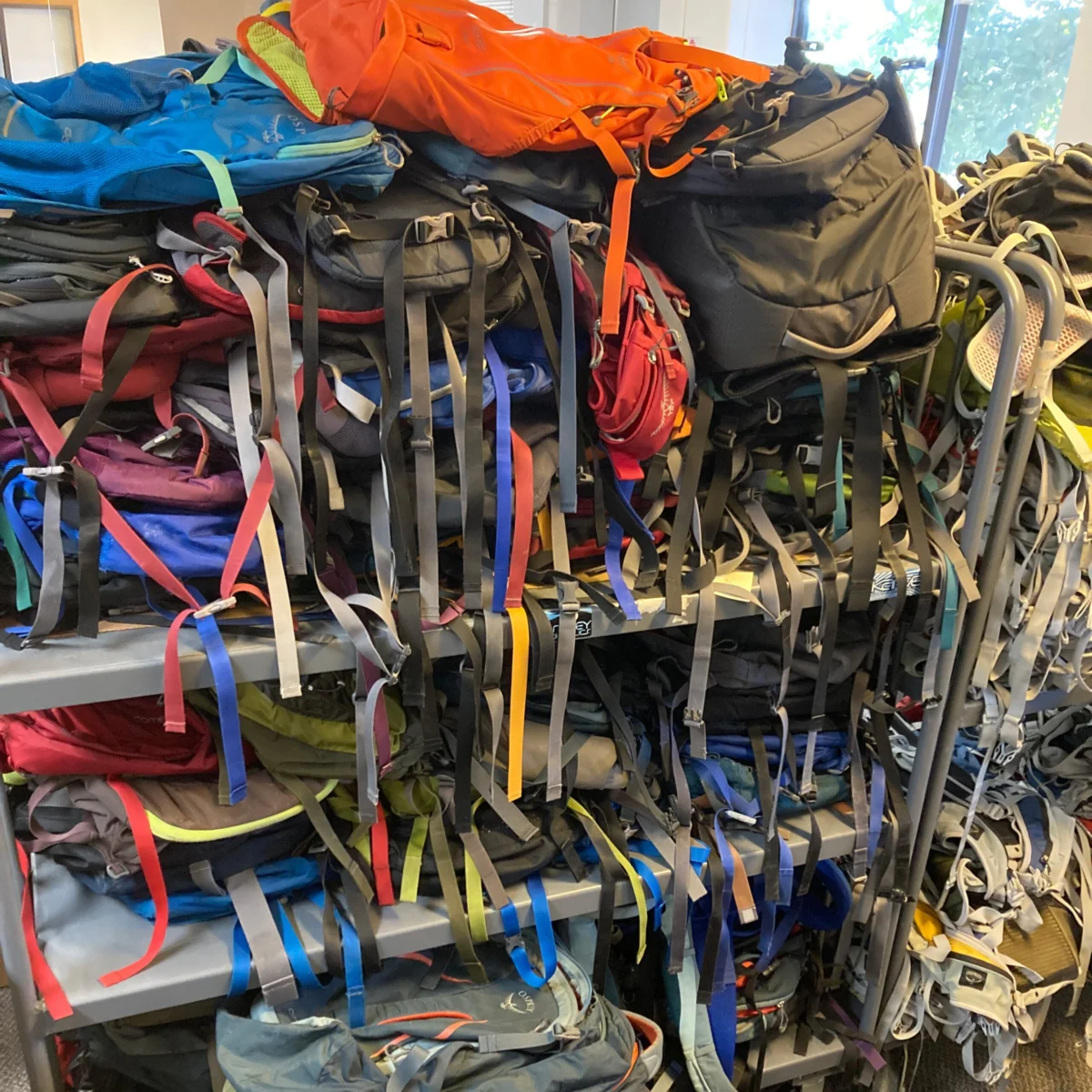
Philip Henderson, the 63-year-old veteran mountaineer and expedition leader, has spent the last four years transforming a historic achievement on the world’s highest peak into a permanent movement for outdoor equity and environmental sustainability. As of April 2026, Henderson’s mission has expanded from the slopes of Mount Everest to the classroom lecterns of New England and a specialized gear repair workshop in Cortez, Colorado. His work represents a multifaceted approach to dismantling the systemic barriers that have historically excluded Black and Brown communities from the high-alpine world, while simultaneously addressing the outdoor industry’s growing waste crisis through his latest venture, Full Circle Rural Gear Repair.
The cornerstone of Henderson’s current public life is his commitment to storytelling as a tool for social change. Recently, Henderson completed a speaking engagement at Bowdoin College in Maine, where he addressed students about the complexities of leadership and representation. His schedule for late April 2026 includes a trip to Louisville, Kentucky, to meet with fifth-grade students. These visits are not merely retrospective accounts of a 2022 climb; they are intentional interventions designed to provide young people of color with a visible archetype of Black leadership in the wilderness. By bringing mountaineering equipment—including specialized high-altitude summit suits and four-season tents—into inner-city schools and rural communities, Henderson demystifies an industry that often feels inaccessible due to its high cost of entry and lack of cultural representation.
The Historic Precedent of Full Circle Everest
To understand the weight of Henderson’s current work, one must look back to the spring of 2022, when he served as the expedition leader for Full Circle Everest. At the time, the project was a watershed moment in the history of mountaineering. Since the first successful ascent of Everest in 1953 by Sir Edmund Hillary and Tenzing Norgay, more than 10,000 successful summits have been recorded. However, prior to 2022, only eight Black climbers had ever stood atop the peak. This disparity was not a reflection of interest or capability, but rather a byproduct of a century of systemic exclusion in the United States and abroad, where access to expensive gear, specialized training, and high-altitude mentorship was largely reserved for a white, affluent demographic.
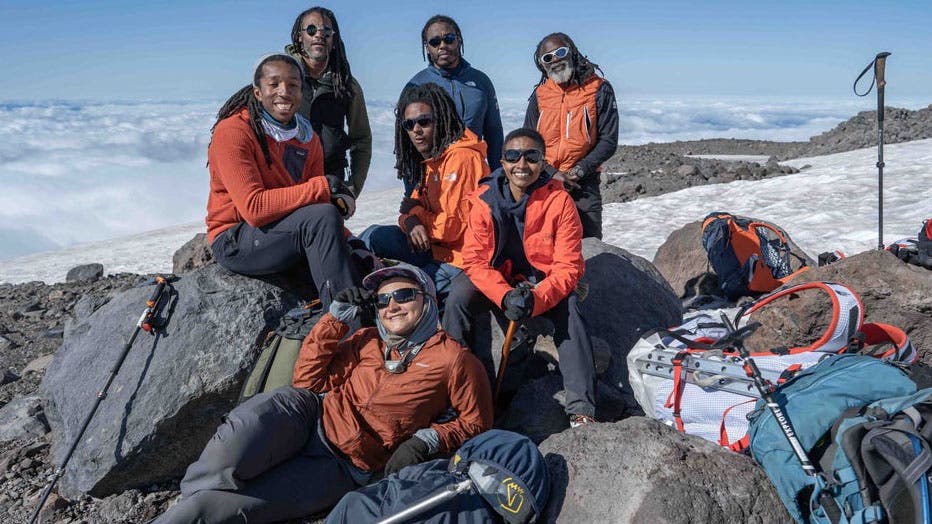
The Full Circle Everest team sought to shatter this "summit ceiling." Under Henderson’s leadership, the team arrived in Nepal with a roster of 11 experienced climbers. While Henderson managed the critical logistical operations and communications from Base Camp—a role that required navigating the volatile weather patterns and oxygen supply chains of the Khumbu Icefall—seven members of the team successfully reached the 29,032-foot summit. Those climbers included Manoah Ainuu, Eddie Taylor, Demond Mullins, Thomas Moore, James Kagami, Rosemary Saal, and Evan Green. Their success nearly doubled the number of Black climbers who had ever summited Everest in a single afternoon.
A Chronology of Inclusion and Barriers
The journey to the 2022 expedition was decades in the making. For Henderson, a former instructor for the National Outdoor Leadership School (NOLS) and a veteran guide with experience in the Himalayas, Kenya, and South America, the Everest project was the culmination of a lifetime spent as one of the few Black faces in the professional guiding world.
- 1960s–1990s: Mountaineering in the U.S. grows as a recreational industry, but remains largely segregated due to socioeconomic factors and the "adventure gap."
- 2003: Sibusiso Vilane becomes the first Black person to summit Everest.
- 2006: Sophia Danenberg becomes the first Black woman and first African American to reach the summit.
- 2021: Full Circle Everest begins rigorous training and fundraising, gaining global media attention for its goal of 100% Black representation on the team.
- May 2022: The team achieves its historic summit, sparking a new dialogue about diversity in the outdoor industry.
- 2023–2025: Henderson transitions from expedition leader to educator and sustainability advocate, launching national speaking tours.
- 2026: Full Circle Rural Gear Repair receives critical funding, cementing Henderson’s legacy in the "Right to Repair" movement.
Supporting Data: The "Adventure Gap" and Economic Realities
The necessity of Henderson’s work is underscored by stark industry data. According to the Outdoor Industry Association’s (OIA) 2023 report, while participation in outdoor recreation has reached record highs, Black Americans represent only about 9% of total outdoor participants, despite making up roughly 13% of the U.S. population. Furthermore, the "economic barrier" to elite mountaineering remains the most significant hurdle. A standard Everest expedition in 2026 costs between $45,000 and $100,000 per person, factoring in permits, gear, logistics, and travel.
Henderson’s strategy addresses this gap by focusing on the "pipeline" of talent. By visiting predominantly Black schools, he aims to influence the next generation of guides and industry leaders before they are discouraged by the lack of representation. "If they don’t see anyone in a leadership position that looks like them, then it won’t resonate with them as something they can realistically do in the future," Henderson noted. This sentiment is backed by educational research suggesting that "identity-congruent" mentoring is a primary factor in the career aspirations of marginalized youth.
Innovation in Sustainability: Full Circle Rural Gear Repair
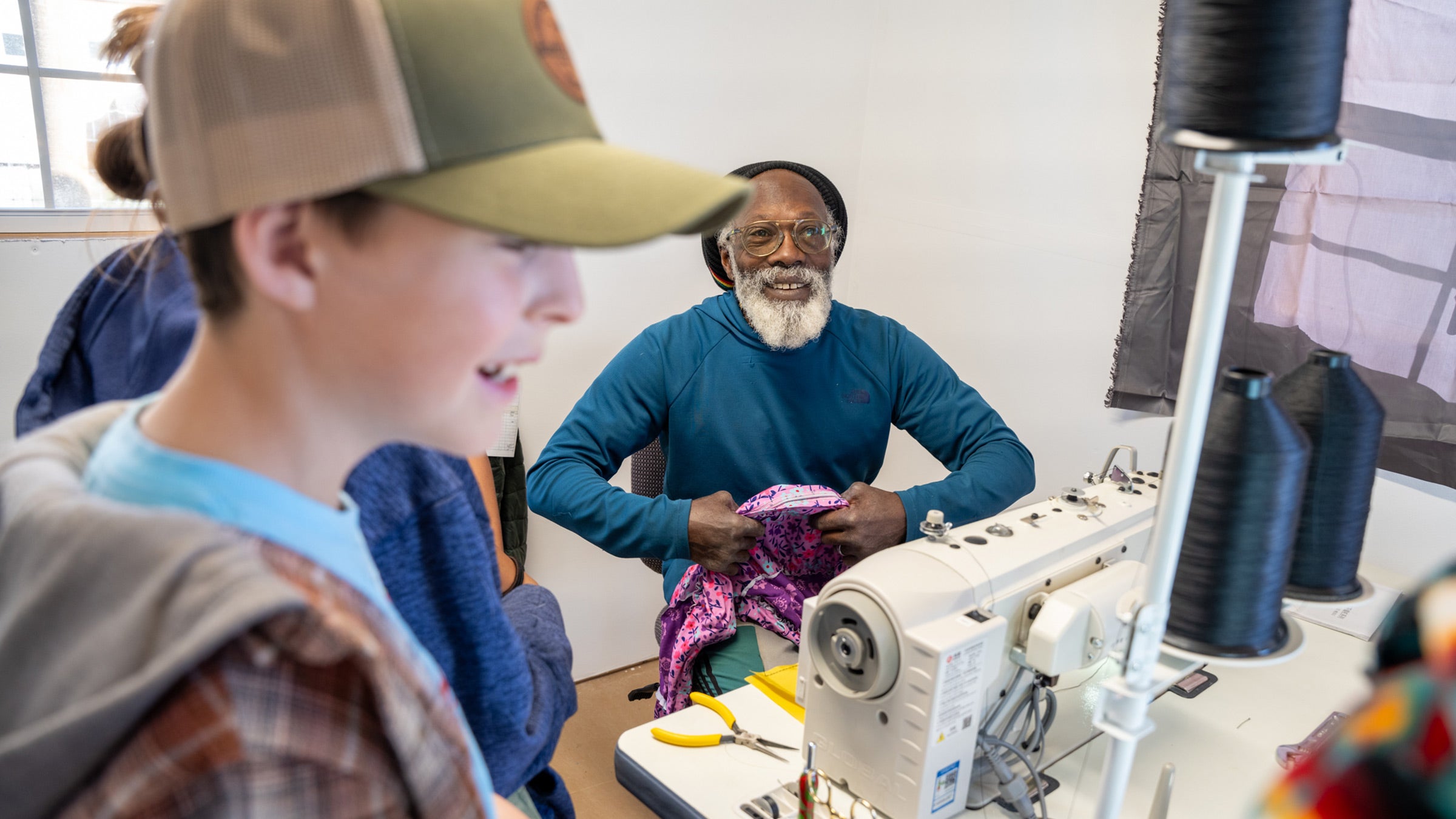
In 2026, Henderson’s focus has expanded to include the physical tools of the trade. Recognizing that high-quality outdoor gear is often prohibitively expensive and environmentally taxing to produce, he launched Full Circle Rural Gear Repair in Cortez, Colorado. This initiative is more than a simple tailoring service; it is a direct challenge to the "disposable" culture of the modern apparel industry.
The project was galvanized by a grant from the LOR Foundation, a non-profit organization dedicated to improving the quality of life in rural Western towns. With this funding, Henderson outfitted his workshop with industrial-grade machinery, including two industrial sewing machines, a bartack machine for heavy-duty structural stitching on backpacks and tents, and a heat press for technical fabric welding and patches.
Henderson’s background as a repair specialist for Osprey Packs provided him with the "trade secrets" necessary to revive equipment that would otherwise end up in landfills. He teaches techniques such as cleaning and restoring hook-and-loop fasteners (Velcro), replacing technical zippers, and salvaging hardware from unsalvageable items to repair others. This "upcycling" philosophy serves two purposes: it makes outdoor gear more affordable for local non-profits and individuals in need, and it reduces the carbon footprint of the outdoor community.
Industry Implications and the "Right to Repair"
Henderson’s shift toward gear repair aligns with a broader global movement known as the "Right to Repair." As consumers and legislators push for companies to make products more durable and repairable, Henderson is positioning himself as a leader in the rural application of these principles. His plan to launch a mentorship program within the repair shop aims to teach these technical skills to others, potentially creating a new vocational path in rural Colorado.
Industry analysts suggest that the "circular economy" in the outdoor sector—where products are repaired and resold rather than replaced—is expected to grow by 15% annually through 2030. Henderson’s work in Cortez provides a blueprint for how small-scale, community-based repair hubs can compete with large-scale manufacturing by offering personalized, high-skill service.
Official Responses and Broader Impact
The impact of Henderson’s work has been recognized by both the mountaineering community and social justice advocates. Representatives from the LOR Foundation have praised Henderson’s ability to connect global achievements with local solutions. "Philip Henderson represents the best of what rural innovation looks like," a spokesperson for the foundation stated. "He is taking the lessons learned on the world’s highest stage and applying them to the everyday needs of his neighbors in Cortez."
Furthermore, the members of the original Full Circle Everest team continue to collaborate with Henderson, often joining him for speaking engagements or contributing to the gear repair initiatives. Their collective voice has pressured major outdoor brands to move beyond "performative" diversity in marketing and toward substantive investment in community programs and equitable hiring practices.
Conclusion: A Legacy Beyond the Summit
As Philip Henderson moves through 2026, his work serves as a reminder that the true success of an expedition is measured by what happens after the climbers return home. By focusing on education and sustainability, he is ensuring that the 2022 Everest ascent was not an isolated event, but the beginning of a systemic shift.
Whether he is helping a fifth-grader in Kentucky zip up a down-filled summit suit or meticulously repairing a broken backpack strap in his Colorado workshop, Henderson is building a future where the outdoors are defined by inclusion rather than exclusion. His "lifetime of work" continues to prove that while reaching the top of the mountain is a monumental feat, the real challenge—and the real reward—lies in making sure the path remains open for everyone who follows.




 Budi Mulyono
 Chandra Hamzah
 Tatiana Tantri Indah Sari

 Lukman Taruna Persada Ramadan