
 Cholid Fahmi Thalib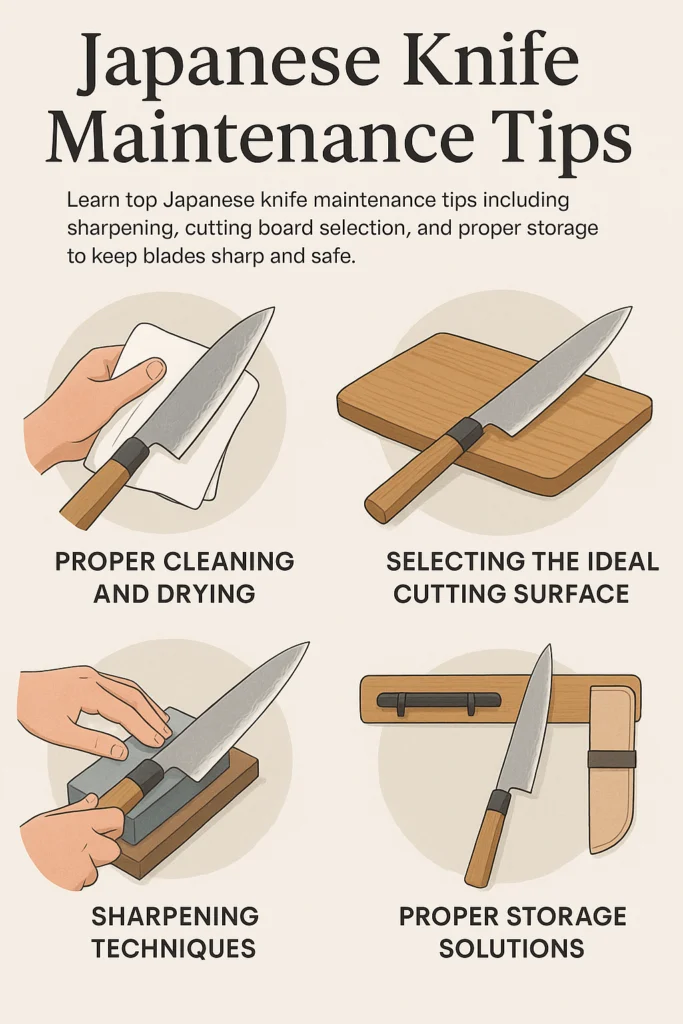
The meticulous care of Japanese knives is not merely a chore but an essential practice that safeguards the very essence of these finely crafted culinary instruments. Renowned globally for their unparalleled sharpness, exquisite balance, and elegant design, Japanese knives represent a pinnacle of artisanal skill. However, without consistent and proper maintenance, their exceptional performance can degrade, leading to compromised blades, diminished cutting efficacy, and ultimately, an impact on the final culinary outcome. Understanding and implementing effective cleaning, sharpening, storage, and usage techniques transforms these delicate tools into enduring partners in the kitchen, capable of delivering peak performance for years, even decades, to come. This comprehensive approach ensures that each knife remains a testament to its inherent precision and craftsmanship.
The Foundation: Daily Cleaning and Drying Rituals
The cornerstone of Japanese knife maintenance lies in immediate and thorough cleaning following each use. Blades crafted from high-carbon steel and layered Damascus steel are particularly susceptible to corrosion and staining if left in contact with food residue or moisture. A gentle wash with warm water and a mild dish soap effectively removes oils, acids, and microscopic food particles that can etch the blade over time. Crucially, Japanese knives should never be subjected to the harsh environment of a dishwasher. The aggressive detergents and high heat cycles employed by these machines can degrade the delicate edge, compromise the integrity of the handle materials, and lead to premature wear.
Following the wash, meticulous drying with a soft, absorbent towel is paramount. Even brief exposure to residual water can initiate the formation of rust spots or oxidation on high-carbon steel, detracting from both the aesthetic appeal and the blade’s structural integrity. Establishing this routine after every single use is not just a habit; it is a critical preventative measure that actively preserves sharpness, significantly extends the lifespan of the blade, and minimizes the risk of unsightly stains and irreversible corrosion.
The Cutting Surface: A Critical Partnership
The material of the cutting board plays a pivotal role in the longevity and performance of Japanese knives. A Japanese cypress (Hinoki cypress) cutting board is often the preferred choice among discerning chefs and enthusiasts. Its unique combination of softness and durability allows it to absorb the impact of the blade, thereby reducing edge wear and helping to maintain a razor-sharp cutting edge. In stark contrast, hard surfaces such as glass, stone, or metal are inimical to the delicate edge of a Japanese knife. These unforgiving materials can rapidly dull the blade, and in some instances, even cause micro-chipping or more significant damage to the edge geometry.
Beyond preserving the knife’s edge, the use of a wooden board, particularly one with a yielding quality, prevents the tearing or crushing of delicate ingredients. This is especially noticeable when working with softer vegetables or fish, resulting in cleaner, more precise slices and a more aesthetically pleasing presentation. Rotating between different cutting boards for various food types also contributes to even wear, further extending the knife’s cutting capabilities. This thoughtful selection of a cutting surface is an integral, yet often overlooked, aspect of holistic knife care.
The Art of the Edge: Sharpening Techniques
Maintaining a keen edge is fundamental to both the optimal performance and the inherent safety of a Japanese knife. Improperly sharpened knives require more force to cut, increasing the likelihood of slips and accidents. The use of whetstones (sharpening stones) is the traditional and most effective method for gradually restoring a blade’s sharpness without removing an excessive amount of material. The process typically begins with a coarse grit stone, ideal for addressing significant dullness or repairing minor nicks. Progressively finer grit stones are then employed to refine the edge, culminating in a polished finish that maximizes cutting efficiency.
For Japanese knives, particularly those with a single bevel (like Yanagiba or Deba knives), maintaining a consistent sharpening angle is of paramount importance. While double-beveled knives also benefit immensely from careful angle control, the precise geometry of single-bevel knives demands a dedicated approach. Applying minimal pressure throughout the sharpening stroke, while meticulously working along the entire length of the blade, ensures the creation of a clean, uniform, and exceptionally sharp edge. Regular sharpening not only prevents uneven cuts and reduces the physical effort required for slicing but also restores the tactile satisfaction and precision that define the experience of using a well-maintained Japanese knife. Data from culinary institutes suggests that knives sharpened to an optimal angle can reduce cutting time by up to 30% for certain tasks compared to duller blades.
The In-Between: Honing for Sustained Performance
Honing, often confused with sharpening, serves a distinct yet equally vital purpose in maintaining a knife’s edge. While sharpening removes microscopic amounts of metal to create a new edge, honing realigns the microscopic bends and irregularities that inevitably develop along the blade’s edge during regular use. This process essentially straightens the microscopic teeth of the edge, restoring its smoothness and cutting efficiency without significant material loss. A honing rod, often made of steel, ceramic, or diamond-infused material, is used to achieve this.
The distinct bevel geometries of single and double-beveled knives necessitate different honing techniques. Understanding the blade’s profile ensures that each stroke effectively addresses the edge without causing unintended damage. Regular honing between sharpening sessions significantly reduces resistance when cutting, leading to improved precision and speed. Many professional chefs incorporate short, frequent honing sessions into their daily prep routines, recognizing that this practice is key to maintaining consistent performance. This proactive approach ensures that each cut remains clean and effortless, minimizing the need for frequent, more intensive sharpening.
Safeguarding the Blade: Proper Storage Solutions
Effective storage is crucial for protecting both the integrity of the blade and the safety of the user. Japanese knives should never be stored loosely in a drawer, where their delicate edges can come into contact with other utensils, leading to dulling and potential damage. Fabric sheaths or roll-up carrying bags provide individual protection for each blade and are ideal for transport, safeguarding the edges from abrasion.
Magnetic knife strips offer a secure and accessible storage solution, keeping knives readily available without their edges making contact with any surfaces. For knife blocks, it is essential that the slots fit snugly, preventing the knife from wobbling and minimizing the risk of accidental edge damage. Proper storage not only preserves sharpness and prevents rust but also significantly reduces the potential for accidents in busy kitchen environments. Studies on kitchen safety have indicated a correlation between organized knife storage and a reduction in workplace injuries.
The Handle’s Role: Control and Comfort
The handle of a Japanese knife is as critical to its functionality as the blade itself, providing essential control and stability during use. Wooden handles, often crafted from materials like rosewood or ebony, may require occasional oiling with food-grade mineral oil to prevent them from drying out, cracking, or warping, especially in environments with fluctuating humidity. Composite or synthetic handles, while generally more robust, benefit from regular visual inspection to detect any signs of loosening, chipping, or cracking that could compromise grip and safety.
A secure and well-maintained handle reduces fatigue during extended food preparation sessions and, more importantly, prevents slips that can lead to serious accidents. Proper handle maintenance also ensures that the blade feels balanced and responsive in the hand, contributing to both precision in cutting and overall comfort during culinary tasks.
Battling the Elements: Rust Prevention
High-carbon steel blades, celebrated for their superior sharpness, are inherently more susceptible to rust if not properly cared for. The primary defense against rust involves keeping the knives consistently dry, utilizing appropriate cutting surfaces, and applying a thin, protective layer of food-grade mineral oil after cleaning. While stainless steel knives are significantly more resistant to corrosion, they are not entirely immune and still benefit from careful drying and storage practices.
Rust not only detracts from the knife’s aesthetic appeal but can also negatively impact its cutting performance by creating friction and an uneven surface. Maintaining a protective oil layer, diligently monitoring for moisture, and promptly cleaning the knife after contact with acidic foods are all essential steps in preserving both the functional integrity and the visual beauty of the blade. Historically, chefs have relied on natural oils from food and hands, but modern preventative measures offer more consistent protection.
The Expert Touch: Professional Sharpening and Edge Care
Even with diligent home maintenance, occasional professional sharpening can restore Japanese knives to their absolute peak condition. Experienced sharpeners possess an intimate understanding of the specific bevel angles characteristic of Japanese knife making and can refine edges with precision, removing minimal material. This is particularly beneficial for knives crafted from high-carbon steel or those with particularly delicate edges. After extended periods of heavy use, professional attention can rejuvenate a blade, ensuring it continues to perform optimally.
Furthermore, professionals can often identify and correct minor handle issues that might go unnoticed during routine checks. Integrating professional sharpening services into a regular maintenance schedule, alongside consistent home care, ensures that the knife’s cutting quality is consistently maintained, allowing it to perform reliably for years to come. Many high-end knife manufacturers recommend professional servicing every 1-2 years for heavily used blades.
The Rhythm of Care: Frequency and Routine Maintenance
The optimal frequency of maintenance is directly proportional to the knife’s usage. In a professional kitchen environment, where daily tasks involve extensive chopping, slicing, and filleting, weekly honing and periodic sharpening are often necessary to maintain peak performance. Knives that are used less frequently still benefit from regular inspection, light cleaning, and occasional honing to prevent edge degradation.
Paying close attention to the knife’s performance is key to determining when maintenance is required. Signs such as increased cutting resistance, uneven slices, or a visible dulling of the edge are clear indicators that sharpening or honing is needed. Establishing and adhering to a regular care routine ensures that knives remain sharp, safe, and efficient, minimizing unnecessary wear and tear and enhancing overall culinary productivity.
Seamless Integration: Maintenance in Daily Practice
Incorporating Japanese knife maintenance into everyday kitchen routines simplifies the process without disrupting the flow of cooking. Washing the knife immediately after use, drying it thoroughly, and storing it carefully are fundamental practices that protect the blade. Regular honing and periodic sharpening are essential for preserving cutting precision.
The consistent use of a Japanese cypress cutting board and the avoidance of hard surfaces significantly reduce edge wear. Adhering to these habits consistently keeps knives responsive, safe, and reliable. Over time, the meticulous care of these tools becomes second nature, leading to smoother food preparation, increased efficiency, and a noticeable enhancement in culinary presentation. This mindful approach elevates the act of cooking from a task to an art form, where every tool is respected and optimized for its purpose.
The Enduring Legacy: Preserving Precision and Craftsmanship
By diligently applying thoughtful Japanese knife maintenance tips, each knife is transformed into a long-lasting, precise, and reliable culinary partner. The consistent use of a whetstone, cutting on a Japanese cypress cutting board, regular honing, and appropriate storage in fabric sheaths or roll-up carrying bags all contribute to preserving both the edge and the handle.
Proper cleaning, drying, and handling care are essential to prevent corrosion and minimize wear, thereby maintaining the knife’s aesthetic and functional qualities. This consistent commitment to maintenance not only prolongs the life of the blade but also serves as a profound act of respect for the intricate craftsmanship that defines each individual tool. Ultimately, this dedication ensures that every slice, chop, and garnish is executed with the sharp precision and aesthetic beauty that are the hallmarks of a masterfully maintained Japanese knife, a legacy of culinary excellence passed down through generations.




 Anjar Salim
 Dwi Wanna
 Budi Mulyono
 Lukman Taruna Persada Ramadan
 Chandra Hamzah
 Gabriela Annisa