
 Hendra Ismail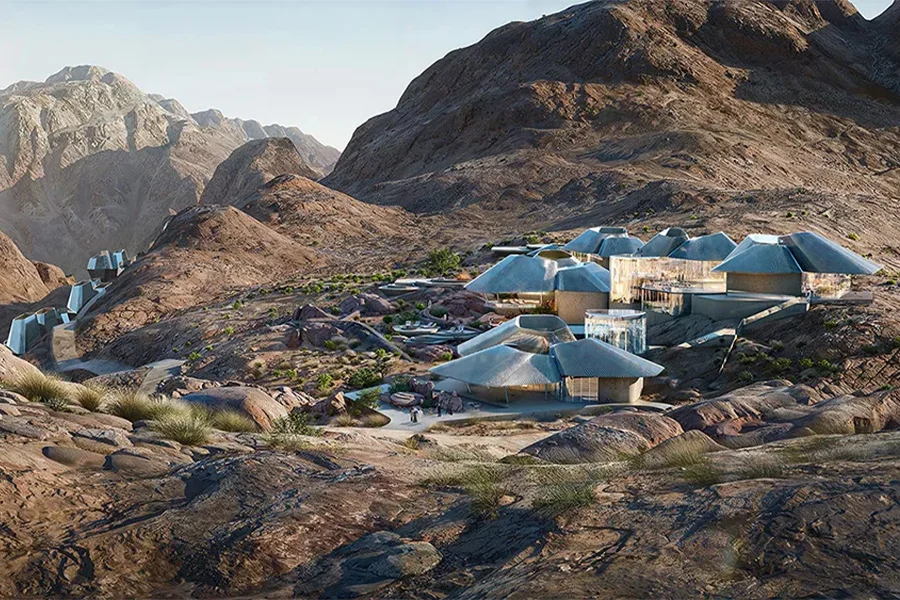
A weekly roundup of headlines from around the world that are affecting the hospitality industry
The global hospitality sector is navigating a complex landscape of ambitious development, artistic innovation, and shifting economic tides, as highlighted by this week’s key developments. From the ambitious, and at times turbulent, megaprojects in Saudi Arabia to the enduring appeal of iconic design and the evolving nature of cultural experiences, the industry continues to demonstrate both its resilience and its capacity for reinvention. This edition of Five on Friday delves into significant news impacting hotels, resorts, and the broader travel and design ecosystem, offering insights into trends, challenges, and emerging opportunities.
NEOM’s Ambitious Projects Face Contractual Headwinds Amidst Shifting Global Dynamics
The sprawling NEOM megaproject in Saudi Arabia, envisioned as a futuristic hub for tourism and innovation, is experiencing significant adjustments to its ambitious development plans. Reports indicate that three key companies have cancelled contracts related to crucial components of the project, namely The Line and the Trojena ski resort. This development casts a spotlight on the logistical and financial complexities inherent in undertaking mega-developments of this scale, particularly in regions subject to evolving geopolitical considerations.
Steel company Eversendai and Italian contractor Webuild have officially terminated their agreements pertaining to the construction of elements within the NEOM development. Furthermore, Hyundai Engineering & Consulting announced the cancellation of its contract, held in conjunction with Samsung Construction and Trading and contractor Archirodon, for the construction of a tunnel integral to The Line. These contract terminations follow closely on the heels of the announcement that Trojena will no longer serve as the host for the 2029 Asian Winter Games. The withdrawal of the Games, a significant event expected to draw international attention and investment, suggests a potential recalibration of timelines and priorities for the NEOM initiative.
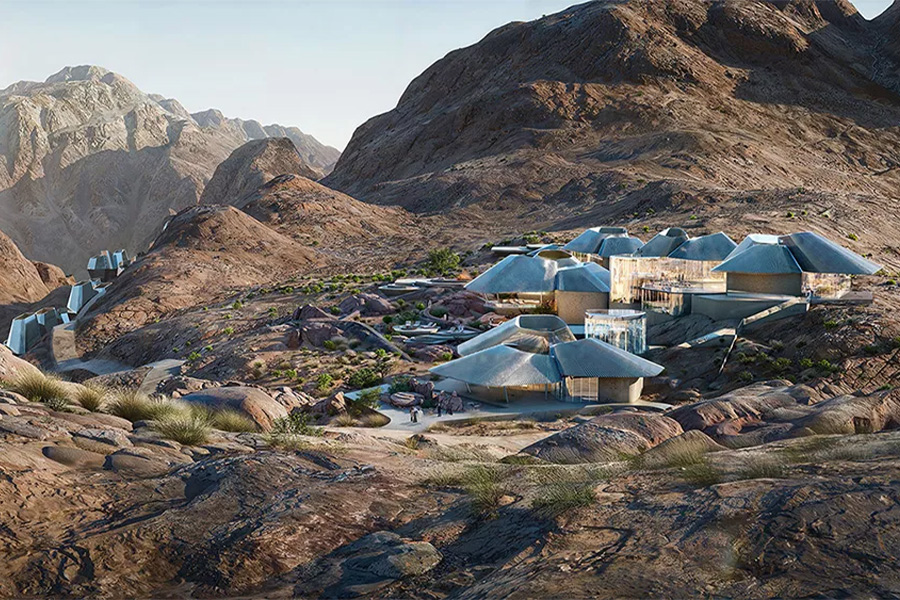
The rationale behind these contract cancellations appears multifaceted. While the original reporting by Dezeen pointed towards the slowdown of progress amid geopolitical shifts in the Middle East, Eversendai has publicly stated that its other projects in the region remain unaffected. This suggests that the specific challenges may be localized to the NEOM contracts rather than indicative of a broader regional downturn in construction activity. The sheer scale of NEOM, a project aiming to create an entirely new urban and tourism infrastructure, inherently carries substantial risk. The financial commitments involved are immense, and any unforeseen delays or changes in economic forecasts can trigger such adjustments. The NEOM project, launched in 2017, is a cornerstone of Saudi Arabia’s Vision 2030, a transformative economic and social reform plan aimed at diversifying the Kingdom’s economy away from oil dependence. The Line, a proposed linear city stretching 170 kilometers, and Trojena, an alpine tourism destination, represent some of the most audacious elements of this vision. The planned hospitality offerings, including a Ritz-Carlton Reserve in Trojena, underscore the integral role the luxury hospitality sector plays in NEOM’s long-term strategy. The current contract adjustments, while disruptive, may ultimately lead to a more streamlined and sustainable approach to realizing NEOM’s objectives. The implications for the hospitality industry are significant; delays in the opening of these flagship destinations could impact future booking projections and the strategic expansion plans of major hotel brands like Marriott and Raffles, whose properties are slated for the region.
The Enduring Legacy of Mid-Century Modernism: The Eames House Reimagined for a New Generation
In a move that celebrates the enduring influence of iconic design, the Eames Office has partnered with Spanish furniture manufacturer Kettal to unveil a modular construction system inspired by Charles and Ray Eames’s seminal Case Study #8 house. This collaboration, presented during Milan Design Week, offers design enthusiasts a tangible connection to a piece of architectural history, albeit in a scaled-down and adaptable format.
The system, detailed in Fast Company, allows consumers to acquire a version of the Eames House, a landmark of mid-century modern architecture originally located in Los Angeles’ Pacific Palisades. The initial offering is priced at approximately $52,000 for a roughly 170-square-foot indoor pavilion. While not a full-scale replica, the modular design emphasizes the Eameses’ philosophy of flexibility and adaptability, enabling users to combine and stack units to create larger configurations. This approach democratizes access to a piece of design heritage, allowing for its integration into various residential or commercial settings. For those seeking an outdoor application, a limited-edition outdoor version is slated for release in 2027, with a price tag approaching $69,000. This initiative taps into a growing market for prefabricated and modular housing solutions, blending high design with modern construction techniques. The appeal of owning a piece of Eames-designed architecture, even in this adapted form, speaks to the timeless allure of their aesthetic and their profound impact on residential design and the concept of modern living. The hospitality sector, ever attuned to design trends that resonate with discerning clientele, may find inspiration in this approach to modular, design-forward spaces, potentially influencing the development of boutique hotel suites or unique glamping accommodations.
James Turrell’s Monumental "Skyspace" Poised to Redefine Perception at ARoS Aarhus Art Museum
The art world and architectural enthusiasts are anticipating the June unveiling of James Turrell’s latest and largest Skyspace installation at Denmark’s ARoS Aarhus Art Museum. This permanent addition, titled "As Seen Below – The Dome," promises to be a significant contribution to Turrell’s renowned body of work, which explores the interplay of light, space, and human perception.
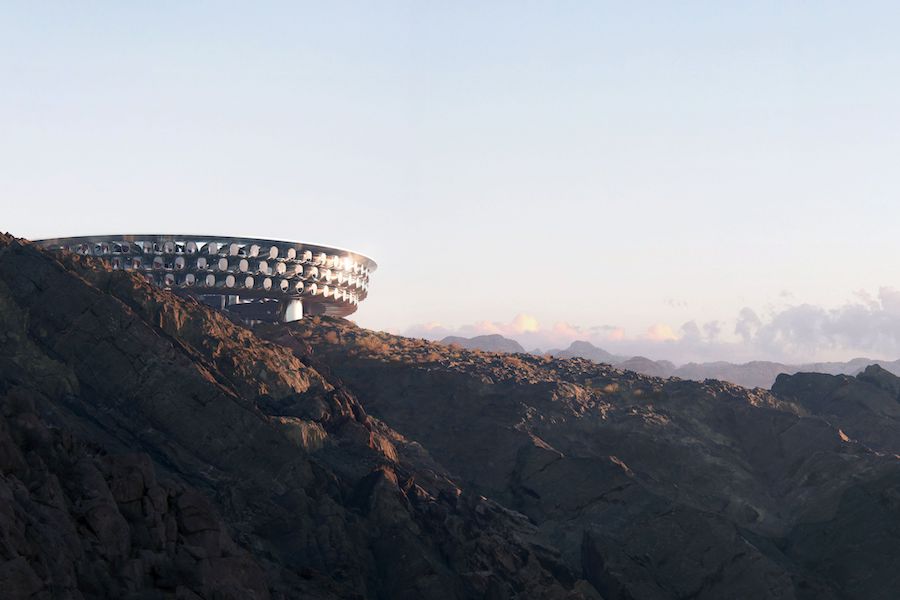
The Skyspace, a signature element of Turrell’s oeuvre, typically involves a specially designed chamber with an aperture in the ceiling that frames the sky. Through carefully controlled lighting and the natural illumination of the sky, these installations create immersive sensory experiences, altering the viewer’s perception of color, space, and even time. "As Seen Below – The Dome" is no exception, featuring a large-scale dome with a void that will filter natural light, blurring the boundaries between architecture, the environment, and the observer. This new installation marks the culmination of ARoS’s extensive expansion project, designed by Schmidt Hammer Lassen Architects. Measuring an impressive 52 feet in height and 131 feet in diameter, its monumental scale suggests an even more profound and enveloping experience for visitors. Turrell’s work has consistently influenced how we engage with art and space, and the hospitality industry, which relies heavily on creating memorable and immersive environments for guests, can draw considerable parallels. The integration of art and architecture to enhance guest experience is a growing trend, and Turrell’s approach offers a compelling model for creating spaces that are not merely functional but also profoundly contemplative and transformative. The potential for such artistic installations to become destinations in themselves, drawing visitors and enhancing the appeal of surrounding cultural and hospitality offerings, is substantial.
Navigating the Allure and Critique of Reality Television’s Architectural Landscapes
A recent deep dive into the world of reality television real estate, as explored by New Yorker writer Emma Allen and Dwell managing editor Jack Balderrama Morley, offers a fascinating lens through which to examine the aspirational and often curated aesthetics presented on screen. Morley’s new book, "Dream Facades: The Cruel Architecture of Reality TV," provides a critical analysis of the multimillion-dollar homes that serve as backdrops for popular reality shows, particularly on networks like Bravo.
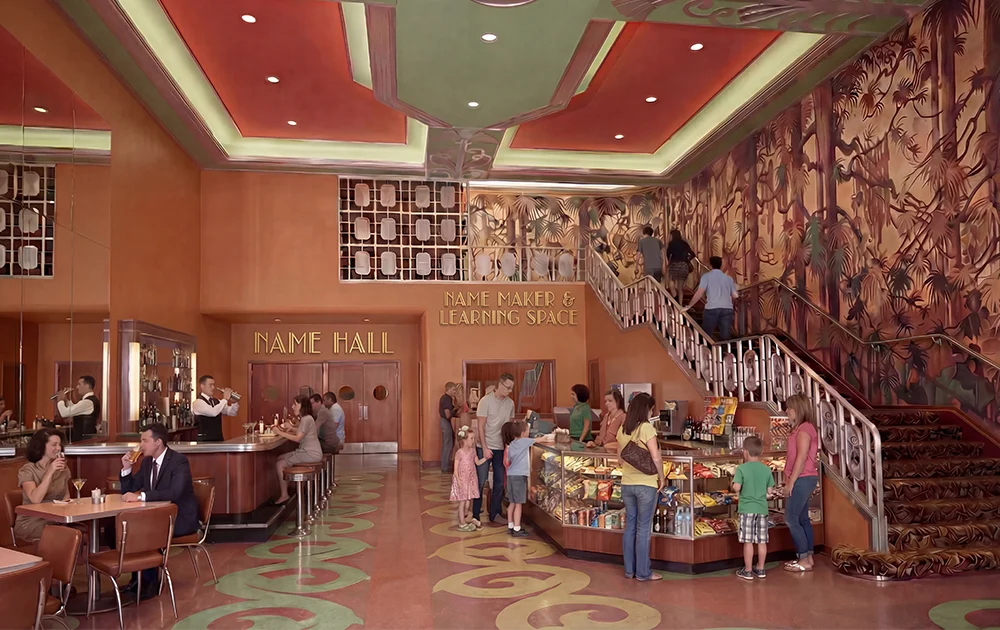
The book delves into how these opulent residences, often characterized by a trend towards "whitewashed living," can reflect and perpetuate narratives of gentrification and displacement, even as they remain objects of intense desire. The article highlights specific properties that have become synonymous with reality television stardom, including Bethenny Frankel’s former Upper East Side apartment and Sonja Morgan’s notorious townhouse, which entered the market in 2024. A particularly striking example featured is Jenna Lyons’s Meyer Davis-designed Soho loft, a testament to sophisticated urban living. These properties, while existing within the realm of fantasy for many viewers, nonetheless exert a powerful influence on design trends and consumer aspirations. For the hospitality industry, these visual narratives of extravagant living and meticulously designed spaces contribute to the broader cultural dialogue around luxury, comfort, and lifestyle. Hotels and resorts that can effectively capture and translate elements of this aspirational aesthetic into their own guest experiences stand to benefit from the enduring fascination with such polished and aspirational environments. The ability to create "Instagrammable" moments and offer guests a taste of a coveted lifestyle is a key driver of success in today’s competitive market.
HD Expo Unveils a Refreshed Brand Identity, Signaling a New Era of Industry Connection
The HD Expo, a cornerstone event for the hospitality design industry, has launched a vibrant new brand identity, marking a significant evolution for the trade show. This rebranding signifies a renewed commitment to fostering discovery, learning, and connection within the sector, positioning the expo as a leading platform for innovation and collaboration.
Developed in partnership with global creative agency forceMajeure, the refreshed identity is anchored by an arch motif. This symbolic element draws inspiration from architectural thresholds and spatial transitions, reflecting the show’s role in facilitating the movement and evolution of ideas within the hospitality design landscape. The introduction of bold coral and magenta tones injects the new branding with energy and dynamism, mirroring the forward-thinking spirit and creative drive that characterizes the contemporary hospitality industry. The HD Expo serves as a critical marketplace and networking hub, bringing together designers, architects, specifiers, and suppliers. Its evolution with a modern, energetic brand identity suggests a strategic effort to enhance attendee engagement and reinforce its position as an essential event for anyone involved in the creation and development of hospitality spaces. The upcoming HD Expo, scheduled for May 5-7th at the Mandalay Bay Convention Center in Las Vegas, will provide an in-person opportunity to experience this branding refresh and engage with the latest trends, products, and insights shaping the future of hospitality design. The implications for the industry are clear: the HD Expo remains a vital platform for driving business, fostering relationships, and staying at the forefront of design innovation.

 Anjar Salim
 Chandra Hamzah
 Tatiana Tantri Indah Sari
 Budi Mulyono

