
 Chandra Hamzah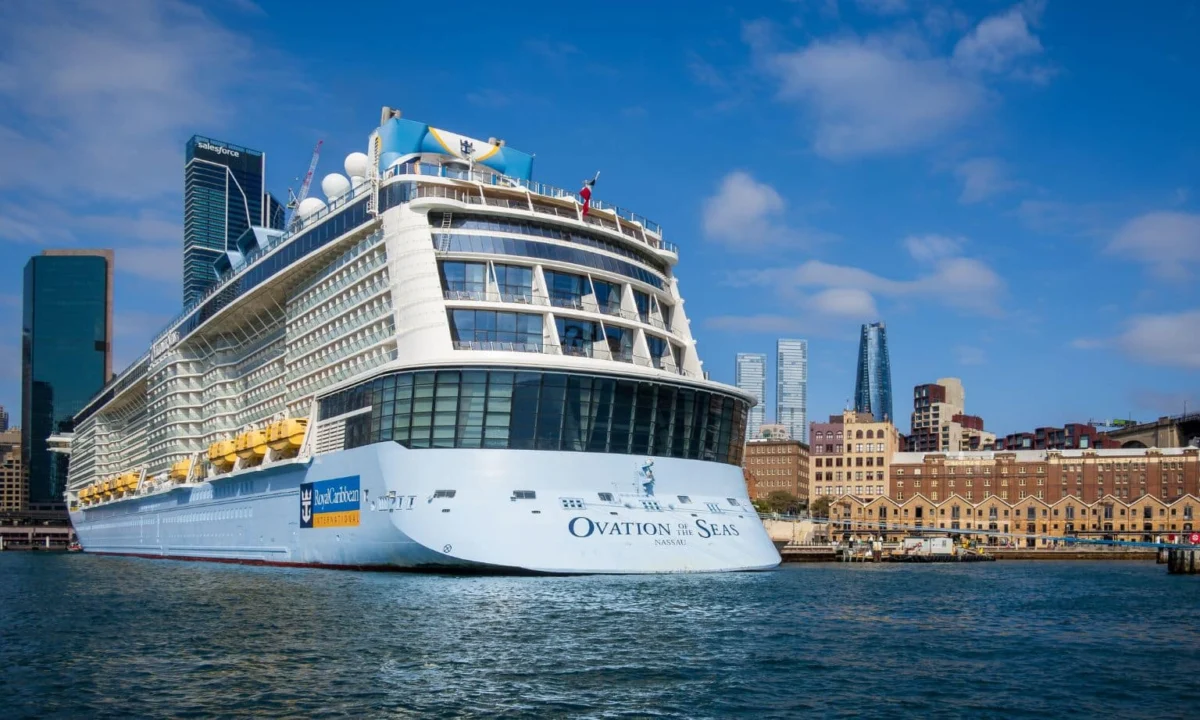
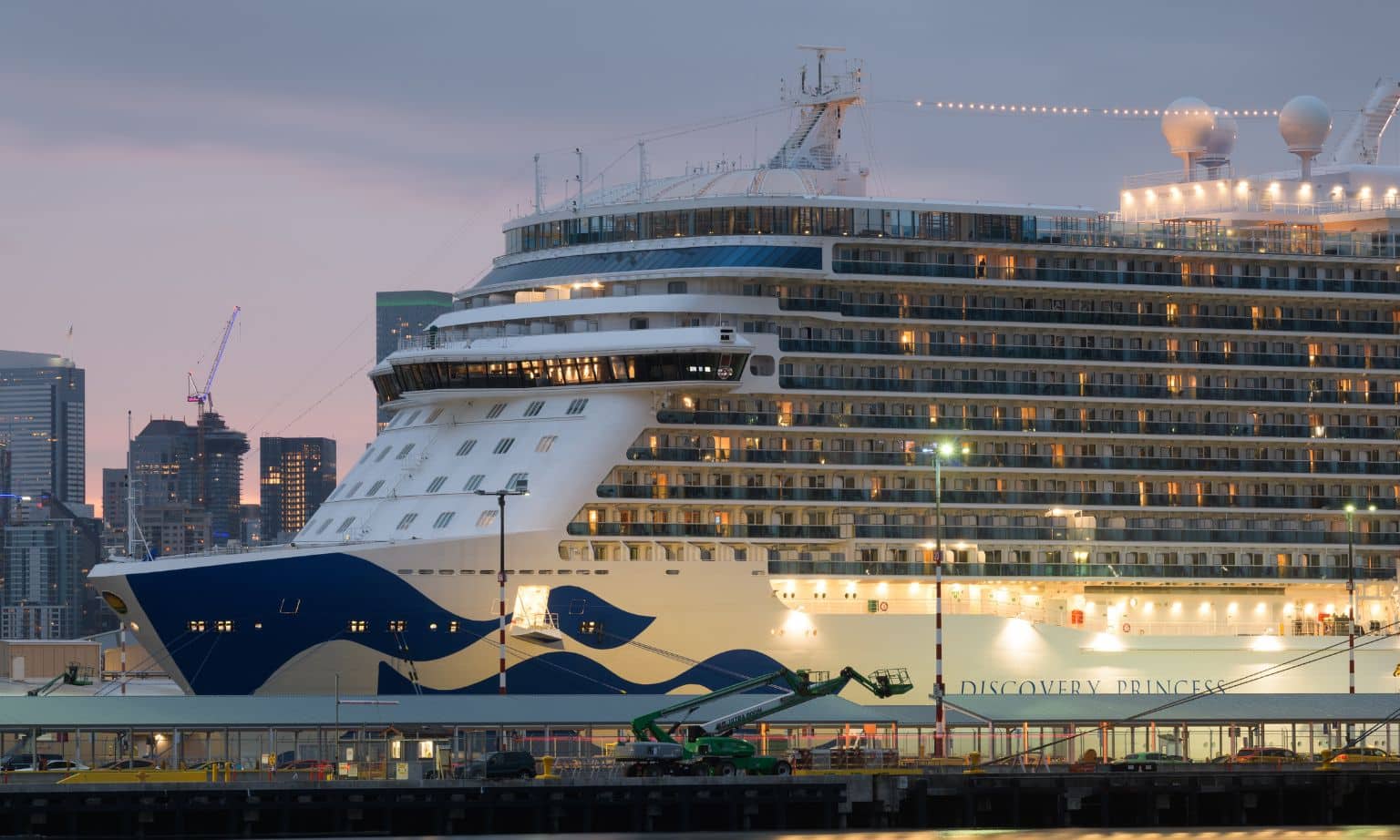
Last week, the Discovery Princess marked a significant milestone by celebrating its fourth birthday while concluding its inaugural and sole Australian season. The vessel, a relatively young entrant in the global cruise fleet, hosted a celebratory event onboard before embarking on its final local voyage departing from Sydney. This departure signals a return to the United States for the ship, but it also highlights a broader trend impacting the Australian cruise market: a noticeable shift towards older tonnage. While a fourth birthday is a notable occasion for any ship, its celebration in Australian waters prompts reflection on the rarity of such young vessels gracing the continent. Unlike the more common 21st or 30th birthday celebrations for established ships in the region, the Discovery Princess‘s presence represented a brief but exciting influx of newness.
The arrival of the Discovery Princess, the third newest vessel in the Princess Cruises fleet, generated considerable anticipation among Australian cruise enthusiasts. Its presence promised access to recently designed interiors, contemporary entertainment venues, and a generally more modern cruising experience. This excitement, however, proved to be ephemeral. The Discovery Princess‘s Australian season was limited to approximately four months, and with its departure, there are currently no scheduled plans for its return. This scenario is not isolated; major cruise lines frequently announce and launch new ships globally, yet these state-of-the-art vessels rarely make their way to Australian shores.
The Aging Fleet: A Stark Reality for Australian Cruisers
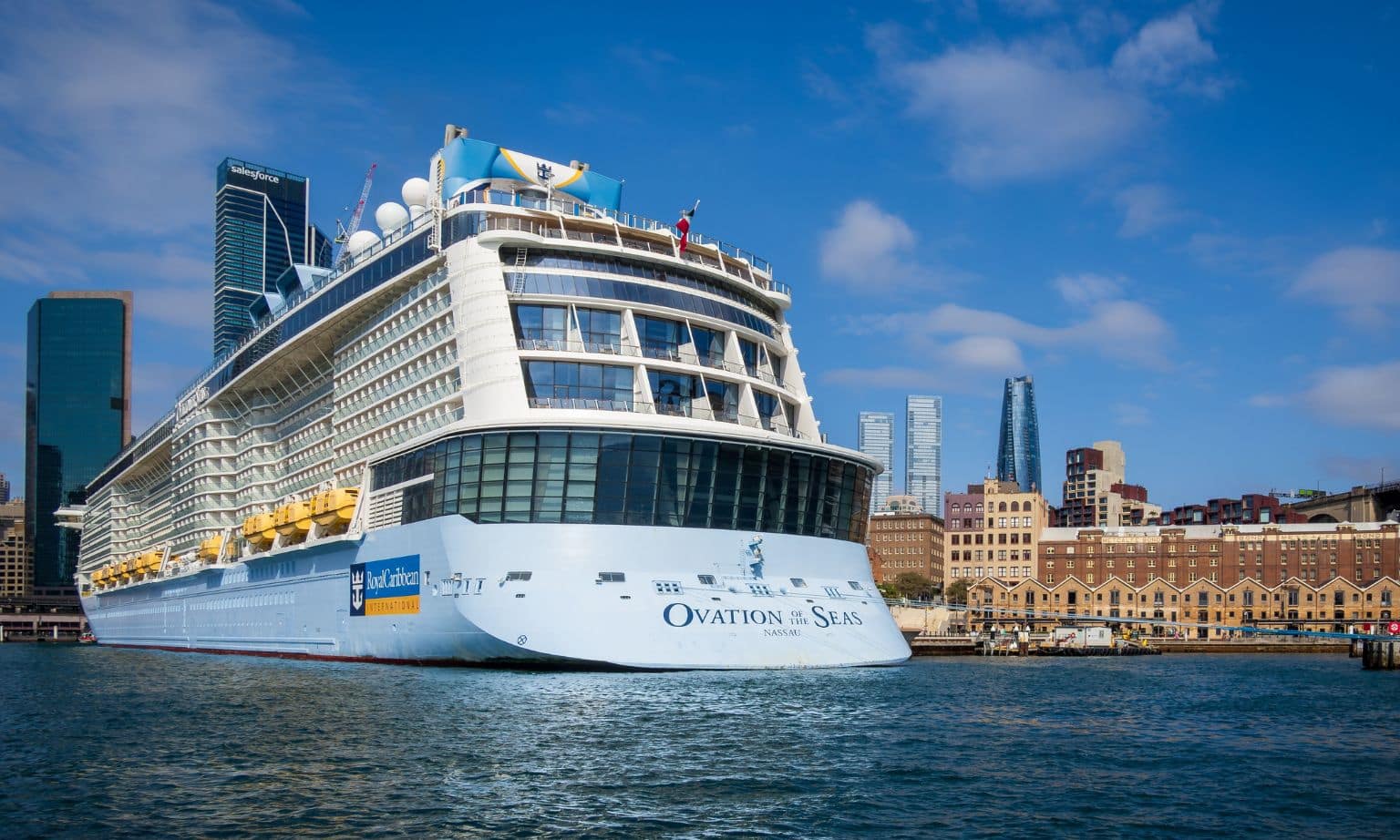
The current trajectory of cruise ship deployments in Australia indicates a concerning trend towards an aging fleet. The Discovery Princess is not an isolated case of a newer ship departing; it is being replaced by significantly older vessels. Similarly, Royal Caribbean International has swapped out its modern Quantum-class ships, the Quantum of the Seas and Ovation of the Seas, for the considerably older Anthem of the Seas and Voyager of the Seas. Furthermore, newer, more contemporary lines such as Virgin Voyages have withdrawn from the Australian market altogether, underscoring the challenges faced by modern cruise offerings in the region.
The ramifications of this trend are starkly illustrated by the deployment schedules for the upcoming 2027/28 Australian cruise season. Analysis of the projected fleet reveals that only three of the large cruise ships (defined as those with a passenger capacity exceeding 2,000) scheduled to operate in Australia will have been built within the last two decades. This data paints a picture of an Australian cruise market predominantly served by vessels with considerable age.
A detailed examination of the projected fleet for the 2027/28 season underscores this reality:
- Anthem of the Seas: Built in 2015, it will be 13 years old by the conclusion of the 2027/28 season.
- Voyager of the Seas: Constructed in 1999, it will reach 29 years of age.
- Celebrity Edge: Launched in 2018, it will be 10 years old.
- Carnival Splendor: Built in 2007, it will be 21 years old.
- Carnival Luminosa: Constructed in 2008, it will be 20 years old.
- Carnival Encounter: Launched in 2001, it will be 27 years old.
- Carnival Adventure: Built in 2000, it will be 28 years old.
- Westerdam: Constructed in 2003, it will be 25 years old.
- Norwegian Spirit: Launched in 1998, it will be 30 years old.
- Grand Princess: Built in 1997, it will be 31 years old.
- Royal Princess: Constructed in 2011, it will be 17 years old.
- Sapphire Princess: Launched in 2004, it will be 24 years old.
Based on this data, the Celebrity Edge (10 years old), Anthem of the Seas (13 years old), and Royal Princess (17 years old) will be the only vessels in the large ship category built within the last 20 years. Crucially, none of these are less than a decade old. This means that a significant portion of the large cruise ships operating in Australia during the 2027/28 season will be 25 years or older. The Sapphire Princess, at 24 years old, will narrowly miss joining this group.
The departure of the Discovery Princess, a mere four-year-old ship, from Australian waters highlights a stark contrast with the projected average age of large cruise ships in the region. By the 2027/28 season, the average age of these vessels is anticipated to be 23 years old. This indicates a clear pattern of cruise lines utilizing Australia as a destination for older assets rather than deploying their newest and most technologically advanced ships.
Why Australia Misses Out on the Newest Cruise Ships
The disparity in ship deployment can be attributed to several interconnected economic and logistical factors. Cruise lines, by their nature, are driven by profitability, and newer ships generally offer higher revenue potential. These vessels often command premium fares due to their modern amenities, innovative features, and the appeal of a "new" experience. Consequently, cruise lines prioritize deploying their newest fleets in markets that offer the most favourable return on investment.
The Caribbean, for instance, remains a prime destination for new cruise ships. This is largely due to a combination of factors: lower port fees, a large and affluent American consumer base willing to spend on cruise vacations, and the prevalence of shorter itineraries with rapid ship turnarounds. These operational efficiencies allow for frequent passenger exchanges, maximizing occupancy and revenue.
In contrast, Australia presents a unique set of challenges that often deter the deployment of the latest tonnage. The cost of operating in Australian waters is comparatively higher, influenced by factors such as substantial port fees, stringent regulatory compliance, and the sheer geographical distance from major global cruising hubs. The extensive sea routes required to reach Australia contribute to significantly higher fuel expenses, further impacting operational costs. These economic considerations lead cruise lines to perceive Australia as a less profitable market compared to established cruising regions.
While the cost-effectiveness of deploying older ships might translate into potentially more accessible fares for Australian cruisers, a significant segment of the market expresses a desire for more contemporary vessels. The option for Australian travellers to seek out newer ships by cruising in the United States or Europe exists, but it incurs additional expenses related to international flights, accommodation, and ground transportation. This often negates the cost savings of the cruise fare itself, making it a less viable option for many who prefer the convenience and comparative affordability of local cruising.
However, it is important to acknowledge that certain segments of the luxury cruise market do see new ships deployed in Australia. High-end lines, capable of charging substantial fares to a more discerning clientele, often bring their latest vessels, sometimes even homeporting them, to Australian waters. These deployments cater to a niche market that values exclusivity and cutting-edge experiences.
Despite these considerations, Australia remains a significant global cruise market with a substantial and loyal passenger base. Many dedicated Australian cruisers express a desire for greater diversity in ship deployments, advocating for cruise lines to introduce newer vessels, even if they are not the absolute newest from the shipyard. A mix of ships that are relatively new to the Australian market, even if they have sailed elsewhere for a few years, would inject considerable excitement into the local cruising scene.
The Strategic Implications for the Australian Cruise Industry
The consistent deployment of older ships in Australia has broader implications for the industry’s long-term growth and appeal. While older ships can offer value and have their own unique charm, the lack of new hardware can stifle innovation and limit the market’s potential. The departure of Virgin Voyages, a line known for its modern approach and appeal to a younger demographic, is a case in point. Its inability to establish a sustainable presence in Australia suggests that the market may not be sufficiently receptive to newer, more contemporary cruise offerings, or that the existing operational challenges are too significant to overcome.
The reliance on older vessels also raises questions about the perception of Australia as a cruise destination. While the country offers stunning natural beauty and unique cultural experiences, the cruise product itself may be perceived as dated by international standards. This could potentially impact Australia’s competitiveness in attracting global cruise traffic and could influence the decisions of cruise lines when allocating their newest assets.
Industry analysts suggest that a more strategic approach to fleet deployment, possibly involving incentives or a re-evaluation of operational costs, could encourage cruise lines to bring newer ships to Australian waters. This would not only satisfy the demands of existing cruisers but also potentially attract new demographics to the market, fostering sustainable growth. The future of the Australian cruise industry may depend on its ability to balance operational realities with the evolving expectations of its dedicated passenger base, ensuring that the allure of the open sea remains as fresh and exciting as the destinations themselves.



 Anjar Salim
 Tatiana Tantri Indah Sari
 Budi Mulyono
