
 Chandra Hamzah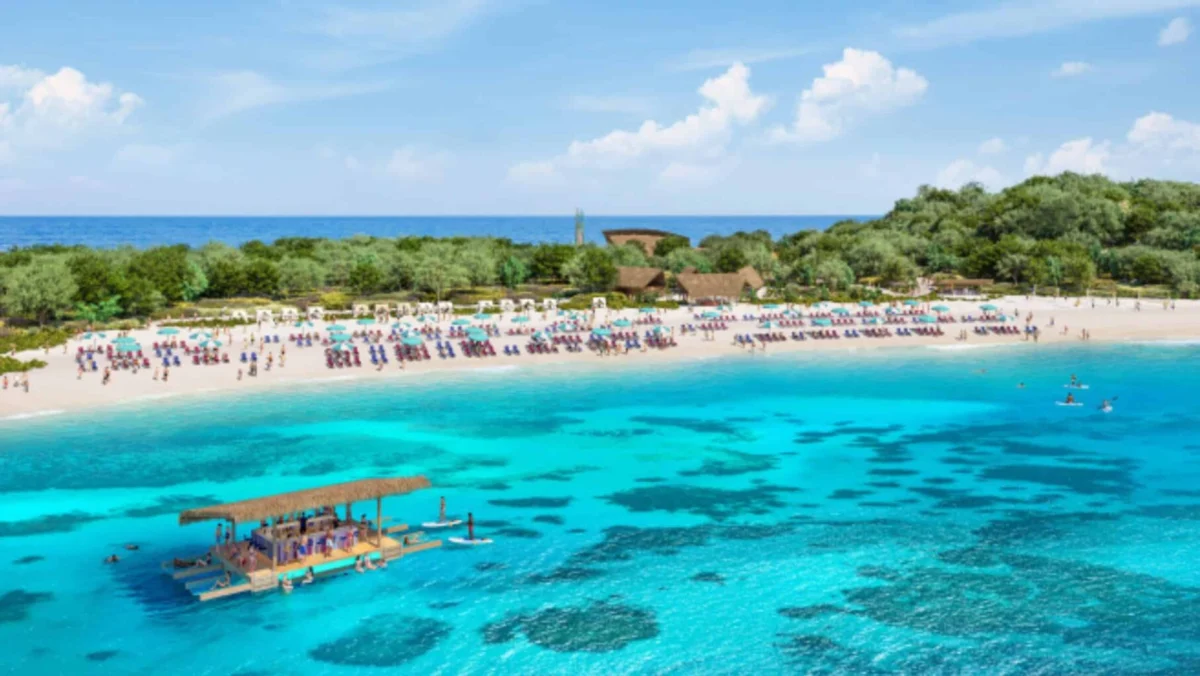
Royal Caribbean is currently navigating a complex landscape of development and community engagement for its proposed Royal Beach Club on Lelepa Island, Vanuatu. While the cruise line has advanced permit processes, released promotional materials, and begun taking bookings for an anticipated October 2027 opening, concerns from indigenous community leaders and government officials highlight ongoing discussions surrounding environmental impact, cultural preservation, and the logistical capacity of the island to support projected visitor numbers.
The development, envisioned as a premier destination for cruise passengers, has been met with both enthusiasm from the Vanuatu government, which sees it as a significant economic opportunity, and apprehension from segments of the local population who are raising critical questions about the project’s sustainability and its potential impact on their heritage. Royal Caribbean has reiterated its commitment to ongoing consultation, stating it is working closely with government bodies, chiefs, environmental organizations, and local communities to ensure the natural environment is protected.
Vanuatu’s endorsement of the project is clear. Adela Issachar Aru, CEO of the Vanuatu Tourism Office, expressed optimism, telling Cruise Passenger, "Royal Caribbean’s decision to develop its private island experience on Lelepa in Vanuatu is a powerful endorsement of our country and what we offer the Pacific. Vanuatu is home to some of the region’s most spectacular beaches and warm, welcoming communities, and Lelepa Island embodies these qualities. We’re proud to see Vanuatu chosen as the setting for this landmark project and look forward to the opportunity it presents to showcase our 83 islands to an Australian audience." This sentiment underscores the national importance placed on the project for tourism growth and international recognition.
However, construction has yet to commence, and reports from The Guardian indicate that indigenous community leaders have voiced significant concerns regarding the adequacy and transparency of the environmental impact assessments. These assessments have been characterized by some leaders as "incomplete" and "misleading," suggesting a gap between the project’s promotional narrative and the community’s perceived understanding of its potential ramifications.

Local Voices and Environmental Assessments
A group identifying as community leaders formally communicated their reservations to Royal Caribbean in a letter dated February 26. This correspondence specifically questioned the environmental impact reporting, prompting Royal Caribbean to acknowledge its review of the concerns and indicate a likelihood of further dialogue with the signatories.
Beyond this specific group, broader concerns have emerged. During a recent talkback program on Vanuatu’s Capitol FM107, Timothy Tumukon, Director General of the Ministry of Agriculture, Livestock, Forestry, and Biosecurity (MALFB), outlined potential challenges related to food security. He revealed that the Prime Minister’s office had been briefed by Royal Caribbean on the anticipated volume and types of food supplies required once cruise operations commence.
"They have provided a list of food items and quantities they will need, including container loads of specific produce," DG Tumukon stated. This detail raises a pertinent question: "How will we produce enough food to feed the tourists who are coming?" He further elaborated on the logistical and agricultural hurdles, asking, "Do we have enough time to produce enough eggs, enough chicken, or enough pigs?" This highlights a critical aspect of the project’s integration into the local economy – the capacity of Vanuatu’s agricultural sector to meet the demands of a large-scale tourism influx.
Lelepa Island, with a resident population of approximately 500 people, is slated to host up to 4,800 visitors at a time when a ship like Anthem of the Seas docks. The projected figures for the inaugural 2027/28 season estimate over 100,000 visitors. While the proposed development, featuring 10 bars, a market, two eateries, a nature trail, two private beach resorts, and an adults-only area, is considered modest compared to Royal Caribbean’s expansive "Perfect Day" developments in the Caribbean, its scale relative to Lelepa’s current infrastructure and population is a significant factor.
Cultural Heritage and Community Consultation
The paramount chief and highest-ranking customary leader on Lelepa Island, Ruben Natamatewia III, emphasized the need for comprehensive community engagement. He told The Guardian, "There needs to be lots of consultation so every person here understands what they are doing and can approve the work to go ahead." This underscores a fundamental principle of customary land ownership and decision-making in Vanuatu, where broad consensus is often paramount.

The community leaders’ letter has specifically called for a cultural heritage assessment. This is to ensure that the development plans do not inadvertently impact traditional sites, with particular mention of Fels Cave, an area of historical significance containing ancient rock art. Chief Natamatewia III acknowledged the potential benefits of the project, describing it as "a good thing," but reiterated that "there needs to be more consultation with the communities." Royal Caribbean has maintained that consultations are ongoing and all concerns will be duly considered, promising to address all issues in accordance with local planning laws.
Project Evolution and Broader Context
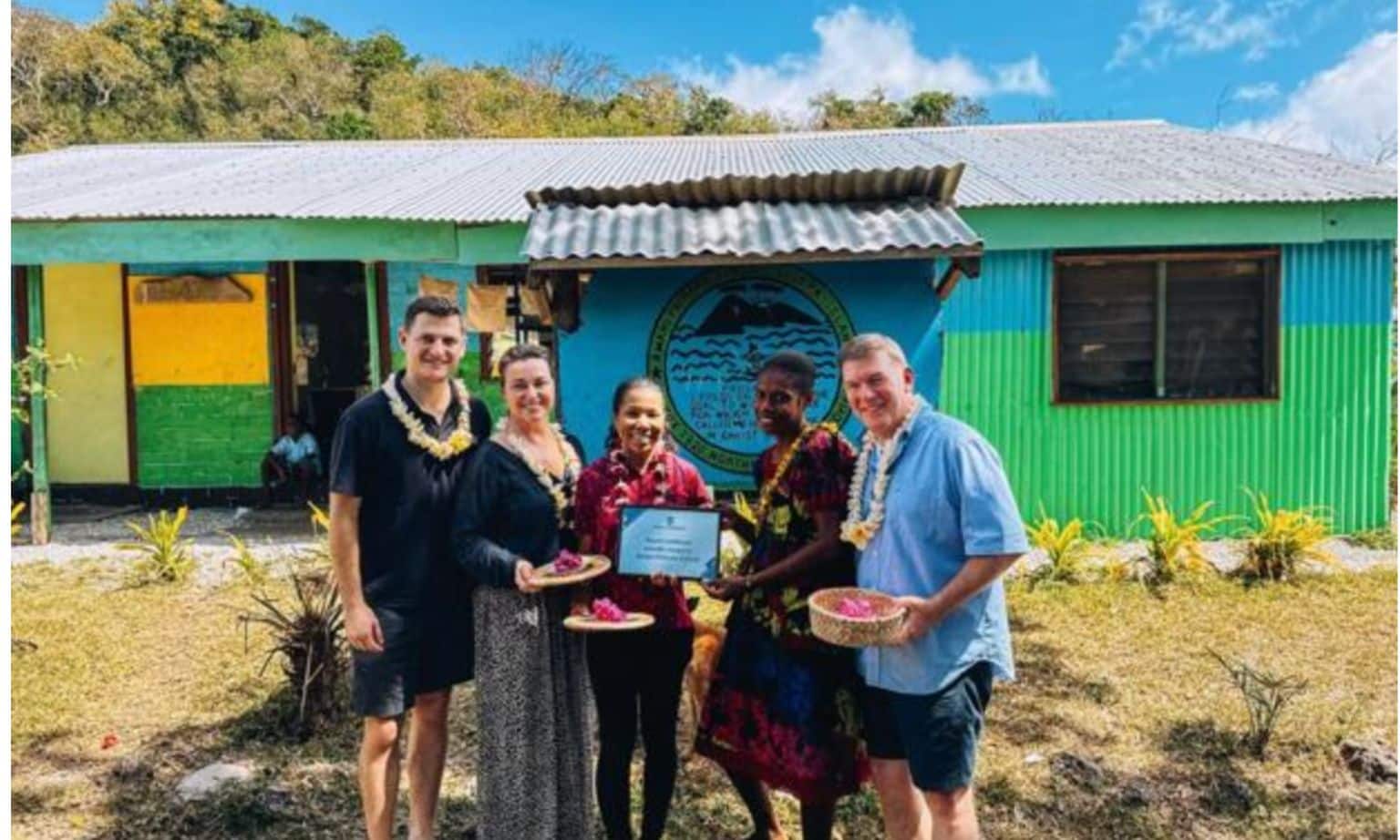
The Lelepa Beach Club project has been in discussion since 2019. Initially conceived as a full "Perfect Day" private island experience, it was later scaled down to a beach club. Royal Caribbean has a history of engagement with Lelepa, including visits as part of shore excursions to other parts of Vanuatu and charitable partnerships with local schools and communities. This prior engagement suggests an attempt to build relationships, though the current concerns indicate that further efforts are needed to ensure full community buy-in.
The challenges faced by the Lelepa project are not unique to Royal Caribbean. Large-scale tourism developments often present complex social, economic, and environmental considerations. In Costa Maya, Mexico, a similar Royal Caribbean project has encountered local protests, with residents blocking cruise port entry. In response, Royal Caribbean initiated a rehabilitation program for local roads and increased dialogue with the community, illustrating a pattern of addressing local grievances through tangible actions and enhanced communication.
Timeline of Development and Approvals
The journey of the Royal Beach Club Lelepa has been a multi-year process, marked by evolving plans and ongoing stakeholder engagement.
- 2019: Initial discussions and planning commence for what was envisioned as a "Perfect Day" private island experience in Vanuatu.
- Subsequent Years: Royal Caribbean engages in site visits, preliminary assessments, and discussions with Vanuatu government officials and local communities. Charitable initiatives with local schools and communities are undertaken.
- Pre-2027: Promotional materials, including a glossy video, are released, and bookings for an October 2027 opening are initiated. The project is re-scoped from a full private island to a beach club.
- February 26, [Current Year]: A group of indigenous community leaders sends a letter to Royal Caribbean expressing concerns regarding environmental impact assessments and requesting a cultural heritage assessment.
- [Current Year] (Ongoing): Royal Caribbean states it is progressing necessary permits, including those related to the Environmental Impact Statement (EIA). The company reiterates its commitment to ongoing consultation with government, chiefs, environmental organizations, and local people. Statements from Vanuatu government officials highlight the project’s economic importance. Local media reports emerge detailing concerns from community leaders and government officials regarding environmental assessments and agricultural capacity.
Analysis of Implications
The Lelepa Beach Club project represents a significant potential economic driver for Vanuatu, promising job creation, infrastructure development, and increased tourism revenue. The Vanuatu Tourism Office’s statement underscores the ambition to showcase the nation’s islands to a broader Australian audience, indicating a strategic move to leverage cruise tourism for national development.
However, the concerns raised by community leaders and the MALFB Director General highlight critical challenges that must be proactively addressed for the project’s long-term success and social license. The adequacy of environmental impact assessments is paramount, not only for regulatory compliance but also for ensuring the protection of Vanuatu’s unique biodiversity and natural landscapes. The mention of Fels Cave and its ancient rock art points to the irreplaceable cultural heritage at stake, necessitating meticulous planning to prevent any degradation or loss.
Furthermore, the question of agricultural capacity is a pressing issue. A mismatch between the demand generated by the cruise ship arrivals and Vanuatu’s ability to supply local produce could lead to increased reliance on imports, potentially undermining the goal of fostering local economic benefits. This necessitates a comprehensive strategy that includes investing in agricultural infrastructure, training, and support for local farmers to meet the anticipated demand sustainably.
The ongoing consultations, while positive, need to be perceived as genuine and inclusive by all stakeholders. The success of such large-scale projects often hinges on building trust and ensuring that local communities feel heard and respected throughout the development process. Royal Caribbean’s experience in Costa Maya suggests that a responsive approach, involving tangible actions and open communication, can help mitigate conflicts and foster a more collaborative environment.
As Royal Caribbean moves forward with its permit applications and consultation processes, the scrutiny from local groups and government officials serves as a crucial reminder of the delicate balance between economic development and the preservation of cultural and environmental integrity. The outcome of these discussions will not only shape the future of Lelepa Island but also provide valuable lessons for future large-scale tourism projects in ecologically and culturally sensitive regions. The commitment to transparency and a robust, inclusive dialogue will be key to navigating these complexities and ensuring that the Royal Beach Club Lelepa becomes a mutually beneficial venture for all involved.


 Anjar Salim
 Tatiana Tantri Indah Sari
 Budi Mulyono
