Chandra Hamzah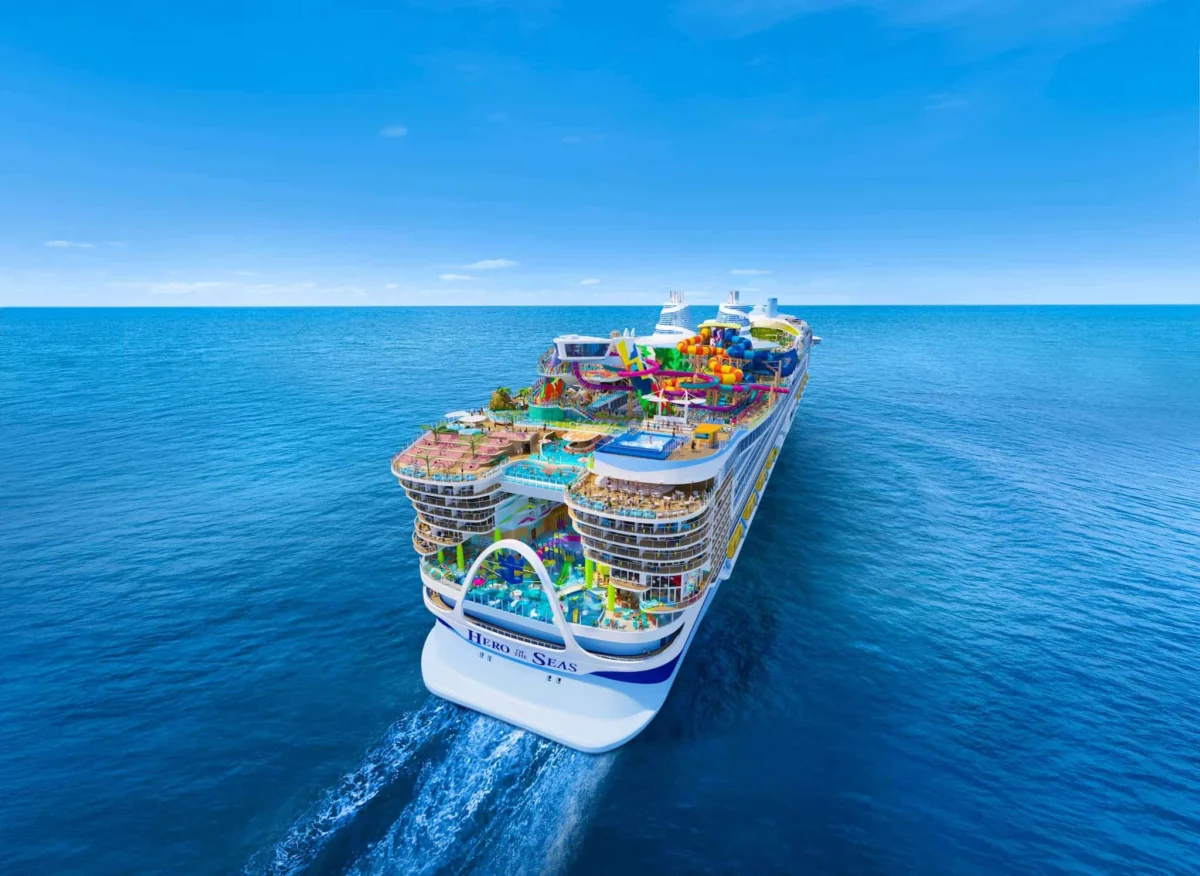
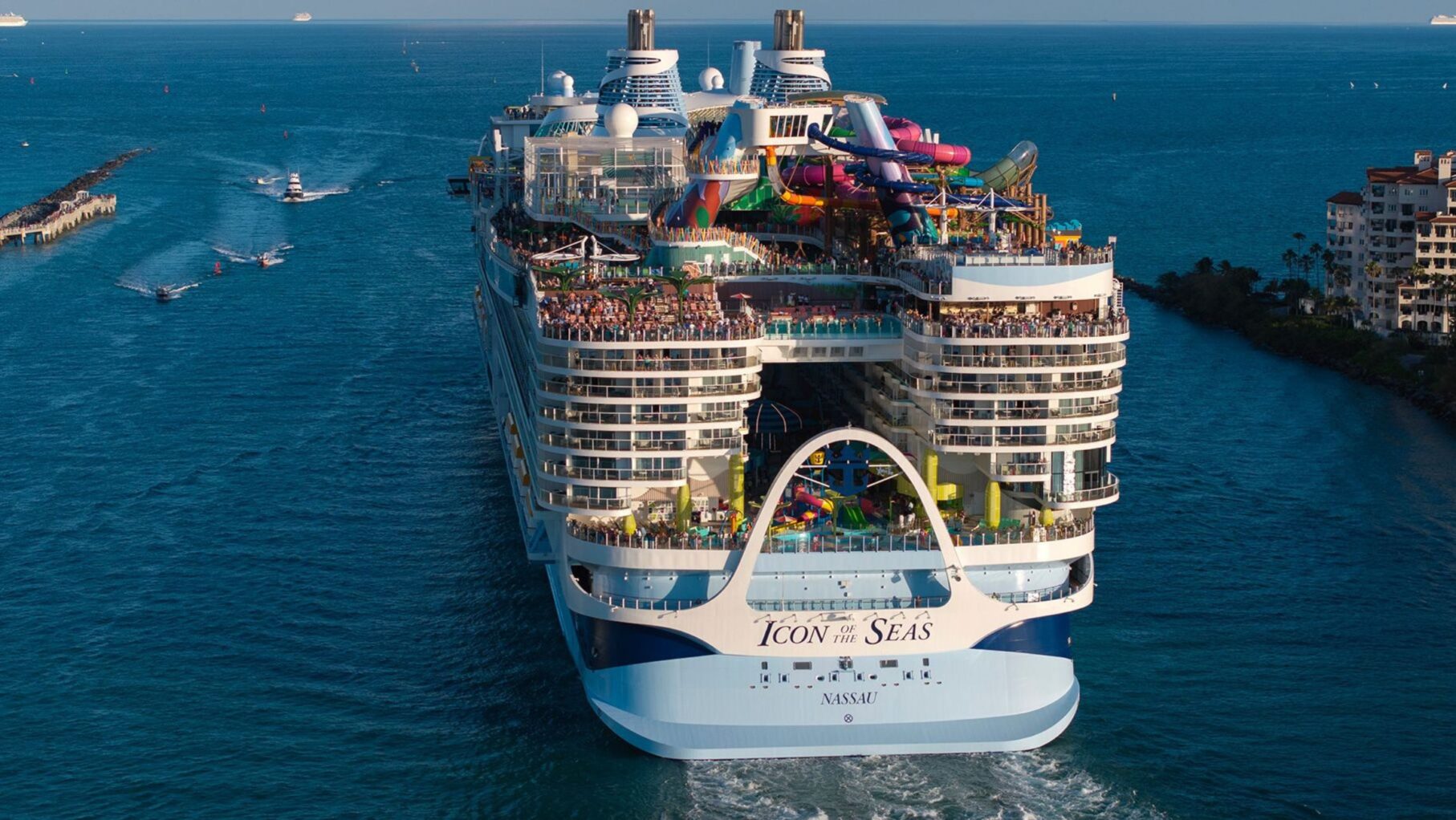
Modern-day cruise ships have irrevocably transformed the landscape of travel, evolving from mere vessels into self-contained destinations offering an unparalleled fusion of luxury, entertainment, and premium amenities. At the forefront of this monumental shift in maritime travel is Royal Caribbean International, a company consistently pushing the boundaries of what is possible on the open seas. In 2025, Royal Caribbean solidified its position as a leader in mega-ship cruising with the launch of Icon of the Seas, a vessel that has decisively claimed the title of the largest cruise ship in the world, surpassing even the colossal dimensions of the historic Titanic. This introduction marks not just a new chapter for Royal Caribbean, but a significant escalation in the ongoing competition to construct ever-larger and more sophisticated floating resorts.
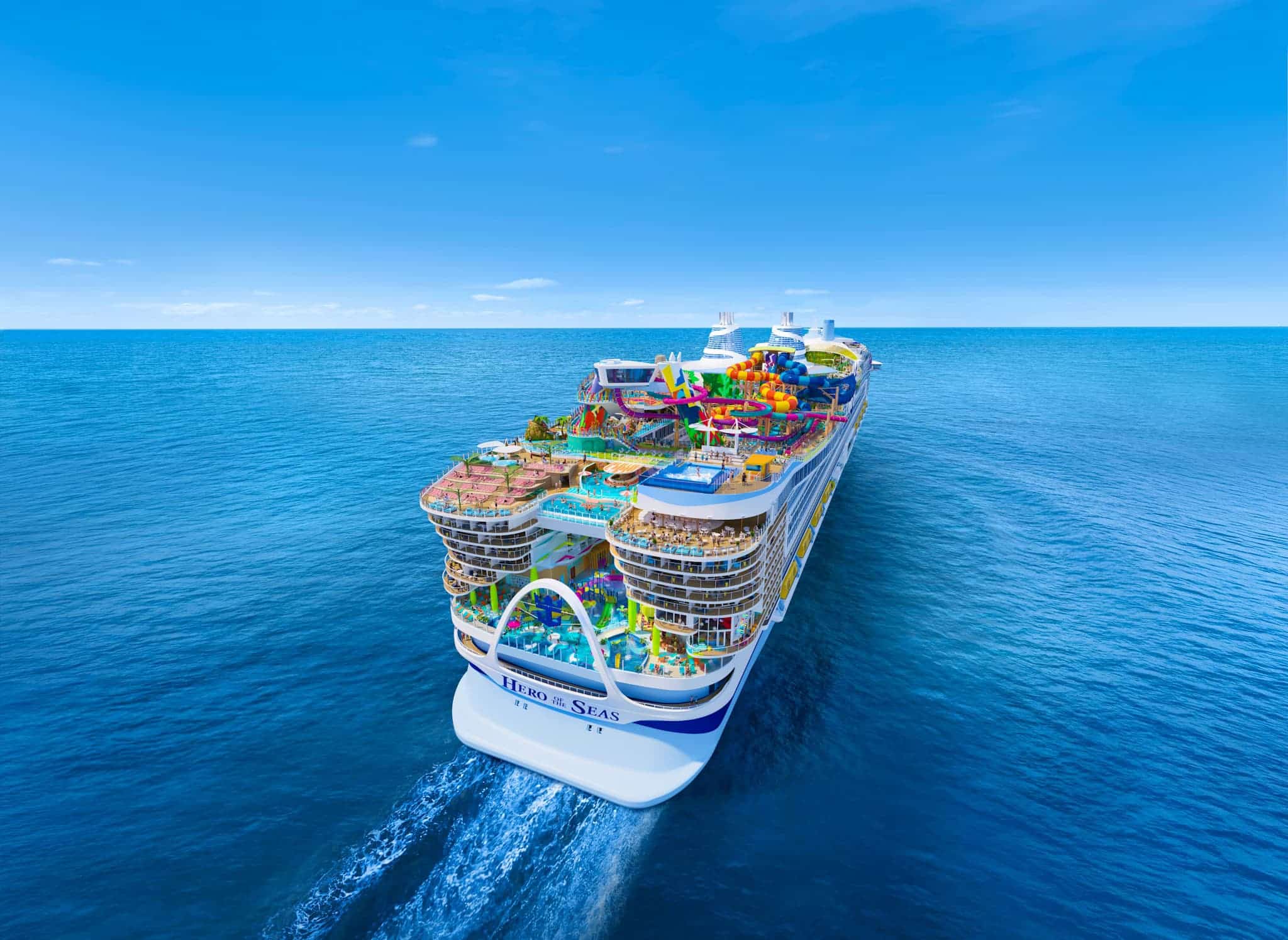
The relentless pursuit of "bigger and better" is the defining characteristic of the contemporary cruise industry, and Royal Caribbean is demonstrating an unwavering commitment to this philosophy. The company is not resting on the laurels of Icon of the Seas. The Icon class is set to become a dynasty of colossal vessels, with Star of the Seas already joining Icon of the Seas as one of the world’s largest ships. The impressive lineage continues with Legend of the Seas slated for a 2026 debut, and two additional Icon class ships promised for 2027 and 2028. While the exact specifications of the 2028 vessel remain under wraps, the ship for 2027, Hero of the Seas, is poised to join Icon and Star in redefining the scale of global cruising.
Hero of the Seas is anticipated to introduce a fresh wave of innovations to the Icon Class, building upon the groundbreaking success of its predecessors. Early indications suggest enhancements such as the new Coconut Cove Bar and Pool area, further refinements to the adults-only The Hideaway, and the addition of a Swim & Tonic swim-up bar, promising an even more immersive and luxurious guest experience. Royal Caribbean’s aggressive expansion strategy in the mega-ship segment signals a clear intent to maintain its dominance, but the industry is far from a one-player game.
The Brewing Competition: A Multi-Front Race for Maritime Supremacy
While Royal Caribbean has established a formidable lead, other major cruise lines are not idly observing. Carnival Cruise Line, though not currently featuring any ships in the top ten largest vessels, is making significant strategic moves. The company is actively developing Project Ace, a groundbreaking initiative that will introduce four new ships by 2029, 2031, and 2033. These vessels are projected to be approximately 230,000 gross tons each. While these ships may not surpass Royal Caribbean’s Icon class in gross tonnage, they are designed to outdo them in passenger capacity, with a planned accommodation for nearly 8,000 guests. This focus on maximizing guest numbers within a substantial tonnage suggests a different, yet equally ambitious, strategy for market share.
Another formidable player in the global cruise market is MSC Cruises. Already boasting some of the largest ships afloat, including the MSC World America and MSC World Europa, MSC is embarking on an even grander vision. The company is constructing a new class of ships, the Constellation class, which are engineered to potentially overtake Royal Caribbean’s current flagships in gross tonnage. These advanced vessels are scheduled to begin rolling out in the 2030s. While still some years away from their maiden voyages, the Constellation class represents a significant long-term investment and a clear ambition to lead the pack in sheer size and scale.
Norwegian Cruise Line (NCL) is also charting a course towards larger vessels in the 2030s. While their upcoming fleet might not directly rival the absolute largest ships in terms of gross tonnage, they are still set to be colossal. NCL has placed orders for four new mega-ships, with deliveries anticipated between 2030 and 2036. These massive ships will measure approximately 226,000 gross tons and are designed to accommodate around 8,300 people, a combined total of passengers and crew. This strategy highlights a balanced approach, focusing on both impressive size and high guest capacity.
Defining "Big": Understanding Cruise Ship Metrics
The term "big" in the context of cruise ships can be understood through several key metrics, each offering a distinct perspective on a vessel’s scale and capacity.

Gross Tonnage: The Volume of Potential
Gross Tonnage (GT) is perhaps the most common metric used to define the size of a cruise ship. It is a measure of the ship’s internal volume, not its weight. Specifically, it represents the total enclosed space within the ship, measured in cubic meters and then converted into tonnage. One gross ton is equivalent to 100 cubic feet of enclosed space. A higher gross tonnage indicates a larger vessel with more potential for passenger amenities, public spaces, and accommodation. For instance, Icon of the Seas boasts an impressive 248,663 GT, underscoring its massive internal volume.
Length: The Maritime Footprint
The length of a cruise ship, typically measured in meters, provides a more tangible sense of its physical dimensions and its presence on the water. While length is a crucial factor, it doesn’t solely dictate the overall "bigness" as ships can vary in beam (width) and height. Ships like Icon of the Seas measure approximately 364.75 meters in length, placing them among the longest vessels ever constructed.
Passenger Capacity: The Human Element
Passenger capacity refers to the maximum number of guests a ship can carry. This metric is critical for understanding the operational scale and the potential social dynamics onboard. Modern mega-ships are designed to accommodate thousands of passengers, transforming them into floating cities. Icon of the Seas, with a capacity of 7,600 guests, exemplifies this trend. It’s important to note that passenger capacity is often listed in two ways: double occupancy (the number of passengers when each cabin is filled by two people) and maximum capacity (including all potential berths, such as upper bunks).
The Current Reigning Giants: A Snapshot of the Largest Cruise Ships
As of the current landscape, Royal Caribbean International continues to dominate the list of the world’s largest cruise ships, showcasing its strategic focus on developing and deploying mega-vessels.
-
Rank 1: Icon of the Seas, Star of the Seas, and Hero of the Seas (Royal Caribbean)
- Gross Tonnage: 248,663 GT
- Length: 364.75 meters
- Passenger Capacity: 7,600
- Year Launched: 2024 (for Icon)
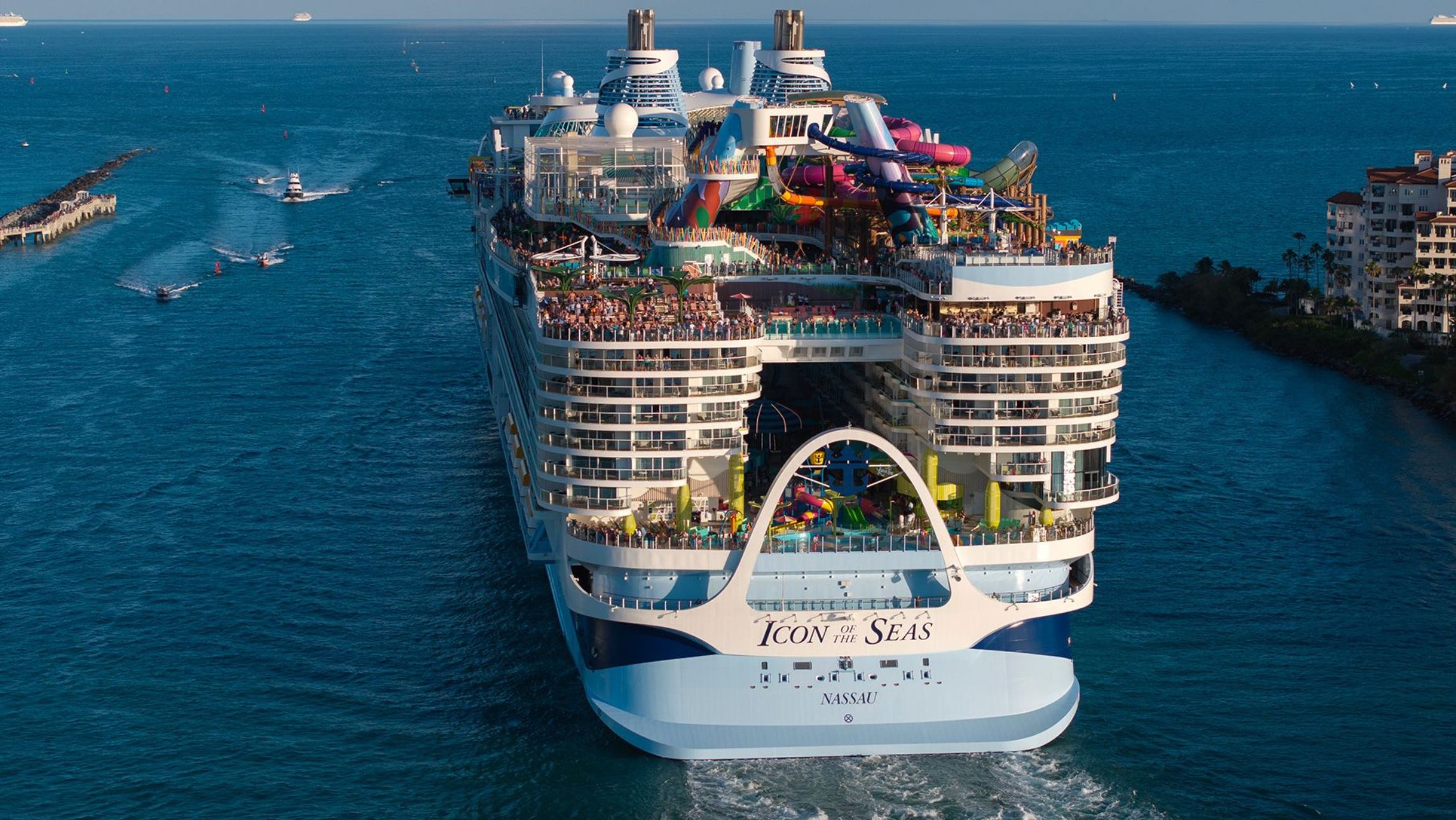
Icon of the Seas represents a significant leap forward in cruise ship design and capacity. Its launch in 2024 marked a new benchmark, and the imminent arrival of Star of the Seas and Hero of the Seas will further solidify Royal Caribbean’s dominance in this class. These ships are not merely larger; they are engineered to offer an unparalleled array of onboard experiences, from extensive water parks and entertainment venues to specialized neighborhoods catering to diverse guest preferences. The scale of these vessels allows for innovations that simply wouldn’t be feasible on smaller ships.
-
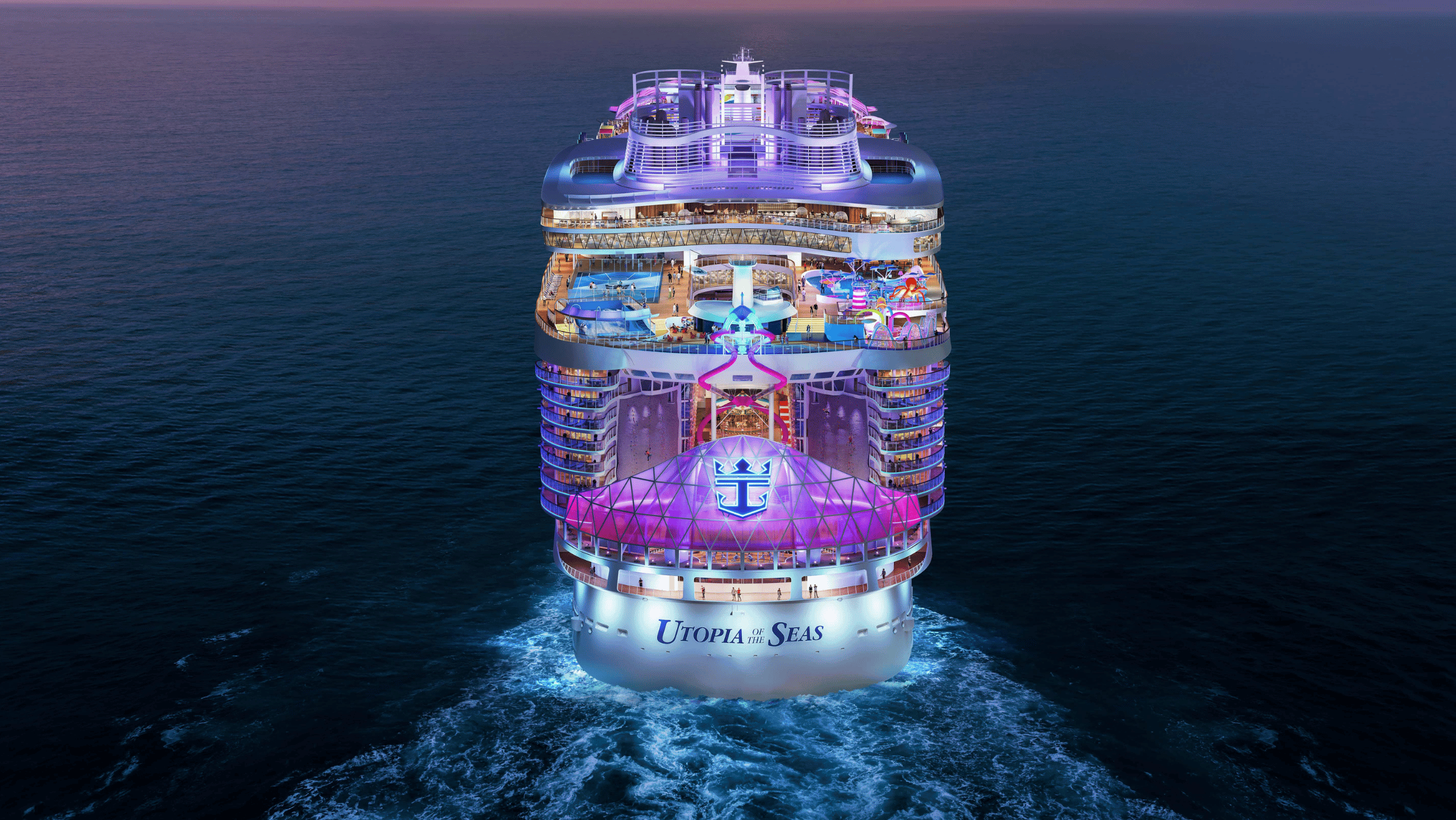
Rank 2: Utopia of the Seas (Royal Caribbean)
- Gross Tonnage: 236,860 GT
- Length: 362 meters
- Passenger Capacity: 6,509
- Year Launched: 2024
Following closely behind the Icon class, Utopia of the Seas is another testament to Royal Caribbean’s commitment to building massive and feature-rich ships. Its 2024 debut further cements the cruise line’s strategy of consistently introducing large-capacity vessels.
-
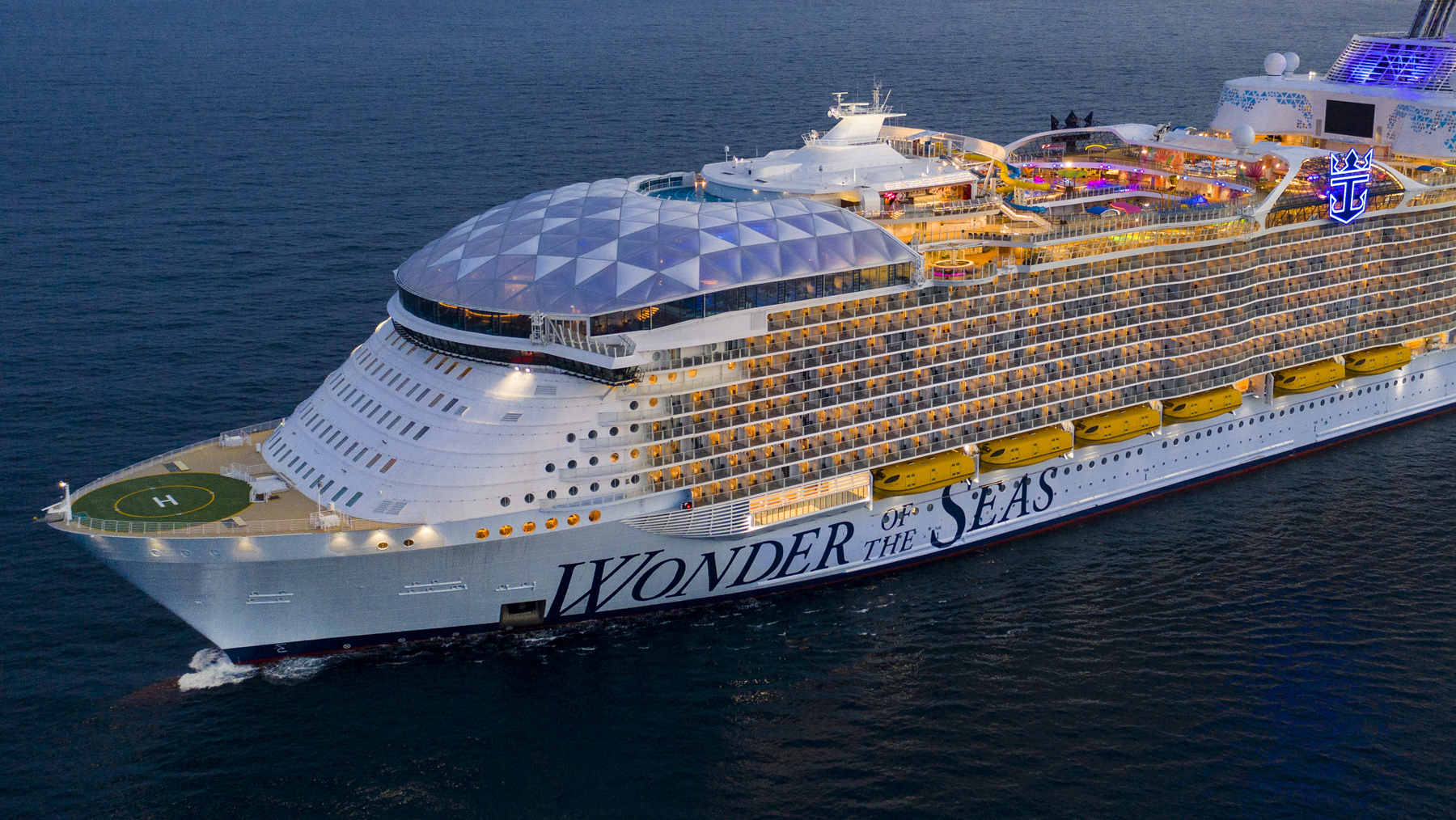
Rank 3: Wonder of the Seas (Royal Caribbean)
- Gross Tonnage: 235,600 GT
- Length: 362 meters
- Passenger Capacity: 7,084
- Year Launched: 2022
Launched in 2022, Wonder of the Seas was, for a period, the world’s largest cruise ship, highlighting the rapid pace of development in this sector. It belongs to the Oasis class, which itself revolutionized the concept of large cruise ships.
-
Rank 4: Symphony of the Seas (Royal Caribbean)
- Gross Tonnage: 228,081 GT
- Length: 361.01 meters
- Passenger Capacity: 6,680
- Year Launched: 2018
Symphony of the Seas is another prominent member of the Oasis class, known for its innovative "neighborhood" concept that divides the ship into distinct themed areas, offering passengers a unique and immersive experience.
-
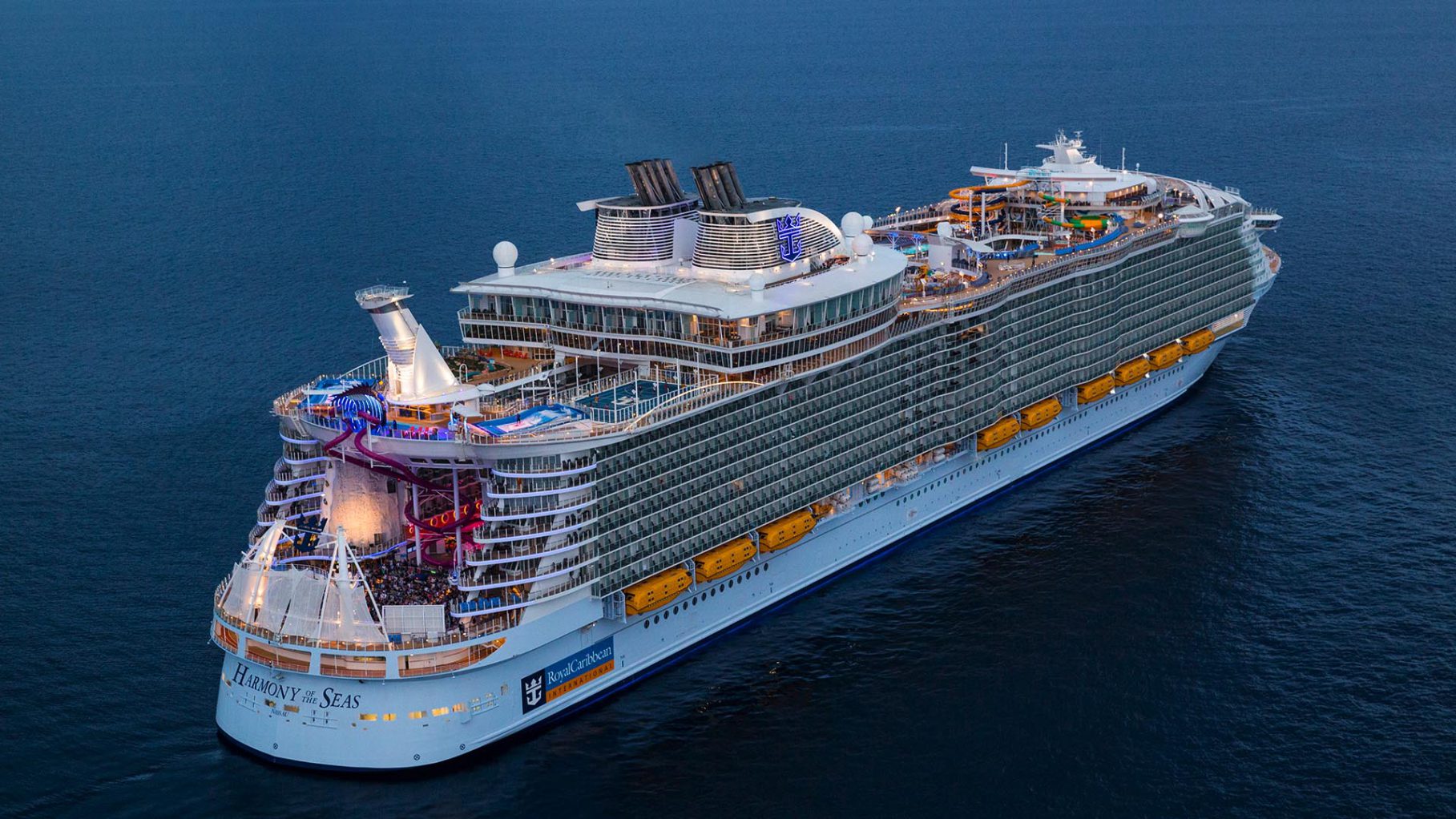
Rank 5: Harmony of the Seas (Royal Caribbean)
- Gross Tonnage: 226,963 GT
- Length: 362.12 meters
- Passenger Capacity: 6,687
- Year Launched: 2016
Harmony of the Seas was a groundbreaking vessel upon its launch, setting new standards for size and amenities. It continues to be a popular choice for travelers seeking a comprehensive cruise experience.
-
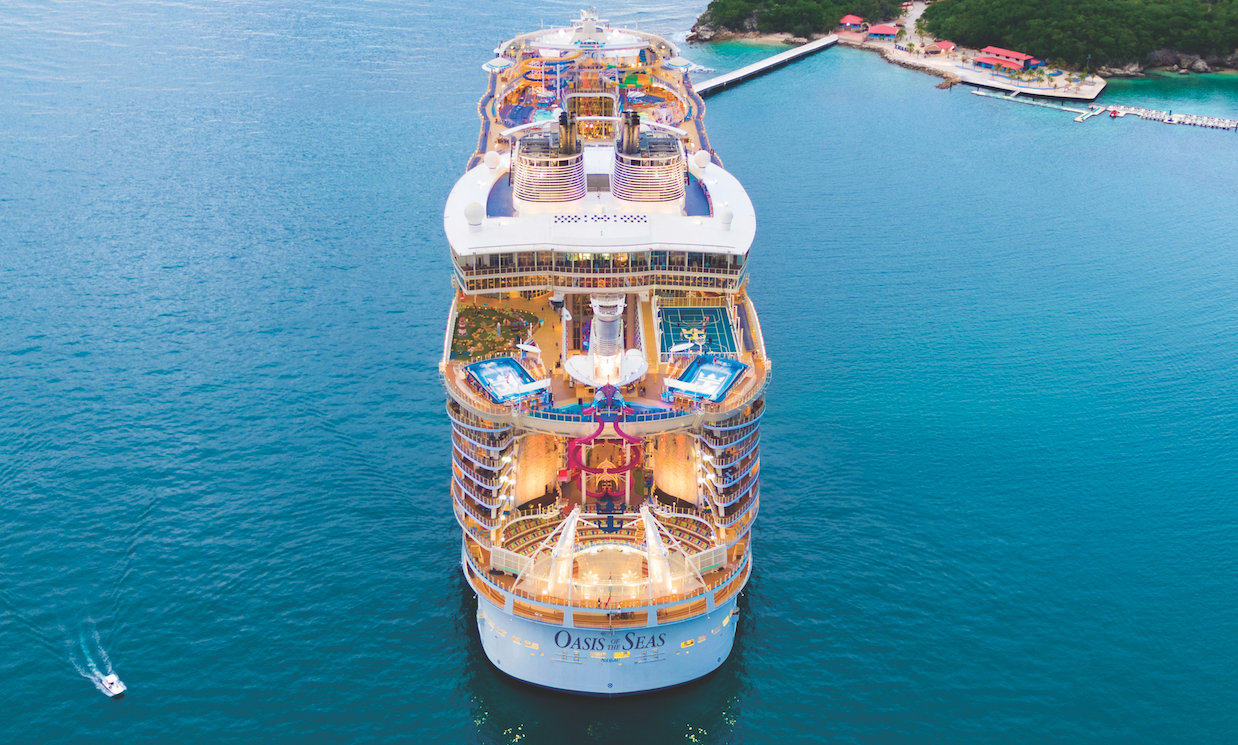
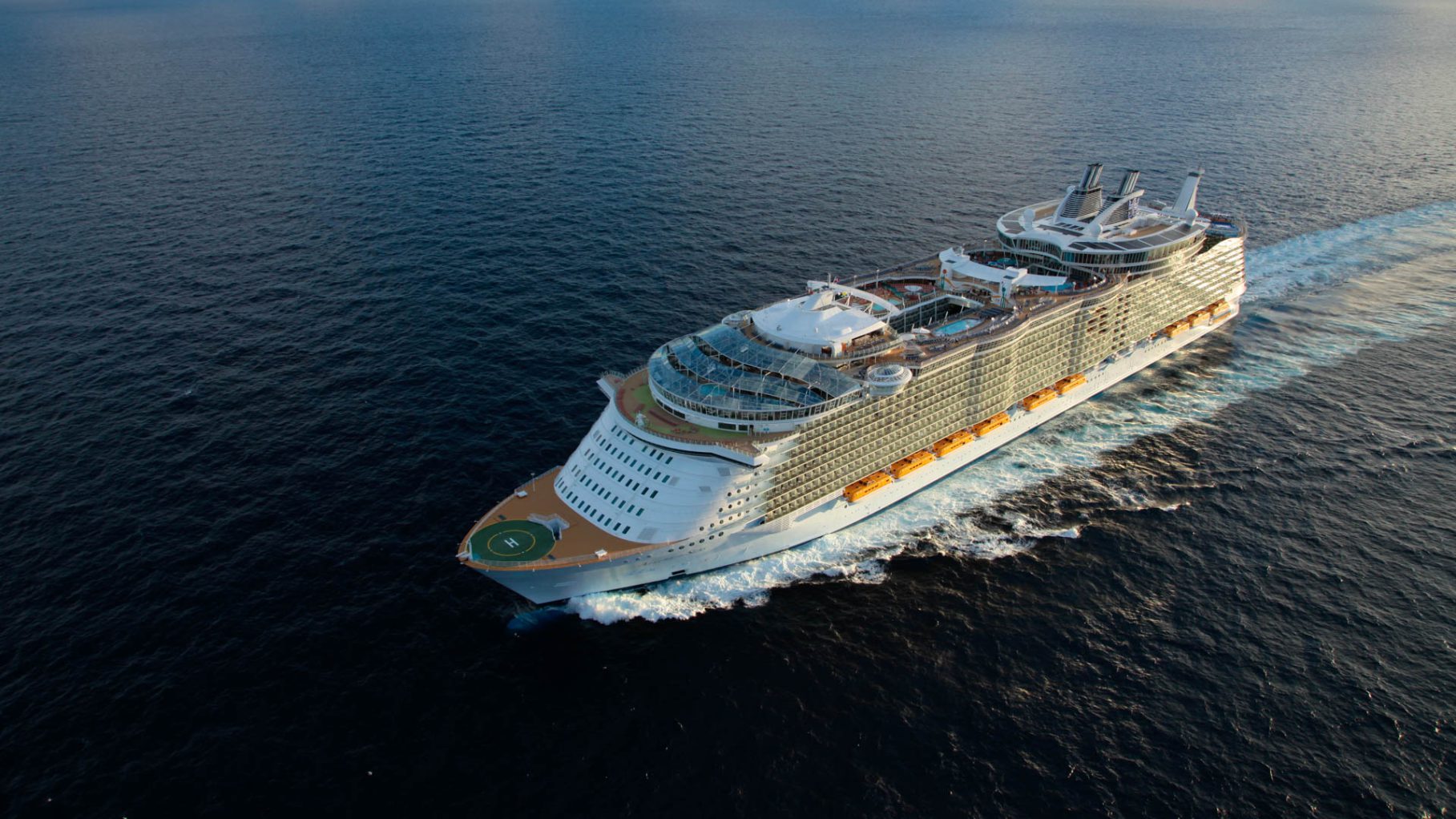
Rank 6: Oasis of the Seas (Royal Caribbean)
- Gross Tonnage: 226,838 GT
- Length: 361.6 meters
- Passenger Capacity: 6,771
- Year Launched: 2009
The original titan of the Oasis class, Oasis of the Seas revolutionized the cruise industry upon its debut, proving that ships could be designed as destinations in themselves. Its continued presence at the top of the list speaks to its enduring impact.
-
Rank 7: Allure of the Seas (Royal Caribbean)
- Gross Tonnage: 225,282 GT
- Length: 361.6 meters
- Passenger Capacity: 6,780
- Year Launched: 2010
A sister ship to Oasis of the Seas, Allure of the Seas shares many of its groundbreaking features and continues to be a benchmark for large-scale cruising.
-
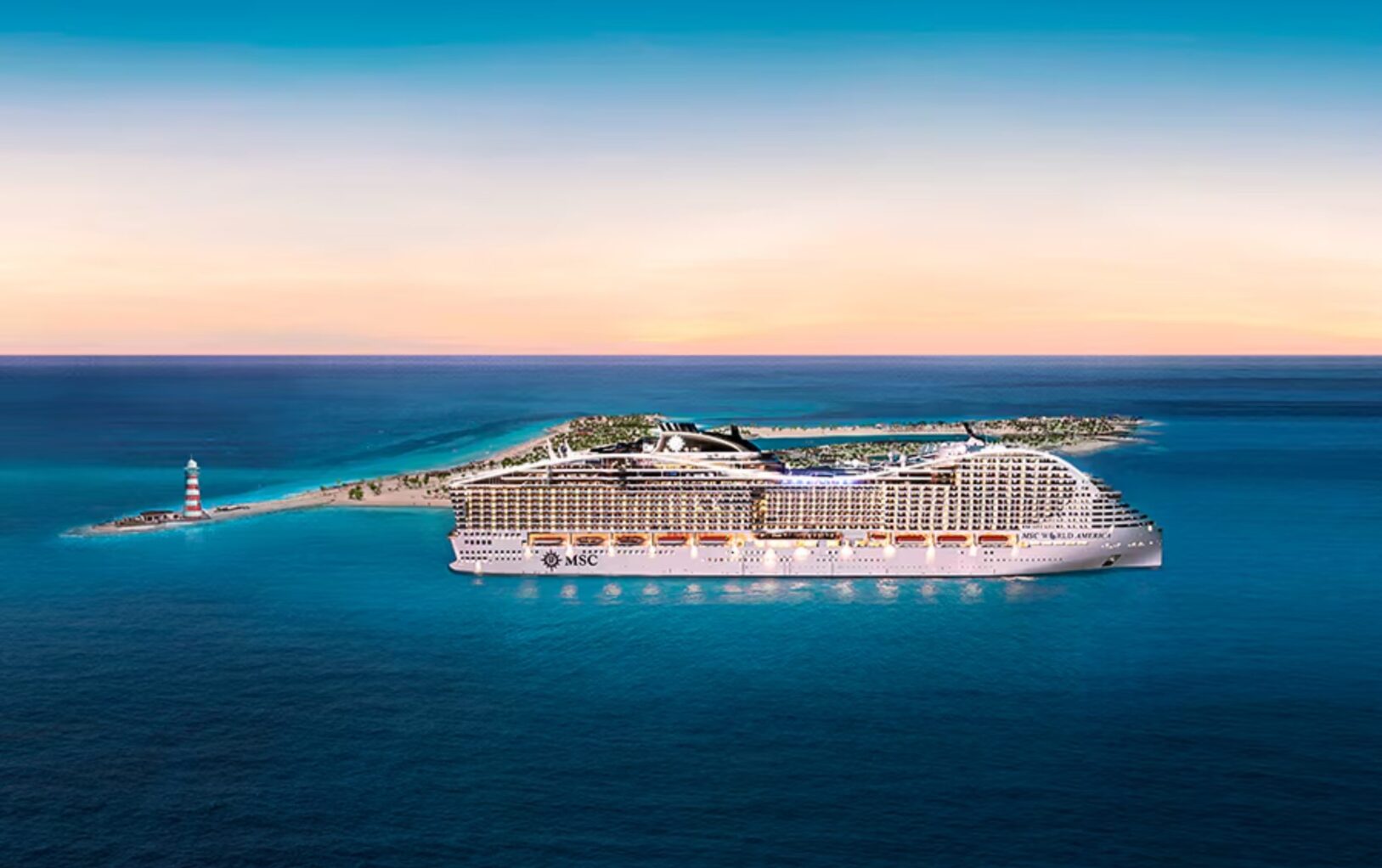
Rank 8: MSC World America (MSC Cruises)
- Gross Tonnage: 216,638 GT
- Length: 333.3 meters
- Passenger Capacity: 6,762
- Year Launched: 2025
MSC World America represents MSC Cruises’ significant investment in the North American market and its ambition to compete at the highest tier of mega-ship offerings. Its launch in 2025 will be a key moment for the cruise line.

-
Rank 9: MSC World Europa (MSC Cruises)
- Gross Tonnage: 215,863 GT
- Length: 333.3 meters
- Passenger Capacity: 6,762
- Year Launched: 2022
MSC World Europa is a testament to MSC’s commitment to innovation and size, showcasing advanced technology and a wide array of entertainment and dining options.
-
Rank 10: Costa Smeralda (Costa Cruises)
- Gross Tonnage: 185,010 GT
- Length: 337 meters
- Passenger Capacity: 6,554
- Year Launched: 2019
While not in the same tonnage bracket as the leading vessels, Costa Smeralda is the largest ship in the Costa Cruises fleet and represents a significant investment in capacity and modern amenities for the Italian cruise line.
Why Size Matters in the Cruise World
The relentless drive towards larger cruise ships is not merely about bragging rights; it is a strategic imperative driven by several key factors that impact both cruise lines and passengers.
Economies of Scale and Operational Efficiency
Building larger ships allows cruise lines to achieve significant economies of scale. While the initial investment is substantial, a larger vessel can carry more passengers and crew, spreading operational costs such as fuel, staffing, and maintenance over a greater number of individuals. This can translate into more competitive pricing for consumers or allow for greater investment in onboard amenities and entertainment. Furthermore, larger ships can often operate more efficiently in terms of fuel consumption per passenger mile, especially with advancements in engine technology and hull design.
Enhanced Onboard Experience and Diverse Offerings
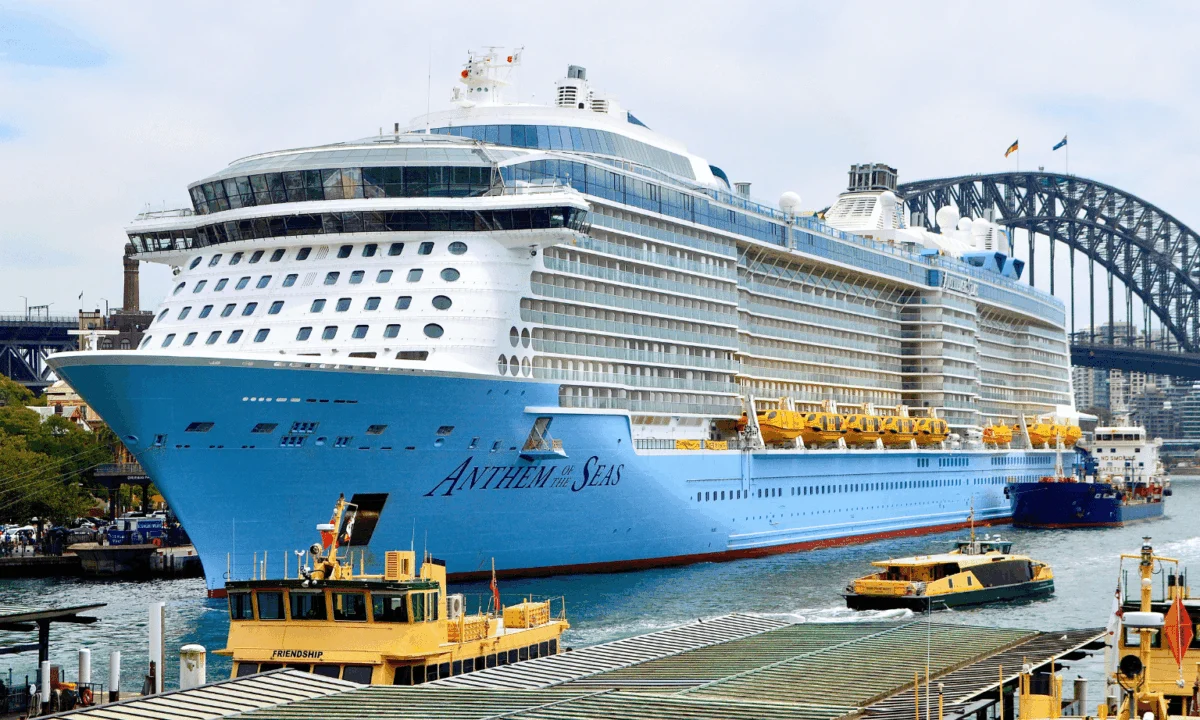
The sheer volume of space on mega-ships enables cruise lines to offer an unprecedented variety of amenities and activities. Passengers can find everything from elaborate water parks, surf simulators, and rock-climbing walls to extensive Broadway-style theaters, diverse dining venues catering to every palate, and expansive spa and wellness facilities. This allows for the creation of distinct "neighborhoods" or zones onboard, catering to different age groups and interests, from family-friendly entertainment to adult-only retreats. The ability to pack more into a single vessel means passengers can have a richer, more varied vacation experience without ever stepping ashore.
Market Differentiation and Competitive Advantage
In a highly competitive market, size and innovation serve as crucial differentiators. Cruise lines that can offer the largest, most technologically advanced, and amenity-rich ships often attract a significant segment of the market. The "wow factor" associated with a record-breaking vessel can generate considerable buzz and media attention, driving bookings. For cruise lines, investing in mega-ships is a way to signal their commitment to the future of cruising and to capture market share by offering experiences that smaller ships simply cannot replicate.
Cruise Lines Leading the Mega-Ship Trend
The current landscape of mega-ship cruising is largely defined by a few key players who have consistently invested in and launched vessels that push the boundaries of size and capacity.
Royal Caribbean’s Unrivaled Dominance
Royal Caribbean International has established itself as the undisputed leader in the mega-ship segment. The Oasis-class ships, introduced in 2009, were revolutionary, introducing the concept of a ship as a destination with distinct neighborhoods, parks, and promenades. The Icon-class, launched in 2024, represents the next evolution, further expanding on these concepts with new features and enhanced sustainability initiatives. Royal Caribbean’s strategy of building consistently larger and more innovative ships has paid dividends, cementing its reputation for offering unparalleled onboard experiences. Their commitment to a continuous pipeline of new mega-ships ensures they remain at the forefront of the industry.
MSC and Carnival’s Ascending Challengers
While Royal Caribbean has held the top spot for years, MSC Cruises and Carnival Cruise Line are making significant strides to challenge this dominance. MSC’s World-class and upcoming Constellation-class ships demonstrate a clear ambition to compete on size and passenger capacity. Their focus on contemporary design and diverse onboard offerings appeals to a broad international audience. Carnival’s Project Ace signals a strategic pivot towards maximizing passenger numbers, a tactic that could prove highly effective in certain markets. These investments by MSC and Carnival indicate a dynamic and evolving competitive landscape, promising exciting developments in the years to come.
The ongoing race to build the largest cruise ships is a testament to the industry’s innovation and its commitment to providing passengers with increasingly immersive and memorable travel experiences. As technology advances and passenger expectations evolve, the definition of a "mega-ship" will undoubtedly continue to be redefined. The future of ocean travel promises even grander vessels, pushing the boundaries of maritime engineering and offering an ever-wider array of adventures for global travelers.
Frequently Asked Questions
What is the biggest cruise ship in the world in 2026?
As of the current projections and based on tonnage, Royal Caribbean’s Icon of the Seas and its sister ships like Star of the Seas are expected to remain the world’s biggest cruise ships through 2026, with gross tonnages exceeding 248,000 GT.
Which cruise ship holds the most passengers?
Currently, Icon of the Seas holds the distinction of accommodating the most passengers, with a capacity of up to 7,600 guests when fully occupied.
Are bigger cruise ships more expensive?
While larger ships often command higher base fares due to their extensive amenities and premium offerings, the per-passenger cost can sometimes be lower than on smaller ships due to economies of scale. Pricing is highly variable and depends on factors like itinerary, cabin type, season, and demand.
What cruise line has the largest fleet of mega ships?
Royal Caribbean International is widely recognized as having the largest fleet of mega-ships, particularly due to its extensive Oasis-class and Icon-class vessels, which are among the largest and most capacity-filled in the world.
Do larger cruise ships offer better amenities?
Yes, larger cruise ships generally offer a wider array and a greater quantity of amenities due to their expansive internal space. This allows for more diverse dining, entertainment, and recreational options.
Can you feel the movement more on larger cruise ships?
Generally, larger cruise ships are more stable on the water and less susceptible to feeling significant movement compared to smaller vessels. Their mass and advanced stabilization systems help to mitigate the effects of waves and sea conditions.


 Budi Mulyono
 Lukman Taruna Persada Ramadan
 Gabriela Annisa
 Tatiana Tantri Indah Sari