
 Budi Mulyono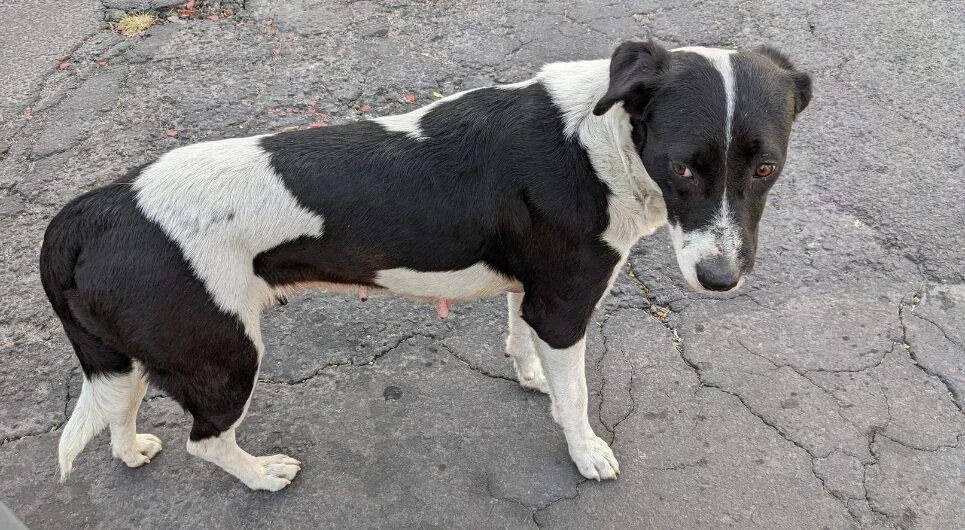
Aviation authorities and major carriers are implementing a series of significant policy changes and technological updates aimed at enhancing safety and improving the passenger experience. From Southwest Airlines’ new restrictions on portable electronic devices to United Airlines’ integration of real-time security data, the industry is navigating a complex landscape of safety regulations and digital innovation. Simultaneously, operational challenges ranging from mid-flight medical emergencies to wildlife management at international hubs continue to test the resilience of global travel infrastructure.
Southwest Airlines Implements Stricter Lithium-Ion Battery Policies
Southwest Airlines has announced a comprehensive update to its safety protocols regarding the carriage and use of portable power banks. Under the new regulations, scheduled to take effect in the coming cycle, passengers will be limited to carrying a single portable charger per person. Furthermore, the airline is instituting a strict prohibition against storing these devices in overhead bins and has banned the practice of recharging portable batteries using the aircraft’s in-seat power outlets.
This policy shift comes amid rising concerns from the Federal Aviation Administration (FAA) regarding the fire risks associated with lithium-ion batteries. According to FAA data, the frequency of smoke, fire, or extreme heat incidents involving lithium batteries on aircraft has seen a steady increase over the last decade. Between 2006 and 2023, the FAA recorded hundreds of verified battery-related incidents, many of which involved portable power banks undergoing thermal runaway.
Thermal runaway occurs when a battery cell enters an uncontrollable, self-heating state, often resulting in the release of toxic smoke or the ignition of a fire that is difficult to extinguish with standard on-board equipment. By requiring chargers to be kept in the cabin and under the direct supervision of the passenger rather than in overhead bins, Southwest aims to ensure that any potential thermal event can be identified and addressed immediately by flight crews. The restriction on using in-seat power to charge these devices further mitigates risk by preventing potential electrical overloads or overheating during the charging cycle.
Industry analysts suggest that while this move may cause inconvenience for business travelers and gadget-reliant passengers, it aligns Southwest with a broader trend of proactive safety management. The enforcement of the "one charger" rule will likely rely on gate agent observations and passenger self-compliance, though the airline has indicated that cabin crews will be briefed on identifying non-compliant storage during pre-flight checks.
United Airlines Enhances Digital Infrastructure with TSA Wait Time Integration
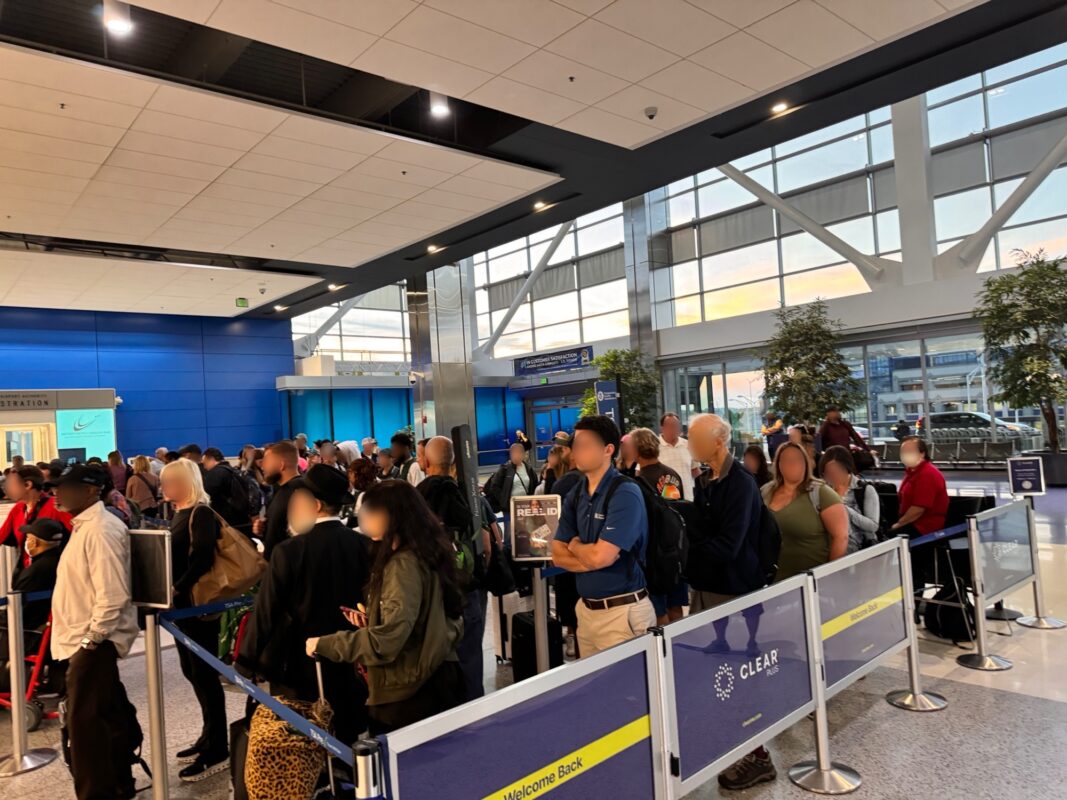
In a move to streamline the ground experience for its customers, United Airlines has launched a new feature within its mobile application that provides real-time estimates for Transportation Security Administration (TSA) wait times. This initiative is currently active at seven of the carrier’s primary domestic hubs: Chicago O’Hare (ORD), Denver (DEN), Houston Intercontinental (IAH), Los Angeles (LAX), Newark (EWR), San Francisco (SFO), and Washington Dulles (IAD).
The technological implementation of this feature is notable for its reliance on proprietary data. In six of the seven locations, United is not utilizing general airport estimates but is instead calculating wait times through its own internal data-gathering systems. This likely involves the use of Bluetooth or Wi-Fi sensors that track the movement of mobile devices through security checkpoints, or the analysis of time intervals between boarding pass scans at the entrance of the security line and the completion of the screening process.
The inclusion of both standard and TSA PreCheck® wait times allows passengers to make more informed decisions regarding their arrival times at the airport. This transparency is part of a larger industry trend toward "predictive travel," where airlines provide end-to-end data to reduce passenger anxiety. For United, the move serves as a competitive differentiator, particularly at Newark and Houston, where the airline maintains a dominant market share.
While the Houston (IAH) wait times currently rely on airport-provided data, the carrier has signaled that it will monitor the accuracy of these third-party metrics against its own observations. The success of this rollout will likely determine if the feature expands to smaller regional airports or international destinations in the future.
Emergency Protocols and Legal Precedents: Mid-Air Birth at JFK
A Caribbean Airlines flight arriving at New York’s John F. Kennedy International Airport (JFK) became the site of a rare medical event this week when a passenger gave birth as the aircraft touched down. The incident highlights the rigorous training flight crews undergo to manage unplanned medical emergencies and the complex coordination required between pilots and Air Traffic Control (ATC).
Leaked ATC transcripts reveal the professional shift in tone from controllers upon learning the nature of the emergency. Initially categorized as a "sick passenger" report, the pilot clarified that the individual was in active labor. The landing was prioritized, and medical emergency teams were positioned on the tarmac to meet the aircraft immediately upon arrival.

This event brings to light the various airline policies regarding travel during pregnancy. Most international carriers, including Caribbean Airlines, allow pregnant passengers to fly up to the 36th week of gestation, provided there are no known complications. However, the unpredictability of labor means that "sky-born" incidents occur several times a year globally.
Beyond the immediate health concerns, such births often trigger complex legal questions regarding citizenship. Under the principle of jus soli (right of the soil), a child born in U.S. airspace or on a flight arriving at a U.S. port may be eligible for United States citizenship. Conversely, many countries follow jus sanguinis (right of blood), where the child inherits the parents’ citizenship regardless of the location of birth. The specific circumstances of this birth—occurring "literally right as the plane was landing"—place it firmly within the jurisdiction of New York State and federal authorities.
Operational Security and Wildlife Management at Delhi Airport
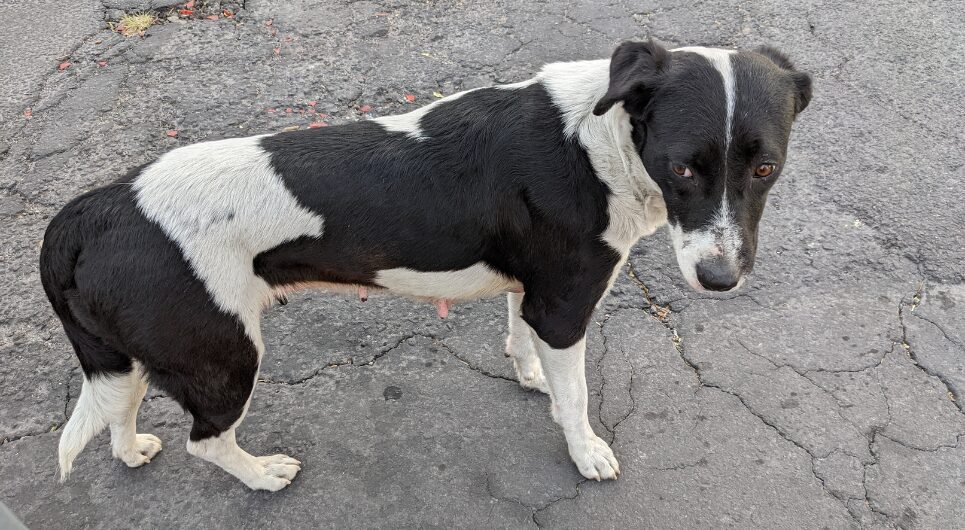
Indira Gandhi International Airport (DEL) in Delhi is currently at the center of a heated dispute involving municipal policy, animal welfare advocates, and aviation safety officials. The airport has reported a surge in incidents involving stray dogs on the premises, with several passengers reporting bite injuries within the terminal vicinities and parking areas.
The presence of stray animals at a major international hub presents significant safety risks, including the potential for runway incursions and the transmission of rabies. However, efforts to manage the population have been hampered by India’s stringent Animal Birth Control (ABC) Rules and a vocal public outcry against the relocation of stray dogs.
The timeline of the conflict reflects a shifting regulatory landscape:
- Initial Mandate: Delhi authorities initially proposed a total removal of stray dogs from the city’s streets.
- Judicial Intervention: Following protests from animal rights groups, the order was overturned in favor of a "sterilize and release" program, where dogs are vaccinated and returned to their original territories.
- Airport Exemption: A subsequent ruling granted permission to relocate dogs from "sensitive areas," including schools and airports.
Despite the legal allowance to remove the dogs from the airport, management has been hesitant to act due to the intense emotional and political climate. Some critics and animal welfare activists have gone as far as to accuse airport officials of fabricating or exaggerating the number of dog-bite incidents to justify a mass removal.
The Delhi International Airport Limited (DIAL) maintains that passenger safety is its primary concern. Rabies remains a significant public health issue in India, and the presence of aggressive animals in a high-traffic environment like an airport terminal is viewed by security experts as an unacceptable liability. The situation remains an impasse, reflecting the broader global challenge of balancing urban wildlife management with the stringent requirements of modern aviation infrastructure.
Broader Impact and Industry Analysis
The convergence of these four distinct events illustrates the multifaceted nature of modern aviation management. The Southwest policy change underscores a shift toward more granular safety regulations as portable technology becomes more powerful and potentially hazardous. As energy density in batteries increases, airlines must weigh the convenience of their passengers against the catastrophic potential of an in-flight fire.
On the technological front, United’s app update signals the end of the era where airlines only managed the flight itself. Today’s carriers are increasingly responsible for the "total trip experience," utilizing data to mitigate the stressors of ground operations. This transparency not only benefits the passenger but also helps the TSA and airport authorities by smoothing out peaks in passenger flow.
The incidents in New York and Delhi serve as reminders of the human and environmental variables that can disrupt even the most highly regulated systems. Whether it is a medical miracle at 30,000 feet or a localized conflict over animal rights at a terminal entrance, the aviation industry must remain flexible.
As we move toward the middle of the decade, the industry’s focus appears to be shifting from post-pandemic recovery toward a dual-track strategy of rigorous safety enforcement and digital-first customer service. The success of these initiatives will depend on the ability of airlines to communicate these changes effectively to a global traveling public that is increasingly sensitive to both safety protocols and technological convenience.




 Chandra Hamzah
 Gabriela Annisa
 Tatiana Tantri Indah Sari
 Anjar Salim