
 Susilo Edi Turonggo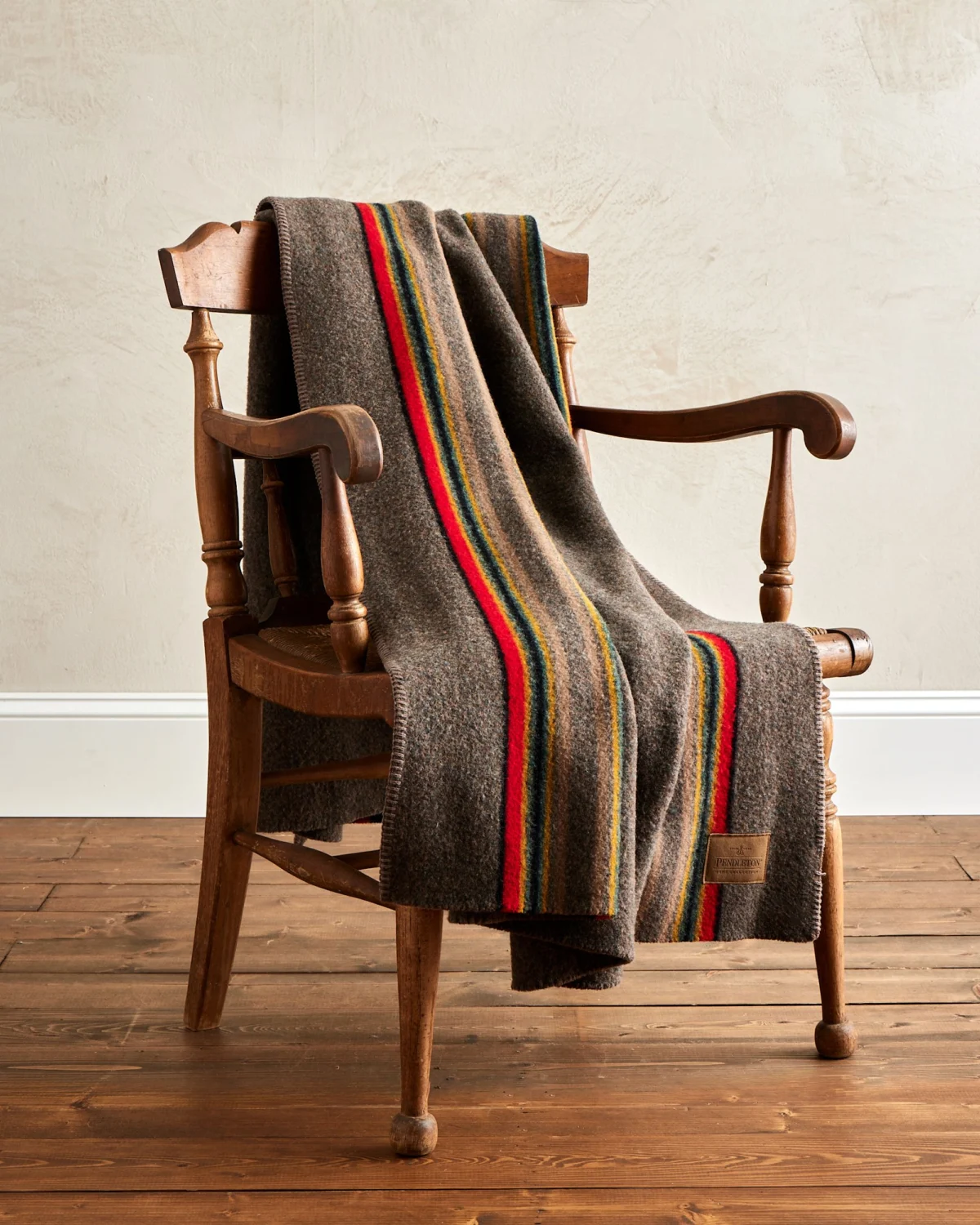
The quest for comfort, particularly during colder months or for moments of relaxation, often leads consumers to seek out the perfect blanket. Beyond the immediate desire for warmth and softness, a growing segment of the market is increasingly prioritizing the environmental and social impact of their purchases. This shift has propelled sustainable and ethically produced blankets from niche products to a significant trend within the home goods industry. As consumers become more aware of the broader implications of textile manufacturing, the demand for well-made, long-lasting blankets crafted from skin-safe materials, produced under ethical conditions, and designed for timeless appeal continues to rise.
The Evolving Consumer Landscape and Textile Industry Challenges
The global textile industry is a vast and complex ecosystem, with an estimated market value exceeding $1 trillion. While it provides countless products, it also faces significant environmental and social challenges. Traditional textile production is a major contributor to water pollution, greenhouse gas emissions, and waste generation. For instance, conventional cotton farming is notoriously water-intensive and often relies heavily on pesticides, while the production of synthetic fibers like polyester is energy-intensive and derived from fossil fuels. Furthermore, the dyeing process frequently involves hazardous chemicals, which can contaminate waterways and pose health risks to workers and consumers. A 2021 report by the European Environment Agency highlighted textiles as the fourth highest pressure category for resource use and greenhouse gas emissions in the EU.
On the social front, concerns about labor practices, including low wages, unsafe working conditions, and child labor, persist in many parts of the global supply chain. These issues have prompted a critical re-evaluation of how products are made and have spurred the growth of movements advocating for greater transparency and accountability. In response, a segment of the industry has committed to more responsible practices, leading to the emergence of brands that prioritize sustainability and ethics at every stage of production.
Key Pillars of Sustainable Blanket Selection
For the conscious consumer, selecting a blanket goes beyond mere aesthetics or immediate comfort. It involves understanding the materials, manufacturing processes, and the ethical footprint of the brand. Three critical pillars guide this discernment: skin-safe materials and dyes, durability and timeless style, and a traceable and ethical supply chain.
Skin-Safe Materials and Dyes: Prioritizing Health and Environment
One of the most immediate concerns for consumers is the safety of materials that come into direct contact with their skin. Many conventional synthetic textiles, particularly blankets, are dyed using immuno-sensitizing azo-benzene disperse dyes. These chemicals have been linked to skin reactions upon contact and can even break down into household dust, becoming airborne or ingested. Research by organizations like the European Chemicals Agency (ECHA) has identified numerous azo dyes as potential allergens or carcinogens, prompting restrictions on their use in textiles sold in certain markets.
The shift towards natural fibers and non-toxic dyes is a direct response to these health and environmental concerns. Natural fibers like organic cotton, alpaca, merino wool, linen, Tencel, and hemp offer superior breathability, comfort, and biodegradability compared to their synthetic counterparts. Organic cotton, for example, is cultivated without synthetic pesticides, herbicides, or genetically modified organisms, significantly reducing its environmental impact and ensuring a cleaner product. Alpaca and merino wool are renowned for their softness, warmth, and natural moisture-wicking properties, while linen and hemp are durable, resilient, and require minimal resources to grow. Tencel, a lyocell fiber made from sustainably sourced wood pulp, is produced in a closed-loop system, minimizing waste and solvent use.
To ensure that blankets are free from harmful substances, consumers should look for certifications such as Oeko-Tex Standard 100 and bluesign. Oeko-Tex certifies that every component of a textile product, from thread to buttons, has been tested for harmful substances and is therefore harmless for human health. The bluesign standard goes further, aiming to eliminate harmful substances from the very beginning of the manufacturing process, setting stringent criteria for resource productivity, consumer safety, water and air emissions, and occupational health and safety. These certifications act as independent verifiers, offering assurance that the dyes and finishes used meet rigorous safety standards.
Durability and Timeless Style: Investing in Longevity
In an era of fast fashion and disposable goods, durability and timeless style represent a counter-narrative, promoting conscious consumption and reducing waste. A well-made blanket, designed to last for years, inherently reduces its environmental footprint by extending its lifespan and minimizing the need for frequent replacements. This approach aligns with circular economy principles, where products are kept in use for as long as possible.
Brands committed to sustainability intentionally choose high-quality materials and construction methods that withstand the test of time. For instance, wool blankets are naturally anti-odor, moisture-wicking, and resistant to dust mites, requiring less frequent washing compared to synthetic alternatives, which further contributes to their longevity and reduces water and energy consumption. The emphasis on timeless design also means that these blankets transcend fleeting trends, ensuring they remain a cherished part of a home’s aesthetic for decades. Consumers are encouraged to check material care instructions carefully, as proper maintenance is crucial for maximizing a blanket’s lifespan. Investing in a durable, classic design is not just an aesthetic choice; it’s an environmental one, directly combating the culture of disposability.
Traceable and Ethical Supply Chain: Supporting People and Communities
The journey of a blanket from raw material to finished product involves numerous hands and processes. An ethical supply chain ensures that every individual involved in this journey, from farmers to weavers, is treated fairly, paid living wages, and works in safe conditions. It also means that materials are sourced responsibly, minimizing environmental degradation and supporting local economies. This commitment to social responsibility is increasingly non-negotiable for discerning consumers.
Many sustainable brands partner directly with artisan communities, preserving traditional craftsmanship and bringing unique, handmade designs into homes. These direct relationships often foster greater transparency and accountability, allowing brands to verify working conditions and payment structures. Certifications like Fair Trade USA and the World Fair Trade Organization (WFTO) provide robust frameworks for verifying ethical practices. Fair Trade certification ensures that producers receive fair prices for their goods, workers have safe conditions and democratic representation, and environmentally sound practices are employed. WFTO goes further, certifying entire organizations as fair trade enterprises, meaning fair trade principles are embedded throughout their operations and supply chains.
The traceability of materials, knowing the origin of fibers and the conditions under which they were processed, is another critical aspect. Brands that openly share information about their supply chains empower consumers to make informed choices and hold companies accountable for their ethical claims. This transparency builds trust and reinforces the value of products made with integrity.
Leading Brands Paving the Way in Ethical Blanket Production
Several brands exemplify these principles, offering consumers high-quality, comfortable, and responsibly made blankets. Their commitments range from historical dedication to domestic manufacturing to innovative partnerships with global artisans.
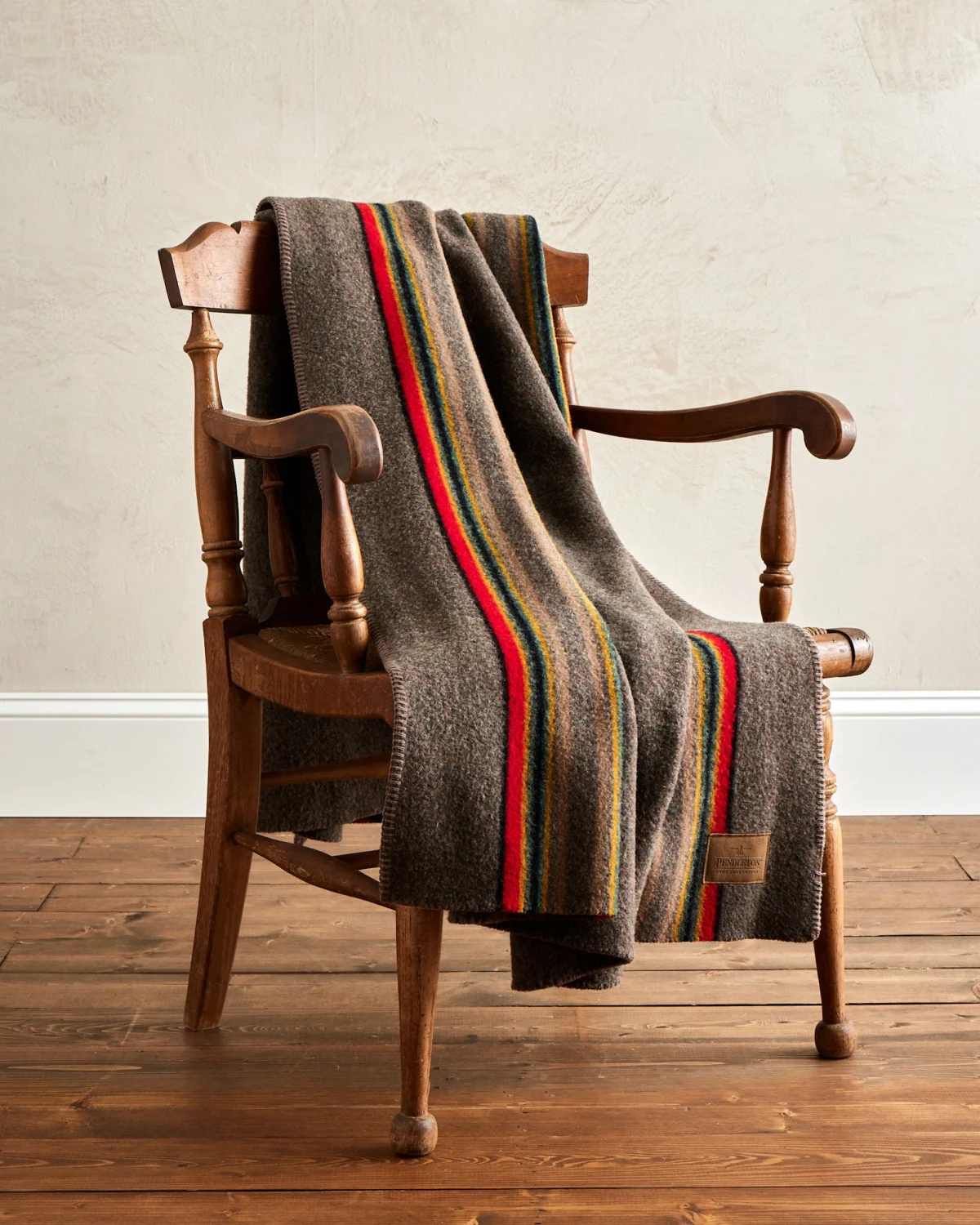
1. Pendleton: A heritage brand established in 1909, Pendleton stands as a testament to enduring quality and domestic manufacturing. Operating two of the few remaining woolen mills in the U.S., Pendleton meticulously handles the entire production process from scouring and dyeing to spinning, weaving, and hand-finishing wool and cotton. Their blankets are Oeko-Tex-certified, ensuring safety from harmful substances. Pendleton is particularly renowned for its deep, long-standing relationships with local wool farmers and indigenous artists, whose iconic patterns are woven into the blankets on traditional looms. This historical commitment to American craftsmanship and cultural heritage provides a unique narrative of sustainability rooted in longevity and community partnership. Price Range: $60-$529. Available in: The U.S.
2. Minna: As a certified B Corp and queer-led business based in Upstate New York, Minna embodies a modern approach to ethical production. Their blankets, featuring abstract patterns and minimalist designs, are handmade in small batches from alpaca, Oeko-Tex-certified cotton, and merino wool. Minna prioritizes building strong, respectful relationships with artisan partners across Central and South America, ensuring fair compensation and safe working environments. The brand’s commitment to transparency is evident in its practice of listing the specific artisan who made each blanket on its product pages, directly connecting consumers to the human element of their purchase. Price Range: $165-$398. Available in: Most countries.
3. April Notes: This brand focuses on soft, earth-friendly home linens, with a collection of blankets crafted from linen, cotton, and merino wool. April Notes’ products are certified free of harmful chemicals and synthetic dyes, emphasizing natural breathability and hypoallergenic properties. A key aspect of their sustainability strategy is made-on-demand production, which significantly minimizes textile waste and overproduction—a critical issue in the broader fashion and home goods industries. They maintain a close partnership with a boutique atelier in Lithuania, ensuring meticulous craftsmanship, fair wages, and safe working conditions for their artisans. Price Range: $149-$180. Available in: The U.S., Canada, the U.K., Australia, New Zealand, Mexico, Norway, Switzerland, Gibraltar, and all European Union countries.
4. Avocado: Known for its comprehensive approach to sustainable bedroom stylings, Los Angeles-based Avocado is a certified B Corp. Their throw blankets utilize Oeko-Tex-certified organic cotton, alpaca wool, cashmere, merino wool, and recycled cotton. A notable practice is the use of naturally occurring colors for their alpaca wool throws, eliminating the need for dyes altogether. For other blankets, only azo-free dyes are employed, further reducing chemical impact. Avocado’s commitment extends to its supply chain, sourcing wool from Northern India and regularly auditing its partners to ensure ethical and sustainable practices. Price Range: $39-$349. Available in: The U.S.
5. Coyuchi: Dedicated to creating high-quality home goods with minimal environmental impact, Coyuchi sources organic cotton and wool from India. Their blankets are woven in Fair Trade-certified factories located in Turkey, Portugal, and Germany, underscoring their commitment to ethical labor practices across their international supply chain. Coyuchi actively assists consumers in making informed choices through resources like their detailed "blanket guide," which helps customers find the perfect product based on their specific needs and values. Price Range: $58-$478. Available in: The U.S.
6. Savvy Rest: This certified B Corp bedding brand specializes in organic cotton dye-free blankets, available in a wide range of sizes from throw to king. A unique aspect of Savvy Rest’s production is its commitment to local sourcing and manufacturing: their cotton is grown and woven into blankets entirely within the United States. This domestic supply chain reduces transportation emissions and supports American agriculture and textile craftsmanship. Price Range: $89-$198. Available in: The United States.
7. Under the Canopy: Under the Canopy crafts durable, intentional designs using Oeko-Tex-certified low-impact dyes. Their blankets are produced in India, Pakistan, Turkey, and China, utilizing merino wool from Argentina and organic cotton from Turkey. The brand focuses on creating products built to last, reflecting a broader commitment to reducing consumption and promoting long-term use. Price Range: $178-$212. Available in: The U.S.
8. Boll & Branch: A Fair Trade Certified bedding company, Boll & Branch places a high priority on non-toxic processes to create safe and exceptionally soft blankets. Their throws are made by artisans in India, Turkey, and Pakistan using traceable Oeko-Tex-certified organic cotton and alpaca. The brand’s Fair Trade certification signifies its dedication to ethical labor and sustainable production throughout its global artisan network. Price Range: $149-$699. Available in: The U.S. and Canada.
9. Bearaby: Specializing in weighted blankets for sleep and anxiety, Bearaby also offers comfortable and lightweight throws. The brand utilizes innovative sustainable materials, including Tencel from Austria, organic cotton from India, and Oeko-Tex-certified recycled polyester. By offering blankets in multiple weights and sizes, Bearaby caters to diverse needs while maintaining a strong commitment to sustainable material choices. Price Range: $149-$309. Available in: The U.S.
10. Cold Picnic: Cold Picnic transforms home goods into artistic statements. Their blankets are designed in Brooklyn and produced in small batches in the U.S. by a family-owned company, utilizing domestically-sourced Oeko-Tex-certified recycled cotton. Additionally, their quilts are handmade by artisans in India. Consumers seeking to avoid synthetics should note that some blankets may contain polyester, making it advisable to check material details before purchase. This blend of domestic production and international artisan collaboration showcases a multifaceted approach to ethical sourcing. Price Range: $130-$560. Available in: Worldwide.
11. Parachute: This direct-to-consumer brand is known for its quality and durable home goods, offering blankets with a timeless modern design. Parachute uses Oeko-Tex-certified materials, including cotton, alpaca wool, and linen. The brand partners with Fair Trade manufacturers in Portugal and Turkey to ensure an ethical supply chain. Similar to other brands, some Parachute blankets may include a small percentage of polyester; consumers sensitive to synthetics should review material details. Price Range: $99–$289. Available in: The U.S. and Canada.
12. The Citizenry: As a Fair Trade brand, The Citizenry produces warm and lightweight blankets, quilts, and throws from ethically sourced, Oeko-Tex-certified materials such as alpaca wool, mohair, linen, and cotton. The brand’s commitment to transparency is exemplary, listing all its international artisan partners and specifying where each blanket was handwoven or loomed on its product pages. While primarily focused on natural fibers, some products may contain a small amount of polyester, prompting consumers to verify material composition. Price Range: $189-$299. Available in: The U.S. and Canada.
13. Made Trade: Made Trade operates as an online marketplace that rigorously vets every product for genuine sustainability and transparency. It empowers consumers to shop by their specific values, allowing them to filter for blankets that are USA Made, handcrafted, or Fair Trade. The platform also enables searches by preferred materials, including cotton, recycled polyester, hemp, linen, and merino and alpaca wool. This comprehensive filtering system provides an invaluable resource for navigating the ethical home goods market, though consumers should utilize these filters to avoid synthetics if that is a preference. Price Range: $40-$719. Available in: The U.S., Australia, Canada, the U.K., most European and Asian countries.
Broader Implications and the Future of Conscious Comfort
The increasing availability and demand for ethical and sustainable blankets reflect a broader transformation in consumer values and industry practices. As awareness grows regarding the environmental footprint and social equity within manufacturing, brands are increasingly compelled to adopt more responsible models. The collective impact of choosing a sustainable blanket extends beyond personal comfort; it contributes to a reduction in textile waste, minimizes chemical pollution, supports fair labor practices, and preserves traditional craftsmanship.
The market for sustainable home goods is expected to continue its upward trajectory, driven by technological advancements in eco-friendly materials, enhanced supply chain transparency through digital tools, and evolving regulatory frameworks. The proliferation of certifications like Oeko-Tex, bluesign, Fair Trade, and B Corp provides critical assurance, guiding consumers through complex purchasing decisions. Ultimately, each choice for a sustainably and ethically produced blanket is a vote for an industry that prioritizes planetary health and human well-being, fostering a future where comfort and consciousness are inextricably linked. This shift represents not merely a trend, but a fundamental change in how products are valued and consumed, moving towards a more responsible and regenerative economy.



 Anjar Salim
 Chandra Hamzah
 Tatiana Tantri Indah Sari
 Budi Mulyono

