
 Susilo Edi Turonggo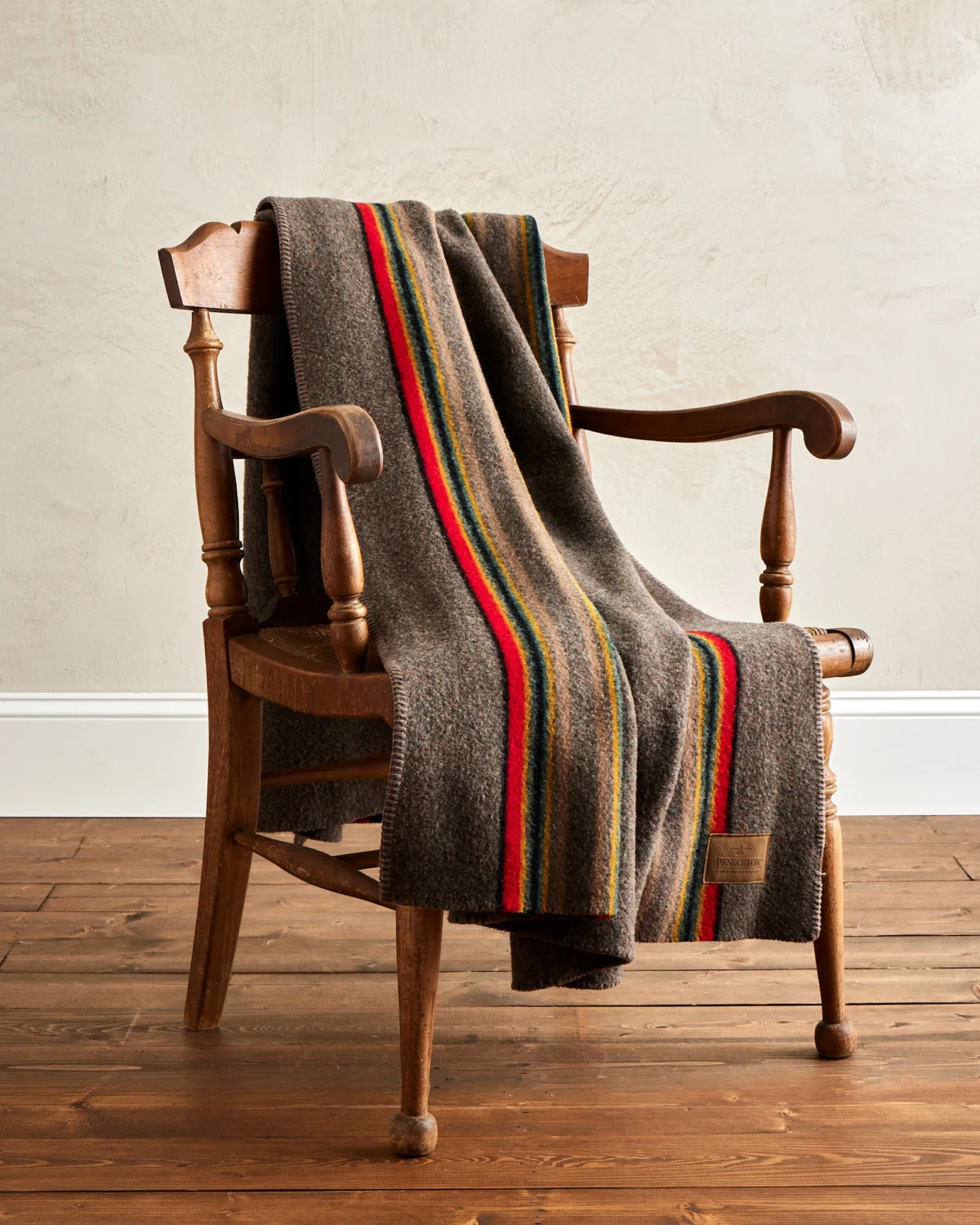
There is no better winter companion than a cozy blanket, serving as an indispensable source of comfort through months of snow and slush, long holiday travels, and quiet evenings by the fire. Beyond its functional warmth, a well-chosen throw or quilt also represents a thoughtful gift, particularly for those who seem to possess everything. However, the pursuit of a well-made, long-lasting blanket increasingly intertwines with considerations of ethical production and environmental sustainability. This guide delves into the crucial factors discerning consumers should consider when selecting a blanket, from material origins and dye processes to supply chain transparency and artisan welfare, highlighting leading brands that exemplify these principles.
The Evolving Landscape of Home Goods: A Shift Towards Conscious Consumption
The global textile industry, valued at over $1 trillion, has long faced scrutiny for its environmental and social impacts. While much of the attention has historically focused on apparel, the home goods sector, including items like blankets, is now drawing similar scrutiny. Consumers are increasingly extending their ethical purchasing decisions from their wardrobes to their living spaces, driven by a growing awareness of climate change, labor exploitation, and the health implications of synthetic materials. This shift is not merely a trend but a fundamental re-evaluation of product value, moving beyond immediate cost to encompass the entire lifecycle and societal footprint of an item. The market for sustainable home textiles is expanding rapidly, projected to grow significantly in the coming years as demand for eco-friendly and ethically produced items rises. This paradigm shift encourages manufacturers to adopt more responsible practices, offering consumers a broader array of choices that align with their values.
Understanding the Environmental and Health Impacts of Conventional Blankets
Many conventional blankets are manufactured using synthetic textiles such as polyester, acrylic, and fleece. These materials, often derived from petroleum, contribute significantly to plastic pollution and are non-biodegradable, persisting in landfills for centuries. Furthermore, the production of synthetic fibers is energy-intensive and can release volatile organic compounds (VOCs) into the atmosphere. A critical concern with these materials lies in their dyeing processes. Synthetic textiles are typically colored with immuno-sensitizing azo-benzene disperse dyes. These chemical compounds pose dual risks: they can trigger skin reactions upon contact, and they are prone to shedding microparticles into household dust. While blankets are not typically ingested, these hazardous substances can be inhaled or inadvertently ingested by household members, including children and pets, representing a subtle yet persistent health risk within the home environment.
Beyond health implications, the environmental consequences of conventional dyeing are severe. Textile dyeing is one of the most polluting aspects of the fashion and textile industry, consuming vast quantities of water and discharging highly contaminated wastewater laden with heavy metals, salts, and dyes into local ecosystems. This pollution degrades water quality, harms aquatic life, and can pose long-term health risks to communities reliant on these water sources.
Pillars of Sustainable Blanket Selection: Materials, Durability, and Ethics
Selecting a truly sustainable and ethical blanket requires careful consideration across several key dimensions. These criteria ensure that the comfort derived from the product does not come at the expense of environmental integrity or human welfare.
1. Skin-Safe Materials & Dyes: Prioritizing Health and Environmental Purity
The foundation of a sustainable blanket lies in its raw materials and the methods used to process them. Natural fibers offer a superior alternative to synthetics, benefiting both personal health and the environment.
- Organic Cotton: A cornerstone of sustainable textiles, organic cotton is cultivated without synthetic pesticides, fertilizers, or genetically modified organisms (GMOs). This approach protects soil health, conserves water (often requiring significantly less water than conventional cotton due to improved soil structure), and safeguards the health of farmers and surrounding ecosystems. Certifications like the Global Organic Textile Standard (GOTS) provide assurance that cotton is organic from harvesting through environmentally and socially responsible manufacturing.
- Alpaca and Merino Wool: These natural fibers are celebrated for their exceptional warmth, softness, and breathability. Wool is naturally anti-odor, moisture-wicking, and temperature-regulating. Alpaca wool, in particular, is often lauded for its hypoallergenic properties and sustainability, as alpacas have a lighter environmental footprint than some other livestock. Ethical sourcing ensures animal welfare and fair treatment of herders.
- Linen: Derived from the flax plant, linen is an ancient fiber known for its strength, absorbency, and coolness. Flax requires minimal water and pesticides to grow and is naturally biodegradable, making it an environmentally friendly choice. Its inherent durability also contributes to its sustainability, as linen products can last for decades.
- Tencel (Lyocell): A brand name for lyocell fiber, Tencel is produced from sustainably sourced wood pulp, primarily eucalyptus, through a closed-loop solvent spinning process. This innovative method recycles up to 99% of the water and solvents used, minimizing waste and environmental impact. Tencel is known for its softness, strength, and excellent moisture absorption.
- Hemp: One of the most sustainable fibers available, hemp grows rapidly with minimal water and no pesticides. It enriches the soil, requires little land, and is incredibly durable. Hemp fibers soften with age, making them ideal for long-lasting textiles.
To ensure that the dyes and finishes applied to these natural fibers are non-toxic, consumers should look for specific certifications. Oeko-Tex Standard 100 certifies that every component of a textile product, from the fabric to the thread and accessories, has been tested for harmful substances and is therefore harmless for human health. The bluesign® system goes a step further, focusing on sustainable textile production by eliminating harmful substances from the beginning of the manufacturing process and setting standards for environmentally friendly and safe production. These certifications are crucial indicators of a brand’s commitment to chemical safety.
2. Durability and Timeless Style: The Anti-Fast-Fashion Approach
In an era dominated by fast fashion and disposable consumer goods, durability and timeless design emerge as powerful sustainability principles. Blankets designed for longevity reduce the need for frequent replacement, thereby curbing consumption and minimizing waste. Brands that prioritize quality materials and robust construction methods ensure their products withstand years of use and washing. For instance, wool blankets, due to their natural anti-odor properties, require less frequent washing compared to synthetic alternatives, further extending their lifespan and conserving resources.
Beyond mere physical resilience, timeless style plays a significant role. Designs that transcend fleeting trends ensure a blanket remains a cherished part of the home décor for years, even decades. This approach contrasts sharply with the "buy-and-discard" mentality, fostering a deeper connection between consumer and product. Checking material care instructions at the point of purchase is essential, as proper maintenance is key to maximizing a blanket’s lifespan.
3. Traceable & Ethical Supply Chains: Empowering Artisans and Communities
The journey of a blanket from raw material to finished product often spans continents and involves numerous hands. An ethical supply chain ensures that every individual involved in this process is treated fairly, paid justly, and works in safe conditions. Investing in blankets from brands with traceable supply chains also presents an opportunity to support artisan craftsmanship and preserve traditional textile techniques.
Certifications from organizations like Fair Trade USA and the World Fair Trade Organization (WFTO) are vital benchmarks. Fair Trade certification ensures that producers receive fair prices, adhere to strict labor standards, and invest in community development projects. The WFTO operates under a 10-Principle system, covering everything from creating opportunities for disadvantaged producers to ensuring transparency and accountability. These certifications provide independent verification that a brand’s ethical claims are legitimate, offering peace of mind to consumers who wish to support equitable trade practices and responsible manufacturing. Brands that work closely with artisans not only guarantee fair compensation but also often engage in capacity building, supporting the growth and empowerment of these communities.
Leading Brands in Ethical and Sustainable Blanket Production
Several brands are at the forefront of this movement, offering high-quality, ethically produced, and environmentally conscious blankets. Each demonstrates a unique commitment to sustainability, from preserving traditional crafts to innovating in material science.
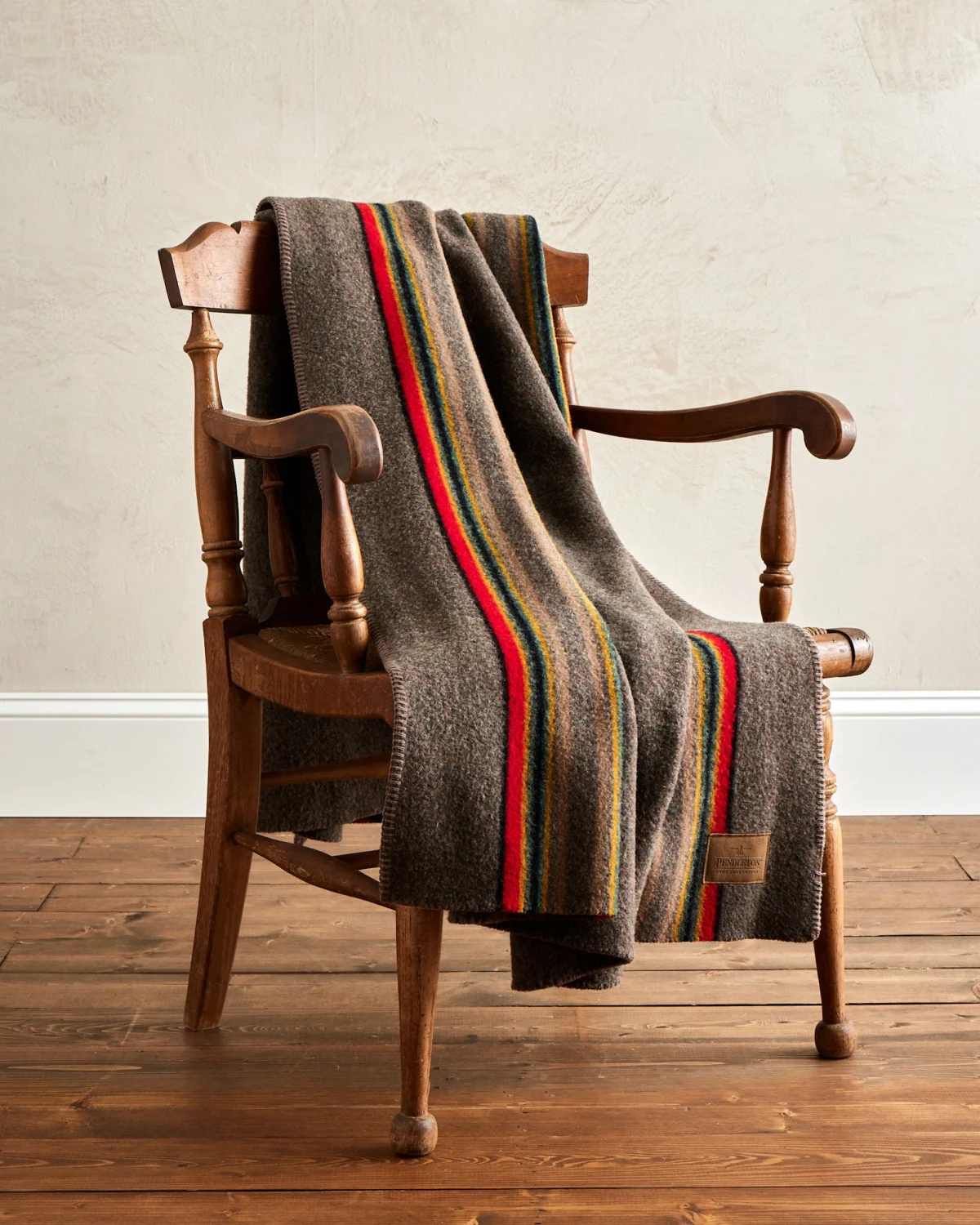
1. Pendleton
A venerable American institution, Pendleton has been crafting woolens since 1909. The brand operates two of the few remaining woolen mills in the U.S., overseeing the entire production process from scouring and dyeing to spinning, weaving, and hand-finishing wool and cotton. Their blankets are Oeko-Tex-certified, ensuring they are free from harmful substances. Pendleton is renowned for its deep, long-standing relationships with local wool farmers and indigenous artists. These collaborations are integral to the creation of their iconic patterns, which are meticulously woven on traditional looms, honoring cultural heritage and supporting local economies. Their commitment to American manufacturing and traditional craftsmanship sets a high standard for quality and ethical production.
Price Range: $60-$529
Available in: The U.S.
2. Minna
Minna, a certified B Corp and queer-led business based in Upstate New York, stands out for its unique blend of abstract and minimalist designs. Their blankets are handcrafted in small batches, primarily using alpaca, Oeko-Tex-certified organic cotton, and merino wool. Minna prioritizes building direct relationships with artisan partners across Central and South America. This close collaboration ensures fair wages, safe working conditions, and respect for traditional techniques. Notably, each product page lists the specific artisan who made the blanket, fostering transparency and a personal connection between maker and consumer. Their focus on small-batch production also minimizes waste and supports sustainable manufacturing practices.
Price Range: $165-$398
Available in: Most countries.
3. April Notes
April Notes specializes in soft, earth-friendly home linens, with a blanket collection crafted from linen, cotton, and merino wool. A key feature of their products is the certification that they are free of harmful chemicals and synthetic dyes, making them naturally breathable and hypoallergenic. The brand operates on an innovative made-on-demand model, which significantly reduces textile waste and prevents overproduction, a common issue in the industry. April Notes maintains a close working relationship with a boutique atelier in Lithuania, ensuring meticulous craftsmanship, fair wages, and safe working conditions for their skilled artisans. This commitment to local, ethical production underscores their dedication to sustainability.
Price Range: $149-$180
Available in: The U.S., Canada, the U.K., Australia, New Zealand, Mexico, Norway, Switzerland, Gibraltar, and all European Union countries.
4. Avocado
Avocado, a Los Angeles-based certified B Corp, is widely recognized for its commitment to organic and eco-friendly bedroom essentials. Their throw blankets are meticulously crafted from Oeko-Tex-certified organic cotton, alpaca wool, cashmere, merino wool, and recycled cotton. A unique aspect of their alpaca wool throws is the use of naturally occurring colors, eliminating the need for dyes entirely. Other blankets feature azo-free dyes, further reducing chemical impact. Avocado responsibly sources its wool from Northern India, and its entire supply chain is subject to regular audits to ensure compliance with stringent ethical and environmental standards. Their comprehensive approach to sustainability, from materials to manufacturing, makes them a leader in the field.
Price Range: $39-$349
Available in: The U.S.
5. Coyuchi
Coyuchi is dedicated to creating high-quality home goods with a minimal environmental footprint. Their extensive range of blankets features organic cotton and wool sourced from India, with weaving processes conducted in Fair Trade-certified factories located in Turkey, Portugal, and Germany. This global approach ensures adherence to strict labor standards and environmental practices across their supply chain. Coyuchi further supports informed consumer choices by providing a detailed "blanket guide" on their website, helping customers select the perfect blanket based on material, weight, and warmth, aligning personal preferences with sustainable options. Their commitment to Fair Trade certification highlights their dedication to social equity.
Price Range: $58-$478
Available in: The U.S.
6. Savvy Rest
As another certified B Corp in the bedding sector, Savvy Rest offers organic cotton dye-free blankets in a comprehensive range of sizes, from throw to king. A distinguishing feature of Savvy Rest is their commitment to domestic production: their cotton is grown and woven into blankets entirely within the United States. This localized supply chain minimizes transportation emissions and supports American agriculture and manufacturing jobs. By choosing dye-free options, Savvy Rest eliminates the chemical burden associated with conventional dyeing, offering a pure and natural product for consumers.
Price Range: $89-$198
Available in: The United States.
7. Under the Canopy
Under the Canopy produces blankets in India, Pakistan, Turkey, and China, utilizing Oeko-Tex-certified low-impact dyes to minimize environmental harm. They source merino wool from Argentina and organic cotton from Turkey, carefully selecting materials for their sustainability and quality. The brand focuses on creating intentional designs that are built to last, emphasizing durability as a core component of sustainability. Their global manufacturing network is managed with a commitment to ethical labor practices and environmental responsibility, ensuring that their products are both beautiful and consciously made.
Price Range: $178-$212
Available in: The U.S.
8. Boll & Branch
Boll & Branch is a Fair Trade Certified bedding company that prioritizes non-toxic processes in the creation of its soft and safe blankets. Their throws are meticulously made by artisans in India, Turkey, and Pakistan, utilizing traceable Oeko-Tex-certified organic cotton and alpaca. The brand’s emphasis on traceability means consumers can often learn about the origins of the materials and the conditions under which they were produced, offering a high degree of transparency. Their commitment to Fair Trade ensures that the artisans involved in their supply chain receive fair wages and work in equitable conditions, empowering communities through sustainable economic practices.
Price Range: $149-$699
Available in: The U.S. and Canada.
9. Bearaby
While specializing in weighted blankets designed for sleep and anxiety, Bearaby also offers a selection of comfortable and lightweight throws. Their innovative use of materials includes Tencel from Austria, organic cotton from India, and Oeko-Tex-certified recycled polyester. This blend demonstrates a commitment to sustainable material innovation, though consumers sensitive to synthetics should note the inclusion of recycled polyester in some products and verify material details. Bearaby’s focus on therapeutic benefits combined with sustainable material choices positions them as a unique player in the ethical blanket market.
Price Range: $149-$309
Available in: The U.S.
10. Cold Picnic
Cold Picnic transforms home goods into striking art pieces, utilizing domestically-sourced Oeko-Tex-certified recycled cotton for many of its blankets. Designed in Brooklyn, their blankets are produced in small batches in the U.S. by a family-owned company, supporting local industry and ensuring quality craftsmanship. Their quilts, on the other hand, are handmade by skilled artisans in India, celebrating global textile traditions. While the brand emphasizes recycled materials, some blankets do incorporate polyester. Consumers prioritizing natural fibers should consult the material details for each product to make an informed choice. Cold Picnic masterfully blends artistic expression with responsible production.
Price Range: $130-$560
Available in: Worldwide.
11. Parachute
Parachute, a direct-to-consumer brand, is known for its commitment to quality and durable home goods. Their blankets feature a timeless modern design and are made with Oeko-Tex-certified materials, including cotton, alpaca wool, and linen. Parachute partners with Fair Trade manufacturers in Portugal and Turkey, maintaining an ethical supply chain that adheres to international labor standards. While the majority of their products are natural fiber-based, some blankets may contain a small percentage of polyester. Customers sensitive to synthetics are advised to check the material details for specific items. Parachute’s blend of contemporary aesthetics and ethical sourcing makes them a popular choice for discerning consumers.
Price Range: $99–$289
Available in: The U.S. and Canada.
12. The Citizenry
The Citizenry is a Fair Trade brand that offers warm and lightweight blankets, quilts, and throws crafted from ethically sourced Oeko-Tex-certified materials such as alpaca wool, mohair, linen, and cotton. A hallmark of their transparency is the listing of all international artisan partners on their website, with specific details on where each blanket was handwoven or loomed. This level of detail allows consumers to connect directly with the human element of their purchase. Similar to other brands, some of The Citizenry’s blankets may include a small amount of polyester, so a review of the material composition is recommended for those with specific preferences regarding synthetics. The brand’s dedication to showcasing its artisan collaborations fosters a global community of craftsmanship.
Price Range: $189-$299
Available in: The U.S. and Canada.
13. Made Trade
Made Trade operates as an online marketplace rigorously vetting every product to ensure it meets stringent sustainability and transparency standards. This unique platform empowers consumers to shop by their specific values, allowing them to filter for blankets that are USA Made, handcrafted, or Fair Trade. Shoppers can also select products based on preferred materials, including organic cotton, recycled polyester, hemp, linen, and merino and alpaca wool. While Made Trade offers a wide array of sustainable options, the inclusion of recycled polyester means consumers should utilize the filter settings to avoid synthetics if that is a primary concern. Made Trade serves as an invaluable resource for navigating the complex landscape of ethical home goods, simplifying the search for truly responsible products.
Price Range: $40-$719
Available in: The U.S., Australia, Canada, the U.K., most European and Asian countries.
The Broader Impact: A Call for Mindful Consumption
The choice of a blanket, seemingly simple, carries significant implications. By opting for ethical and sustainable blankets, consumers contribute to a healthier planet, support fair labor practices, and invest in products designed for longevity rather than obsolescence. This conscious approach not only benefits personal well-being by reducing exposure to harmful chemicals but also champions environmental protection through reduced waste, conserved resources, and minimized pollution. Furthermore, it fosters social equity by ensuring artisans and workers across the globe receive fair treatment and living wages.
The market for sustainable home textiles is growing, driven by informed consumers who understand that their purchasing power can influence industry practices. Investing in a high-quality, ethically produced blanket is more than just a purchase; it is an act of mindful consumption that reflects a commitment to a more sustainable and equitable future. As awareness continues to grow, the collective impact of these individual choices will undoubtedly shape a more responsible and transparent textile industry.



 Budi Mulyono
 Anjar Salim
 Chandra Hamzah
 Tatiana Tantri Indah Sari

 Lukman Taruna Persada Ramadan