
 Chandra Hamzah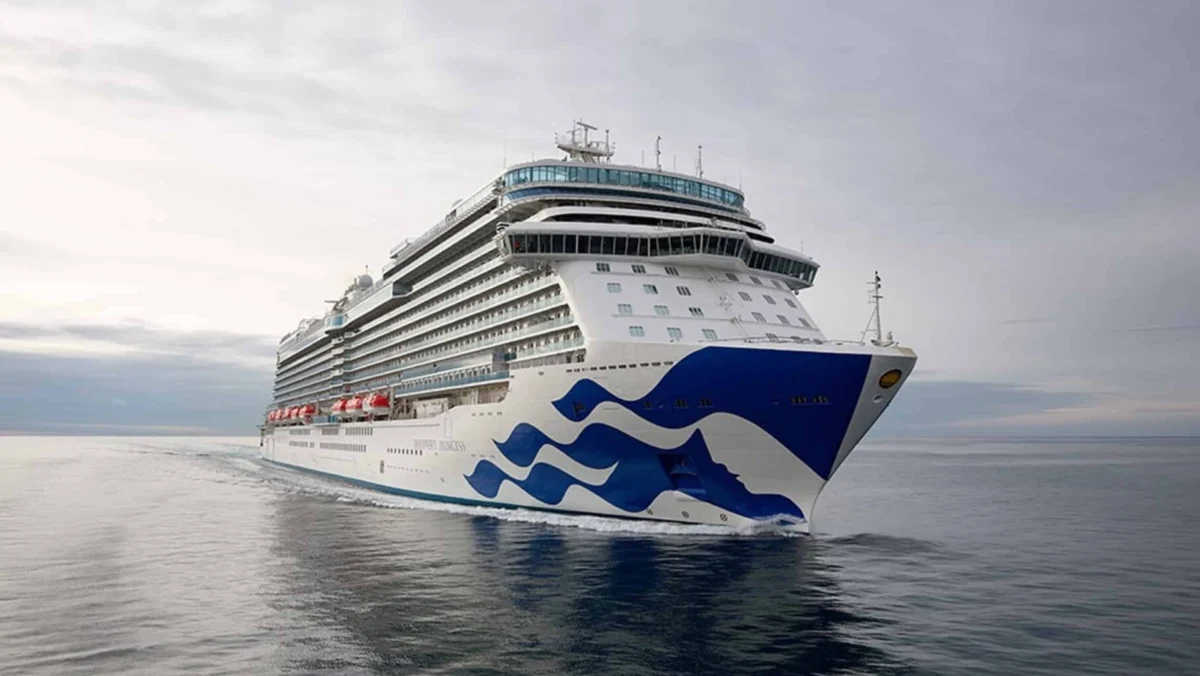
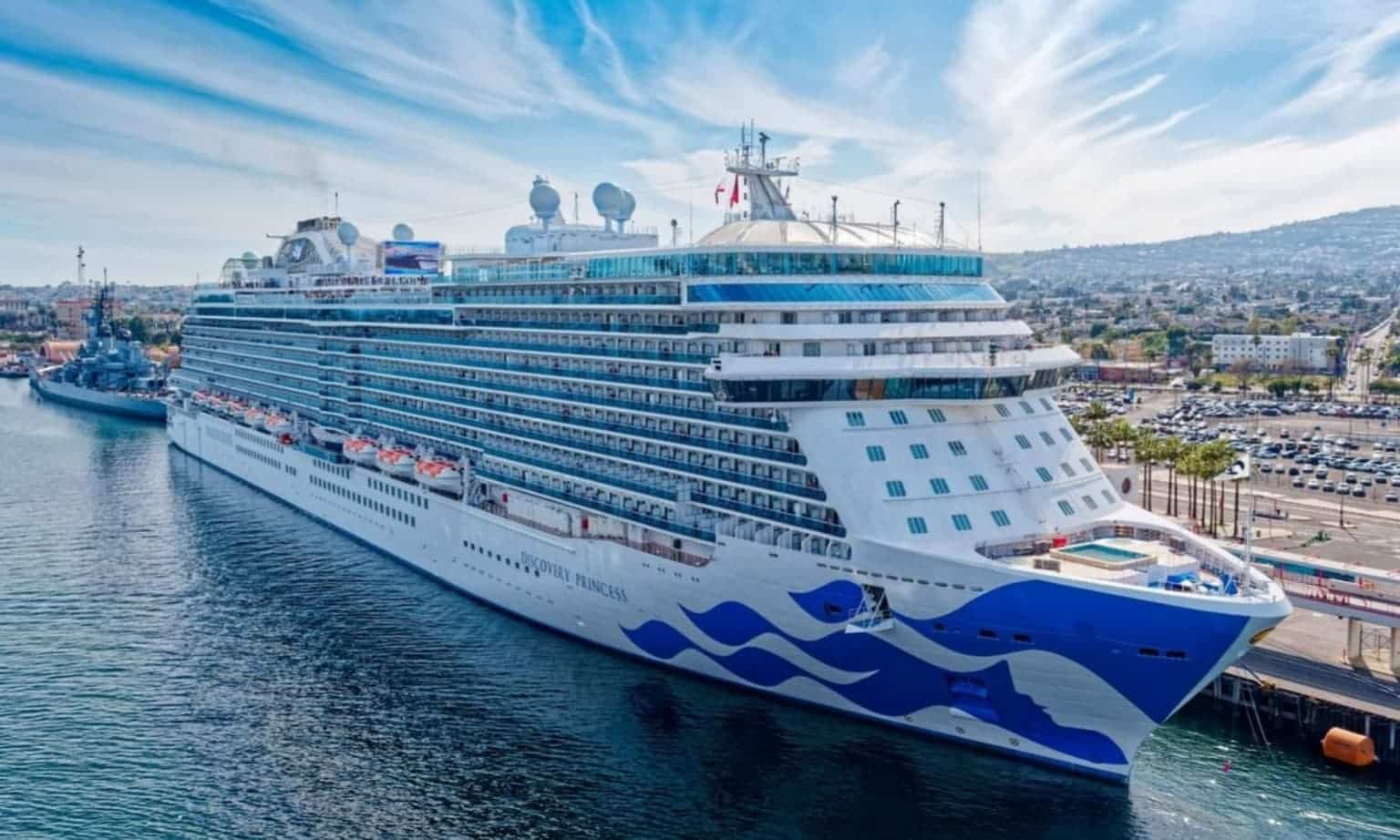
As the luxurious Discovery Princess concluded its inaugural and sole Australian season, its final departure from Australian waters became unexpectedly fraught with overbooking issues, impacting passengers who had made significant travel arrangements. Reports indicate that Princess Cruises, the operator of the Discovery Princess, was compelled to offer substantial compensation to some guests booked on its 30-night transpacific repositioning cruise out of Sydney, scheduled for April 7th, in an effort to reduce passenger numbers. This situation highlights a common, though often discreet, practice in the travel industry and raises questions about passenger rights and the potential disruptions caused by overbooking strategies.
The unexpected notification reached passengers, including some who were still en route to Sydney, with a compelling offer to opt out of boarding. An email dispatched by Princess Cruises to affected guests stated, "Due to the popularity of your upcoming April 7th cruise on Discovery Princess, you are eligible for exceptional savings should you choose to change your travel arrangements." The "exceptional savings" detailed in the targeted communication included a full refund of their cruise fare, coupled with a cruise credit of equivalent value for a future booking. Furthermore, the offer extended to reimbursement of up to $1,500 per person for incurred travel expenses, such as flights and accommodation, a crucial element for those who had booked international or domestic travel to meet the ship. This proactive compensation strategy suggests Princess Cruises aimed to mitigate potential last-minute disruptions and maintain a positive passenger experience, even in the face of overbooking.
While the exact number of passengers affected has not been publicly disclosed by Princess Cruises, the fact that such an offer was made indicates a significant discrepancy between booked passengers and available capacity. There have been no reported instances of passengers being forcibly denied boarding on the day of departure, implying that the compensation package was sufficiently attractive to secure enough voluntary opt-outs. The nature of the compensation, particularly the reimbursement of travel expenses, suggests that the cruise line understood the significant logistical and financial commitments many passengers had made. Anecdotal evidence from social media discussions points towards passengers who had travelled considerable distances being less inclined to accept such offers due to the complexity of rescheduling long-haul travel. One passenger, who stated they had flown from Texas for the cruise, commented on a social media forum, "Flew from Texas to Sydney for this. Would need to reschedule for next April if I wanted to do this same trip as it’s a repositioning. And find my way back to Texas now. I think I’ll pass." This sentiment underscores the difficulty and expense involved for long-distance travelers to alter their plans, making them less likely to accept last-minute changes.
This incident is not an isolated event in the cruise industry. Historically, there have been instances where cruise lines have had to reallocate or deny boarding to passengers due to overbooking. A notable case in Australia involved the Royal Caribbean cruise ship Quantum of the Seas a few years prior, where some passengers were informed shortly before sailing that they would not be allocated a stateroom. Similar to the Discovery Princess situation, Royal Caribbean offered compensation to affected guests. These past occurrences highlight the inherent risks associated with the travel industry’s practice of overbooking, a strategy adopted to maximize occupancy and revenue by anticipating a certain percentage of cancellations.
Understanding Cruise Overbooking: A Common Industry Practice
The practice of overbooking is not unique to the cruise industry; it is a long-standing strategy employed by airlines and, to some extent, hotels, to account for no-shows and last-minute cancellations. Cruise lines, much like airlines, often overbook their sailings with the expectation that a predetermined percentage of passengers will not embark. This approach aims to ensure that ships sail as close to full capacity as possible, thereby maximizing revenue. In situations where the anticipated cancellations do not materialize, or when bookings exceed projections, cruise lines face the challenge of accommodating all passengers.
The standard procedure in such scenarios involves offering compensation to voluntary passengers willing to relinquish their spots. This compensation typically includes a refund and often a future cruise credit, sometimes with additional perks or monetary reimbursements for associated travel costs. The goal is to create a win-win situation: the cruise line secures its desired occupancy, the majority of passengers proceed with their planned vacations, and those who opt out receive a financial incentive and a credit for a future voyage. This strategy is generally effective, as the offers are often attractive enough for a portion of passengers to accept, thus resolving the capacity issue without negatively impacting a significant number of travelers.
However, this strategy is not foolproof. If insufficient passengers accept the compensation offers, the cruise line is left with no alternative but to inform some booked guests that they will be unable to board. This is a scenario that can lead to considerable distress and inconvenience for those affected, particularly when the notification comes at the eleventh hour. The comparison to airlines is apt; while airlines also overbook, they too can face situations where they must ask passengers to voluntarily give up their seats, or in rarer cases, involuntarily reallocate them.
When Overbooking Becomes Problematic
While the practice of overbooking is widespread, its consequences are rarely experienced by passengers. Millions of individuals embark on cruises globally each year, and the number of instances where passengers are denied boarding due to overbooking remains statistically small. Nevertheless, the mere possibility can cause anxiety among some travelers, leading to concerns about the fairness and transparency of the practice.
Factors Influencing Overbooking Likelihood
Several factors can increase the probability of a cruise being overbooked:
- Peak Travel Periods: During school holidays, major festivals, and other peak travel times, demand for cruises is significantly higher. Cruise lines are more likely to overbook during these periods to capitalize on the strong market demand.
- Popular or Unique Itineraries: Cruises that offer highly sought-after destinations, limited-time itineraries, or unique experiences tend to attract more interest. These voyages are more susceptible to overbooking due to their inherent popularity.
- Repositioning Cruises: As seen with the Discovery Princess, repositioning cruises, which often span longer durations and cover significant distances, can be particularly attractive for passengers seeking extended voyages. Their unique nature can lead to higher-than-average booking rates, increasing the likelihood of overbooking.
- Last-Minute Bookings: While less common for overbooking scenarios, a surge in last-minute bookings for a highly popular cruise, coupled with fewer cancellations than anticipated, can also contribute to capacity issues.
Navigating the Risk: Can Passengers Avoid Overbooking?
While it is difficult to completely eliminate the risk of being affected by overbooking, there are strategies passengers can employ to significantly minimize their chances.
The Role of Guaranteed Cabin Selection
Many cruise lines offer passengers a choice at the time of booking: either select a specific cabin within a chosen category or opt for a lower fare that guarantees a cabin of that category but without a specific assignment. The latter option, often referred to as a "guaranteed cabin," is more prone to overbooking. In exchange for a potentially lower price, passengers relinquish control over their exact cabin location.
Conversely, paying a premium to select a specific cabin typically offers a higher degree of certainty. This option often comes with a higher upfront cost but provides assurance that the booked stateroom is reserved. While this does not make a cruise immune to overbooking at the vessel level, it significantly reduces the likelihood of an individual passenger being displaced due to a lack of available staterooms. However, it is important to note that even with specific cabin selection, extreme circumstances could theoretically lead to issues, although this is exceptionally rare. The cost difference for guaranteed cabin selection may not always be justified solely by the desire to avoid the remote possibility of overbooking.
Understanding the Odds
It is crucial for travelers to understand that the chances of being directly affected by cruise overbooking are exceedingly slim. The global cruise industry carries millions of passengers annually, and the vast majority of these journeys proceed without incident. The proactive measures taken by cruise lines, such as offering attractive compensation packages, are designed to resolve potential overbooking situations before they impact passengers on embarkation day. The Discovery Princess incident, while noteworthy, represents an outlier rather than the norm.
For passengers who do receive an overbooking notification and are considering accepting the compensation, prompt action is advisable. The offers are often time-sensitive and available on a first-come, first-served basis. Individuals who find the compensation package appealing should act quickly to secure their spot among those who will receive the incentives.
The Importance of Travel Insurance
In light of potential disruptions in the travel industry, including cruise overbooking, comprehensive travel insurance remains an essential consideration for all passengers. Robust travel insurance policies can provide a crucial safety net, covering expenses that may not be fully reimbursed by the cruise line in the event of unforeseen circumstances. This can include additional accommodation, alternative transportation, or lost pre-booked excursions. While cruise lines strive to compensate passengers adequately, insurance can offer a broader layer of protection against unexpected financial losses, ensuring that last-minute travel plan changes do not result in significant personal expense.
The question of what compensation would be sufficient to entice a passenger to forgo their planned cruise remains subjective. For many, the allure of a free cruise or substantial financial incentive might be tempting, especially if their travel plans are flexible. However, for those who have invested heavily in travel, time off work, and specific preparations for a particular voyage, the disruption and stress of last-minute changes can outweigh the financial benefits. Ultimately, while overbooking remains a practice within the industry, understanding the risks, the proactive measures taken by cruise lines, and the importance of personal contingency planning, such as travel insurance, can help passengers navigate their cruise experiences with greater confidence.




 Anjar Salim
 Tatiana Tantri Indah Sari
 Budi Mulyono
