
 Anjar Salim
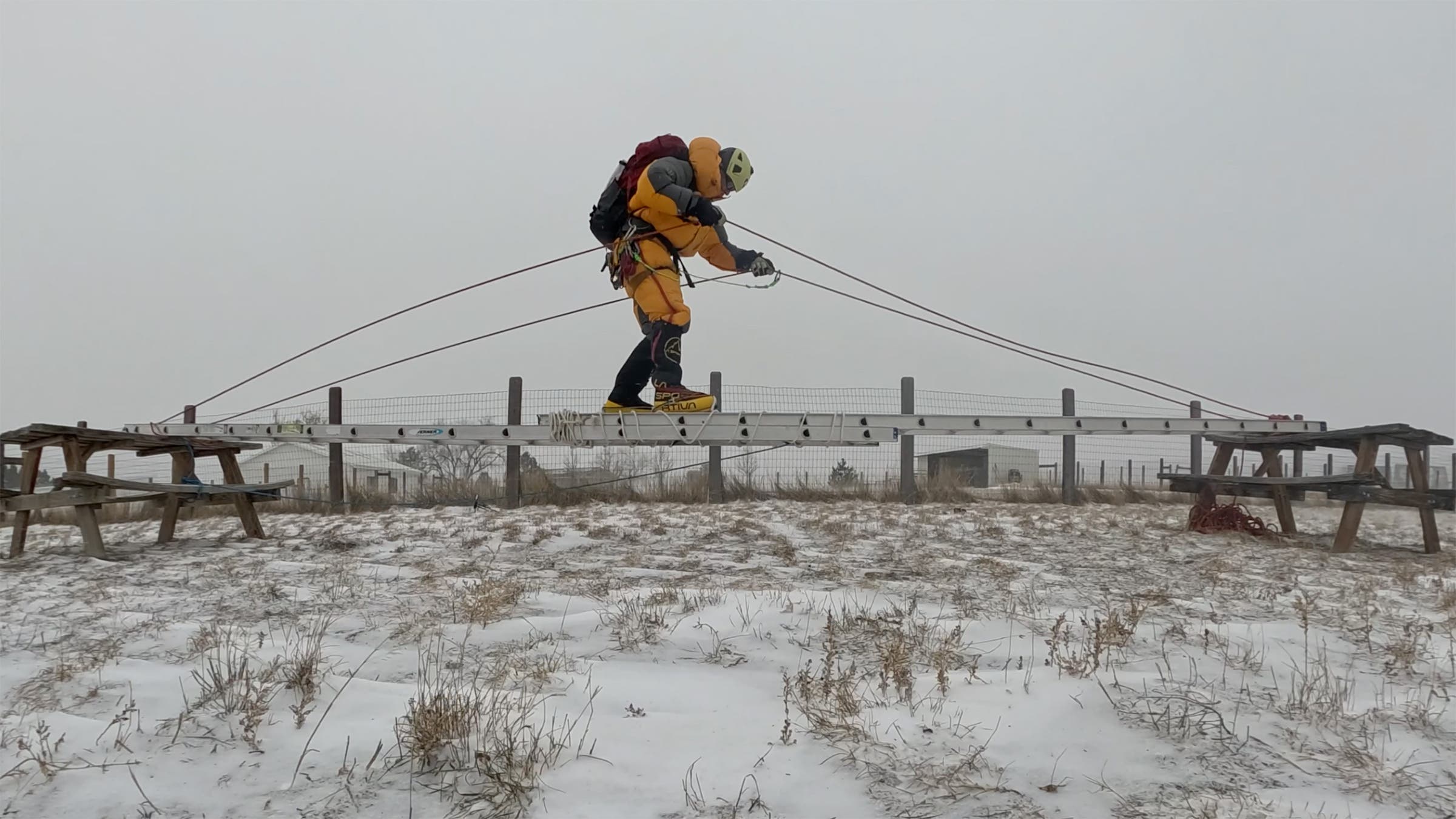
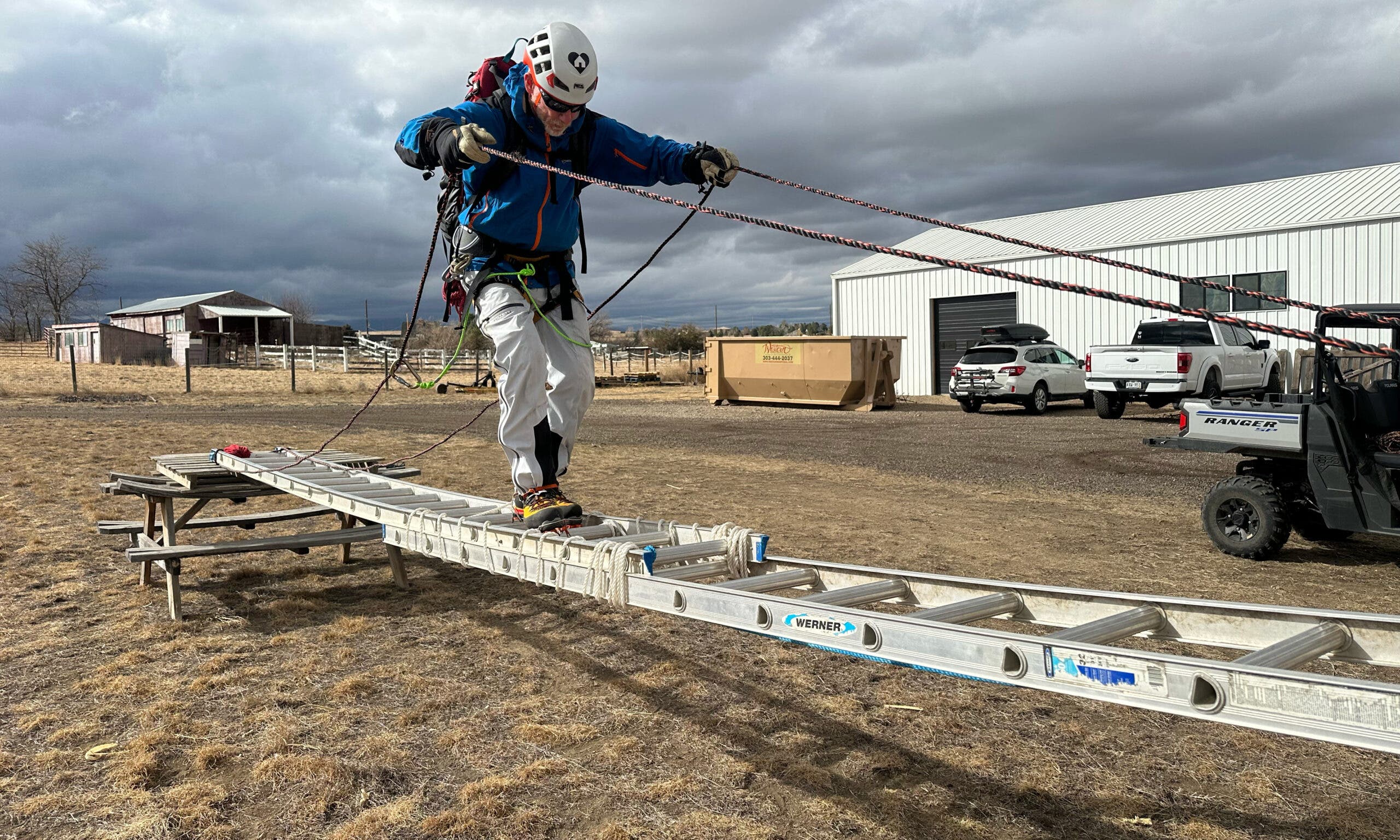
On a quiet farm in Northern Colorado, the metallic screech of crampons against an aluminum ladder pierces the morning air, startling a small herd of cattle. Andy Pemberton, a 58-year-old farmer and former media professional, balances precariously on a horizontal ladder suspended 25 feet between two picnic tables. Clad in high-altitude expedition boots, a heavy mountaineering parka, and a climbing helmet, Pemberton is not preparing for a local crag but for the Khumbu Icefall on Mount Everest. His training represents a seismic shift in the world of high-altitude mountaineering: the transition from a skills-based pursuit for elite athletes to a structured, data-driven endurance sport accessible to the dedicated amateur.
As the 2026 climbing season approaches, Pemberton is among hundreds of climbers utilizing specialized coaching and sports science to prepare for the world’s highest peak. This evolution in preparation has birthed a burgeoning industry of "Everest coaches," training plans, and physiological regimens that mirror the preparation of Ironman triathletes and ultramarathon runners. Where once climbers "suffered" their way into shape, today’s aspirants use periodized training, heart-rate monitors, and metabolic efficiency tests to ensure they arrive at Base Camp with the "engine" necessary to survive the "Death Zone."
The Historical Shift: From Hardcore Alpinism to Commercial Endurance
The methodology of preparing for an 8,000-meter peak has undergone a radical transformation over the last four decades. In the 1980s and early 1990s, Everest was largely the domain of professional alpinists. These individuals, such as the renowned American climber Conrad Anker, built their fitness through sheer volume and exposure. Anker, now 63, recalls a time when the "measuring stick" for a climber was their ability to endure miserable conditions. Training often involved carrying weighted packs through deep snow, sleeping in down suits in sub-zero temperatures to "shock the system," and spending hundreds of days a year in the mountains.
The 1990s, however, saw the birth of the commercial guiding industry, famously chronicled in Jon Krakauer’s Into Thin Air. As more non-professional climbers sought the summit, the need for a more standardized approach to fitness became apparent. The turning point arrived in 2014 with the publication of Training for the New Alpinism: A Manual for the Climber as Athlete, co-authored by elite climber Steve House and coach Scott Johnston. The book translated complex endurance sports science—previously reserved for Olympic Nordic skiers and marathoners—into a language mountaineers could understand.
The impact of this shift was immediate. The book has sold nearly 50,000 copies to date, and its core philosophy—that mountaineering is an endurance sport requiring a massive aerobic base—has become the industry standard. In 2016, House and Johnston founded Uphill Athlete, a coaching business that effectively institutionalized this training. Today, the company employs 16 coaches, each managing up to 30 clients, illustrating the massive demand for professionalized preparation.
The Mechanics of Modern Everest Training
Modern Everest preparation is typically structured over six to twelve months. According to coaches like Leif Whittaker of Evoke Endurance—whose father, Jim Whittaker, was the first American to summit Everest in 1963—the goal is to build a "chassis" that can withstand months of attrition. The training is generally divided into several distinct phases:
1. The Aerobic Base Phase
For the first several months, climbers focus on low-intensity, high-volume activity. This involves hours of jogging or uphill hiking at a "conversational pace" to train the body to burn fat efficiently and increase mitochondrial density. Coaches recommend four aerobic sessions a week, with at least one workout extending beyond three hours.
2. The Strength and Chassis Phase
Parallel to aerobic work, climbers engage in periodized weight lifting. This is not focused on hypertrophy (bulking up) but on "injury proofing" the body. Exercises target the core, glutes, and legs to prepare the musculoskeletal system for the rigors of carrying a pack on uneven terrain.
3. The Specificity and Fatigue-Resistance Phase
As the expedition nears, the training becomes "sport-specific." Climbers begin carrying weighted backpacks (often 30 to 50 pounds) on steep inclines. This phase is designed to "burn the crap out of the legs," as Whittaker puts it, simulating the heavy-load days on the mountain.
4. The Taper
In the final weeks before departing for Nepal, volume is drastically reduced to allow the body to recover fully, ensuring the climber arrives at Base Camp at peak physiological capacity.
The Business of the Ascent: Permits and Pricing
The demand for this high-level preparation is fueled by the sheer number of people now attempting the peak. In 2025, the government of Nepal granted 517 climbing permits to foreign nationals, a significant number considering the logistical complexity and cost of the expedition. Most of these permit holders are not professional climbers but high-earning professionals who can afford the $45,000 to $100,000 price tag of a guided climb.
The ancillary training industry has grown to match. Specialized Everest training plans from companies like Mountain Tactical Institute or Uphill Athlete range from $50 for static PDFs to $160 for comprehensive 23-week schedules. Personalized coaching, which includes weekly schedule adjustments and psychological support, typically costs between $325 and $400 per month. For many, this is viewed as a necessary insurance policy on their six-figure investment in the climb itself.
Case Studies: Geography and Personal Motivation
The modern Everest climber often lacks easy access to high-altitude terrain, forcing creative—and sometimes grueling—training solutions.
Jeff Chase, a 60-year-old former financier from Delray Beach, Florida, is a prime example. Living at sea level, Chase prepares by pushing weighted metal sleds across gym floors while wearing $1,000 high-altitude boots. For Chase, Everest is the culmination of a lifestyle overhaul following a struggle with alcoholism. He adopted a "stair-stepping" approach: training in Florida, traveling to Colorado for technical skills, and summiting intermediate peaks like Mount Rainier and the Matterhorn to build a "vertical resume."
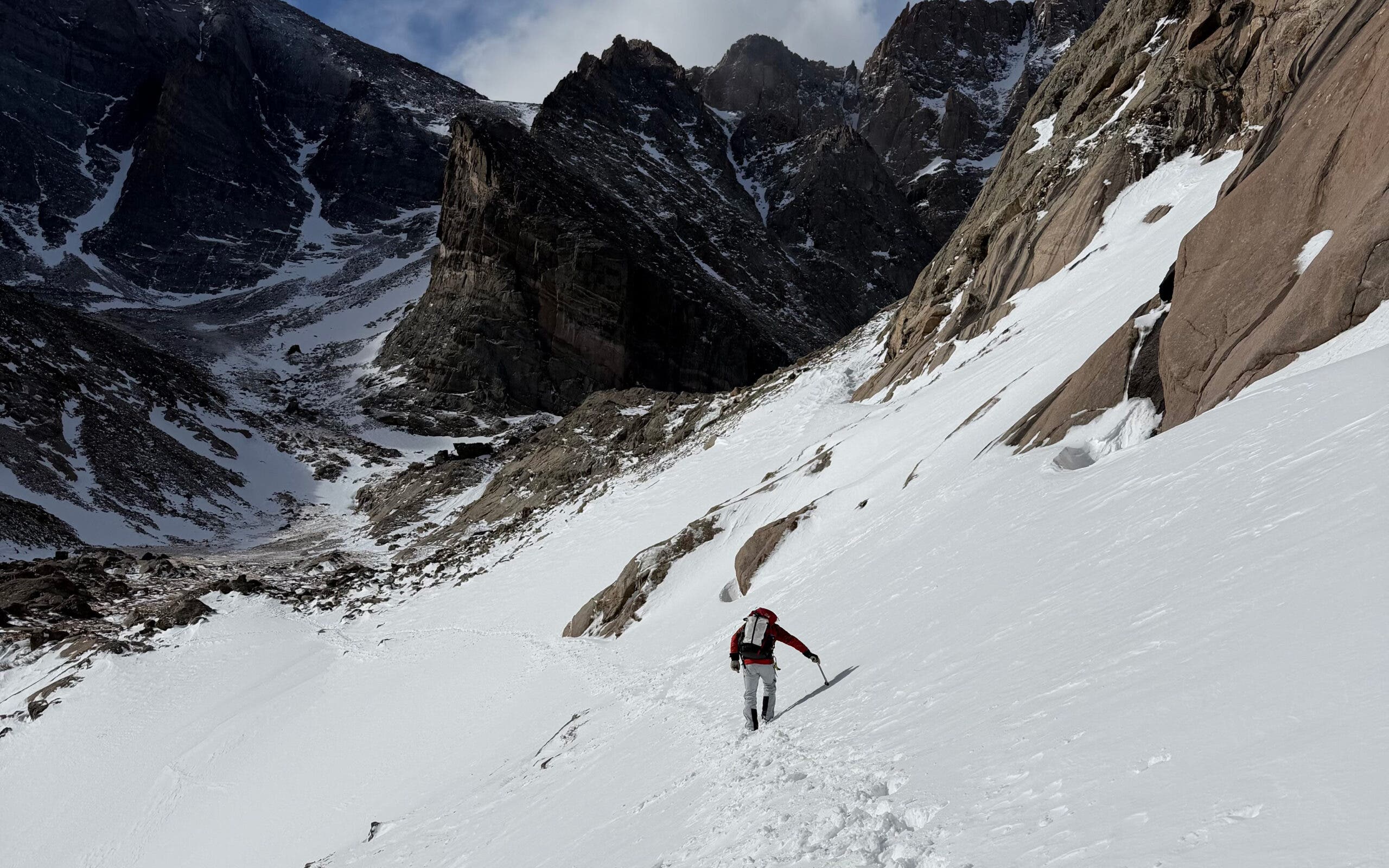
Conversely, Andy Pemberton leverages his Colorado farm to simulate the Khumbu Icefall. His homemade ladder bridge allows him to practice the specific, nerve-wracking movement required to cross crevasses. Pemberton also uses his climb for philanthropy, aiming to raise $100,000 for Nivas, a nonprofit that builds homes for single mothers in Nepal. His preparation included eight winter ascents of Longs Peak (14,259 feet) to acclimatize his mind to the "howling winds and bone-chilling cold" that no gym can replicate.
Technical Skills vs. Cardiovascular Power
While the endurance "engine" is more refined than ever, veteran guides express concern regarding a potential deficit in technical skills. Garrett Madison of Madison Mountaineering and Lukas Furtenbach of Furtenbach Adventures note that many clients arrive at Base Camp with world-class fitness but struggle with basic mountaineering tasks, such as putting on a harness or using an ice axe.
"People are really fit when they show up now," Madison says. "They may not know how to put an ice axe into their backpack, but they are strong."
To mitigate this, top-tier guiding companies now mandate "check-out" climbs. Aspirants are often required to summit peaks like Aconcagua (22,837 feet) in Argentina or Denali (20,310 feet) in Alaska before being accepted for an Everest expedition. These peaks serve as a litmus test for how a climber’s body reacts to extreme altitude—a variable that even the best sea-level endurance training cannot fully predict.
Safety and the "Speed is Safety" Doctrine
The primary justification for this rigorous training is safety. In the thin air above 26,000 feet, the human body is essentially dying. Every minute spent in the Death Zone increases the risk of frostbite, exhaustion, and high-altitude cerebral or pulmonary edema.
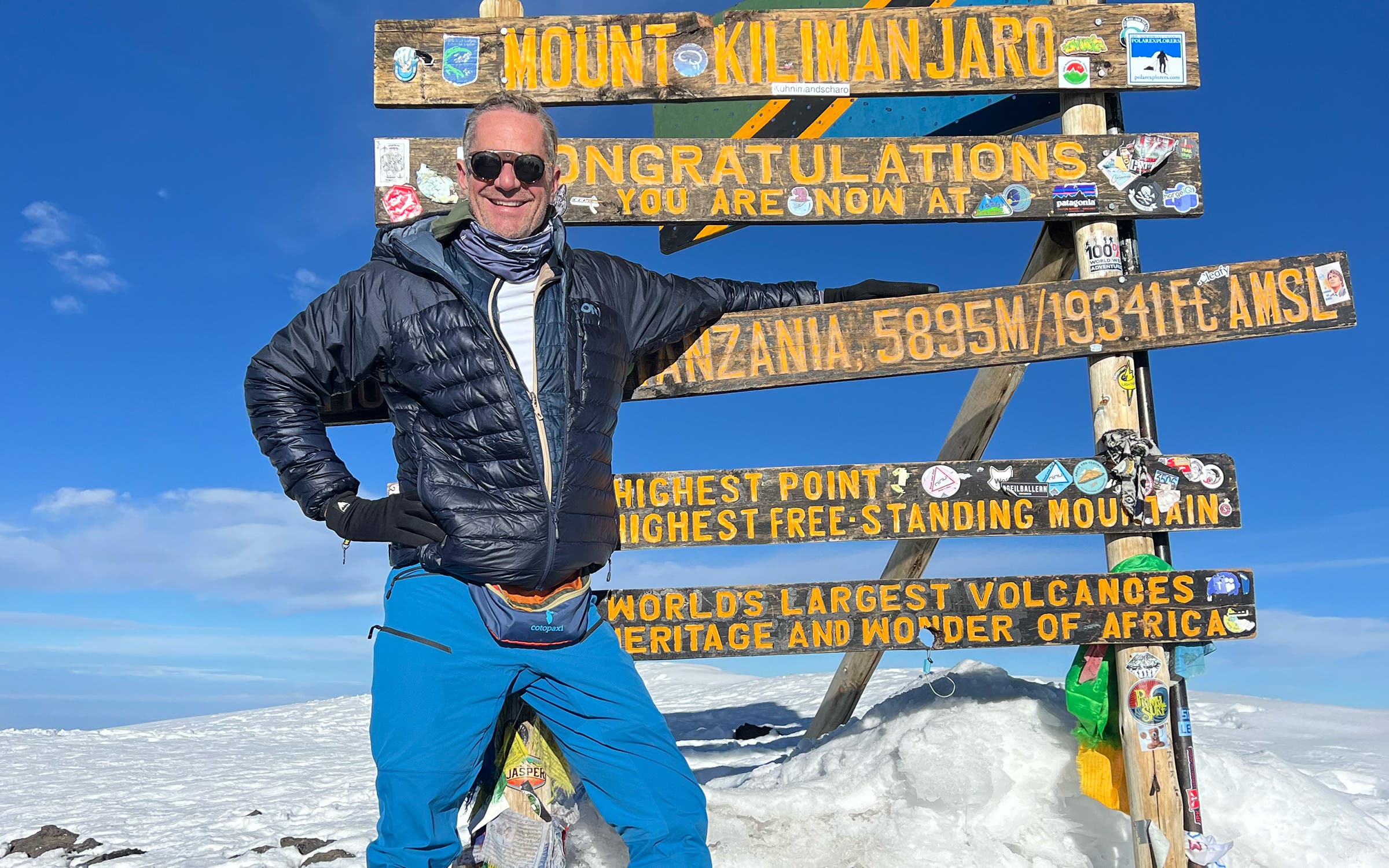
Steve House emphasizes that "speed is safety." A climber who is physically superior can move between camps faster, reducing their exposure to objective hazards like avalanches and falling ice. They also retain the cognitive function necessary to make critical decisions under duress. By treating the climber as an athlete rather than a tourist, the industry aims to lower the fatality rate on a mountain that has claimed over 300 lives.
Implications for the Future of Mountaineering
The professionalization of Everest training has effectively "democratized" the mountain, allowing individuals in their 50s and 60s to achieve what was once reserved for those in their physical prime. However, this shift also raises questions about the "soul" of mountaineering. Critics argue that the reliance on coaches and guides has turned a soulful adventure into a box-ticking exercise for the elite.
Yet, for individuals like Pemberton and Chase, the process is deeply personal. The months of solitary training, the data tracking, and the physical suffering in non-alpine environments represent a form of dedication that mirrors the spirit of the early pioneers. As the 2026 season begins, these "civilian athletes" will put their data-driven preparation to the ultimate test. Whether they reach the summit or not, the industry that prepared them has permanently altered the landscape of high-altitude adventure, proving that while the mountain remains unchanged, the people who climb it are more prepared than ever before.




 Chandra Hamzah
 Tatiana Tantri Indah Sari
 Budi Mulyono
 Lukman Taruna Persada Ramadan