
 Anjar Salim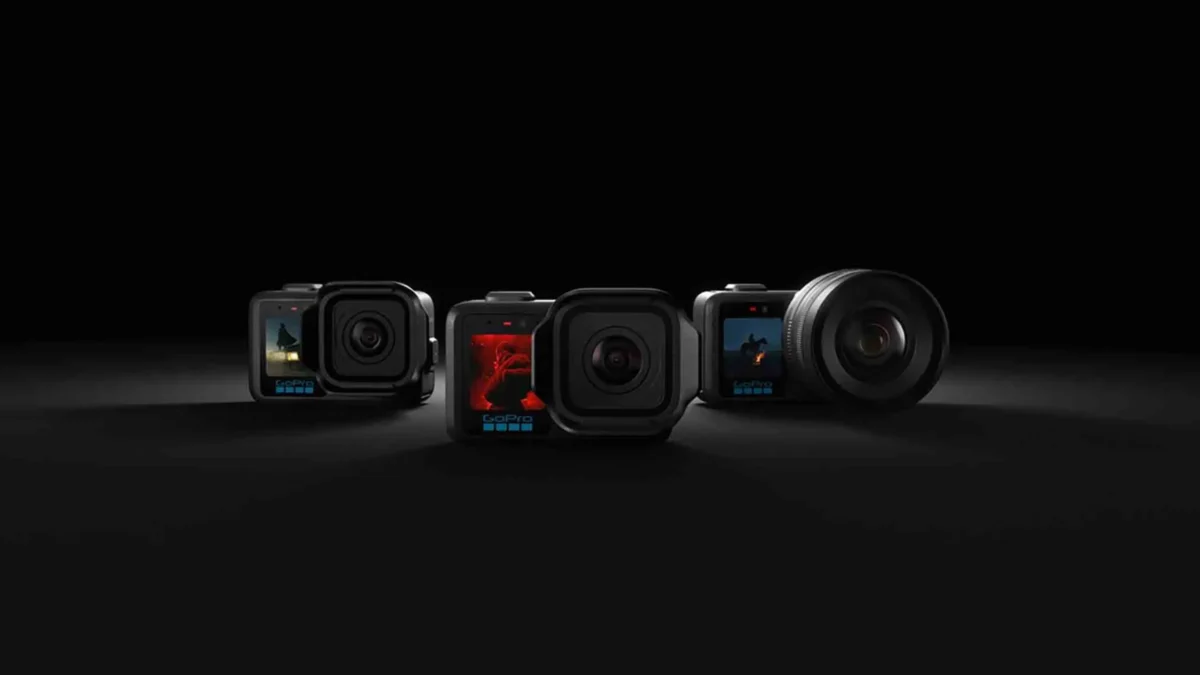
GoPro has officially unveiled its most ambitious hardware update to date, the Mission 1 series, signaling a transformative shift in the company’s product strategy. The new lineup, comprising the Mission 1 Pro and the Mission 1 Pro ILS, marks a departure from the incremental updates seen in previous years. By integrating a one-inch sensor and introducing an interchangeable lens system (ILS), GoPro is positioning itself to compete directly with high-end mirrorless cameras and specialized vlogging setups. This announcement, made on April 14, 2026, represents the brand’s definitive move into the professional-grade imaging space while maintaining the rugged, mountable form factor that defined the action camera category two decades ago.
The Hardware Revolution: A One-Inch Sensor Standard
The centerpiece of the Mission 1 series is the implementation of a one-inch sensor across both new models. For years, the action camera industry has been limited by smaller sensor formats, typically the 1/1.9-inch or 1/1.3-inch variations found in the Hero13 and its competitors. The transition to a one-inch sensor provides a significant increase in surface area, which translates directly to improved light-gathering capabilities. According to technical specifications released by GoPro, the new sensor is 73.6 percent larger than the sensor utilized in the Hero13.
In a market increasingly crowded by competitors like DJI and Insta360, this hardware leap is a calculated move to reclaim the technological lead. The Mission 1 sensor is 22.7 percent larger than the sensor found in the DJI Osmo Action 6 and 46.4 percent larger than the Insta360 Ace Pro 2. While still smaller than full-frame sensors found in professional cinema cameras, the one-inch format is widely considered the "sweet spot" for high-end compact photography, offering a substantial boost in dynamic range and low-light performance without the excessive bulk of larger optics.
Supporting this new sensor is the GP3 processor, the latest iteration of GoPro’s proprietary silicon. The GP3 is designed to handle the massive data throughput required for 8K video recording. This processor enables the Mission 1 series to capture high-resolution footage with a level of detail previously unavailable in the action segment. Furthermore, the increased processing power allows for advanced computational photography, including improved noise reduction in low-light environments and more sophisticated electronic image stabilization (EIS) algorithms.
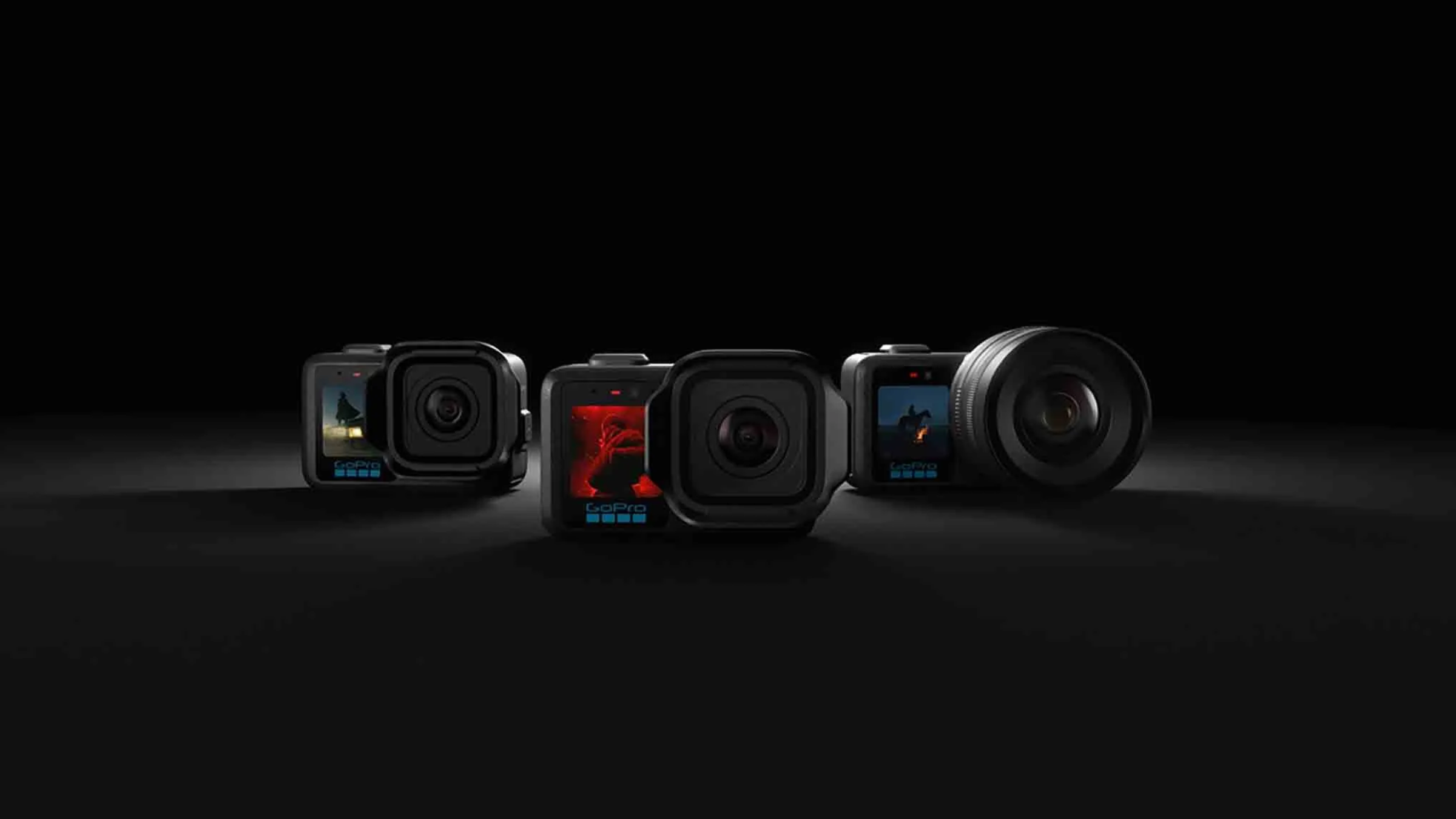
Detailed Video and Imaging Specifications
The Mission 1 series introduces 8K video recording as its flagship resolution setting. This allows creators to capture footage with four times the pixel density of 4K, providing significant room for cropping and reframing in post-production without sacrificing clarity. Beyond raw resolution, the cameras offer a versatile range of high-frame-rate options for slow-motion cinematography.
At 1080p resolution, the Mission 1 cameras can record at speeds that allow for a 32x slow-motion playback. This means a real-time event lasting only 10 seconds can be extended into a five-minute and 20-second sequence, revealing details invisible to the naked eye. For those requiring higher fidelity, the cameras support 8x slow-motion in 4K and a 2x slow-motion mode in 8K.
The still-imaging capabilities have seen a parallel upgrade. The Mission 1 Pro and Pro ILS are capable of shooting 50-megapixel RAW photos, catering to professional photographers who require maximum flexibility in color grading and exposure adjustment. Additionally, the system allows for 44-megapixel JPEG frame grabs directly from 8K video files, effectively blurring the line between high-end videography and photography.
The Mission 1 Pro ILS: A Paradigm Shift in Action Optics
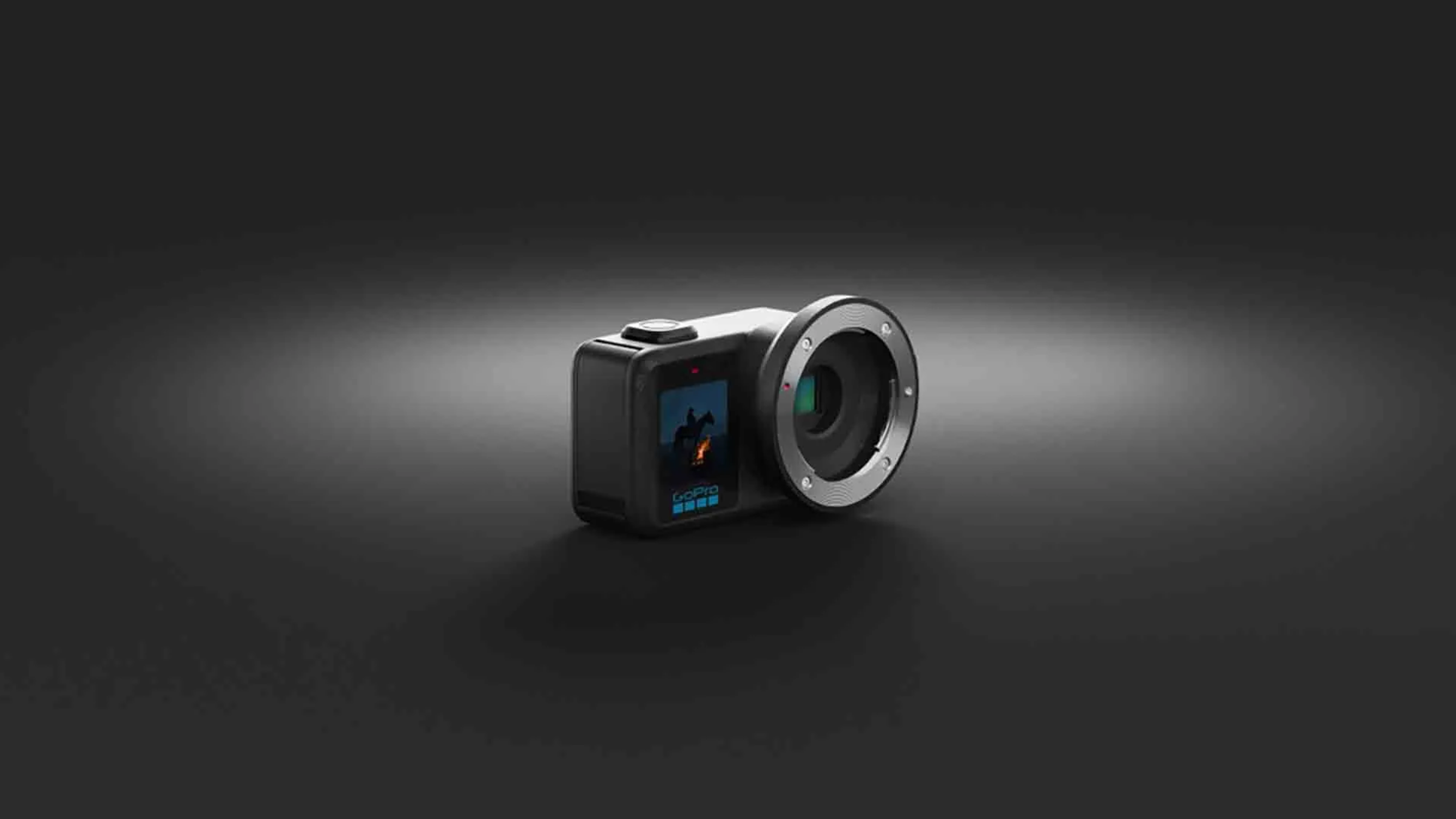
Perhaps the most significant development in the new lineup is the Mission 1 Pro ILS. For the first time in GoPro’s history, the company has released a camera featuring an Interchangeable Lens System. The Pro ILS is designed to work with the Micro Four Thirds (MFT) lens mount, a standard supported by a wide array of manufacturers including Panasonic, Olympus, and Sigma.
By opting for the MFT mount, GoPro has granted users access to over 300 existing lenses, ranging from ultra-wide-angle glass to telephoto lenses and high-speed primes. This move addresses a long-standing limitation of action cameras: the fixed focal length. Traditionally, GoPro users were restricted to a wide-angle perspective, which, while ideal for POV action, was less suitable for cinematic storytelling or portraiture. The Pro ILS allows professional cinematographers to swap lenses based on the needs of the shot, effectively turning the GoPro into a modular cinema head.
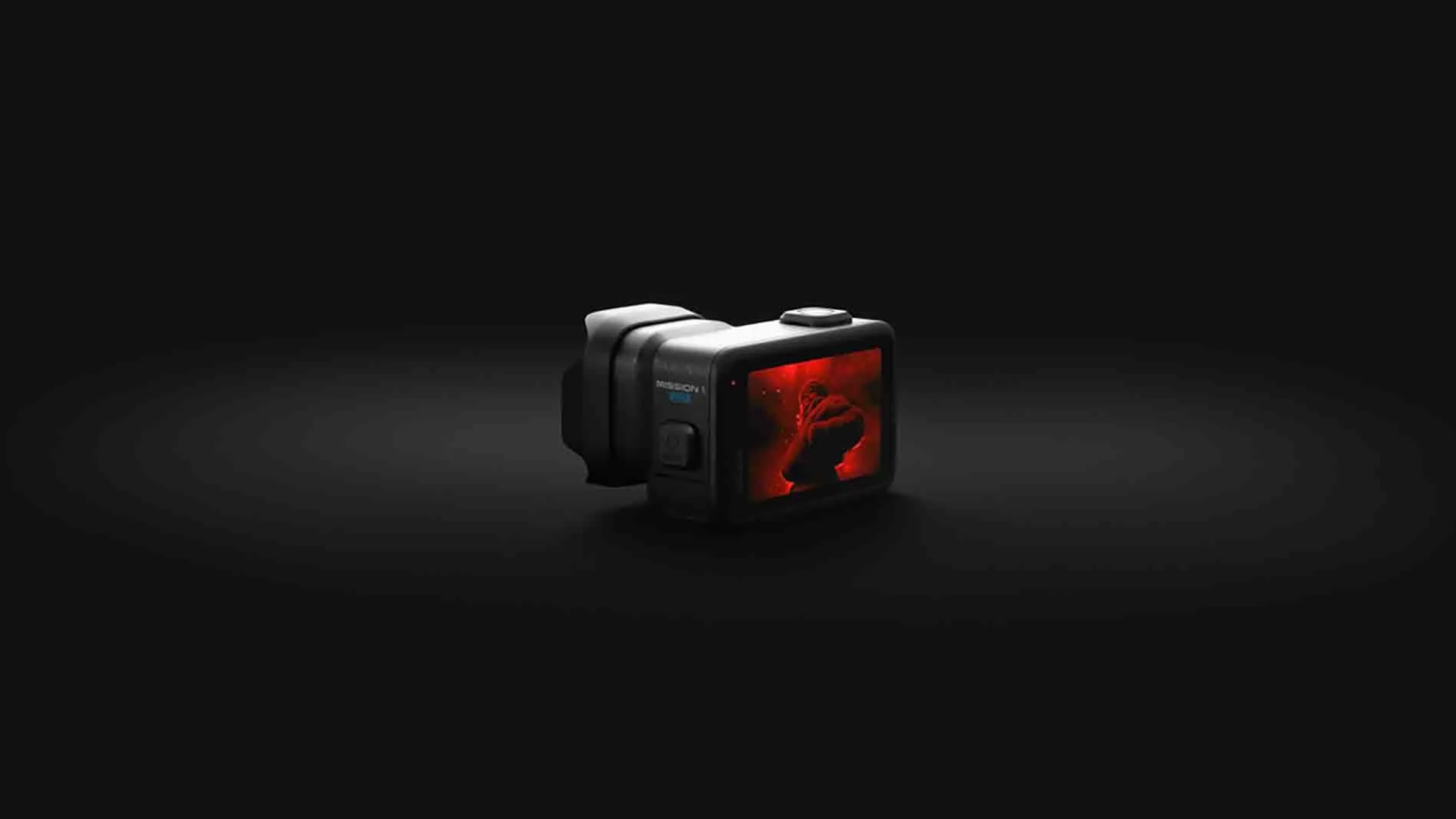
While the Pro ILS does not ship with a native GoPro lens, its compatibility with the MFT ecosystem ensures that users can immediately utilize high-quality optics. This decision also mitigates the need for GoPro to develop its own extensive lens catalog, instead leveraging a mature and respected mounting standard.
Design, Durability, and the Mounting Ecosystem
Despite the internal upgrades, GoPro has maintained its commitment to the "GoPro DNA" of portability and ruggedness. The Mission 1 Pro is slightly larger than the Hero13—measuring 8.3 millimeters longer and weighing 1.7 ounces more—but it remains compatible with the vast majority of existing GoPro mounts. This includes the magnetic quick-release system, standard two-prong mounts, and threaded tripod adapters.
The Mission 1 Pro maintains its waterproof rating down to 20 meters (66 feet) without an external housing. For deep-sea exploration, an optional dive housing extends this capability to 60 meters (196 feet). The Pro ILS, due to the nature of interchangeable lenses, requires more careful handling depending on the specific lens used, though GoPro’s marketing materials suggest that small MFT lenses can still be utilized in high-intensity environments like mountain biking or skiing without significant ergonomic penalties.
The Accessory Ecosystem: Creator and Ultimate Packages
GoPro is concurrently launching a comprehensive suite of accessories aimed at the "prosumer" and vlogger markets. The Mission 1 series will be available in "Creator" and "Ultimate Creator" editions, which bundle essential tools for modern content production. These packages include:
- Mechanical Stabilization Mounts: Handheld grips featuring integrated gimbals for even smoother footage than EIS alone can provide.
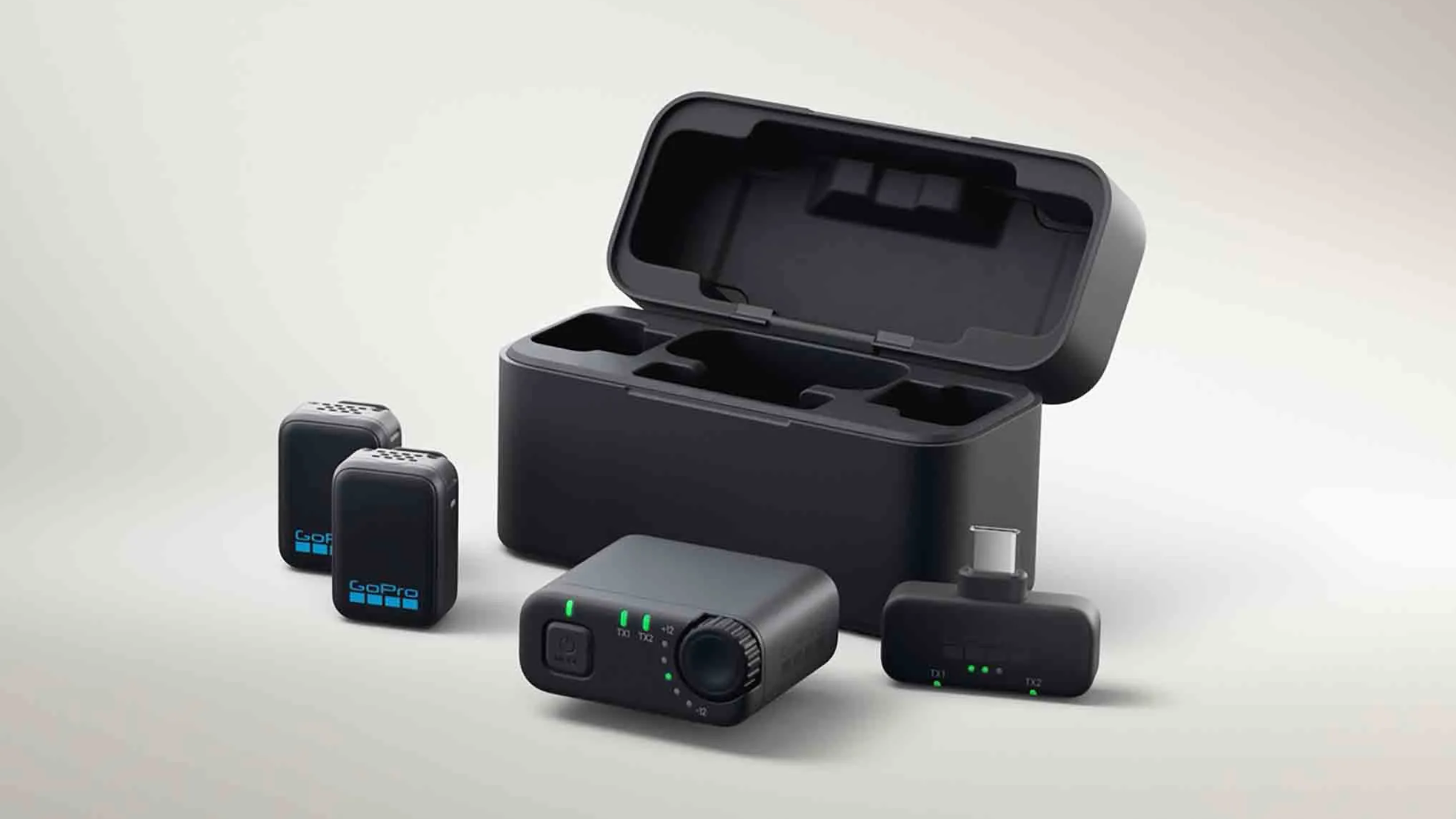
- Wireless Audio System: A new dual-channel wireless microphone system featuring a receiver and two high-fidelity transmitters, designed to compete with dedicated audio solutions from DJI and Rode.
- Lighting Solutions: Compact, high-CRI LED lights for improved subject illumination in dark environments.
- Vertical Mount Adapters: Recognizing the dominance of vertical video on platforms like TikTok and Instagram, GoPro has introduced a dedicated adapter to facilitate native vertical shooting.
A notable addition is the "Grip Edition," which adds a right-hand ergonomic grip to the Mission 1 Pro. This accessory includes a physical shutter button and transforms the camera into a traditional point-and-shoot form factor. This design is specifically intended for travel photographers and journalists who want a powerful camera that can be operated with one hand while providing professional-grade RAW files.
Power Management and Thermal Performance
High-resolution recording and large sensors typically generate significant heat and consume substantial power. To address this, GoPro has introduced the Enduro 2 battery. When paired with the efficiency of the GP3 processor, the Enduro 2 offers a significant increase in runtime:
- 4K Recording: Up to three hours of continuous footage, representing an 80 percent increase over the Hero13.
- HD Recording: Over five hours of footage, a 70 percent improvement.
- 8K Recording: Over one hour of continuous capture, provided there is sufficient airflow to manage the thermal output of the sensor.
The GP3 processor includes advanced thermal management algorithms that throttle performance only under extreme conditions, ensuring that the camera can sustain high-bitrate recording for longer durations than previous models.
Strategic Chronology and Market Availability
The rollout of the Mission 1 series will occur in phases throughout 2026. This staggered release allows GoPro to manage supply chains and focus on the initial launch of the flagship Pro model.
- April 14, 2026: Official announcement and technical briefing.
- May 21, 2026: Pre-orders open for the Mission 1 Pro and the Mission 1 Pro Grip Edition. Manufacturer’s Suggested Retail Prices (MSRP) will be announced on this date, a delay GoPro attributes to the current volatility in global memory and semi-conductor pricing.
- May 28, 2026: Retail availability for the Mission 1 Pro.
- Q3 2026: Launch of the Mission 1 Pro ILS, along with the Creator and Ultimate Creator accessory packages.
GoPro has confirmed that the Hero, Hero13, and Max 2 cameras will remain in the product lineup, serving as entry-level and mid-range options, while the Mission 1 series occupies the premium "Pro" tier.
Market Analysis: Implications for the Imaging Industry
The introduction of the Mission 1 series is a clear signal that GoPro is no longer content with being "just" an action camera company. By adopting a one-inch sensor and an interchangeable lens mount, GoPro is encroaching on the territory of the Sony ZV series and the Panasonic Lumix GH line.
Industry analysts suggest that this move is a response to two market pressures. First, the rapid advancement of smartphone camera technology has made entry-level action cameras redundant for many casual users. Second, professional creators have increasingly demanded better low-light performance and shallower depth of field, features that were physically impossible on the older, smaller sensor formats.
By bridging the gap between the ruggedness of an action cam and the optical flexibility of a mirrorless system, GoPro has created a new niche. The Mission 1 Pro ILS, in particular, could become a staple on professional film sets, where its small size allows it to be placed in positions where a full-sized cinema camera cannot fit, all while maintaining a level of image quality that can be color-matched to larger sensors.
In conclusion, the GoPro Mission 1 series represents a pivotal moment in the evolution of digital imaging. It challenges the traditional boundaries of what a compact camera can achieve, offering a powerful tool for both extreme athletes and cinematic storytellers. As the industry moves toward higher resolutions and more versatile hardware, the Mission 1 series sets a new benchmark for what professionals expect from a portable camera system.




 Chandra Hamzah
 Tatiana Tantri Indah Sari
 Budi Mulyono
 Lukman Taruna Persada Ramadan