
 Anjar Salim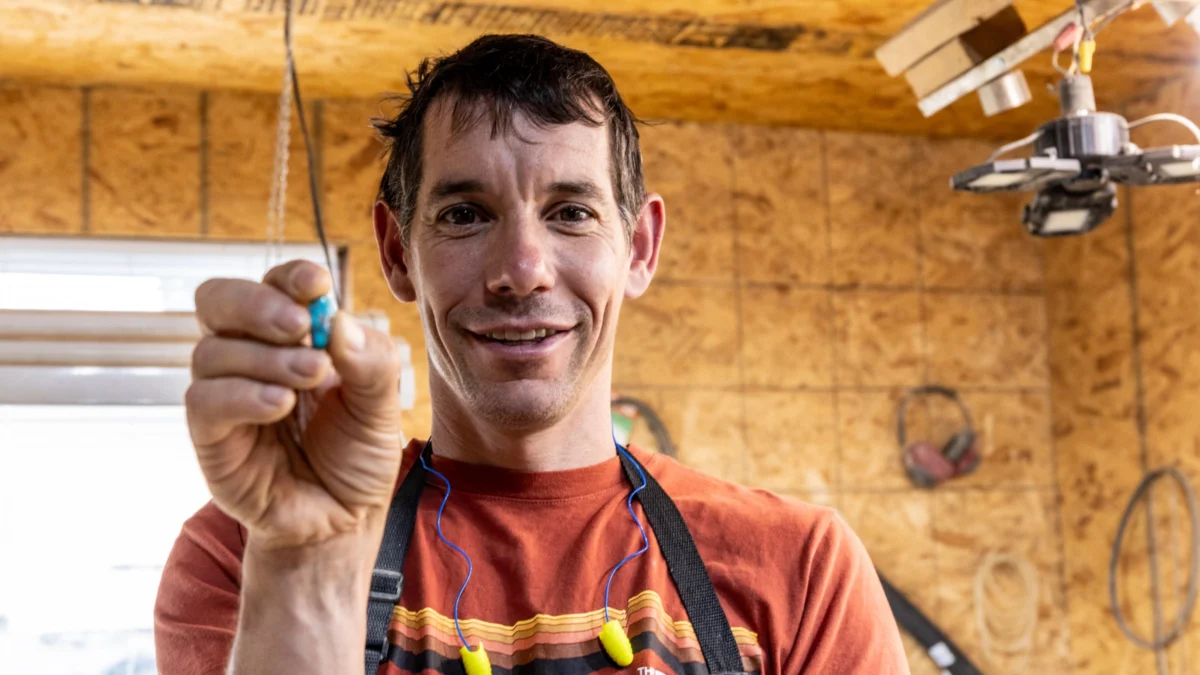
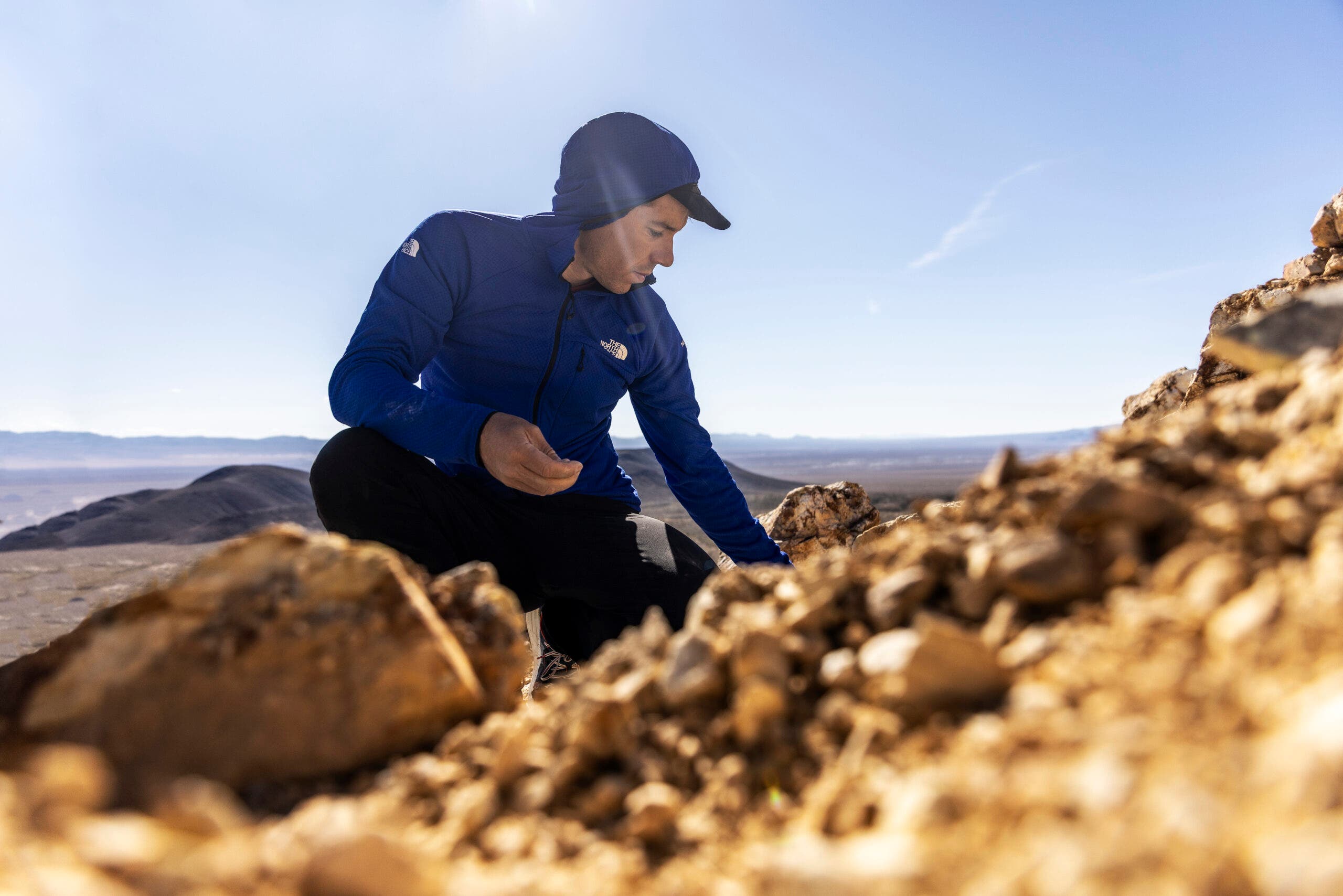
In a strategic effort to showcase the diverse geographical and cultural landscapes of the Silver State, professional climber Alex Honnold has released the third installment of his five-part travel series produced in collaboration with Travel Nevada. The series, titled Get a Little Out There with Alex Honnold, serves as a cinematic exploration of the state’s lesser-known regions, moving beyond the neon lights of Las Vegas to highlight the rugged interior of the Great Basin. In this latest episode, Honnold, accompanied by fellow world-class climber Tommy Caldwell, traverses the high-altitude wilderness of the Toquima Range and explores the historical and idiosyncratic landmarks of Tonopah, a town deeply rooted in Nevada’s mining heritage.
The production represents a significant shift in regional tourism marketing, leveraging Honnold’s global profile to draw attention to rural Nevada’s outdoor recreation and heritage sites. By documenting activities ranging from alpine hiking to turquoise mining and stays in purportedly haunted hotels, the series aims to rebrand the state as a premier destination for "slow travel" and off-the-beaten-path adventure.
High-Altitude Exploration in the Alta Toquima Wilderness
The focal point of the episode’s outdoor segment is Mt. Jefferson, the highest peak in the Toquima Range and the sixth-most topographically prominent peak in Nevada. Reaching an elevation of 11,949 feet at its South Summit, the mountain provides a stark contrast to the arid valley floors that characterize much of the state’s Basin and Range province.
The ascent documented by Honnold and Caldwell covers a 13-mile round trip, a route that transitions through several distinct ecological zones. The trek begins in sagebrush-covered foothills before ascending into lush riparian corridors marked by more than a dozen creek crossings. As the elevation increases, the landscape shifts to aspen groves and eventually to sub-alpine wildflower meadows.
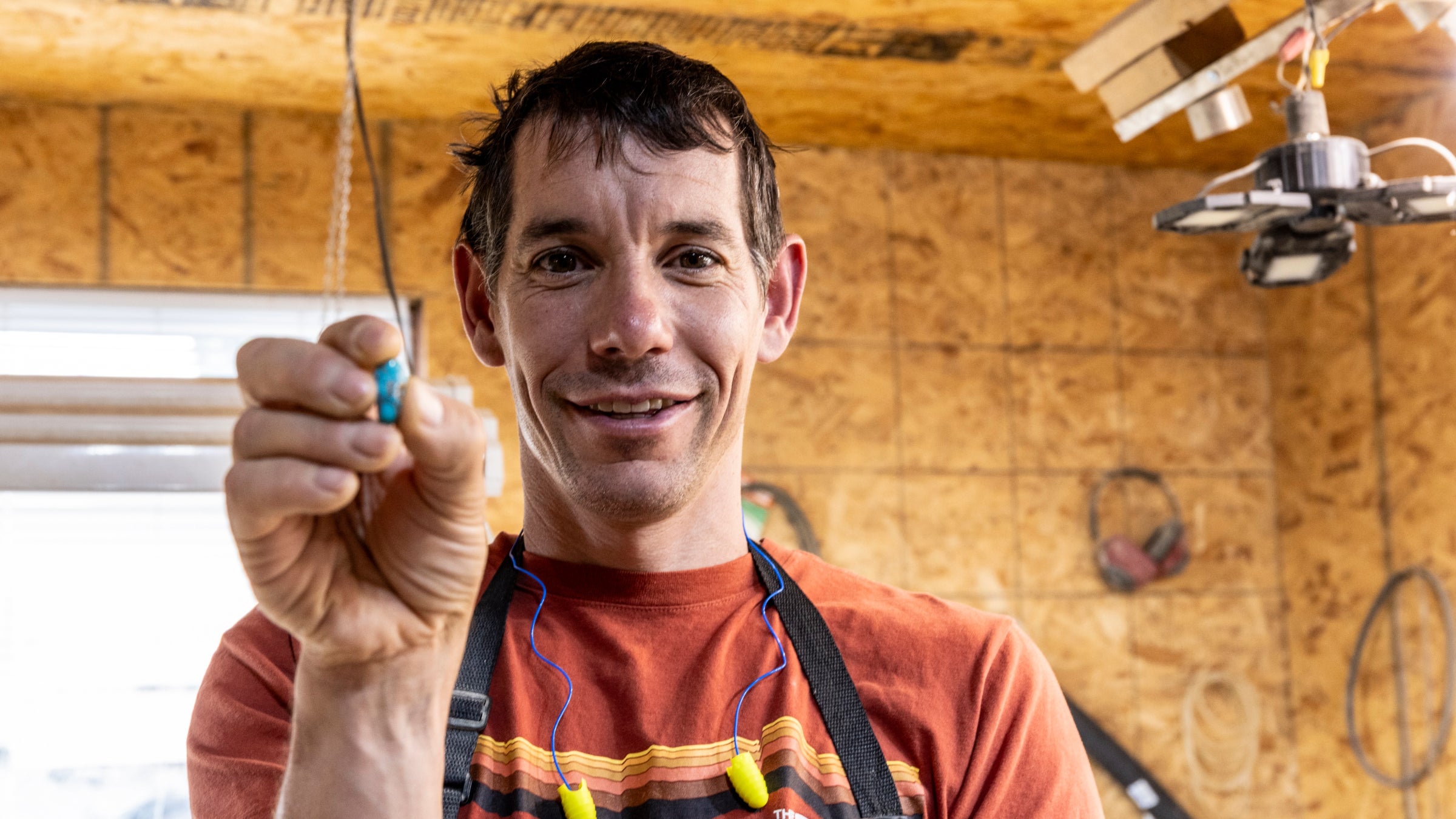
Biologically, the Alta Toquima Wilderness is a critical habitat. It is home to a significant population of Desert Bighorn sheep, a species that serves as a sentinel for the health of the Great Basin ecosystem. The region also supports diverse avian populations, including the dusky grouse and the chukar partridge, the latter being an introduced species that has become a staple of the Nevada high desert. For Honnold and Caldwell, who are more commonly associated with vertical rock faces like Yosemite’s El Capitan, the horizontal endurance required for the Mt. Jefferson trek highlights the accessibility of Nevada’s wilderness for high-endurance hikers and backpackers.
The Historical Significance of Tonopah and the Mizpah Hotel
Following the wilderness expedition, the series shifts its focus to the town of Tonopah, located at the junction of U.S. Routes 6 and 95. Known historically as the "Queen of the Silver Camps," Tonopah was the site of a major silver strike in 1900 by Jim Butler, which sparked a mining boom that helped revitalize the Nevada economy at the turn of the 20th century.
Central to this history is the Mizpah Hotel. Opened in 1907, the five-story structure was once the tallest building in Nevada and served as a social and financial hub for mining tycoons and politicians. Today, the hotel is a centerpiece of Tonopah’s heritage tourism industry. It has gained national notoriety not only for its Edwardian architecture but also for its reputation as a site of paranormal activity.
The hotel’s inclusion in Honnold’s journey underscores a growing trend in "dark tourism," where visitors are drawn to locations associated with local legends and the supernatural. The "Lady in Red," a ghost allegedly inhabiting the hotel’s fifth floor, has been featured in numerous national publications, including USA Today, which ranked the Mizpah as the leading haunted hotel in the United States. From a journalistic perspective, the preservation of the Mizpah represents a successful model of rural economic revitalization through the maintenance of historic infrastructure.
The Geology and Economy of Nevada Turquoise
A significant portion of Episode 3 is dedicated to Nevada’s mineral wealth, specifically its world-renowned turquoise deposits. Honnold joins the Otteson family, a multi-generational mining dynasty, for a guided tour of their claims. Nevada is unique in the global turquoise market; while much of the world’s turquoise is a byproduct of large-scale copper mining, Nevada’s deposits are often found in small, high-quality veins that require specialized, small-scale extraction techniques.
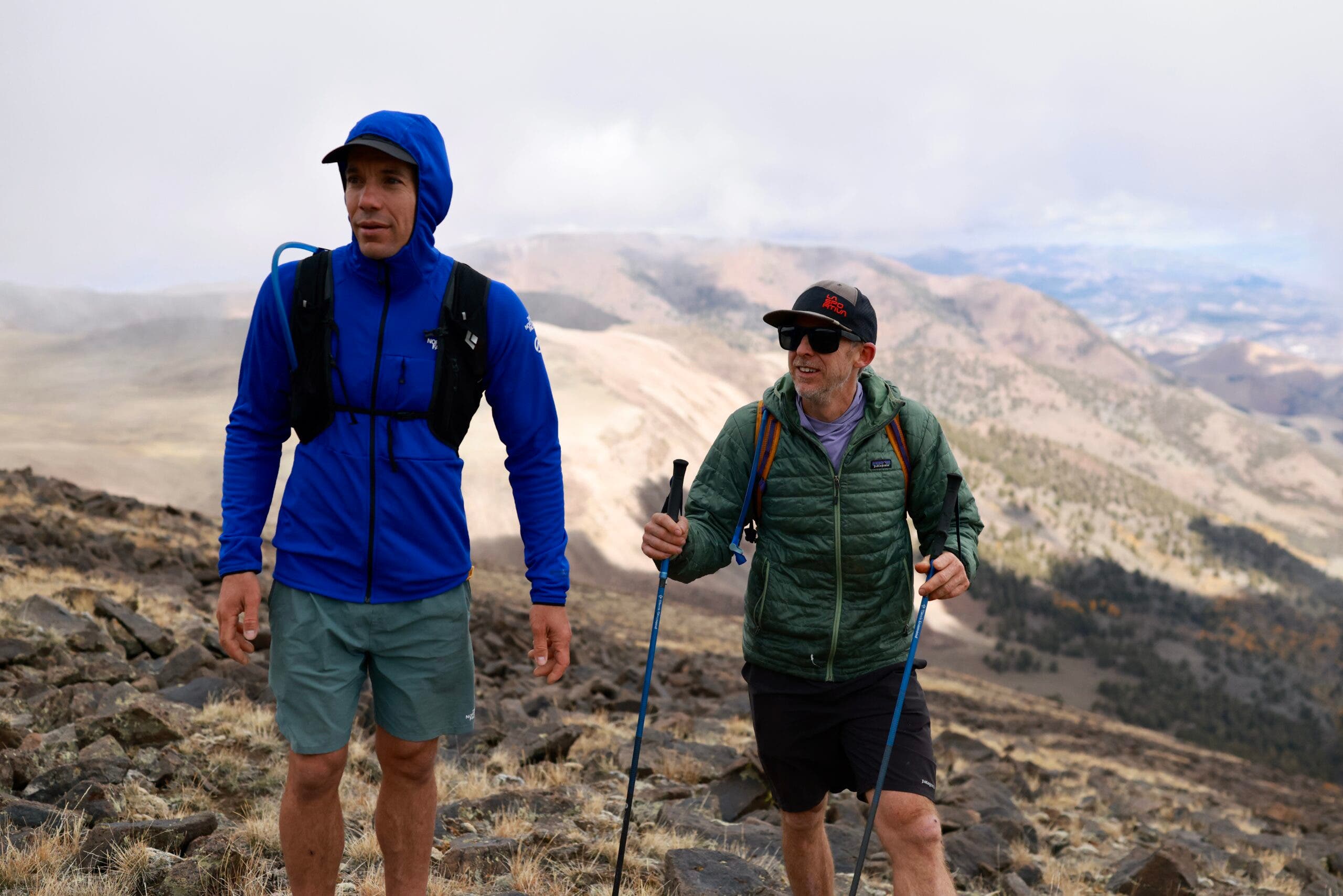
The Otteson Brothers Mining Tour provides a rare look at the geological forces that create turquoise. The mineral is a hydrous phosphate of copper and aluminum, formed when mineral-rich water seeps through host rocks—typically volcanic or sedimentary—over millions of years. The specific color and "matrix" (the spider-web-like patterns of host rock within the gem) are determined by the local mineral concentration; copper produces blue hues, while iron results in green.
The turquoise industry remains a vital part of the rural Nevada economy. By allowing tourists to participate in the mining process, the Ottesons have pivoted from traditional extraction to an experiential business model. This "agritourism" equivalent in the mining sector allows the public to engage directly with the state’s geological history while providing a sustainable revenue stream for local operators.
Niche Tourism and the Clown Motel
The episode concludes with a visit to the Clown Motel, an establishment that has become a viral sensation and a landmark of American kitsch. Located adjacent to the Old Tonopah Cemetery—the final resting place of many miners who died in the 1911 Belmont Mine fire—the motel houses a collection of approximately 6,000 clown-themed items.
While the motel’s aesthetic is often described as "terrifying" by visitors with coulrophobia (fear of clowns), it serves as a crucial stopover for travelers on the "Free-Range Art Highway" (U.S. 95). The motel’s popularity with film crews and paranormal investigators has made it a significant driver of foot traffic in Tonopah. Its proximity to the historic cemetery provides a unique juxtaposition of early 20th-century tragedy and modern-day eccentricities, illustrating the layered and often contradictory nature of Nevada’s cultural identity.
Analysis of Tourism Strategy and Regional Impact
The collaboration between Alex Honnold and Travel Nevada reflects a sophisticated understanding of modern media consumption. Honnold, who gained international fame following the Academy Award-winning documentary Free Solo, brings a level of "adventure credibility" that traditional tourism advertisements often lack.
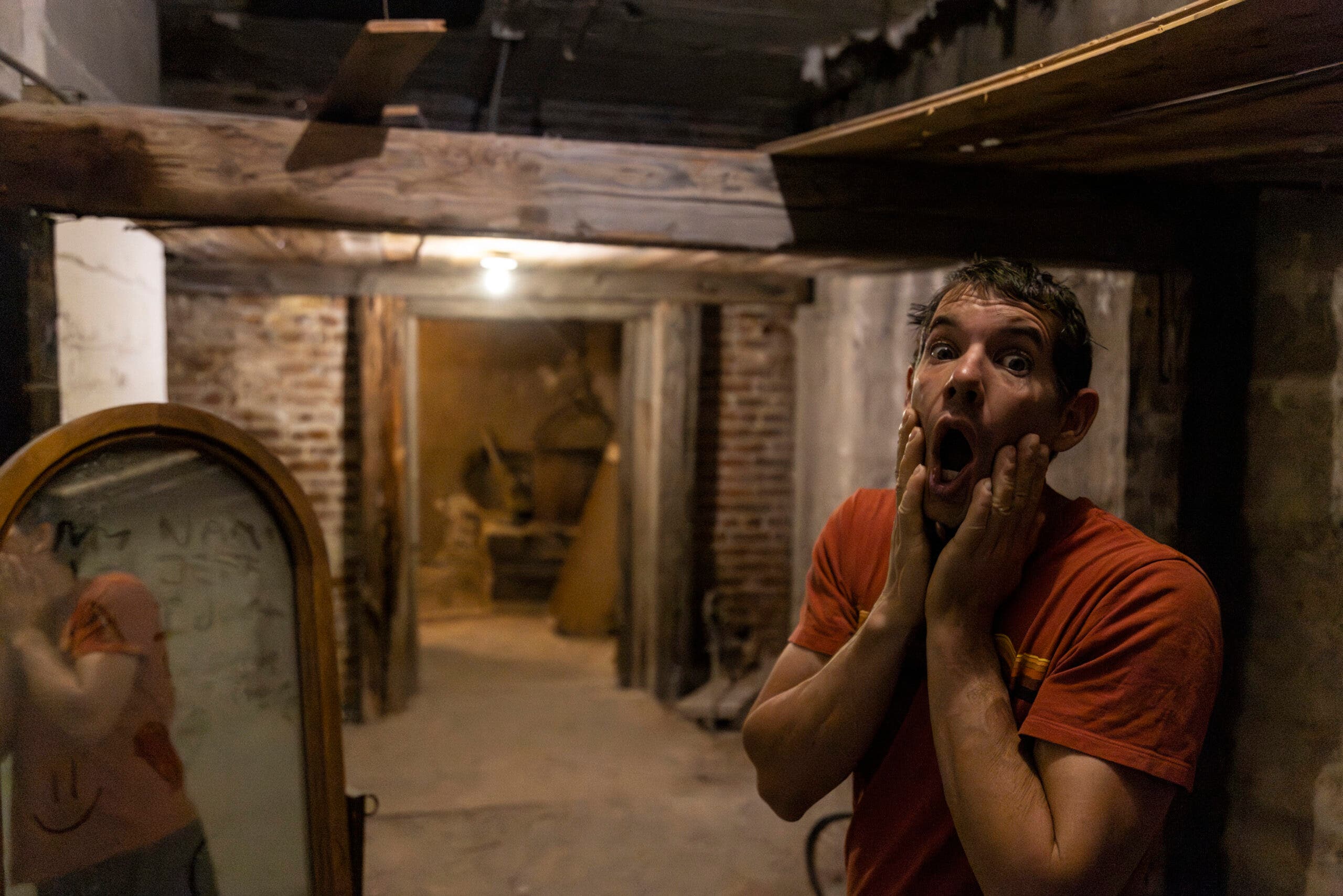
Industry analysts suggest that using high-profile athletes to promote rural destinations serves several purposes:
- Targeting Demographic Shifts: Younger travelers are increasingly seeking "authentic" and "rugged" experiences over traditional luxury resorts. Honnold’s brand aligns perfectly with this "adventure-seeking" demographic.
- Economic Diversification: Rural Nevada towns like Tonopah are often vulnerable to the boom-and-bust cycles of the mining industry. Tourism provides a more stable economic pillar.
- Environmental Advocacy: By highlighting the beauty of the Alta Toquima Wilderness, the series implicitly argues for the conservation of public lands. Honnold, a known environmentalist through his Honnold Foundation, lends a voice to the importance of preserving these "island mountain ranges" from industrial encroachment.
Official statements from Travel Nevada emphasize that the goal of the series is to demonstrate that Nevada is a "one-of-a-kind destination" where the landscape and the people are equally compelling. The organization aims to increase the average length of stay for visitors by encouraging them to venture beyond the primary urban hubs.
Chronology of the Expedition
The production of Episode 3 followed a structured itinerary designed to capture the transition from the high alpine to the desert floor:
- Day 1: Arrival in the Toquima Range and commencement of the Mt. Jefferson ascent. The team established a base camp to capture golden-hour footage of the South Summit.
- Day 2: Descent from Mt. Jefferson and transit to Tonopah. The afternoon was spent at the Mizpah Hotel, documenting the historical archives and the Edwardian restoration of the lobby.
- Day 3: Morning excursion to the Otteson turquoise mines. Honnold participated in the manual extraction of specimens, followed by a demonstration of gem cutting and polishing.
- Day 4: Final filming at the Clown Motel and the Old Tonopah Cemetery, focusing on the cultural contrast between the town’s somber history and its playful, if eerie, modern landmarks.
Broader Implications for the Silver State
The success of Get a Little Out There suggests a burgeoning interest in the "Great Basin lifestyle." As remote work becomes more prevalent, the visibility of Nevada’s rural interior may influence not just tourism, but also migration patterns. Towns like Tonopah, once seen merely as refueling stops, are being repositioned as gateways to world-class outdoor recreation.
Furthermore, the series highlights the importance of public land access. Much of the terrain Honnold explores is managed by the Bureau of Land Management (BLM) or the U.S. Forest Service. The narrative reinforces the value of these lands for public use, suggesting that the future of Nevada’s brand lies in its vast, open spaces and the unconventional characters who inhabit them.
In conclusion, Alex Honnold’s journey through Mt. Jefferson and Tonopah is more than a travelogue; it is a document of a state in transition. By bridging the gap between extreme sports and heritage tourism, the series provides a comprehensive look at the "contrasts" mentioned in its introduction. Whether it is the silence of a 12,000-foot peak or the crowded shelves of a clown-themed motel, the episode captures the unique spirit of Nevada—a state that continues to be, in the words of its own marketing, "a little out there."


 Chandra Hamzah
 Tatiana Tantri Indah Sari
 Budi Mulyono
