
 Tatiana Tantri Indah Sari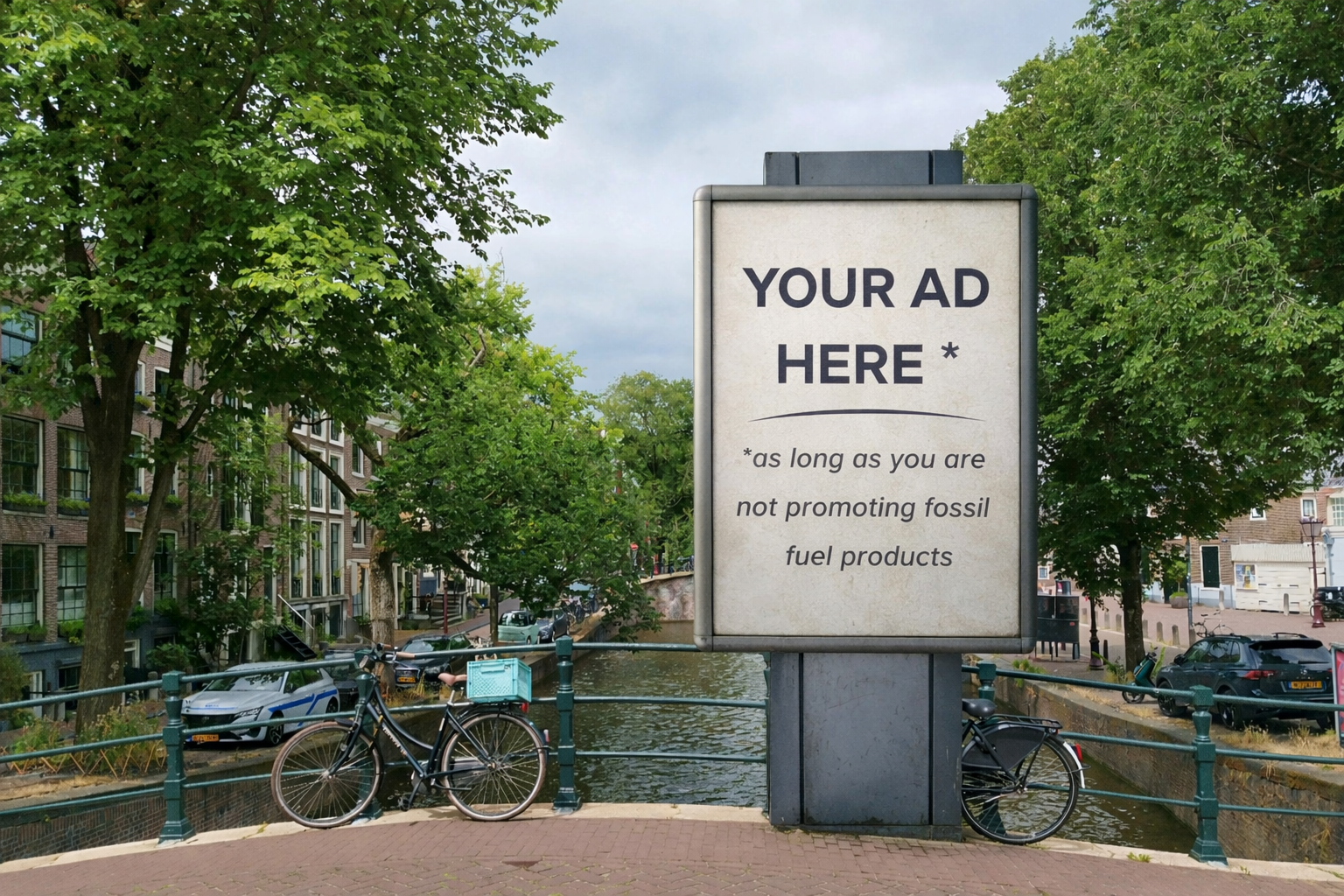
Across the world, two countries, two regions, and 20 cities are banning, or are planning to ban, public advertisements for flights and cruise ships – a seismic shift that leaves travel companies grappling with unprecedented challenges and necessitates a re-evaluation of marketing strategies in an increasingly climate-conscious era. On May 1, Amsterdam will solidify its position as a vanguard in urban environmental policy, becoming the world’s first capital city to legally prohibit outdoor advertising for flights, cruises, and other high-carbon services. This landmark decision follows a growing trend observed across various territories, a development the global travel industry is monitoring with intense scrutiny and actively attempting to resist.
From the beginning of next month, no advertisements promoting flights, air travel holidays, or cruise ships will be permitted to appear in any public spaces across Amsterdam or its extensive transport network. This encompasses all forms of "out of home" (OOH) advertising sites, including billboards, bus shelters, metro stations, digital screens in public areas, and print media displayed in public view. The move by the Dutch capital is not an isolated incident but rather the culmination of a burgeoning movement, particularly within the Netherlands, where several other major cities have already implemented similar restrictions, setting a powerful precedent for urban environmental governance.
The Amsterdam Precedent: A Capital’s Bold Move Towards Decarbonization
Amsterdam’s decision to ban high-carbon travel advertisements is deeply rooted in its ambitious climate agenda and a broader commitment to environmental sustainability. The city has set aggressive targets to reduce its carbon emissions, aiming for a 55% reduction by 2030 compared to 1990 levels, and ultimately aspiring to achieve climate neutrality by 2050. City officials argue that promoting high-emission activities like air travel and cruise tourism directly contradicts these environmental goals. Femke Roosma, a councilor for the GreenLeft party (GroenLinks) who spearheaded the initiative, stated during the proposal phase that "it is irresponsible to encourage trips that cause a lot of climate damage." This sentiment reflects a growing public and political will to align urban policy with ecological imperatives, challenging the traditional role of advertising in shaping consumer behavior.
The ban specifically targets OOH advertising, a highly visible and pervasive form of marketing that saturates the urban landscape. Proponents of the ban contend that by removing these omnipresent visual cues, the city can subtly influence public perception and consumption patterns, discouraging leisure travel that disproportionately contributes to global greenhouse gas emissions. While direct flights and cruises are not banned, the advertising prohibition aims to reduce their appeal and make residents more aware of the environmental consequences of their travel choices. Beyond the carbon footprint, the ban also implicitly addresses other environmental concerns associated with cruise ships, such as air pollution from marine fuel combustion and waste management issues that can impact port cities.
A Growing European Movement: Beyond Amsterdam’s Borders
Amsterdam’s pioneering step is part of a larger, evolving landscape of environmental policy, particularly evident within the Netherlands and other European nations. Several Dutch cities had already taken the lead in implementing similar restrictions, laying the groundwork for the capital’s more high-profile announcement.
- Utrecht: As one of the first major Dutch cities to act, Utrecht banned fossil fuel advertising, including aviation and cruise lines, in 2021. Its motivation stemmed from its own progressive climate targets and a desire to foster a more sustainable urban environment.
- The Hague: The seat of the Dutch government followed suit, enacting its own ban on advertising for fossil fuels, flights, and cruises in public spaces. This move by a city with significant national political influence underscored the seriousness of the issue.
- Zwolle, Delft, and Nijmegen: These cities have also implemented similar, though perhaps less publicized, restrictions, demonstrating a decentralized but coordinated effort across the Netherlands to tackle climate change through advertising policy. Their actions collectively represent a national shift in perspective, moving beyond mere pledges to concrete regulatory measures.
Beyond the Netherlands, other regions and cities in Europe have begun exploring or implementing similar restrictions, particularly concerning fossil fuel advertising, which often includes aviation and maritime travel implicitly or explicitly. For instance, cities in France, such as Bordeaux, have moved to restrict advertising for highly polluting products and services. The city of Lyon, a major metropolitan area, also announced plans to ban advertising for fossil fuels and polluting industries, indicating a broader trend within the European Union. This movement aligns with the overarching goals of the European Green Deal, which aims to make Europe climate-neutral by 2050, and the "Fit for 55" package, designed to cut greenhouse gas emissions by at least 55% by 2030. These continent-wide policy frameworks provide a strong impetus for local governments to take proactive measures.
The rationale behind these bans extends beyond direct carbon emissions. It also touches upon the concept of "greenwashing," where companies might use advertising to present an environmentally friendly image without making substantial changes to their core operations. By removing promotional material for high-carbon services, cities aim to reduce the influence of such messaging and encourage genuine sustainability efforts within the industry.
Global Implications and Expanding Scope
While the original news snippet refers to "two countries, two regions, and 20 cities" globally, the specific enumeration of these locations outside the Netherlands is often fluid as policies are proposed and enacted. However, the trend signifies a growing global recognition of the need to address the climate impact of various industries, including travel. The focus on flights and cruises is particularly poignant given their significant contribution to global emissions.
Aviation currently accounts for approximately 2.5% of global CO2 emissions. When non-CO2 effects such as nitrogen oxides, contrails, and aerosols are factored in, its total climate impact is estimated to be two to four times higher than its CO2 contribution alone. Cruise ships, while representing a smaller fraction of global transport emissions, are notorious for their high per-passenger carbon footprint and their emissions of other harmful pollutants like sulfur oxides (SOx), nitrogen oxides (NOx), and particulate matter, especially in port areas. A single large cruise ship can emit as much particulate matter as a million cars in a day. The targeted nature of these advertising bans underscores a policy shift towards addressing disproportionately high-impact sectors.
This global trend is not merely about environmental protection; it is also about corporate accountability and the evolving role of advertising in a sustainable society. Historically, advertising has been a powerful tool for stimulating demand and economic growth. However, as environmental awareness grows, there is a burgeoning debate about the ethical responsibilities of advertisers and the products they promote. Activist groups, such as the Badvertising campaign in the UK, have long advocated for bans on high-carbon advertising, drawing parallels with the successful tobacco advertising bans implemented decades ago. They argue that just as society restricted the promotion of harmful health products, it should similarly restrict the promotion of environmentally destructive activities.
Industry Reaction and Resistance: Navigating a New Landscape
The travel industry, encompassing airlines, cruise lines, and their associated marketing and advertising agencies, is observing these developments with considerable apprehension. Their reactions range from outright resistance to cautious adaptation. Industry bodies often argue that such bans are unfair, economically damaging, and fail to acknowledge the significant investments being made in sustainable technologies and practices.
Airlines, represented by associations like the International Air Transport Association (IATA), frequently highlight their commitment to achieving net-zero carbon emissions by 2050, primarily through the development and adoption of Sustainable Aviation Fuels (SAF), operational efficiencies, and new aircraft technologies. They contend that advertising is crucial for business viability, job creation, and stimulating tourism, which is a vital economic driver for many regions. Public relations campaigns often emphasize the connectivity and economic benefits that air travel provides, alongside nascent efforts towards decarbonization.
Cruise lines, similarly, point to their investments in LNG-powered ships, shore power connections, and advanced wastewater treatment systems as evidence of their commitment to environmental stewardship. They argue that bans on advertising hinder their ability to communicate these advancements to the public and unfairly penalize an industry that is actively working towards sustainability. For both sectors, advertising is not just about attracting new customers but also about maintaining brand loyalty and informing the public about new routes, services, and amenities.
Advertising agencies and OOH media owners also face direct economic impacts. The OOH advertising market, while relatively smaller than digital advertising, is a significant component of many media companies’ revenue streams. A blanket ban in major cities means a direct loss of advertising spend from a key client segment. These entities often advocate for freedom of commercial speech and argue that consumers should be empowered to make their own choices, rather than having information restricted by government mandates. They may also point to the potential for such bans to simply shift advertising spend to less regulated digital channels, thereby failing to achieve the desired environmental outcome while harming local economies.
The Advertising Landscape: A Shift in Strategy
The bans are undoubtedly accelerating a broader shift in advertising strategy within the travel sector. While OOH advertising provides high visibility and broad reach, the digital realm offers unparalleled targeting capabilities and measurable returns on investment. Travel companies are likely to intensify their focus on:
- Digital Marketing: Increased investment in search engine optimization (SEO), pay-per-click (PPC) campaigns, social media marketing, and programmatic advertising. These channels allow for precise targeting of demographics and interests, potentially circumventing broad public bans.
- Influencer Marketing: Leveraging travel influencers and content creators on platforms like Instagram, TikTok, and YouTube to promote destinations and experiences, often in a more subtle and integrated manner than traditional advertising.
- Content Marketing: Developing engaging content such as blogs, travel guides, and videos that highlight experiences rather than just flights or cruises, allowing for more nuanced messaging, potentially focusing on local culture, sustainable practices, or unique itineraries.
- Direct-to-Consumer (DTC) Channels: Strengthening their own websites and booking platforms to foster direct engagement with customers, reducing reliance on third-party advertisers.
- Focus on "Green" Messaging (Carefully): While avoiding accusations of greenwashing, companies may increasingly emphasize genuine sustainability initiatives, eco-friendly offerings, and responsible travel practices in their digital communications. This could include promoting carbon offsetting programs, showcasing investments in SAF, or highlighting sustainable tourism certifications.
The bans also contribute to a wider ethical debate within the advertising industry about its responsibility in promoting consumption patterns that exacerbate climate change. This echoes earlier societal shifts that led to restrictions on advertising for tobacco, and more recently, for unhealthy foods aimed at children. The growing "carbon advertising" movement advocates for a re-evaluation of how industries with significant environmental footprints are allowed to promote themselves.
Analysis of Implications and Future Outlook
The long-term implications of these advertising bans are multifaceted and extend beyond the immediate economic impact on the travel and advertising industries.
- Effectiveness in Reducing Emissions: The primary goal of these bans is to influence consumer behavior and ultimately reduce demand for high-carbon travel. While direct evidence of their effectiveness will take time to materialize, proponents believe that by normalizing a lower-carbon lifestyle and reducing exposure to aspirational travel advertising, public attitudes will gradually shift. Critics, however, argue that the bans may merely push advertising to less regulated digital spheres, failing to address the fundamental demand for travel.
- Economic Impact on Tourism: For cities like Amsterdam, which remain major international travel hubs, the direct impact on overall tourism numbers might be limited, as the city itself is a destination. However, the bans could subtly influence the type of tourism attracted, potentially favoring more local, sustainable, or culturally immersive experiences over short-haul leisure flights or mass cruise tourism. The travel industry’s contribution to global GDP was approximately 7.6% in 2022, underscoring the significant economic ecosystem at play.
- Shifting Consumer Behavior and Public Perception: Over time, consistent exposure to such policies could reshape public perception of what constitutes "desirable" travel. It might encourage a greater appreciation for domestic tourism, rail travel, or longer, more meaningful trips rather than frequent, short-haul flights. It could also empower consumers to demand more genuinely sustainable options from travel providers.
- Regulatory Precedent and "Domino Effect": Amsterdam’s status as a capital city provides a powerful precedent. Its success or challenges in implementing this ban will be closely watched by other major cities and national governments considering similar measures. This could lead to a "domino effect," where more jurisdictions adopt similar policies, not just for travel but potentially for other high-emission sectors like fast fashion, meat consumption, or luxury goods.
- Innovation and Sustainability: The pressure from advertising bans, coupled with broader climate regulations, could incentivize airlines and cruise lines to accelerate their investments in genuinely sustainable technologies and operational changes. Companies that can credibly demonstrate their commitment to decarbonization and communicate it effectively (through channels that are still permitted) may gain a competitive advantage.
In conclusion, Amsterdam’s ban on high-carbon travel advertisements is far more than a local policy adjustment; it is a significant marker in the global effort to address climate change. It represents a tangible shift in how cities are willing to regulate commercial speech to align with environmental imperatives. While the travel industry navigates this new landscape, adapting its marketing strategies and accelerating its sustainability efforts, the broader societal conversation about the ethical boundaries of advertising and the true cost of consumption will undoubtedly continue to evolve, shaping the future of both travel and environmental policy for decades to come.




 Anjar Salim
 Chandra Hamzah
 Budi Mulyono

