
 Gabriela Annisa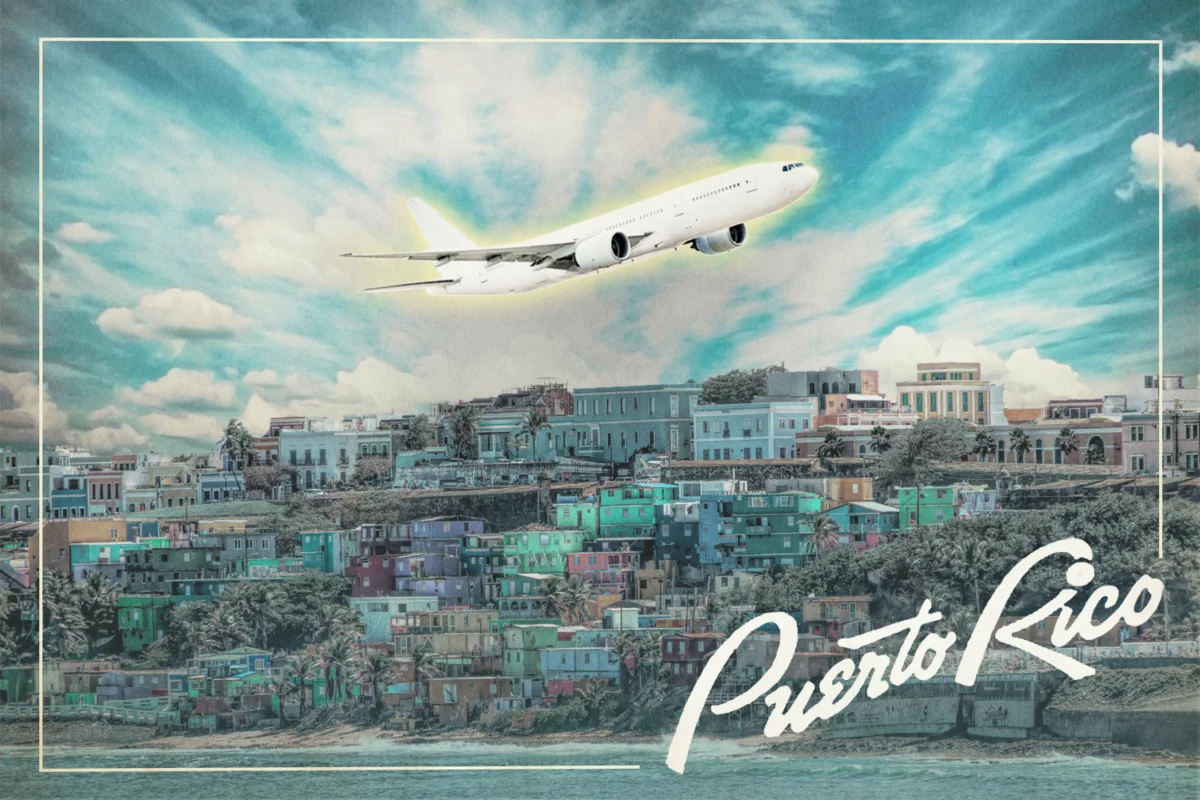
Puerto Rico has emerged as a standout success story in the post-pandemic aviation and tourism landscape, demonstrating a remarkable surge in air travel and visitor numbers that defies the more modest recovery trends seen across the broader United States. While U.S. airports collectively witness fewer departing flights today than in 2019, even with a slight uptick in seat counts due to larger aircraft, Puerto Rico has experienced an unparalleled boom. This resurgence is primarily fueled by a confluence of booming tourism demand and strategic shifts in airline operations, transforming the island into a vibrant hub for leisure and business travel. However, this impressive momentum now faces new headwinds, including rising global fuel costs and ongoing industry realignments, necessitating a closer examination of the island’s extraordinary journey and the challenges that lie ahead.
A Decade of Resilience: Setting the Stage for Recovery
To truly appreciate Puerto Rico’s current aviation and tourism renaissance, it is crucial to understand the tumultuous decade that preceded it. For years leading up to 2017, the island grappled with a severe economic crisis, marked by crippling public debt, high unemployment, and a sustained exodus of its population to the U.S. mainland. This period saw a contraction in many economic sectors, including a stagnant tourism industry struggling to attract consistent growth. The financial strain led to underinvestment in infrastructure and public services, creating a challenging environment for any large-scale economic development.
The year 2017 brought unprecedented natural disasters that further tested the island’s resilience. In September, Hurricane Irma grazed Puerto Rico, causing significant power outages, but it was Hurricane Maria, a Category 4 storm that made direct landfall just weeks later, that inflicted catastrophic damage. Maria devastated the island’s infrastructure, including its power grid, communications networks, and transportation systems, leading to a humanitarian crisis and an estimated $90 billion in damages. The Luis Muñoz Marín International Airport (SJU), the island’s primary air gateway, was severely impacted, with operations halted for weeks and a prolonged period of limited capacity. This calamity further exacerbated population migration, with tens of thousands leaving the island in its immediate aftermath.
Just as the island began its arduous recovery from the hurricanes, a series of significant earthquakes struck the southern region in early 2020, causing further damage and disruption. These seismic events were quickly followed by the global onset of the COVID-19 pandemic, which brought international travel to a near standstill. The pandemic threatened to derail all nascent recovery efforts, imposing severe restrictions on movement and dealing a fresh blow to the already fragile tourism sector. For many observers, the cumulative impact of these events painted a bleak picture for Puerto Rico’s economic future, particularly its ability to revive its tourism industry.
The Genesis of a Miracle: Strategic Shifts and Post-Pandemic Dynamics
Despite the formidable obstacles, the seeds of recovery were being sown even amidst the crises. Following Hurricane Maria, both federal aid and philanthropic efforts poured into the island, catalyzing rebuilding efforts. More critically, the Puerto Rico Tourism Company and its marketing arm, Discover Puerto Rico, initiated aggressive and strategic campaigns to reposition the island. These efforts focused on highlighting the island’s vibrant culture, natural beauty, and the resilience of its people, aiming to change the narrative from one of disaster to one of renewal and opportunity.
The COVID-19 pandemic, paradoxically, created a unique opportunity for Puerto Rico. As international travel became highly restricted and complex, U.S. citizens sought domestic travel alternatives. As a U.S. territory, Puerto Rico offered the allure of an exotic Caribbean destination without the need for passports or foreign currency, and with relatively straightforward entry protocols compared to sovereign nations. This "domestic-like international" appeal proved to be a critical differentiator.
Airlines, responding to shifting passenger demand, began to pivot their strategies. With business travel severely curtailed, carriers increasingly focused on leisure routes and point-to-point connections to popular vacation spots. Puerto Rico, with its established infrastructure, diverse attractions, and newfound domestic appeal, became a prime candidate for route expansion. Low-cost carriers, in particular, saw an opportunity to capitalize on the pent-up demand for leisure travel, offering competitive fares and expanding direct connections from numerous U.S. cities. Legacy carriers also recognized the potential, bolstering their existing services and introducing new routes to cater to the growing influx of visitors. This strategic realignment by airlines was not merely a return to pre-pandemic levels but a significant expansion, reflecting a renewed confidence in the island’s tourism potential.
Data-Driven Boom: Unpacking the Numbers
The narrative of Puerto Rico’s recovery is powerfully underscored by hard data. While overall U.S. flight departures remain below 2019 levels, Puerto Rico has not only surpassed its pre-pandemic metrics but has done so with remarkable vigor. By early 2023, air capacity to and from Puerto Rico had reportedly soared by more than 25% compared to 2019 levels, with passenger traffic exceeding historical benchmarks by similar margins. Luis Muñoz Marín International Airport (SJU) has consistently reported record-breaking passenger numbers, frequently outperforming its pre-pandemic volumes and setting new monthly and annual records.
This surge in air travel translates directly into a booming tourism economy. Hotel occupancy rates across the island have regularly hovered in the high 70s and 80s, often surpassing mainland U.S. averages. Visitor spending has likewise seen unprecedented growth, with tourism revenue reportedly surging past $4 billion annually, injecting crucial capital into the local economy. The average length of stay for visitors has also increased, indicating a deeper engagement with the island’s offerings beyond quick getaways.
Major airlines have been central to this expansion. Carriers such as Frontier Airlines and Spirit Airlines significantly increased their footprint, adding multiple new routes from key U.S. cities like Orlando, Miami, Baltimore, and Philadelphia. JetBlue Airways, a long-standing key player in the Puerto Rico market, reinforced its commitment by expanding service and utilizing larger aircraft. American Airlines and Delta Air Lines also bolstered their offerings, demonstrating a broad-based airline industry belief in Puerto Rico’s market viability. This multi-carrier engagement ensures competitive pricing and diverse connectivity, further stimulating demand. The introduction of new direct flights from previously underserved markets has opened Puerto Rico to a wider demographic of travelers, diversifying its visitor base.
Voices from the Island and Industry: Reactions and Perspectives
The success has been met with enthusiasm and strategic planning from local officials and industry leaders. Brad Dean, CEO of Discover Puerto Rico, has frequently highlighted the coordinated efforts between government agencies, tourism stakeholders, and local communities as foundational to this "miracle." "Our strategy was clear: to leverage Puerto Rico’s unique position as a U.S. territory offering an authentic Caribbean experience," Dean stated in a recent industry conference, underscoring the aggressive marketing campaigns that showcased the island’s culture, adventure, and culinary scene. "We invested in telling our story, and the response from travelers has been phenomenal."
Airline executives have echoed this sentiment, emphasizing the strong demand signals they’ve observed. A spokesperson for a major low-cost carrier remarked, "Puerto Rico consistently outperforms expectations. We’ve seen robust bookings across all new routes, indicating a sustained appetite for accessible, vibrant leisure destinations. The island’s appeal to families, adventure seekers, and cultural tourists makes it a cornerstone of our Caribbean strategy."
Local businesses, from small guesthouses to major resorts, have felt the direct economic uplift. María Rodriguez, owner of a boutique hotel in Old San Juan, shared, "After years of struggling, we are now fully booked months in advance. The increased air traffic means more guests, more jobs for locals, and more opportunities for small businesses like mine. It’s a revitalization that we desperately needed."
Economists monitoring the island’s trajectory point to the tourism boom as a critical engine for economic recovery. Dr. José Caraballo Cueto, a prominent Puerto Rican economist, observed, "The tourism sector’s resurgence has provided a much-needed injection of capital and job creation, helping to diversify an economy historically reliant on manufacturing and pharmaceuticals. This growth, however, must be managed carefully to ensure long-term sustainability and equitable distribution of benefits." The sector’s expansion has led to thousands of new jobs in hospitality, transportation, retail, and related services, contributing to a measurable reduction in unemployment rates.
Challenges on the Horizon: Maintaining Momentum
Despite the impressive recovery, Puerto Rico’s aviation and tourism sectors are not without their challenges. The global economic landscape is constantly shifting, and several factors could test the island’s hard-won momentum.
Rising Fuel Costs: Geopolitical events and supply chain disruptions have led to volatile and often elevated global fuel prices. For airlines, fuel represents one of the largest operating expenses. Sustained high fuel costs can lead to increased ticket prices, potentially dampening consumer demand, or force airlines to reduce capacity on less profitable routes. This could disproportionately affect leisure-focused destinations like Puerto Rico, which thrive on competitive airfares.
Industry Shakeups and Consolidation: The airline industry is prone to mergers, acquisitions, and route rationalizations. Recent consolidation trends and potential future realignments among carriers could impact Puerto Rico’s connectivity. While the current environment is favorable, any shift in airline strategies – for example, a major carrier prioritizing other hubs or international long-haul routes – could alter the competitive landscape and affect the number of available flights or seat capacity.
Economic Slowdown Fears: Inflationary pressures and the specter of an economic recession in the U.S. mainland could curb discretionary spending on travel. A downturn in the primary source market for Puerto Rico’s tourism could significantly impact visitor numbers and spending, potentially slowing the growth trajectory.
Infrastructure Strain: The rapid increase in visitor numbers, while economically beneficial, places considerable strain on existing infrastructure. Luis Muñoz Marín International Airport, though significantly upgraded, faces the challenge of managing ever-increasing passenger volumes. Road networks, public transportation, water, and power systems, still recovering from past disasters, must be continually maintained and upgraded to support sustained tourism growth without compromising local quality of life or the visitor experience.
Sustainable Tourism Development: As the island becomes more popular, there’s a growing need to ensure that tourism development is sustainable and benefits local communities. Issues like potential gentrification, environmental impact, and the preservation of natural and cultural heritage become paramount. Balancing economic growth with conservation and community well-being is a complex but crucial task.
Competition from Other Destinations: As global travel fully normalizes, Puerto Rico will face renewed and intensified competition from other Caribbean islands and international destinations that are also vying for tourist dollars. Maintaining its competitive edge will require continuous innovation in its tourism product, effective marketing, and a commitment to quality service.
Broader Economic and Social Impact
The "miracle recovery" in air travel and tourism has profound broader implications for Puerto Rico. Economically, it represents a significant step towards diversifying the island’s economy, reducing its reliance on traditional manufacturing sectors that have faced their own challenges. The influx of tourism dollars supports local entrepreneurs, from small businesses in gastronomy and artisanal crafts to larger hospitality ventures. It stimulates construction and infrastructure projects, creating jobs and improving quality of life for residents.
Socially, the tourism boom fosters a renewed sense of pride and hope on the island. The visible signs of recovery, the bustling airport, and the vibrant visitor areas signal progress and resilience. It encourages investment in cultural preservation and environmental protection as these become key assets for attracting tourists. However, it also brings the challenge of managing the social impact of tourism, ensuring that growth is inclusive and that local communities are active participants in, and beneficiaries of, the industry’s success, rather than being displaced or marginalized.
In conclusion, Puerto Rico’s exceptional rebound in air travel and tourism stands as a testament to strategic planning, resilient communities, and opportune market dynamics. From the devastation of hurricanes and economic woes, the island has charted an extraordinary course to become a beacon of recovery. While current challenges like fuel costs and economic uncertainties loom, the foundation laid through robust airline partnerships, targeted marketing, and a unique value proposition suggests that with continued foresight and strategic management, Puerto Rico is well-positioned to not only sustain its momentum but also to further solidify its place as a premier destination in the global travel landscape. The ongoing story of Puerto Rico’s recovery is not just about flights and visitors; it is about the enduring spirit of an island determined to thrive.




 Anjar Salim
 Chandra Hamzah
 Tatiana Tantri Indah Sari
 Budi Mulyono

