Gabriela Annisa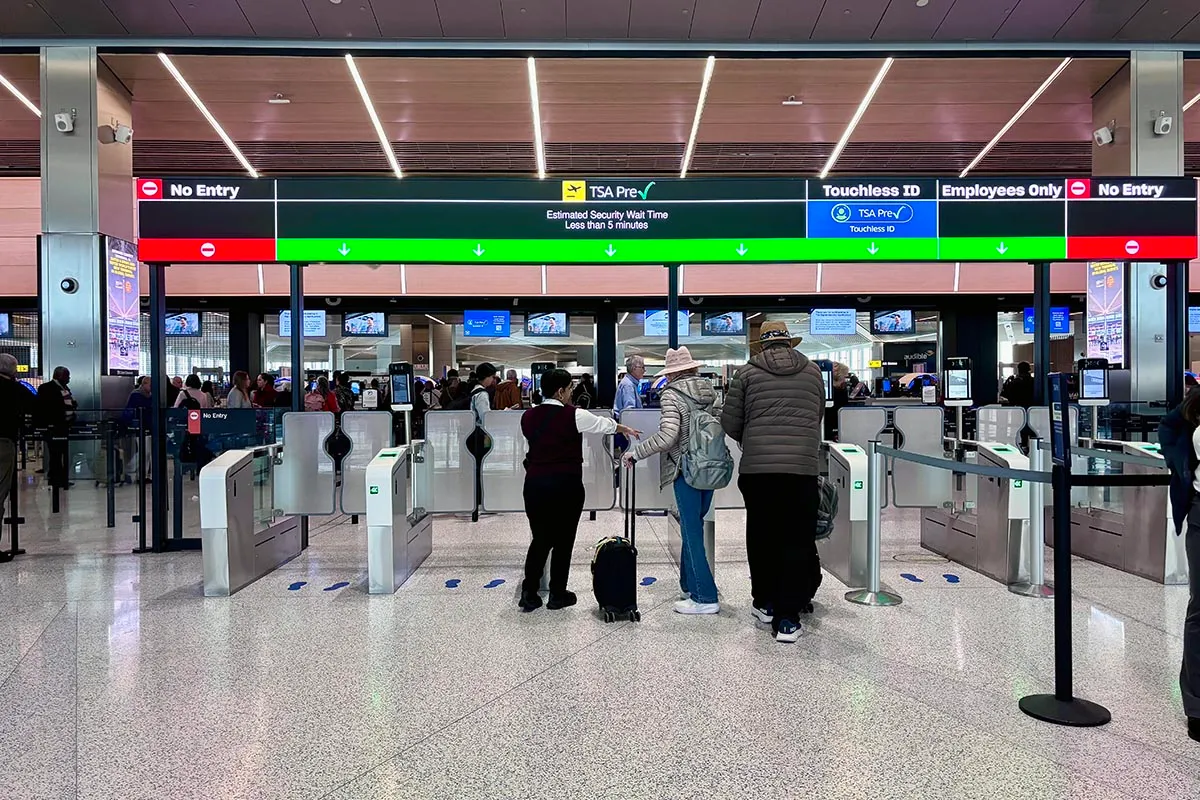
The global aviation industry finds itself navigating an unprecedented "crisis with a twist" in March 2026, characterized by a stark dichotomy: jet fuel prices have more than doubled year-on-year, yet passenger demand remains remarkably robust, showing little sign of faltering. This unique scenario presents a significant challenge to airlines worldwide, impacting their operational costs while simultaneously revealing the resilience of post-pandemic travel appetites.
The Escalating Fuel Price Crisis
The dramatic surge in jet fuel prices forms the core of the industry’s current predicament. As of Tuesday, March 24, 2026, benchmark oil prices illustrate this volatility. West Texas Intermediate (WTI), a key indicator for U.S. prices, stood at $91 per barrel, while Brent crude, which underpins the majority of global oil contracts, hovered around $102 per barrel. While these figures represent a slight dip from recent peaks, they remain historically elevated.
The true impact on airlines, however, is reflected in the jet fuel market. According to the International Air Transport Association (IATA) Jet Fuel Price Monitor, average jet fuel prices have skyrocketed by an astonishing 119% over the past year. This translates to an effective doubling of fuel bills for many carriers, significantly eroding profit margins and forcing a re-evaluation of operational strategies.
For a tangible illustration of this impact, Filipino low-cost carrier Cebu Pacific reported that over the preceding two to three weeks, jet fuel prices had escalated from an average of approximately $86 per barrel in February to a staggering run rate of $180 per barrel throughout March. In recent days, the price for Cebu Pacific even surpassed $200 per barrel. Considering fuel typically constitutes 20-30% of an airline’s operating expenses, such an increase represents an existential threat to profitability. The immediate cause of this spike is attributed to ongoing geopolitical tensions and their resultant disruptions to global energy supply chains, creating an environment reminiscent of, though distinct from, previous periods of commodity shortages.
Unblinking Demand Defies Economic Headwinds
Counterbalancing the grim reality of fuel costs is the surprising strength of passenger demand. Despite escalating ticket prices, consumers globally continue to book flights, leading to a situation where, as one industry observer noted, "only half the industry is suffering" – primarily the cost side. Airlines from various regions, including Lufthansa, Turkish Airlines, United Airlines, Delta Air Lines, Cathay Pacific, and Cebu Pacific, have all reported sustained high demand.
Several theories attempt to explain this resilience. One possibility is the diversion of travel from regions directly affected by geopolitical conflicts or perceived instability. For instance, some demand that might have traditionally targeted the Gulf region could now be shifting towards domestic or intra-East Asian destinations. Cebu Pacific executives suggested that travelers in Asia might be opting for vacations within Japan, Korea, or Hong Kong instead of destinations like Dubai or Europe.
Furthermore, a robust global economy in many regions, coupled with a desire to "get ahead" of anticipated further fare increases, might be motivating immediate travel plans. Another significant factor is likely pent-up demand. Following years of uncertainty and travel restrictions, particularly during the COVID-19 pandemic and subsequent periods of economic or health-related anxieties, many individuals may be determined to undertake long-delayed vacations and visits. As an executive from Alaska Airlines reportedly suggested, the resolve to travel this year, unmarred by cancellations, is strong.
United Airlines CEO Scott Kirby has also highlighted the inelastic nature of current demand, particularly among higher-income travelers who are less sensitive to fare increases and prioritize travel experiences. This demographic appears willing to absorb higher costs, sustaining booking volumes even as prices climb.
Cebu Pacific: A Microcosm of Industry Challenges and Adaptations
Cebu Pacific, a prominent low-cost carrier based in the Philippines, offers a compelling case study of the industry’s current dynamics. Historically, Cebu Pacific has been a highly profitable airline, known for its efficient operations and aggressive cost management, achieving operating margins as high as 20% in pre-COVID years. For the full year 2025, the airline reported a solid 11% operating margin, indicating a strong recovery trajectory.
The airline’s operational model is characterized by a predominantly narrow-body fleet, featuring a significant number of Airbus A321neos, alongside a handful of high-density A330neos. These A330neos are configured with an extraordinary 459 all-economy seats, primarily utilized on intra-Asian routes and to Australia, and previously to the Gulf. The dense seating strategy is partly a response to severe slot constraints at Manila’s Ninoy Aquino International Airport, allowing the airline to maximize revenue per limited slot.
Cebu Pacific’s network serves a substantial domestic market, accounting for approximately 70% of its seat capacity, and also caters to the large population of Filipino workers abroad. While flights to Riyadh, Saudi Arabia, continue, the airline has had to cancel its Dubai routes due to the prevailing circumstances impacting the Gulf.
However, the current environment presents significant hurdles. Beyond the crushing fuel costs, Cebu Pacific has faced operational challenges, including the grounding of several aircraft equipped with Pratt & Whitney Geared Turbofan (GTF) engines due to powdered metal issues requiring inspections. Adverse weather conditions, notably typhoons, also impacted operations in the last quarter of 2025.
In response to the unprecedented fuel price hikes, Cebu Pacific CEO Mike Such articulated a sober assessment: "These levels are clearly not sustainable for Cebu Pacific. If they persist… ultimately the industry will face losses." He further emphasized the severity, stating, "Current price levels will effectively double our fuel bill, all else being consistent." The airline has initiated "steps to pass on the incremental cost through fare adjustments," noting continued demand resilience in March and April. Yet, Mr. Such acknowledged the delicate balance: "we know from history that there are limits to fare increases before demand softens." This signals an ongoing strategic tension between maintaining profitability and preserving passenger volumes. The airline, which initially aimed for 20% growth in 2025 but achieved only 10% due to operational issues, is now adjusting its growth plans downwards, preparing for more capacity cuts if fuel prices remain elevated.
Broader Industry Responses and Upcoming Insights
The challenges faced by Cebu Pacific resonate across the global aviation sector. Airlines are actively seeking ways to mitigate the impact of fuel price volatility while capitalizing on sustained demand. This includes dynamic pricing strategies, fuel hedging where possible, and meticulous capacity management.
Operational resilience remains a key focus. In the United States, issues such as ongoing "TSA drama" at airports continue to test the system, while incidents like the Air Canada Express event at LaGuardia serve as reminders of the constant need for vigilance and safety protocols. Beyond these immediate concerns, the industry is also undergoing strategic shifts, exemplified by changes in leadership at carriers like Indigo and significant fleet orders, such as United’s recent large acquisition and Finnair’s move towards E2 jets, indicating long-term investment and modernization efforts.
The coming weeks are poised to provide deeper insights into how airlines are navigating this complex environment. The fourth-quarter earnings season, which typically extends over several weeks, will soon conclude for many carriers. Brazilian giants GOL and Azul are expected to report their Q4 2025 earnings shortly, offering a snapshot of the Latin American market. Mainland Chinese carriers are also anticipated to release their financial results, shedding light on the Asia-Pacific landscape beyond the Philippines.
Looking ahead, the first-quarter 2026 earnings season is already on the horizon, with Delta Air Lines scheduled to announce its Q1 results on April 8th. These upcoming reports will be crucial for understanding the immediate financial impact of the current fuel crisis and the effectiveness of airlines’ response strategies, including their ability to pass on costs without stifling demand.
Implications and Future Outlook
The current aviation landscape highlights a critical economic tightrope walk. While strong demand offers a buffer against soaring costs, the long-term sustainability of aggressive fare increases is questionable. Economic principles dictate that beyond a certain point, even inelastic demand will begin to soften as travel becomes unaffordable for wider segments of the population.
Airlines’ strategic capacity adjustments—reducing planned growth or even cutting existing routes—are a direct consequence of this cost pressure. Such measures, while necessary to preserve financial health, could ultimately lead to higher fares due to reduced supply, further testing the limits of demand. Regional variations in exposure to fuel supply disruptions, particularly for carriers in the Philippines and the Far East who can be harder hit by blockages from the Gulf, underscore the fragmented nature of the global impact.
Amidst these challenges, the industry continues to innovate. The Skift Idea Awards, celebrating its eighth year, serves as a testament to the ongoing drive for impactful solutions across travel. Recognizing advancements in customer experience, AI, digital transformation, sustainability, and product design, these awards spotlight companies and leaders—from nimble startups to global brands—who are driving change, irrespective of their size. Initiatives focused on carbon innovation, distribution strategies, advanced air mobility, revenue optimization, and emissions tracking demonstrate that even in a crisis, the pursuit of efficiency and progress remains paramount.
Ultimately, the resolution of the current "crisis with a twist" hinges on a complex interplay of geopolitical stability, global economic health, and the adaptive strategies of airlines. The hope remains for a peaceful resolution to current conflicts and a normalization of supply chains, which would alleviate the immense pressure on fuel prices. Until then, the aviation industry will continue to operate in this paradoxical state, balancing the strong desire to travel with the escalating cost of making it possible.



 Budi Mulyono
 Lukman Taruna Persada Ramadan
 Chandra Hamzah
 Tatiana Tantri Indah Sari