
 Gabriela Annisa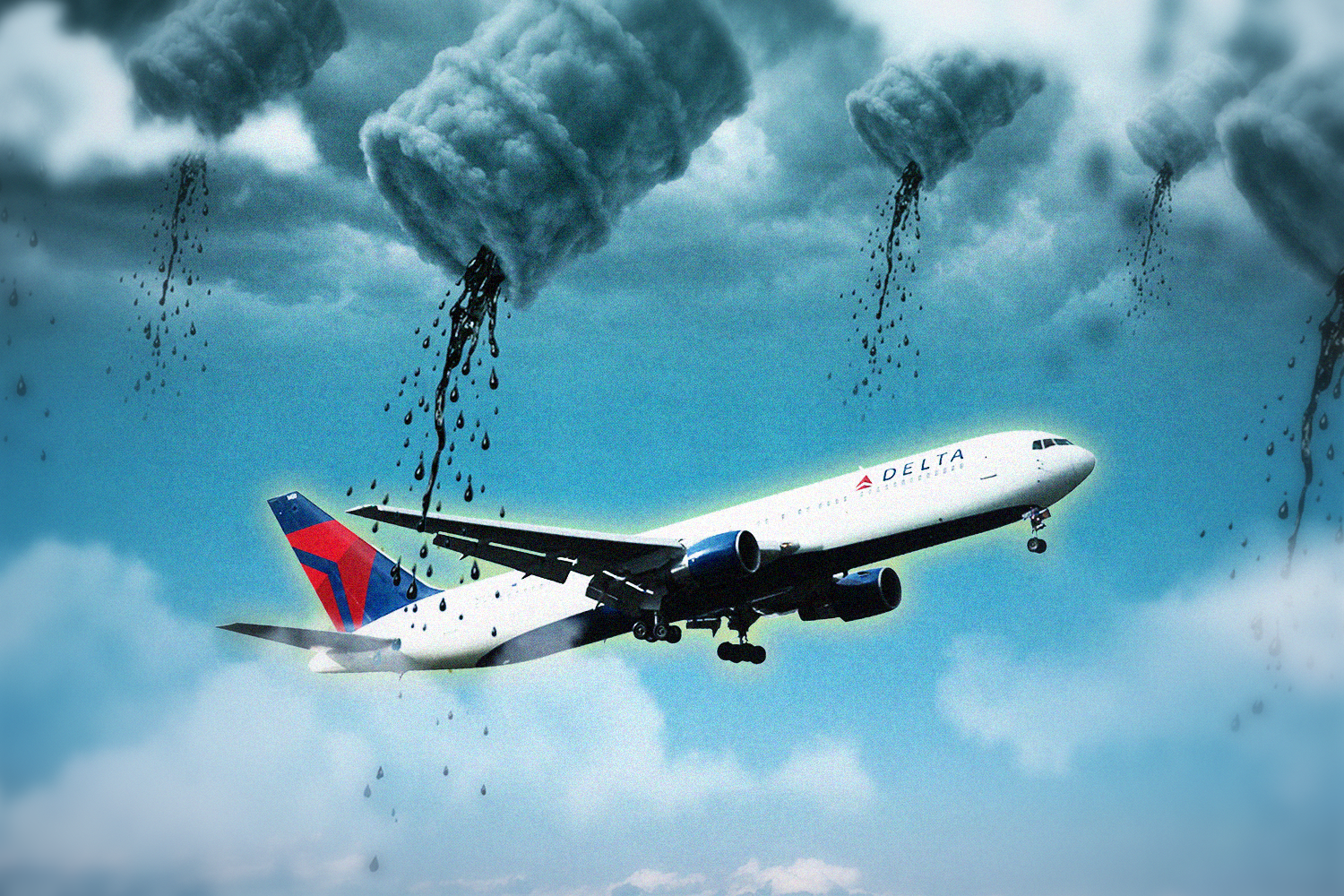
After navigating a period marked by unprecedented revenue uncertainty, Delta Air Lines now faces a formidable new challenge: a looming potential $2 billion hit from surging fuel costs. This pivot from demand-side pressures to supply-side financial strain marks a significant shift in the operational landscape for one of North America’s premier carriers. The airline, known for its resilience and strategic adaptability, is once again put to the test, prompting industry observers to question whether its proven playbook can effectively counter this latest, substantial economic shock.
The Shifting Headwinds: From Revenue Woes to Fuel Fears
For much of the past year, the global aviation industry, including Delta, grappled with the unpredictable ebb and flow of passenger demand following the initial phases of the global pandemic. Airlines contended with fluctuating travel restrictions, varying consumer confidence levels, and a staggered return to both leisure and business travel. Delta, like its peers, focused on capacity discipline, network optimization, and leveraging its premium offerings to stabilize its revenue streams amidst this volatility. The company’s leadership frequently emphasized the importance of agile responses to market dynamics, successfully steering through a period where passenger numbers and yields were the primary variables defining financial outcomes.
However, as the world gradually reopened and travel demand began to solidify, a new and equally potent threat emerged on the horizon: the dramatic escalation of jet fuel prices. This shift represents a fundamental change in the primary source of financial pressure. Instead of managing the top line (revenue), Delta and other airlines are now intensely focused on managing their second-largest operating expense after labor – fuel. The stark projection of a potential $2 billion increase in fuel expenditure underscores the severity of this new challenge, demanding immediate and innovative strategies to mitigate its impact.
Background Context: A History of Volatility and Resilience
The airline industry has always been acutely sensitive to the price of crude oil and, by extension, jet fuel. Fuel typically constitutes 20-30% of an airline’s operating costs, making it a critical determinant of profitability. Historical events, from the oil crises of the 1970s to the geopolitical upheavals of the early 2000s, have repeatedly demonstrated this vulnerability. Airlines have, over decades, developed various strategies to cope, including hedging, fleet modernization for fuel efficiency, and the ability to pass on costs to consumers through surcharges.
Delta Air Lines, in particular, has forged a reputation for its ability to navigate severe economic turbulence. The company famously underwent Chapter 11 bankruptcy reorganization in the mid-2000s, emerging leaner and more strategically focused. It then successfully integrated Northwest Airlines, creating a powerhouse carrier. In recent memory, Delta was lauded for its proactive response to the COVID-19 pandemic, raising substantial liquidity, managing capacity aggressively, and maintaining strong customer loyalty programs to position itself for recovery. This history of overcoming significant obstacles has instilled a certain confidence in the airline’s capacity to adapt, but the scale and suddenness of the current fuel price surge present a fresh test.
The Mechanics of the $2 Billion Fuel Hit
To fully appreciate the magnitude of a potential $2 billion fuel hit, it’s essential to contextualize Delta’s typical fuel expenditure. In pre-pandemic years, Delta’s annual fuel bill could range from $7 billion to $10 billion, depending on market prices and operational scale. A $2 billion increase, therefore, represents a substantial percentage jump, potentially adding 20-30% to its fuel expenses. This is not merely a marginal cost adjustment; it signifies a fundamental reshaping of the airline’s financial forecasts and operational planning for the foreseeable future.
Several interconnected factors have conspired to drive jet fuel prices to multi-year highs. Geopolitical tensions, particularly the conflict in Eastern Europe, have disrupted global energy markets, leading to sanctions on major oil producers and increased volatility. Simultaneously, a post-pandemic rebound in global economic activity has fueled demand for energy across various sectors, while supply has struggled to keep pace due due to years of underinvestment in production and refining capacity. Refinery outages and limited inventories further exacerbate the situation, creating a tight market where any supply disruption can have an outsized impact on prices. For airlines, which rely on highly refined jet kerosene, these broader crude oil market dynamics translate directly into higher operational costs.
A Chronology of Rising Costs
The escalation of fuel costs was not an overnight phenomenon but a gradual build-up that accelerated significantly in late 2021 and early 2022:
- Late 2021: As global economies began to reopen more broadly, demand for crude oil started to outstrip supply growth. Prices, which had been depressed during the pandemic, began a steady ascent. Airlines, while still focused on revenue recovery, started to acknowledge inflationary pressures.
- January-February 2022: Geopolitical tensions mounted, particularly concerning the conflict in Eastern Europe. Crude oil prices, including benchmark West Texas Intermediate (WTI) and Brent crude, breached significant psychological barriers, nearing or exceeding $90 per barrel.
- March 2022: The full-scale conflict erupted, leading to severe sanctions on a major oil-producing nation. This event sent shockwaves through the energy markets, pushing crude oil prices well over $100 per barrel and, at times, near $130. Jet fuel, which often trades at a premium to crude, saw even sharper increases.
- April 2022 and Beyond: While prices have fluctuated, the underlying factors of tight supply, sustained demand, and geopolitical instability have kept them elevated. Airlines, including Delta, began revising their fuel cost forecasts upwards in their quarterly earnings calls, with the $2 billion figure representing a significant adjustment from earlier projections.
Delta’s Historical Responses and Current Strategy
Delta’s playbook for navigating past crises has typically involved a multi-pronged approach:
- Fuel Hedging: Historically, Delta has employed hedging strategies to lock in fuel prices for a portion of its anticipated consumption, providing a degree of predictability and protection against sudden spikes. However, in recent years, many airlines, including Delta, scaled back their hedging programs due to sustained low oil prices and the high cost of hedging instruments. The current environment may prompt a re-evaluation of this strategy.
- Fleet Modernization: Delta has consistently invested in new, more fuel-efficient aircraft, such as the Airbus A321neo and A220, and the Boeing 737 MAX (though Delta has no 737 MAX in its fleet, other new generation Boeing aircraft like the 787 and 737NG/MAX family are known for efficiency). These modern jets consume significantly less fuel per available seat mile (ASM) than older models, providing a structural hedge against rising costs. The airline’s accelerated retirement of older, less efficient aircraft during the pandemic further improved its fleet’s overall fuel burn profile.
- Capacity Discipline: By carefully managing its flight schedule and seat availability, Delta can match supply with demand more effectively, ensuring higher load factors and optimizing fuel burn per passenger. During periods of high fuel costs, airlines often become more conservative with capacity additions.
- Premiumization and Revenue Management: Delta’s strategy of focusing on premium services and a strong loyalty program (SkyMiles) allows it to command higher fares, which can help absorb increased operational costs without disproportionately impacting profitability. Its sophisticated revenue management systems are crucial in dynamically adjusting ticket prices based on demand and cost inputs.
- Operational Efficiencies: Beyond the fleet, Delta continuously seeks efficiencies in ground operations, flight planning (e.g., optimized routes, single-engine taxiing), and weight reduction to minimize fuel consumption.
Statements and Industry Reactions
While Delta has not issued a specific press release detailing the $2 billion fuel hit, statements from its executives in earnings calls and investor presentations consistently highlight the airline’s commitment to managing costs and maintaining profitability. CEO Ed Bastian and other senior leaders would likely emphasize:
- Prudent Cost Management: Reassurance to investors that the company is actively implementing strategies to mitigate the impact of fuel price increases, leveraging its operational discipline.
- Strong Balance Sheet: Pointing to Delta’s robust liquidity position and reduced debt levels (a priority post-pandemic) as a buffer against external shocks.
- Flexibility and Adaptability: Highlighting the airline’s track record of adjusting to changing market conditions and its ability to make swift operational decisions.
- Focus on Customer Value: Emphasizing that while cost pressures are real, Delta remains committed to providing a premium travel experience, justifying its fare structure.
Industry analysts generally concur that Delta is one of the best-positioned carriers to weather such a storm. Savanthi Syth, an airline analyst at Raymond James, for instance, might comment on Delta’s strong brand loyalty and premium product mix allowing it greater pricing power compared to some low-cost competitors. Others, like Helane Becker of Cowen, might point to Delta’s substantial cash reserves as a critical advantage. However, even the most resilient airlines cannot entirely escape the impact of a sustained fuel price surge. There is a broad consensus that higher fuel costs will inevitably translate into higher airfares across the industry, impacting consumer travel budgets.
Broader Impact and Implications
The potential $2 billion fuel hit for Delta has wide-ranging implications, extending beyond the airline’s immediate financial statements:
- For Passengers: Travelers are already witnessing the effects. Airlines, including Delta, have implemented fuel surcharges or simply raised base fares to offset increased costs. This could lead to a moderation in travel demand, especially for leisure travel, if tickets become prohibitively expensive. Business travelers, less price-sensitive, may still see their corporate travel budgets stretched. Promotions and discount fares might become less frequent or less generous.
- For Investors: The increased cost burden will undoubtedly put pressure on Delta’s profit margins. While the airline’s revenue recovery has been strong, the additional fuel expense could temper earnings forecasts, potentially impacting investor confidence and stock performance. Analysts will closely monitor Delta’s ability to pass on costs and maintain its profitability targets.
- For Delta’s Strategy: The current environment will likely accelerate Delta’s commitment to fuel efficiency. This could mean further investments in modern aircraft, renewed emphasis on sustainable aviation fuels (SAFs) as a long-term strategy (though SAFs are currently more expensive than traditional jet fuel), and a re-evaluation of hedging policies. The pressure might also lead to a more conservative approach to capacity expansion, ensuring that every flight operates with optimal load factors.
- For the Airline Industry: Delta’s situation is mirrored, to varying degrees, across the entire airline sector. Smaller, less capitalized carriers or those with older, less efficient fleets might face even greater challenges. The surge in fuel costs could potentially trigger further consolidation or put significant financial strain on operators unable to absorb or pass on these expenses. It also highlights the urgent need for government and industry collaboration on energy policy and the development of alternative fuels to reduce aviation’s reliance on fossil fuels.
- Economic Ripple Effects: Higher airfares contribute to broader inflationary pressures within the economy. Reduced travel due to cost could impact tourism-dependent sectors, from hotels and restaurants to rental car companies and local attractions.
Can Delta Stay Ahead?
The question posed by industry observers remains pertinent: Can Delta stay ahead of this latest shock, or is this one different? Delta’s history suggests a strong capacity for adaptation. Its robust network, premium market positioning, and operational excellence provide a significant competitive advantage. However, the current confluence of geopolitical instability, supply constraints, and resurgent demand creates a unique and formidable challenge.
While Delta has proven adept at navigating revenue uncertainties, the battle against a $2 billion fuel hit is a cost-side war that requires relentless discipline and potentially innovative pricing strategies. The airline’s ability to minimize the impact on its bottom line while maintaining its commitment to customer service and long-term strategic goals will be a definitive measure of its enduring resilience in an increasingly unpredictable global economic landscape. The coming quarters will reveal whether Delta can once again find a way through, or if this particular storm demands a fundamentally new course correction.




 Anjar Salim
 Chandra Hamzah
 Tatiana Tantri Indah Sari
 Budi Mulyono

