
 Anjar Salim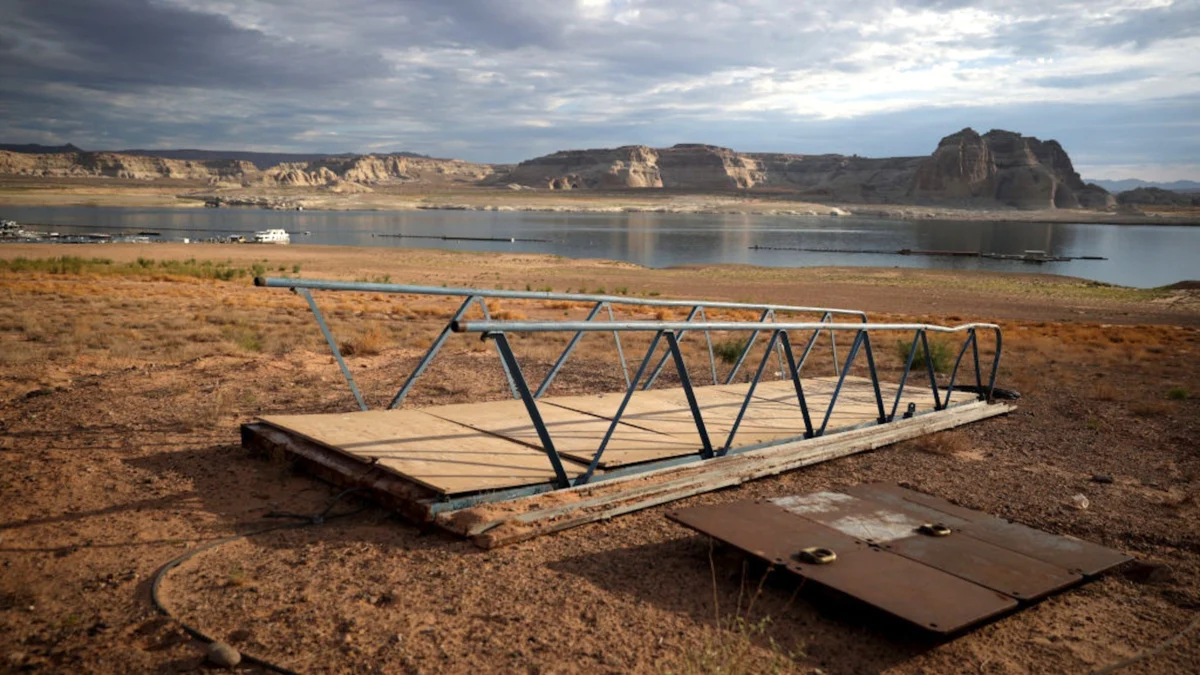
As the 2026 summer season approaches, the National Park Service (NPS) has issued a comprehensive series of warnings for visitors planning to travel to the Glen Canyon National Recreation Area. Lake Powell, the second-largest man-made reservoir in the United States and a cornerstone of the American Southwest’s tourism economy, is currently grappling with water levels that are approaching historic lows. In a detailed statement released on April 17, 2026, federal officials cautioned that the combination of receding shorelines and shifting underwater topography has created a high-risk environment for boaters, swimmers, and recreationalists.
The reservoir, which straddles the border of Utah and Arizona, is currently navigating a period of extreme hydrological volatility. As of late April, Lake Powell is operating at a level approximately 174 feet below its full-pool elevation of 3,700 feet above sea level. This puts the water level at roughly 3,526 feet, a sharp decline from the previous year. For context, the lowest level ever recorded for the reservoir was reached in early 2023, when it dipped to 181 feet below full pool. The current trajectory suggests that 2026 could rival or even surpass those record-breaking lows, depending on the volume of the spring runoff from the Upper Colorado River Basin.
The State of the Reservoir: Current Hydrological Data and Comparisons
The Bureau of Reclamation’s recent hydrologic data highlights a sobering reality for the region. The water level in Lake Powell has dropped 32.17 feet since April 2025. This rapid decline is part of a broader, decades-long trend often referred to by climatologists as the "millennial drought" or "megadrought," which has plagued the Colorado River system for over 20 years.
Lake Powell functions as a massive storage tank for the Colorado River, regulated by the Glen Canyon Dam. When the reservoir is full, it holds approximately 24 million acre-feet of water. However, current estimates suggest the reservoir is at less than 30% of its total capacity. This depletion not only affects recreational access but also threatens the integrity of hydroelectric power generation at the dam. If the water level were to drop to the "minimum power pool" of 3,490 feet, the turbines would no longer be able to generate electricity safely, potentially impacting the power grid for millions of residents across several Western states.
Chronology of a Crisis: The Path to the 2026 Lows
The journey to the current crisis has been marked by brief periods of recovery followed by severe setbacks. In 2023, record-breaking winter snowpacks in the Rocky Mountains provided a temporary reprieve, raising the lake levels significantly and offering hope for a long-term recovery. However, subsequent years saw below-average precipitation and higher-than-normal temperatures, which increased evaporation rates and reduced the efficiency of the runoff.
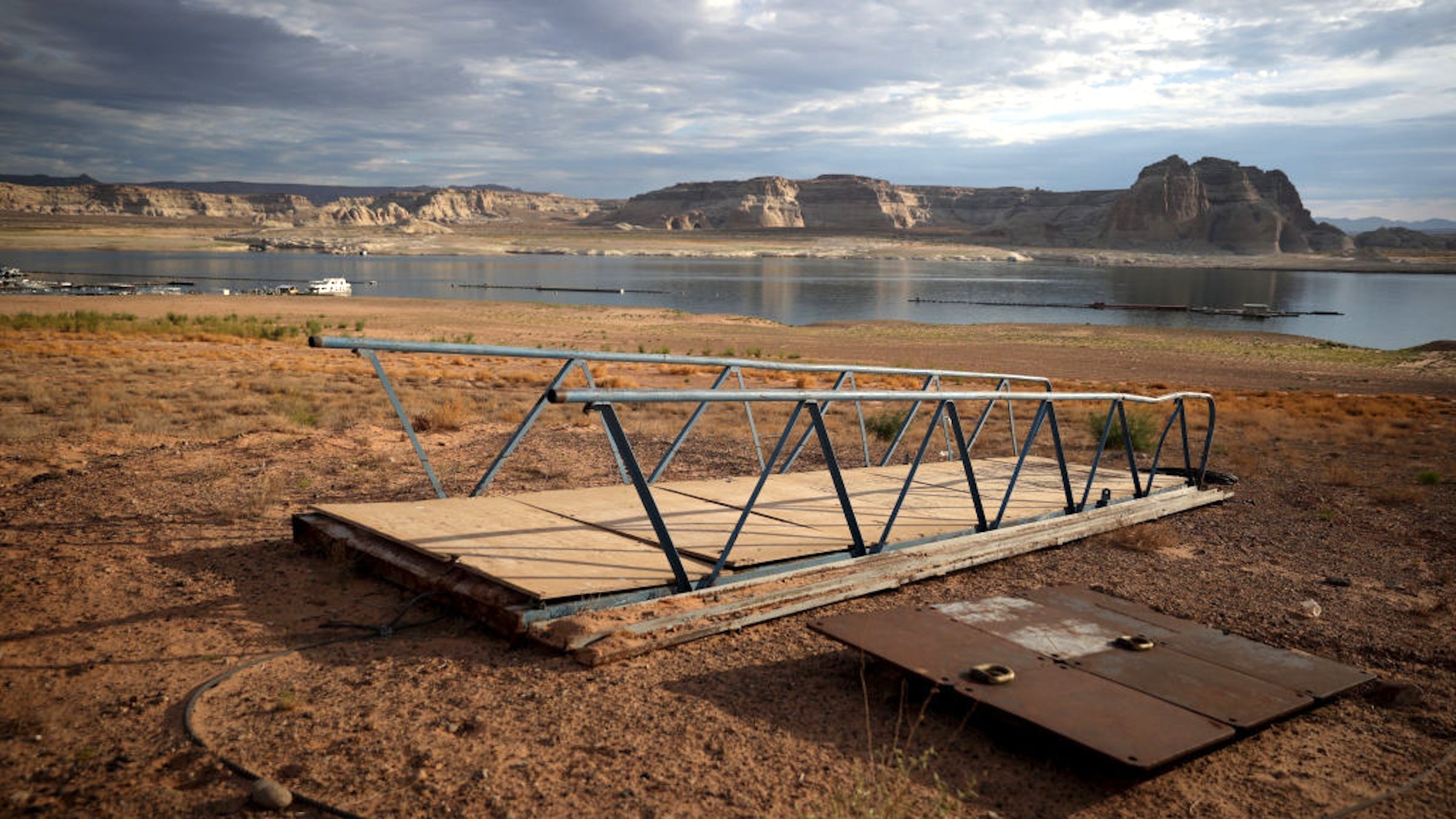
By early 2025, it became clear that the gains of 2023 were being erased. The winter of 2025-2026 was particularly dry in the high-altitude headwaters of the Colorado River, leading to the current situation. The NPS has been monitoring these trends closely, adjusting its management strategies as ramps and docks that were once deep underwater began to emerge from the receding surface.
Navigational Hazards and Safety Protocols
The National Park Service’s April 17 statement emphasized that the lower water levels have fundamentally changed the geography of the lake. Areas that were previously safe for high-speed travel are now riddled with "submerged obstacles" and "narrower or shifting channels." Boaters who have frequented the lake for decades may find that their mental maps of the reservoir are no longer accurate.
"Visitors should operate vessels at safe speeds, maintain a proper lookout, and take early, deliberate action to avoid hazards," the NPS statement advised. These hazards include large rock formations and pinnacles that sit just inches below the surface, as well as sandbars that have shifted due to the movement of silt in the narrower canyon sections.
Jesse Romell, a veteran guide and the owner of Lake Powell Guide Services, has seen these changes firsthand. Having boated over 20,000 miles on the lake in the last two years alone, Romell warns that the visual cues of the water are now the most important tool for a pilot. "You’ll want to avoid entering water that is yellowish," Romell told reporters. This yellow tint often indicates a shallow area where the sandy bottom or submerged rocks are reflecting sunlight through a thin layer of water.
Infrastructure and Access: Only Two Ramps Remain Fully Operational
The most immediate impact for the average tourist is the severe limitation on boat launching facilities. Lake Powell traditionally offers 11 launch ramps across its vast expanse, but as of April 19, 2026, only two are currently open to the public: the Wahweap Stateline Auxiliary Launch Ramp in the south and the Bullfrog North Launch Ramp in the north.
Other iconic locations, such as the ramp at Rainbow Bridge National Monument, have been downgraded to "use at your own risk." This designation means that while the NPS is not strictly prohibiting use, they cannot guarantee the safety of the ramp or provide assistance if a vessel becomes stuck. Furthermore, the NPS has warned that the receding water has exposed unstable soils and pockets of quicksand along the shoreline, making beaching a vessel a potentially dangerous endeavor.
To manage the expected congestion at the remaining open ramps, the NPS has implemented new protocols. Boaters are urged to "ready" their vessels—including loading gear, checking engines, and securing plugs—in parking lots far away from the water’s edge. The goal is to ensure that the actual time spent on the ramp is minimized, allowing for a higher volume of traffic through the limited access points.
Expert Analysis: The Human Element of Risk
While the physical hazards of the lake are significant, experts like Jesse Romell argue that the human element is the greatest variable in the safety equation for 2026. As the navigable space on the lake shrinks, the density of boat traffic increases, particularly in the narrow canyons that are the reservoir’s primary draw.
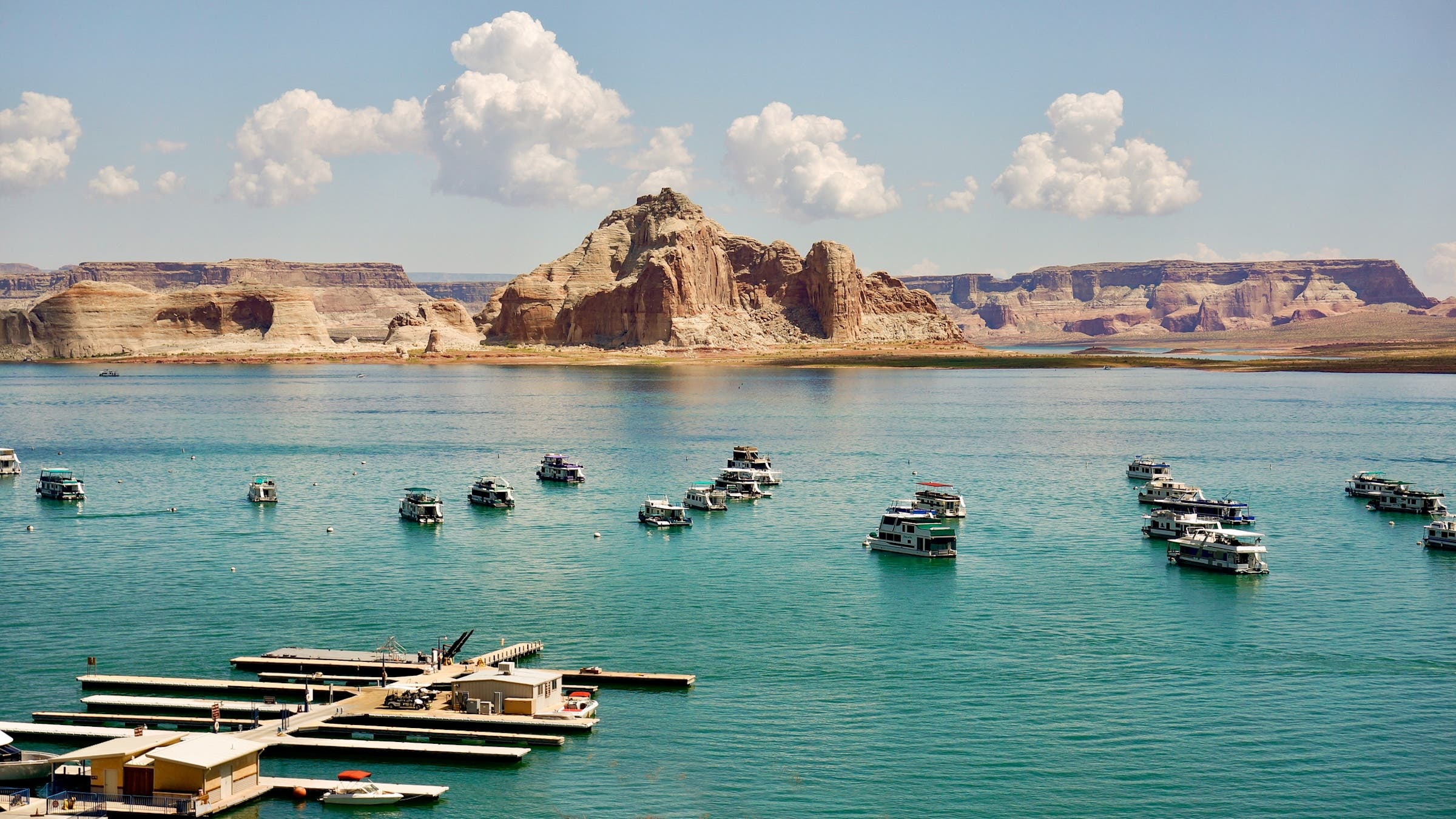
"The biggest hazard with lower water levels will be uneducated boaters in smaller areas," Romell noted. He expressed concern regarding the influx of seasonal tourists who rent powerful watercraft without having the experience necessary to navigate tight, crowded channels. The "bottleneck effect" in popular areas like Antelope Canyon or the Labyrinth can lead to collisions if boaters do not adhere strictly to the rules of the water.
Despite these challenges, Romell maintains that the current state of the lake offers a unique, albeit bittersweet, opportunity. The lower water levels have revealed geological features and hidden alcoves that have been submerged since the reservoir was first filled in the 1960s and 70s. "The canyons on the lake are more dramatic now than they’ve ever been," he said, suggesting that for those willing to put in the extra effort, the 2026 season offers a "once-in-a-lifetime opportunity" to see the original majesty of Glen Canyon.
Broader Implications: Economic and Environmental Consequences
The crisis at Lake Powell extends far beyond the frustrations of weekend boaters. The local economy of Page, Arizona, and the surrounding tribal lands are heavily dependent on the millions of tourists who visit Glen Canyon National Recreation Area annually. A reduction in access often leads to a reduction in hotel bookings, restaurant revenue, and guide service hires.
Environmentally, the low water levels are a double-edged sword. While the receding reservoir reveals the stunning red rock "cathedrals" of the original canyon, it also exposes the ecological damage caused by decades of submersion, including the presence of invasive quagga mussels on newly exposed rock faces. Furthermore, the lower water levels affect the temperature and flow of the Colorado River downstream through the Grand Canyon, impacting native fish species and the delicate riparian ecosystem.
Federal water managers are also watching the "Dead Pool" threshold. If Lake Powell were to drop to 3,370 feet, water would no longer be able to pass through the dam by gravity, effectively stopping the flow of the Colorado River to the Lower Basin states of Nevada, California, and Arizona, as well as Mexico. While the 2026 levels are still well above this catastrophic scenario, the proximity to historic lows keeps the possibility in the minds of policy experts.
Essential Guidelines for 2026 Visitors
For those planning to proceed with their trips to Glen Canyon this summer, the NPS has outlined seven critical safety tenets:
- Wear a life jacket at all times; the unpredictable nature of the shifting channels makes sudden ejections more likely.
- Check the NPS website daily for ramp status updates, as conditions can change in a matter of hours.
- Travel at reduced speeds, especially when entering or exiting canyons.
- Utilize a designated "spotter" or lookout to watch for submerged debris.
- Be prepared for significant physical exertion, as the walk from parking areas to the water’s edge has increased by up to ten minutes in some locations.
- Carry extra fuel and supplies, as floating fuel stations may be forced to move or close depending on water depth.
- Respect all closures and "at your own risk" warnings to avoid costly and dangerous recovery operations.
As the Southwest continues to face the realities of a changing climate, Lake Powell serves as a high-profile barometer for the health of the Colorado River. The 2026 season will likely be remembered as a turning point in how the public interacts with this iconic landscape—a season defined by both the stunning emergence of forgotten canyons and the urgent necessity of cautious, responsible recreation.




 Chandra Hamzah
 Tatiana Tantri Indah Sari
 Budi Mulyono
 Lukman Taruna Persada Ramadan