
 Walid Sujud Trenggono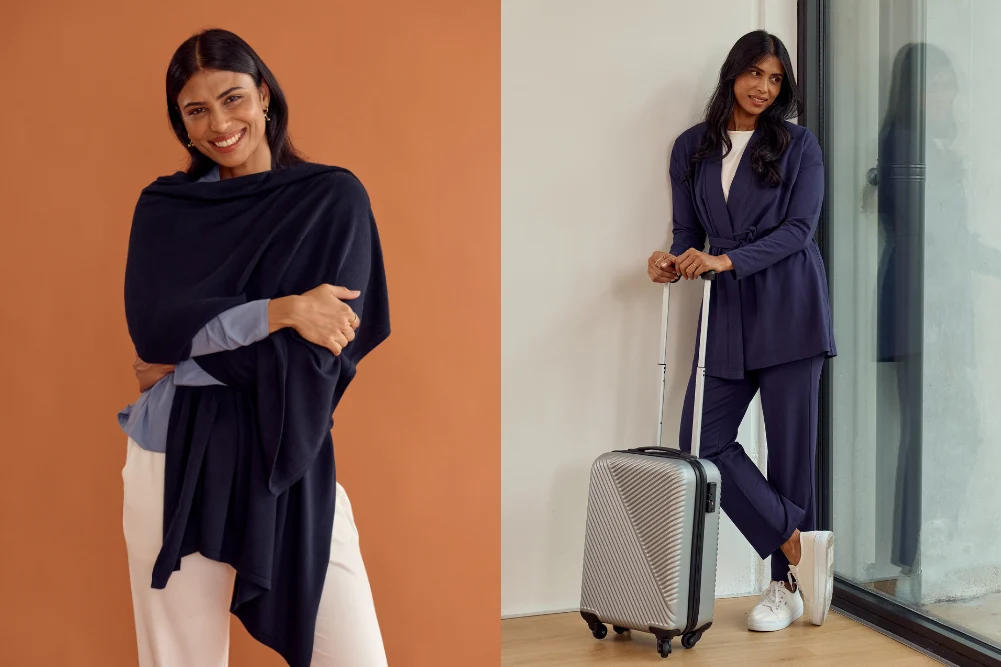
The modern landscape of global aviation and long-distance transit has undergone a significant transformation over the last decade, shifting the focus from mere transportation to the holistic well-being of the traveler. As international flight durations increase—with some "ultra-long-haul" routes now exceeding 18 hours—the physiological demands placed on passengers have necessitated a revolution in garment design. Industry experts and textile innovators are increasingly identifying the "travel outfit" not merely as an aesthetic choice, but as a critical component of journey management. Central to this evolution is the emergence of sustainable, high-performance fabrics, with Australian brands like Bamboo Body leading the transition toward materials that address the specific stressors of the cabin environment, including temperature volatility, restricted movement, and skin sensitivity.
The Physiological Challenges of Modern Long-Haul Transit
To understand the necessity of specialized travel apparel, one must analyze the unique environment of a commercial aircraft cabin. At cruising altitudes, cabin pressure is typically maintained at the equivalent of 6,000 to 8,000 feet above sea level, which leads to lower oxygen saturation in the blood and can cause physical lethargy. Furthermore, humidity levels in a cabin often drop below 20 percent, significantly lower than the 30 to 50 percent found in typical indoor environments. These conditions, combined with prolonged periods of physical inactivity, contribute to "travel fatigue," a condition characterized by stiffness, dehydration, and disrupted circadian rhythms.
Data from aviation health studies indicate that the choice of clothing plays a direct role in mitigating these effects. Restrictive waistbands or non-breathable synthetic fabrics can impede circulation and exacerbate the risk of edema (swelling) in the lower extremities. Consequently, the demand for "soft-tech" apparel—clothing that offers the comfort of loungewear with the technical properties of athletic gear—has surged. The Australian apparel sector has been particularly responsive to this trend, utilizing native and sustainable fibers to meet the needs of a mobile population.
The Science of Bamboo Fiber in Aviation Environments
The rise of bamboo-based textiles in the travel sector is supported by significant material science. Bamboo fiber, a cellulose-based viscose, possesses a microscopic structure that allows for superior capillary action. This means the fabric can wick moisture away from the skin at a rate significantly higher than traditional cotton. For a traveler transitioning between a humid airport terminal and a dry, air-conditioned cabin, this moisture-wicking capability is essential for maintaining a stable body temperature.
Furthermore, bamboo fabric is naturally hypoallergenic and anti-bacterial. On long-haul journeys where passengers may remain in the same garments for 24 hours or more, the ability of the fabric to resist odor-causing bacteria becomes a functional necessity. Brands like Bamboo Body have spent nearly two decades refining these textiles, creating blends—such as bamboo and recycled cashmere—that provide the thermal insulation required for cold cabins without the bulk that complicates movement in confined spaces.
A Chronology of Travel Fashion: From Formality to Functionality
The history of travel attire reflects broader societal shifts in technology and class. In the mid-20th century, during the "Golden Age of Flight," air travel was a high-status activity that demanded formal attire; men frequently wore wool suits while women opted for structured dresses and heels. This era of "dressing up" for the terminal began to decline in the 1970s and 80s as deregulation made flying more accessible and cabin densities increased.
By the early 2000s, the pendulum had swung toward extreme casualization, often at the expense of presentation. However, the current decade marks a "third wave" of travel fashion: the era of the "Travel Set." This movement prioritizes a polished, monochromatic aesthetic that does not sacrifice physiological comfort. The contemporary traveler seeks "co-ord" sets—matching tops and bottoms—that allow them to navigate premium airport lounges and immigration checkpoints with a professional appearance while benefiting from stretchy waistbands and relaxed silhouettes. This shift represents a maturation of the market, where "looking put together" and "feeling refreshed" are no longer viewed as mutually exclusive goals.
Strategic Layering and the Microclimate Management
One of the most complex aspects of long-distance travel is the management of fluctuating microclimates. A single journey often involves exposure to four distinct environments: the outdoor climate of the departure city, the climate-controlled terminal, the pressurized aircraft cabin, and the destination environment.
Aviation data suggests that cabin temperatures are rarely uniform; they can fluctuate based on the number of passengers, the age of the aircraft’s HVAC system, and the specific phase of flight. To counter this, professional travelers employ a strategy of modular layering. This typically begins with a breathable base layer, such as a bamboo singlet or lightweight tee, which regulates core temperature.
The secondary layer—often a matching set—provides the primary aesthetic and thermal barrier. The tertiary layer, such as a travel wrap or pashmina, serves as a versatile tool. In the context of the Bamboo Body collection, the use of a bamboo and recycled cashmere blend wrap acts as a portable blanket. This is particularly relevant given that many airlines have reduced the provision of complimentary linens on shorter international routes, placing the onus of thermal comfort back onto the passenger.
The Role of Accessories in Circulatory Health
While much attention is paid to primary garments, the role of accessories—specifically socks—is a matter of medical relevance in the travel industry. Prolonged sitting in a pressurized cabin is a known risk factor for Deep Vein Thrombosis (DVT). While compression garments are recommended for high-risk individuals, the general population benefits significantly from non-restrictive, breathable hosiery.
Bamboo socks have become a staple for frequent flyers due to their softness and thermal properties. Unlike synthetic socks, which can trap moisture and lead to cold feet once the shoes are removed for sleep, bamboo fibers maintain a dry environment. By keeping the extremities warm, these accessories help maintain overall circulation and comfort, preventing the "stiff" feeling often reported upon landing.
Market Analysis and the Rise of Eco-Conscious Travel
The growth of brands like Bamboo Body coincides with a broader shift in consumer behavior toward "Slow Fashion" and sustainability. The global travel apparel market is increasingly scrutinized for its environmental footprint. Bamboo is a highly renewable resource, requiring significantly less water than cotton and no pesticides to thrive. For the modern traveler, the "refreshment" felt upon arrival is often tied to the ethical alignment of their purchases.
Industry analysts note that the Australian market has been a pioneer in this space. With a geographic reality that necessitates long-haul travel for almost any international connection, Australian consumers have high standards for travel-wear durability and performance. This has created a competitive environment where brands must innovate constantly to survive. The longevity of Bamboo Body—nearly 20 years in operation—serves as a testament to the sustained demand for high-quality, bamboo-derived travel essentials.
Broader Implications for the Future of Passenger Experience
The evolution of travel outfits reflects a broader trend in the aviation industry: the personalization of comfort. As airlines move toward "unbundling" services, passengers are increasingly taking control of their own in-flight experience. This "self-care" approach to travel extends from choosing specific seats to curating a "travel kit" of clothing that guarantees a certain level of physical well-being regardless of the airline’s service level.
Furthermore, the rise of "bleisure" travel—where business trips are extended for leisure purposes—has created a demand for versatile clothing. A travel outfit must now be capable of transitioning from a 14-hour flight directly into a casual business meeting or a city tour. The minimalist, classic styling of modern bamboo sets caters to this need, reducing the volume of luggage required and streamlining the transit process.
Conclusion: Arriving Ready for the Destination
The ultimate metric of a successful travel outfit is the state of the passenger upon arrival. The transition from the "disheveled traveler" of the past to the "refreshed passenger" of the present is largely a result of better education regarding fabric science and layering strategies. By prioritizing soft, breathable, and temperature-regulating materials, travelers can mitigate the physical toll of long-distance movement.
As the global travel industry continues to recover and expand, the emphasis on functional, sustainable, and comfortable apparel is expected to grow. For companies like Bamboo Body, the mission remains focused on the intersection of comfort and style, ensuring that the journey—whether by air, sea, or road—does not detract from the destination. In an era where time is the ultimate luxury, the ability to land feeling refreshed and "like yourself" is perhaps the most valuable travel hack available to the modern explorer.



 Anjar Salim
 Chandra Hamzah
 Tatiana Tantri Indah Sari
 Budi Mulyono
 Lukman Taruna Persada Ramadan
