
 Hendra Ismail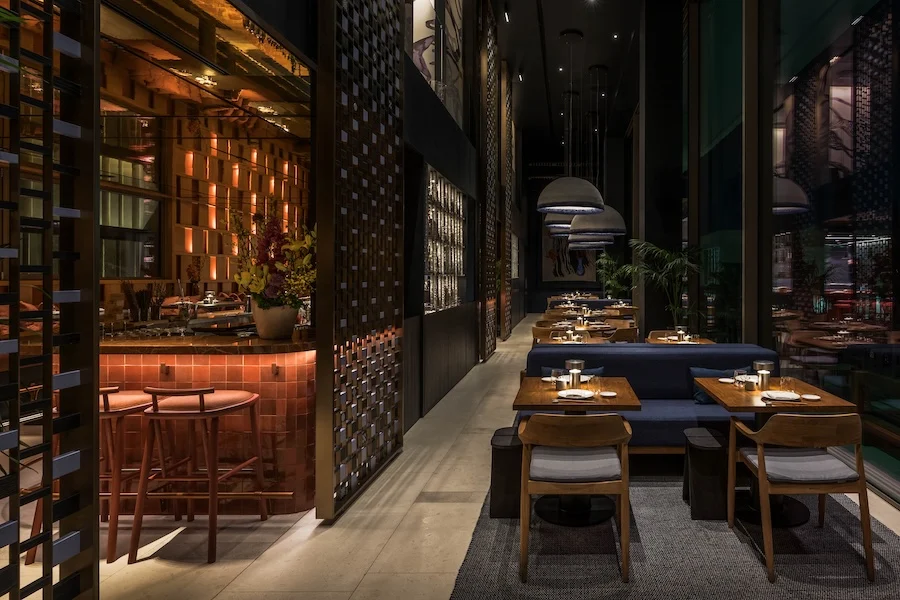
The new restaurant pairs Japanese craftsmanship with a lively Greek backdrop. Words by: Stephanie Chen. Photos by Giorgos Sfakianakis.
Athens, Greece – A sophisticated fusion of Japanese culinary artistry and vibrant Greek ambiance has arrived at the Ilisian in Athens with the debut of Onuki, a modern Japanese dining concept helmed by chef and co-owner Stamatis Skriapas. This marks the restaurant’s expansion from its original Mediterranean destination at Costa Navarino, now presenting a refined poolside iteration meticulously designed by the renowned Yabu Pushelberg. The unveiling of Onuki represents a significant addition to Athens’ burgeoning culinary landscape, signaling a growing trend in high-design hospitality that merges international influences with local character.
A Choreography of Light and Shadow: The Interior Design Narrative
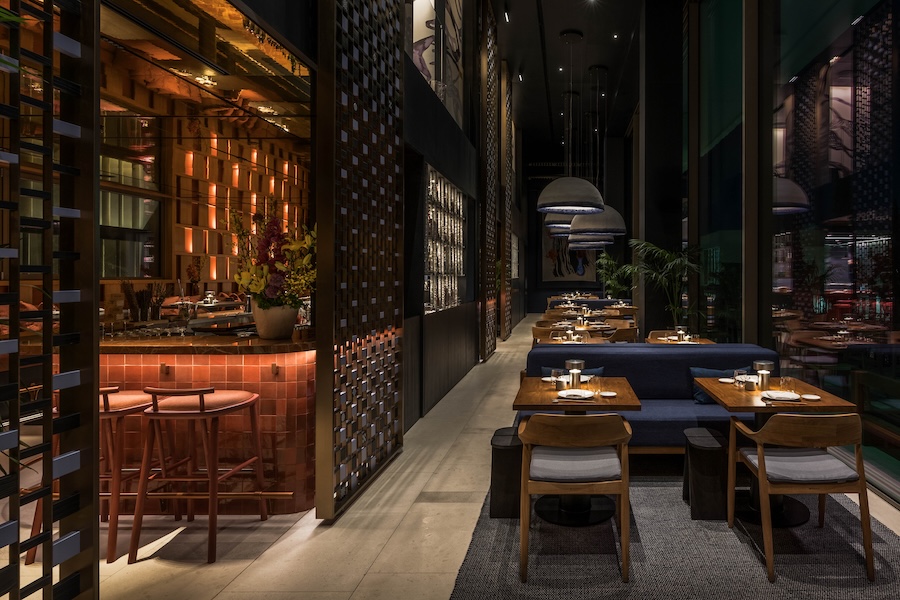
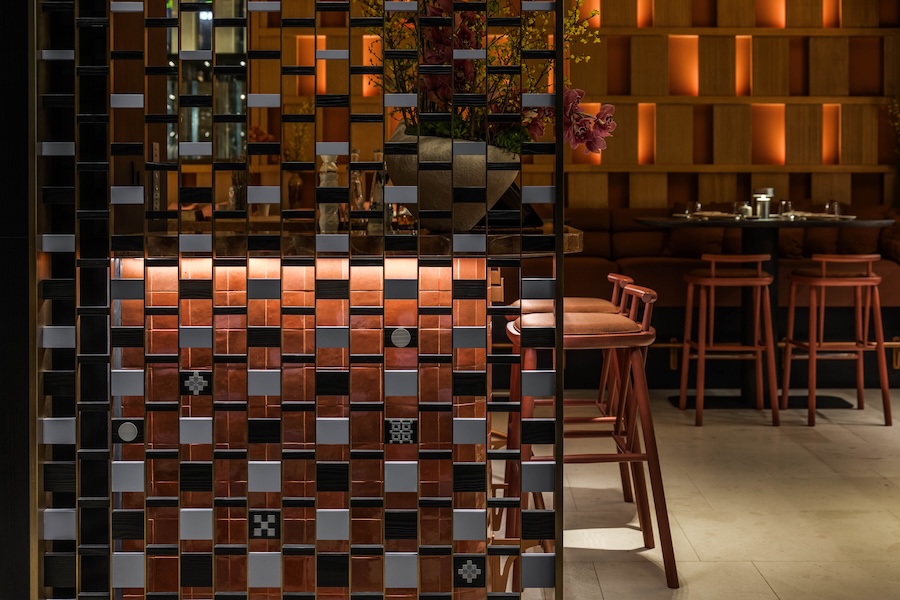
Upon stepping into Onuki, patrons are immediately immersed in a meticulously crafted environment where light and shadow engage in a captivating dialogue. Yabu Pushelberg, known for their ability to create multi-sensory experiences, has orchestrated a design that is both striking and subtle. The interiors are characterized by a deliberate interplay of bright, geometric lighting that elegantly contrasts with the deep, rich tones of dark-wood detailing. This juxtaposition creates a dynamic visual tension, immediately drawing the eye and setting a mood of sophisticated intrigue.
At the heart of the design lies a recurring tile motif, a deliberate choice that serves to anchor the space and forge a tangible connection to the meticulous traditions of Japanese craftsmanship. These tiles, rendered with precision, evoke a sense of heritage and artisanal dedication, grounding the contemporary design in a timeless aesthetic. This element is not merely decorative; it is foundational to the restaurant’s narrative, speaking to the dedication and precision inherent in both the culinary offerings and the spatial experience.
As guests ascend towards the bar area, their attention is drawn to a warm, inviting persimmon glow. This luminous focal point guides visitors to a thoughtfully designed seating area. Upholstered seating is arranged to trace the gentle, inviting curve of a terracotta counter, which itself is wrapped in vibrant orange ceramic tiles. This use of color and texture adds a layer of warmth and tactility, further enhancing the sensory experience. The interplay of these warm tones is complemented by burnished metal accents and mirrored ceiling panels, which collectively deepen the atmospheric warmth and create a sense of opulent intimacy. This carefully curated lighting and material palette transforms the bar into more than just a place to enjoy a drink; it becomes a destination within the dining experience, a space designed for convivial engagement and sensory delight.
Bridging Worlds: The Seamless Transition to the Poolside Terrace
The design philosophy at Onuki extends beyond the interior confines, thoughtfully extending the dining experience to the adjacent poolside terrace. This transition is managed with an artful hand, ensuring a fluid and harmonious connection between the indoor and outdoor spaces. The use of pale limestone for the terrace flooring provides a natural, calming foundation, which is then artfully punctuated by crisp indigo accents. These deliberate touches of blue serve to soften the transition, creating a visual bridge that gently guides guests from the more intimate interior to the open-air setting.
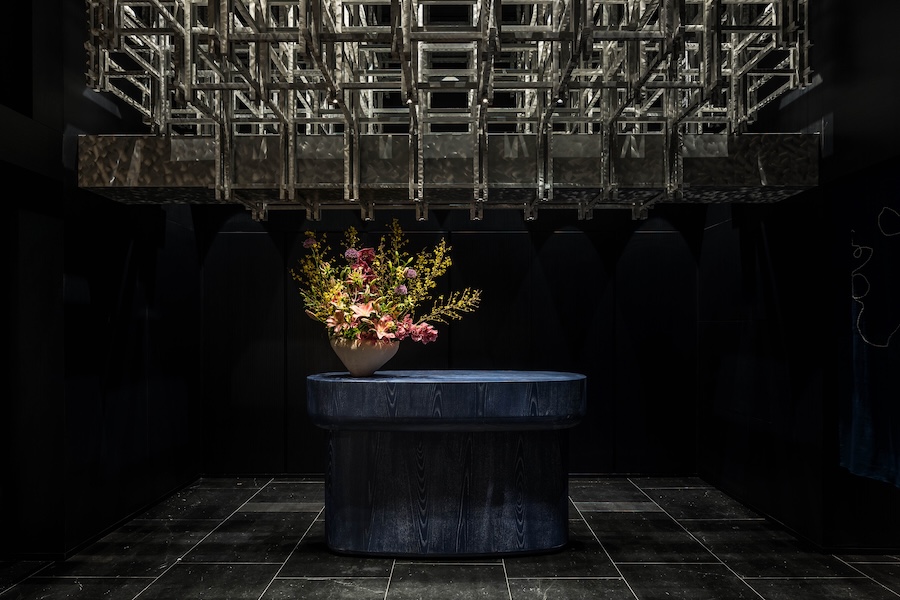
A key element in unifying the venue’s dual levels and bridging the indoor and outdoor realms are the floor-to-ceiling wood screens. These screens are not merely architectural features; they are canvases adorned with motifs inspired by traditional Japanese block prints. Their vertical rhythm creates a visual flow, drawing the eye upwards and establishing a sense of continuity and scale. This design choice not only adds an aesthetic layer of cultural resonance but also contributes to the overall spatial harmony, ensuring that both levels of the restaurant feel connected and cohesive.
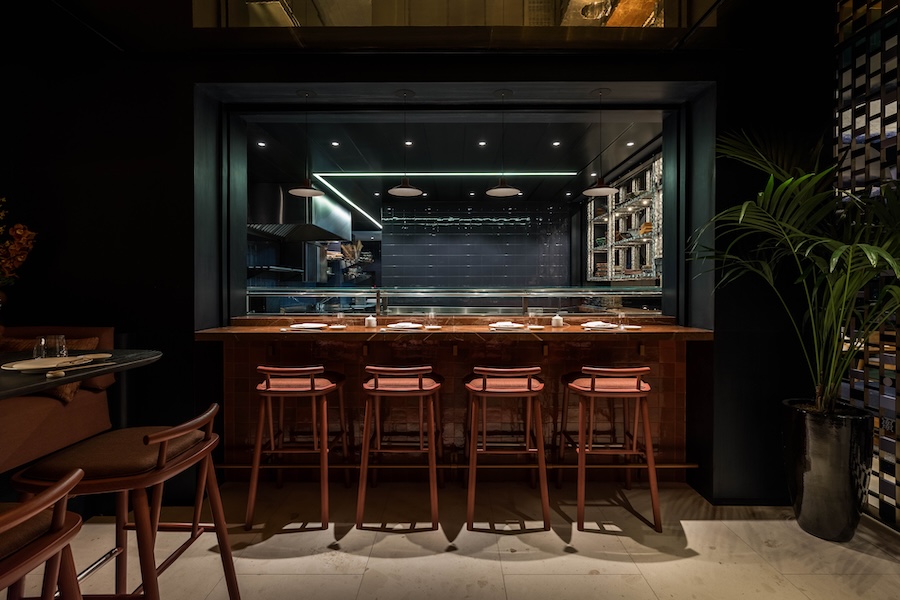
The terrace itself is a thoughtfully curated extension of the Onuki experience, offering distinct zones for varied guest engagement. A dedicated sushi bar invites patrons to witness the art of sushi preparation firsthand, fostering a direct connection with the culinary team. Adjacent to this is a semi-private dining room, distinguished by its sophisticated indigo furnishings. This space offers a more intimate setting for smaller groups, providing a sense of exclusivity without sacrificing the restaurant’s overall ambiance. Dominating the terrace is a striking, large-scale painting by Athens-based artist Sofia Stevi. This significant artwork serves as a visual anchor for the outdoor space, further embedding the restaurant within its local context while offering a powerful artistic statement. Further enhancing the connection between the Japanese and Greek aesthetic identities, sculptural lighting fixtures in serene white and vibrant Aegean blue are strategically placed throughout the terrace. These lighting elements act as subtle yet impactful connectors, weaving together the distinct cultural inspirations that define Onuki.
Intimate Upper-Level Dining: A Haven of Refined Privacy
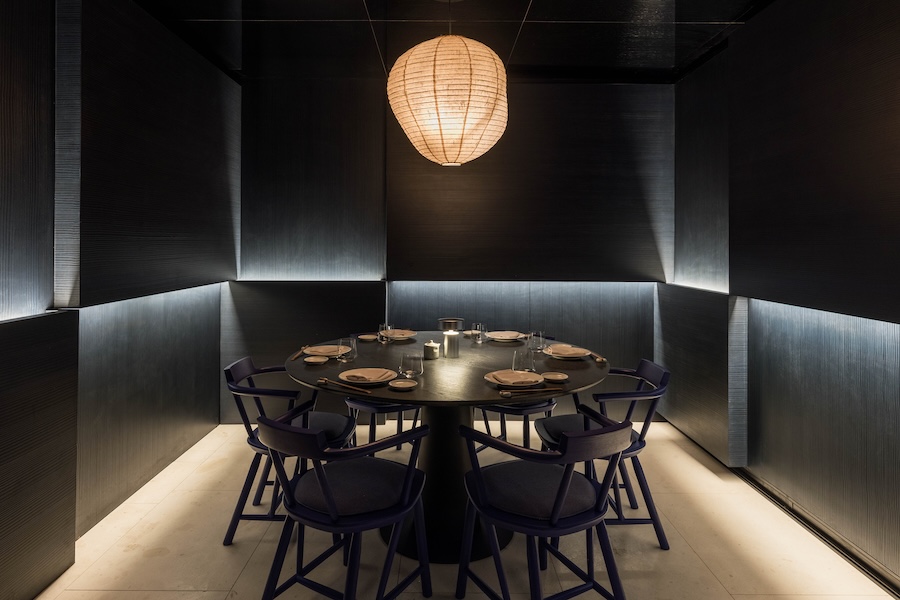
The upper level of Onuki offers a distinct departure from the more communal energy of the main dining areas, providing a sanctuary of refined privacy. Here, modular dining alcoves have been meticulously designed to offer a quiet retreat for guests seeking a more intimate experience. These spaces are defined by translucent, shoji-inspired panels, a nod to traditional Japanese architecture that imbues the area with a sense of calm and elegance. Adding a unique artistic dimension, these panels feature bespoke artwork by local artist Katerina Charou, further integrating the restaurant with the creative spirit of Athens.
The ingenuity of these dynamic dividers lies in their adaptability. They can be opened to seamlessly accommodate larger gatherings, fostering a sense of shared celebration, or closed to ensure complete privacy for those seeking a more secluded dining experience. Crucially, even when closed, these panels maintain a visual connection to the lively energy of the main restaurant below. This allows guests in the upper-level alcoves to remain visually engaged with the restaurant’s vibrant atmosphere, creating a sense of connection without compromising their sense of personal space. This thoughtful approach to spatial design ensures that each guest can tailor their Onuki experience to their specific desires, whether seeking lively engagement or tranquil seclusion.
Reflecting on the design ethos, George Yabu and Glenn Pushelberg, co-founders of Yabu Pushelberg, articulated their vision: "Within the realm of Japanese cuisine and refined hospitality, Onuki implies integrity, consistency of craft, and a depth of precision. These attributes carry through the design, the food, and the service, all working in unison. The precision inherent in the chef’s creations and the subtly attentive service is reinforced by an interior that’s crafted with the same level of intention." This statement underscores the holistic approach taken by the design firm, aiming to create a dining experience where every element, from the architectural details to the culinary presentation, resonates with a singular commitment to excellence.
Context and Culinary Philosophy: The Onuki Expansion
The expansion of Onuki to the Ilisian in Athens represents a strategic move to introduce its acclaimed modern Japanese concept to a new, discerning audience. Originally established at the luxurious Costa Navarino, a premier Mediterranean destination known for its commitment to high-end hospitality and unique cultural experiences, Onuki quickly garnered attention for its innovative approach to Japanese cuisine. Chef Stamatis Skriapas, a visionary in his own right, has consistently championed a philosophy that emphasizes the purity of ingredients, meticulous preparation techniques, and an aesthetic presentation that mirrors the precision of Japanese art.
The choice of the Ilisian, a contemporary luxury hotel in the heart of Athens, for the restaurant’s new iteration is indicative of the evolving urban hospitality scene. As cities like Athens increasingly embrace a globalized approach to culture and cuisine, venues that offer a sophisticated blend of international trends and local charm are poised for success. The poolside location of the new Onuki adds an element of resort-style luxury to the urban setting, offering patrons a unique oasis within the bustling city. This strategic positioning not only enhances the dining experience but also aligns with the broader trend of hotels becoming destinations in themselves, offering curated experiences that extend beyond traditional accommodation.
The development of Onuki at Costa Navarino likely served as a successful pilot program, allowing Skriapas and his team to refine their concept and operational model in a high-stakes environment. The positive reception and critical acclaim garnered at the resort provided a strong foundation for this expansion into a major metropolitan area. The move to Athens allows Onuki to tap into a larger customer base, including both local gourmands and international tourists seeking authentic yet contemporary dining experiences. This expansion signifies a maturing of the brand and a testament to the enduring appeal of thoughtfully executed Japanese cuisine when presented with a distinct point of view.
Broader Implications: Design, Culture, and the Future of Hospitality
The successful integration of Yabu Pushelberg’s design with Chef Skriapas’s culinary vision at Onuki offers valuable insights into the future trajectory of the hospitality industry. The meticulous attention to detail, the deliberate fusion of cultural influences, and the creation of immersive, multi-sensory environments are no longer optional extras but essential components of a compelling guest experience. As consumers become increasingly sophisticated and discerning, they seek not just a meal but a holistic journey that engages all their senses and leaves a lasting impression.
The strategic use of local artistic talent, such as Sofia Stevi and Katerina Charou, alongside established international design firms, demonstrates a growing appreciation for authentic cultural integration. This approach not only enriches the guest experience by providing a deeper connection to the local context but also supports and elevates the regional art and design communities. Onuki’s success in Athens suggests that a balanced approach, one that respects and incorporates local identity while embracing global influences, is a winning formula for contemporary hospitality ventures.
Furthermore, the investment in high-caliber design, as exemplified by Yabu Pushelberg’s work, underscores the understanding that the physical environment plays a crucial role in shaping brand perception and customer loyalty. In a competitive market, the ambiance and aesthetic of a restaurant can be as powerful a draw as the menu itself. The ability to create spaces that are both visually stunning and functionally superior, catering to diverse needs from intimate gatherings to lively social occasions, is a hallmark of forward-thinking hospitality design. Onuki, through its thoughtful execution, sets a high benchmark for future projects seeking to marry culinary excellence with exceptional spatial design in urban and resort settings alike. This venture exemplifies a growing trend where restaurants are conceived not just as places to eat, but as curated destinations that offer a complete sensory and cultural immersion.


 Anjar Salim
 Chandra Hamzah
 Tatiana Tantri Indah Sari
 Budi Mulyono

