
 Anjar Salim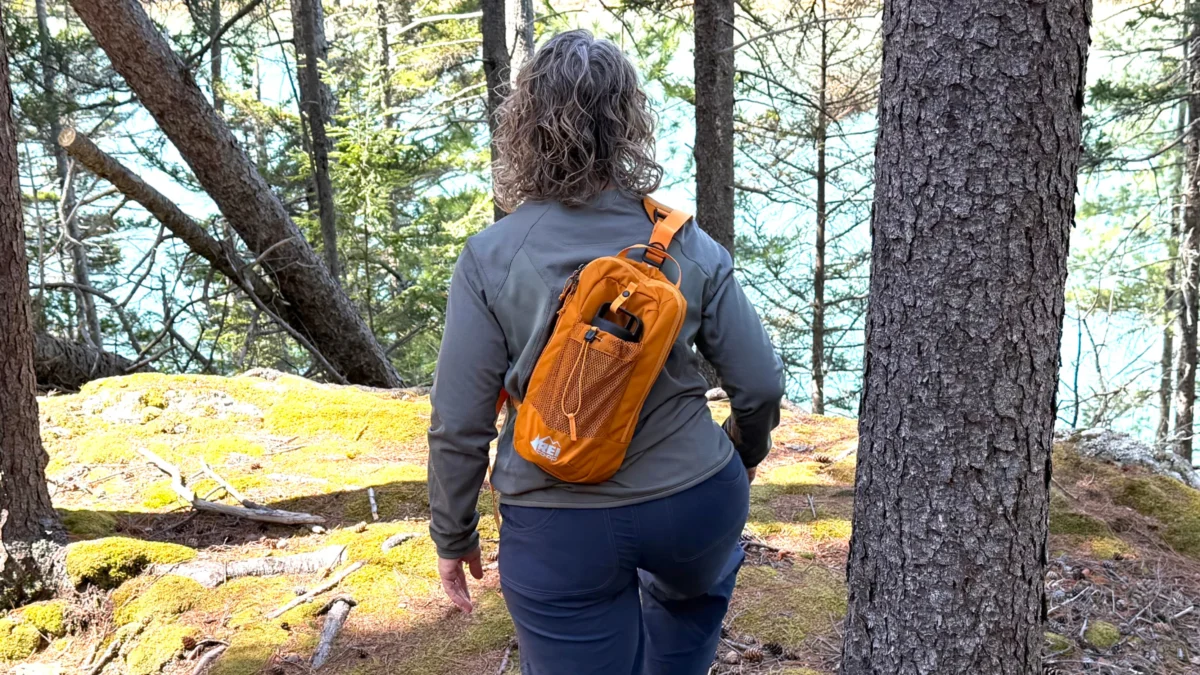
The release of the REI Co-op Trailmade Hydration Sling in the spring of 2026 has solidified a growing trend within the outdoor recreation industry: the move toward ultra-minimalist gear designed for short-duration excursions. As trail networks in metropolitan and suburban areas expand, consumer behavior is shifting away from traditional, high-capacity daypacks in favor of streamlined solutions that prioritize breathability and essential-only storage. This transition, described by industry experts as the "new school" of hiking, reflects a broader cultural change in how individuals engage with the outdoors—moving from high-intensity expeditions to frequent, lower-impact "micro-adventures."
The Evolution of the Trailmade Series and Product Specifications
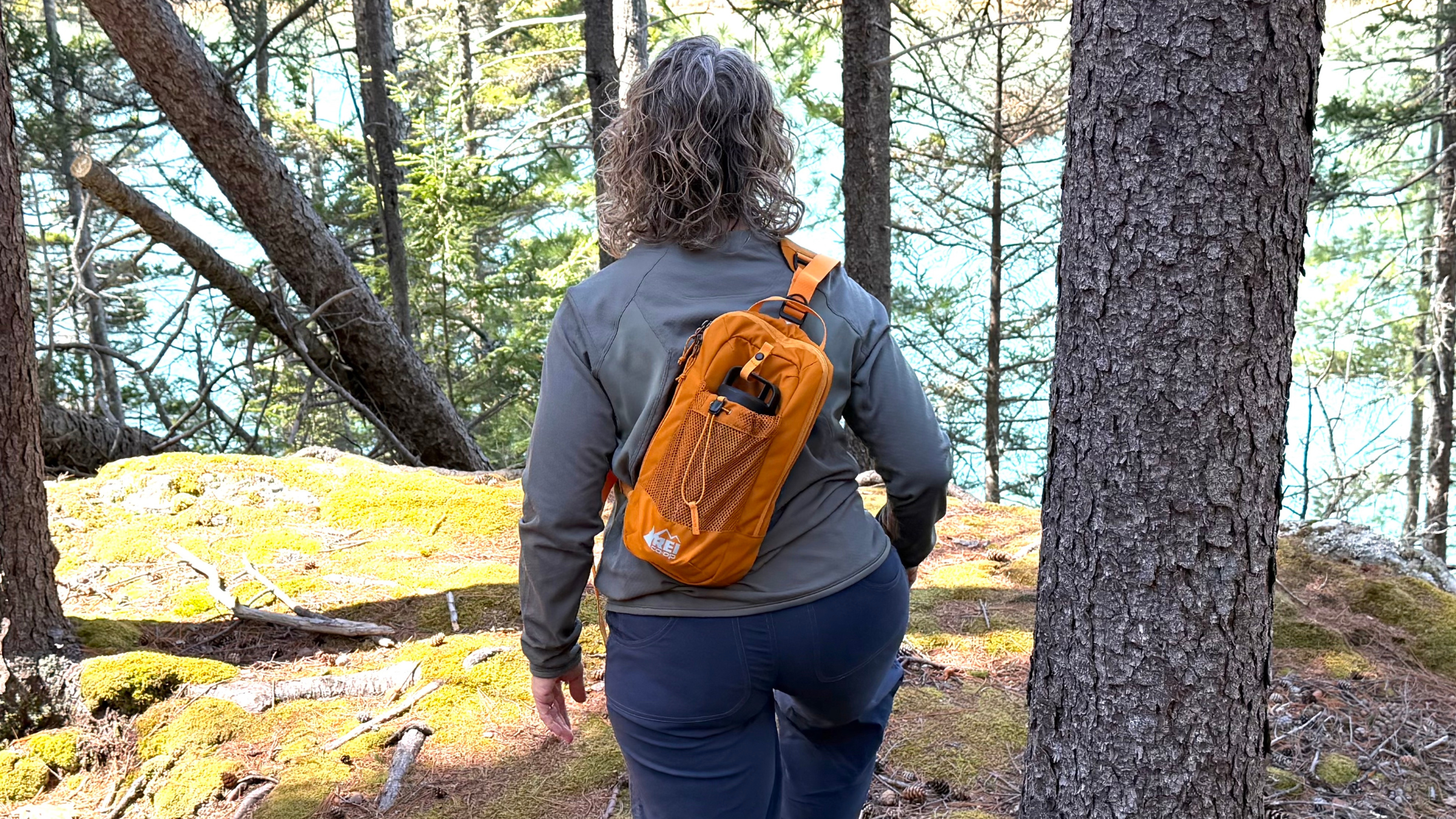
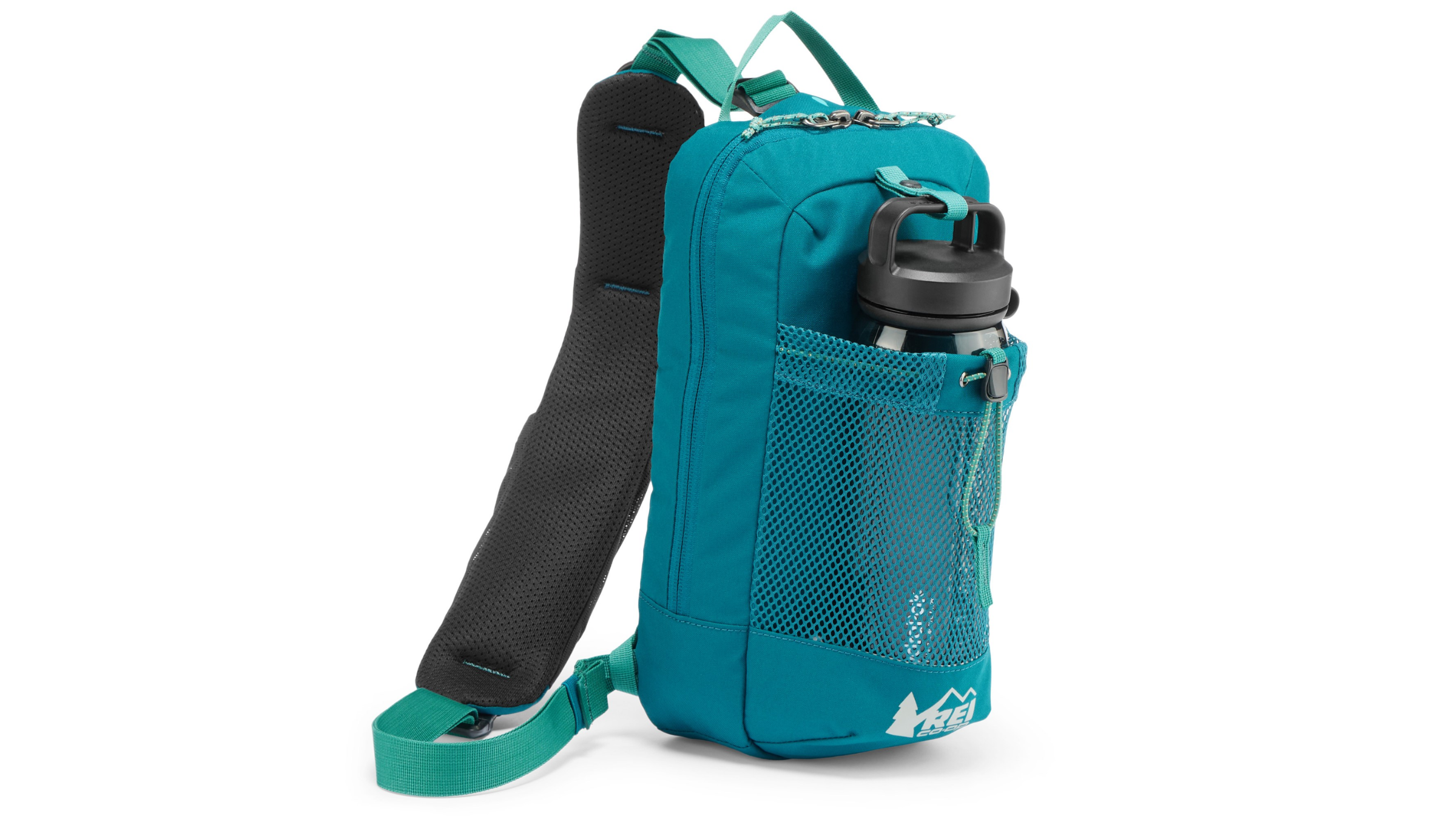
The Trailmade Hydration Sling is the latest addition to REI’s budget-friendly and accessibility-focused Trailmade line. Launched originally to lower the barrier to entry for novice hikers, the line has evolved to address the specific ergonomic needs of experienced enthusiasts who find traditional gear cumbersome for daily use. The sling features a 4.5-liter zippered main compartment, designed specifically to house a lightweight outer layer, such as a rain shell or windbreaker, alongside small personal items.
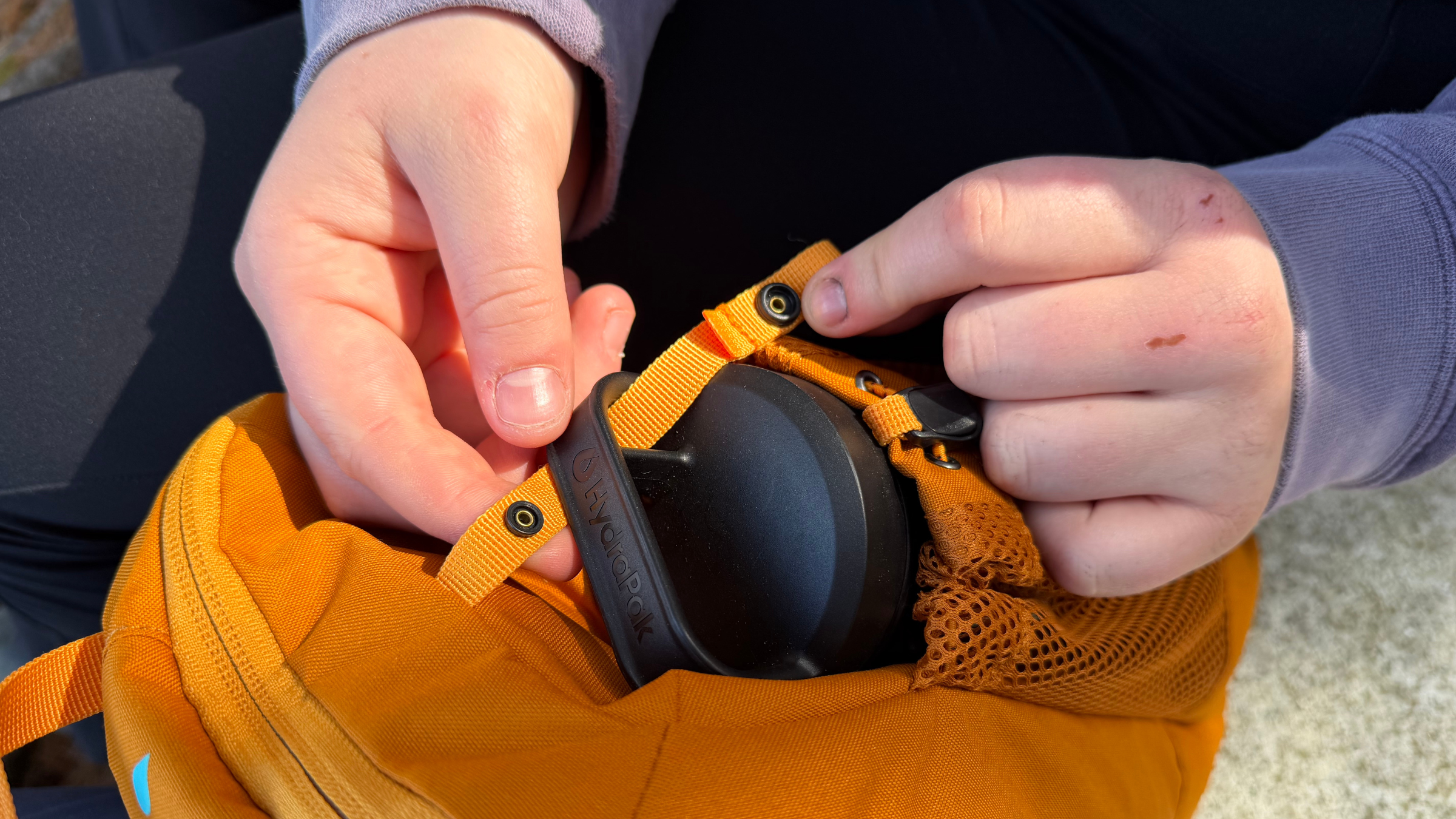
One of the primary technical highlights of the sling is the integration of a 24-ounce HydraPak water bottle, which is secured in an exterior mesh pocket via a cinch-top closure and a webbing loop. Unlike traditional hydration bladders that require complex cleaning and can shift weight awkwardly in a half-empty pack, the bottle-centric design of the Trailmade sling offers immediate access and simplified maintenance. The strap system is built with high-ventilation padding on both the shoulder contact point and the back panel, a design choice intended to mitigate the "sweaty-back" phenomenon common with larger, full-contact backpacks.
Chronology of the Minimalist Hiking Movement
The shift toward minimalist hiking gear did not occur in a vacuum. To understand the relevance of the REI Trailmade Sling, one must look at the timeline of hydration and carry solutions over the last two decades:
- 2005–2015: The Era of the Multi-Day Daypack. During this period, the "Ten Essentials" philosophy dominated. Even for short hikes, consumers were encouraged to carry 20- to 30-liter packs capable of holding emergency shelters, extra rations, and multiple liters of water.
- 2016–2021: The Rise of the Hydration Vest. Borrowing from trail running technology, hikers began adopting "vest-style" packs that distributed weight across the chest. This marked the first significant move toward reducing the bulk of traditional frames.
- 2022–2025: The Post-Pandemic "Micro-Hike." As remote work became standardized, a surge in weekday, short-duration hiking occurred. Users began demanding gear that could transition from a morning trail walk to an urban environment without the aesthetic or physical weight of technical mountain gear.
- 2026: The Minimalist Sling Standard. The debut of the Trailmade Sling represents the culmination of these trends, providing a specialized tool for the 60- to 120-minute hike that characterizes the majority of modern trail usage.
Technical Analysis of Capacity and Load Distribution
Field testing of the Trailmade Sling, conducted on technical terrain such as the Devil’s Back loop in Harpswell, Maine, provides data on the unit’s operational limits. While a 4.5-liter capacity may seem restrictive compared to a standard 25-liter Patagonia or a 30-liter Black Diamond pack, it is mathematically sufficient for the requirements of a short-range hiker.
The primary compartment comfortably accommodates a standard smartphone, a set of keys, a high-capacity battery pack, and a lightweight emergency layer. The inclusion of a mesh sleeve on the shoulder strap allows for the storage of sunglasses or quick-access electronics. Data from ergonomic testing suggests that the cross-body orientation of a sling can reduce the center of gravity compared to a traditional backpack, though it requires a secure fit to prevent the "riding up" of clothing—a known side effect of asymmetrical carry systems.
The weight distribution of the Trailmade Sling is concentrated on a single diagonal axis. This allows for greater rotational freedom of the torso, which is often restricted by the dual-strap and sternum-strap configuration of larger packs. For hikers traversing well-marked, lower-elevation trails, the trade-off between the stability of a 40-liter frame and the mobility of a 4.5-liter sling heavily favors the latter.
The "New School" Philosophy and Official Responses
Jon Almquist, a product manager for REI Co-op Brands, has been vocal about the demographic shifts driving these design choices. According to Almquist, the "new school" hiker is characterized by a more casual, yet frequent, engagement with nature. "The conventional advice to ‘Be Prepared’ has served us well, but it often includes a volume of gear that acts as a deterrent for a quick afternoon walk," Almquist stated during the spring product rollout.
REI’s internal research suggests that a significant portion of their membership now utilizes trails that are within a 20-minute drive of metropolitan centers. For these users, the risk profile is lower, and the proximity to their vehicle or home reduces the necessity for a full survival kit. The Trailmade Sling is REI’s official response to this data, providing a "Goldilocks" solution that offers more utility than carrying a bottle by hand, but less restriction than a traditional daypack.
Industry analysts suggest that this move is also a strategic attempt to capture the "Gorpcore" market—consumers who value technical outdoor aesthetics for daily urban use. The Dragonfly Blue and high-visibility orange colorways of the Trailmade line suggest a dual-purpose intent: functionality on the trail and visibility/style in the city.
Comparative Market Impact and Implications
The introduction of the Trailmade Hydration Sling is expected to pressure other major outdoor retailers, such as Osprey, CamelBak, and Gregory, to expand their minimalist offerings. While these brands have long dominated the hydration reservoir market, the shift back toward bottle-compatible slings indicates a consumer preference for modularity and ease of use.
There are also broader implications for trail sustainability and hiker safety. Minimalist gear encourages faster movement and lower physical fatigue, potentially reducing the number of strain-related injuries on the trail. However, safety experts caution that the "new school" approach must still be tempered with basic preparation. Even on a 90-minute hike, the inclusion of a smartphone battery pack and a water source—both of which the Trailmade Sling facilitates—remains critical.
From an environmental standpoint, the Trailmade line continues REI’s commitment to using recycled materials and sustainable manufacturing processes. By creating durable, specialized gear for short hikes, the company aims to reduce the wear and tear on "over-spec" gear that was never intended for high-frequency, low-intensity use.
Final Assessment of Utility
The REI Co-op Trailmade Hydration Sling is not intended to replace the technical daypack for high-alpine scrambles or all-day excursions where weather patterns are volatile. Instead, it defines a new category of "essentialist" gear. For the modern hiker living in an environment like metropolitan Maine or the suburban Pacific Northwest, where the trail is an extension of the daily routine rather than a weekend-only destination, the sling offers a pragmatic solution to the problem of "gear overkill."
As the outdoor industry continues to adapt to the changing habits of its consumers, the success of the Trailmade Sling will likely serve as a benchmark for future minimalist designs. The balance of 4.5 liters of storage with a dedicated hydration point and a ventilated carry system addresses the core complaints of the modern hiker: heat retention, unnecessary weight, and the physical burden of manual bottle-carrying. In the evolving landscape of outdoor recreation, the Trailmade Sling proves that sometimes, less volume leads to a more expansive experience on the trail.




 Chandra Hamzah
 Tatiana Tantri Indah Sari
 Budi Mulyono
