
 Anjar Salim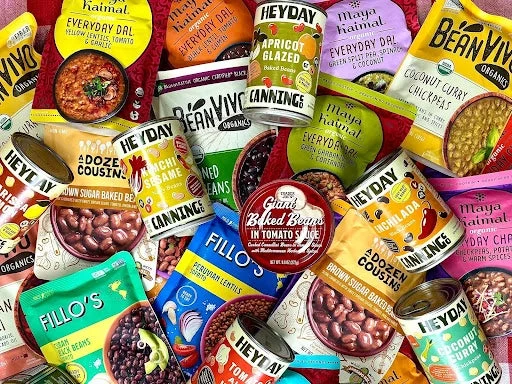
In his 1941 culinary classic Cook It Outdoors, James Beard offered a recipe for baked beans accompanied by a significant caveat regarding the labor-intensive nature of the dish. While acknowledging that beans were the quintessential American outdoor meal—the definitive cowboy fare and a campsite staple—Beard was candid about the convenience of modern processing. "If you think these are better than the really excellent canned ones now available," he wrote, "and if you think they are worth the trouble, go right ahead." This observation established a standard that held for decades: while scratch-made beans were the ideal, the canned version was "excellent" enough to justify the saved labor. However, for the better part of the last 85 years, the canned-bean aisle in American grocery stores remained largely stagnant, even as public perception of canned goods shifted toward a reputation for high sodium, mushy textures, and uninspired flavors. Today, a new wave of culinary entrepreneurs is challenging this long-standing stagnation, seeking to solve the "image problem" of the shelf-stable legume through packaging innovation, global flavor profiles, and a commitment to high-quality ingredients.
From Cowboy Fare to Premium Pantry Staples
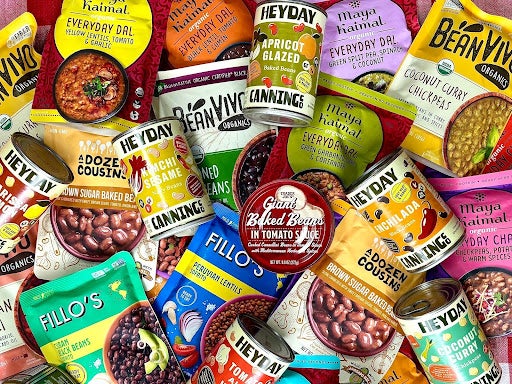
The evolution of the bean category represents a broader shift in the consumer packaged goods (CPG) industry, where "pantry staples" are being reimagined as "premium essentials." For decades, the market was dominated by a handful of legacy brands offering a narrow selection: navy beans in a sugary tomato sauce, plain black beans, or kidney beans in brine. These products were often marketed as ingredients or side dishes rather than complete meals. The modern disruption is characterized by a move toward "meal-ready" solutions that cater to a more diverse and health-conscious palate.
This shift is driven by two primary factors: the "premiumization" of the grocery store and the increasing demand for high-protein, plant-based convenience foods. As consumers move away from highly processed "TV dinners," they are looking for shelf-stable options that offer the nutritional density of home cooking without the hours of preparation. This has opened the door for brands like Fillo’s, Heyday Canning Co., and Maya Kaimal to introduce products that bridge the gap between a raw ingredient and a restaurant-quality meal.
A Chronology of Innovation in the Legume Aisle
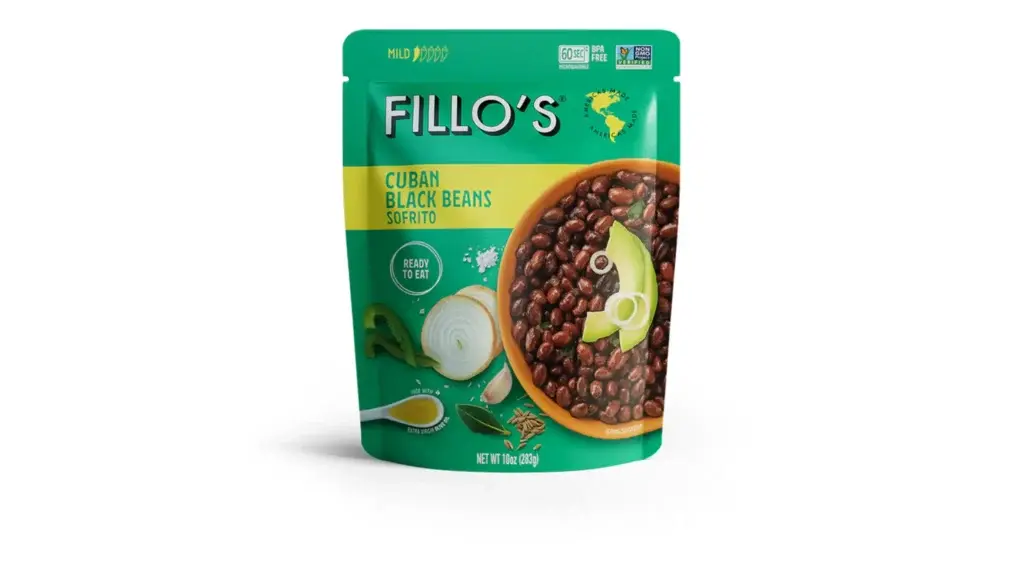
The timeline of this modern bean revolution began in earnest nearly a decade ago. In 2016, brothers Antonio and Daniel Caballero launched the Fillo’s brand, operating initially from a storefront in Aurora, Illinois. Their mission was born from a personal deficit in the marketplace: as the children of a Cuban father and a Panamanian mother, they found themselves lacking the time to prepare the traditional, labor-intensive bean dishes of their youth. Finding no convenient, high-quality solution in retail, they developed a line of seasoned beans packed in multi-layer laminate pouches.
By 2017, the brand gained significant traction when it was picked up by Whole Foods Market. This partnership served as a springboard, and by 2019, Fillo’s products were available in stores nationwide. However, the true "watershed moment" for the entire category arrived with the COVID-19 pandemic in 2020. As supply chains faltered and consumers hunkered down, demand for shelf-stable proteins skyrocketed. By 2021, Fillo’s Cuban Black Beans had become the highest-velocity pouched bean product in the United States. This period of rapid growth validated the concept that consumers were willing to pay a premium for shelf-stable products that did not compromise on cultural authenticity or ingredient quality.
The Material Conflict: Pouch Portability versus Can Recyclability
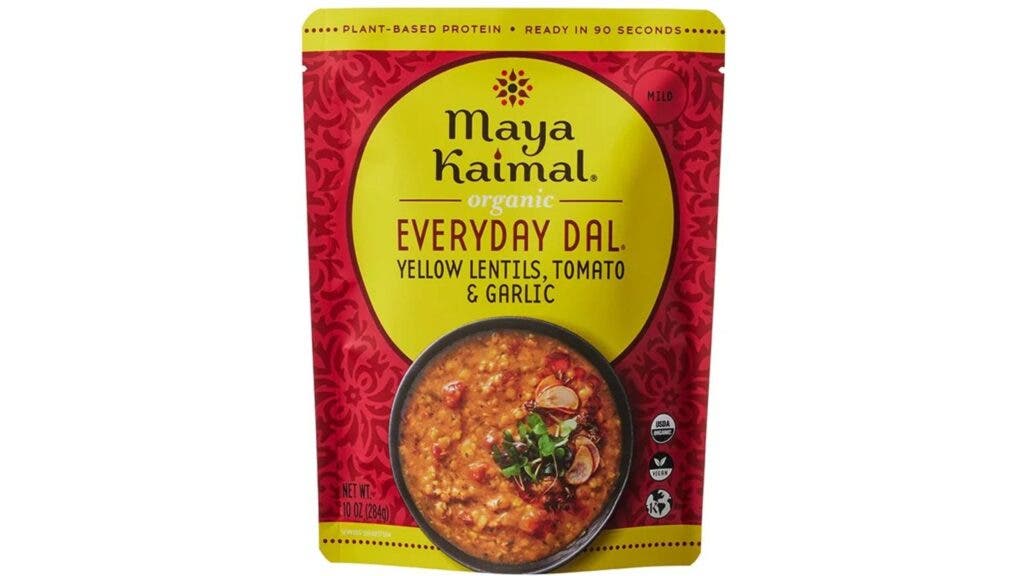
One of the most visible aspects of this disruption is the debate over packaging. For Fillo’s and other "new wave" brands like A Dozen Cousins and Maya Kaimal, the flexible pouch is the preferred medium. The functional benefits are numerous: pouches are lightweight, easy to pack for hikers and campers, and can be placed directly in a microwave for rapid heating. From a manufacturing standpoint, pouches allow for "short, high-temperature cook cycles." According to Fred Schlatter, Fillo’s head of business development, this process ensures that the beans remain whole and vegetables retain their structural integrity rather than being "blasted to smithereens" by the prolonged heat required in traditional canning.
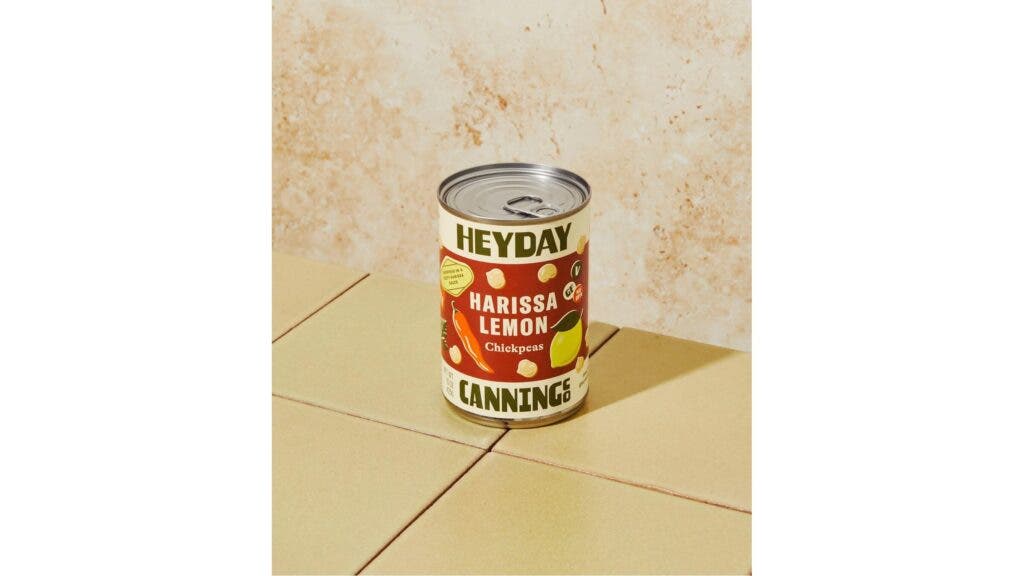
However, the pouch is not without its detractors. Kat Kavner Woolf and Jaime Tulley, who founded Heyday Canning Co. in 2020, deliberately chose to stick with the traditional metal can, citing environmental concerns. "Why would we be putting anything in a plastic pouch that’s going to landfill?" Woolf noted, pointing out that while pouches reduce shipping weight and carbon footprints during transit, they are currently not recyclable in most municipal systems. Conversely, steel and aluminum cans are among the most recycled packaging materials in the world. Heyday also leaned into the "retro" aesthetic of the can, using bright, nostalgic label designs to signal a "juicy challenge" to the industry: proving that the can itself wasn’t the problem, but rather the quality of what was put inside it.
Culinary Sophistication and the Sofrito Foundation
The most significant differentiator for these upstart brands is the complexity of their flavor bases. Traditional canned beans are typically cooked in water and salt, sometimes with a small amount of sugar or calcium chloride to maintain firmness. In contrast, the new generation of beans begins with a "sofrito"—the aromatic foundation of Latin American and Caribbean cuisine.
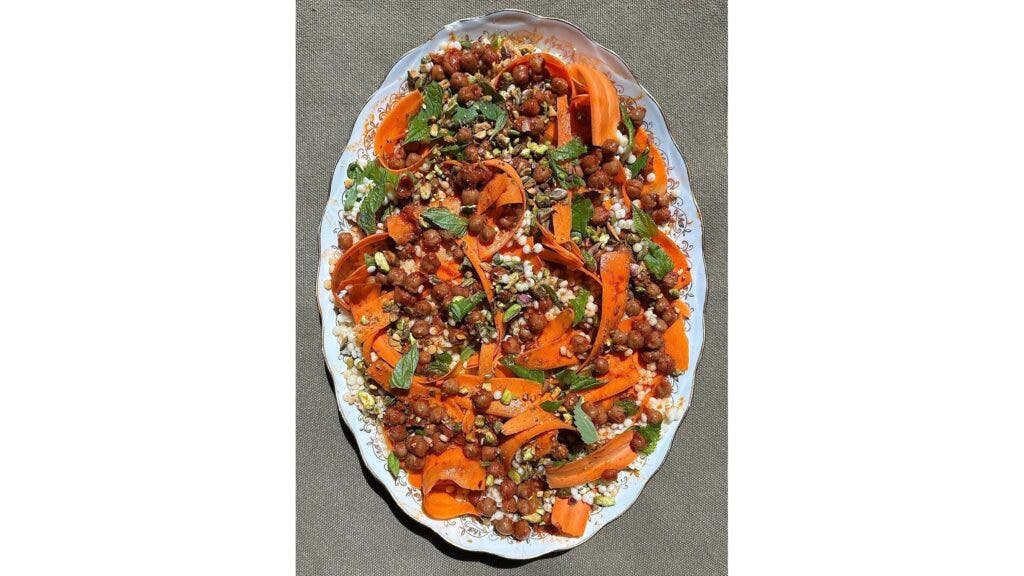
Fillo’s, for instance, utilizes a traditional blend of diced aromatics, herbs, and spices gently cooked in extra-virgin olive oil. This use of fresh vegetables and high-quality oil is a rarity in large-scale food processing due to the logistical challenges of handling fresh produce. Similarly, Heyday Canning Co. incorporates ingredients rarely seen in the canned aisle, such as fresh kimchi, toasted sesame oil, ginger, and rosewater. Their Kimchi Sesame Navy Beans and Harissa Lemon Chickpeas represent a level of culinary ambition that targets a "foodie" demographic that previously avoided the canned goods aisle.
The Economic Reality: The "Math" of Quality Ingredients
This culinary elevation comes with a higher price point, posing a challenge to the long-held perception of beans as a "budget" food. In a standard supermarket, a 15-ounce can of store-brand beans might sell for $1.00 to $1.99. In contrast, premium brands like Heyday sell for approximately $3.50, while pouched varieties from Fillo’s or Maya Kaimal often exceed $4.00 for a smaller 10-ounce serving.
Industry founders argue that this pricing is a direct reflection of ingredient costs and ethical sourcing. "You just can’t make something truly delicious from quality ingredients, with a health profile you feel great about eating, and still sell it for $1.99," Woolf stated. "The math does not math." This segment of the market is banking on the "value-added" proposition—that a $4.00 pouch of beans serves as a nearly complete, healthy meal, which is still significantly cheaper than a fast-casual salad or a frozen entree.
Nutritional Profiles and the Sodium Consideration
While these new products are marketed as health-conscious options—boasting high fiber, plant-based protein, and organic certifications—they are not exempt from the traditional pitfalls of shelf-stable food, namely sodium. Market analysis shows that while many of these brands use sea salt and avoid artificial preservatives, the sodium content can still be relatively high to balance the complex spices.
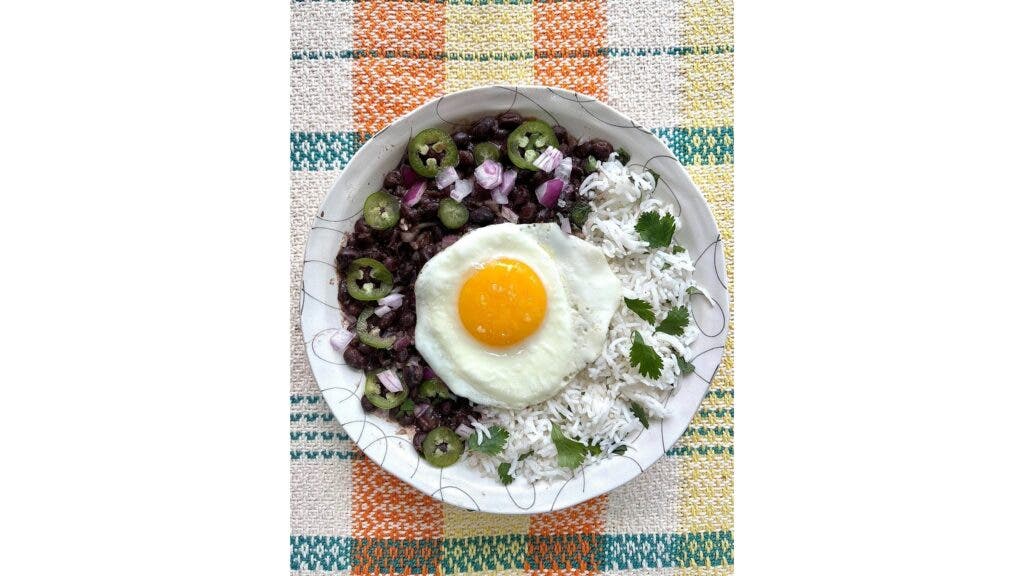
However, data suggests that these levels are often lower than those found in traditional frozen "healthy" meals. Furthermore, many consumers utilize these beans as a "starter" or a "sauce," stretching the servings by adding rice, fresh greens, or proteins. This "semi-homemade" approach allows consumers to control their overall salt intake while still benefiting from the convenience of a pre-seasoned base.
Broader Impact and Industry Implications
The success of these "disruptor" brands has not gone unnoticed by legacy food conglomerates. The "pouching" of the bean aisle is a trend that is expected to continue as more consumers prioritize portability for outdoor activities and office lunches. The rise of brands like BeanVivo Organics, which emphasizes traceable ingredients and climate-friendly farming practices, also highlights a growing consumer interest in the environmental impact of their protein choices.
The transformation of the bean aisle serves as a case study for the modernization of the entire "middle of the store." By focusing on cultural authenticity, chef-driven flavors, and innovative packaging, these companies have turned a 19th-century staple into a 21st-century trend. As James Beard noted in 1941, the convenience of the canned bean was always its greatest strength; today, that convenience is finally being matched by a level of quality that makes the "hassle" of cooking from scratch increasingly unnecessary for the modern consumer.




 Dwi Wanna
 Budi Mulyono
 Lukman Taruna Persada Ramadan
 Chandra Hamzah
 Gabriela Annisa