Anjar Salim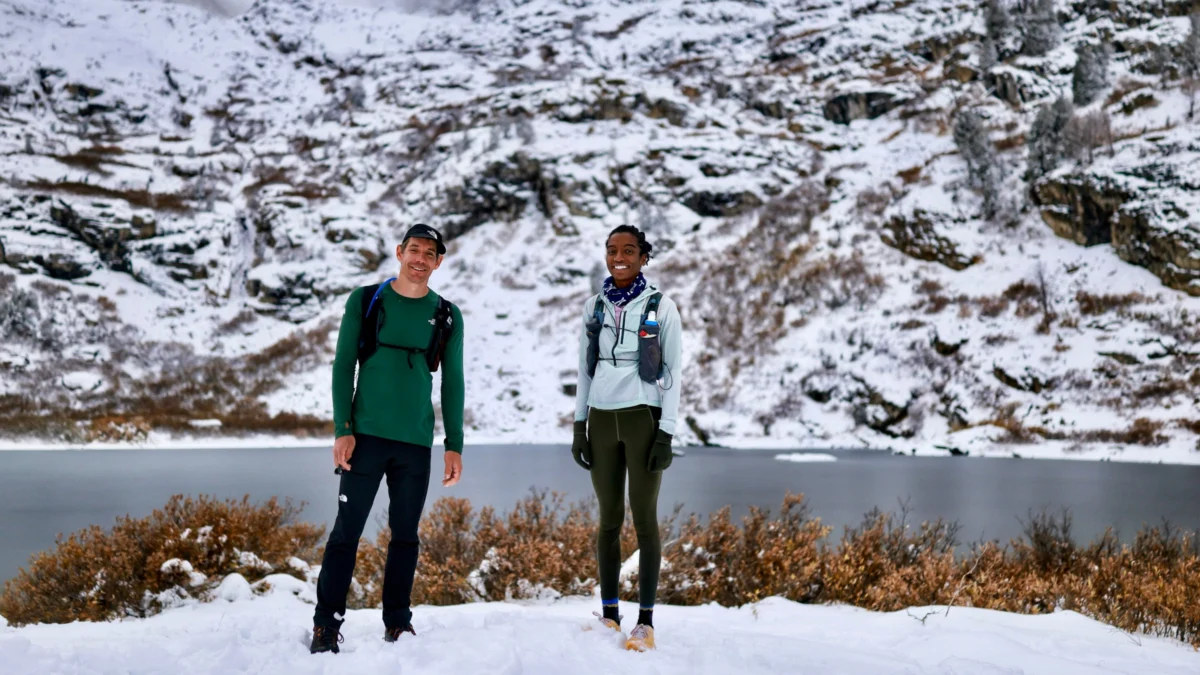
The fifth and final installment of the travel documentary series, Get a Little Out There with Alex Honnold, was released on April 21, 2026, marking a significant shift in the narrative of world-renowned climber Alex Honnold. While Honnold is globally recognized for his historic free solo ascent of El Capitan, this episode focuses on his home state of Nevada, moving beyond the vertical granite of Yosemite to explore the intersection of high-altitude endurance and the deep-rooted cultural traditions of the Great Basin. The episode, produced in collaboration with Travel Nevada, serves as both an athletic showcase and a cultural survey of the Elko region, specifically focusing on the Ruby Mountains and the area’s unique Basque and Western heritage.
The Geographic and Athletic Context of the Ruby Mountains
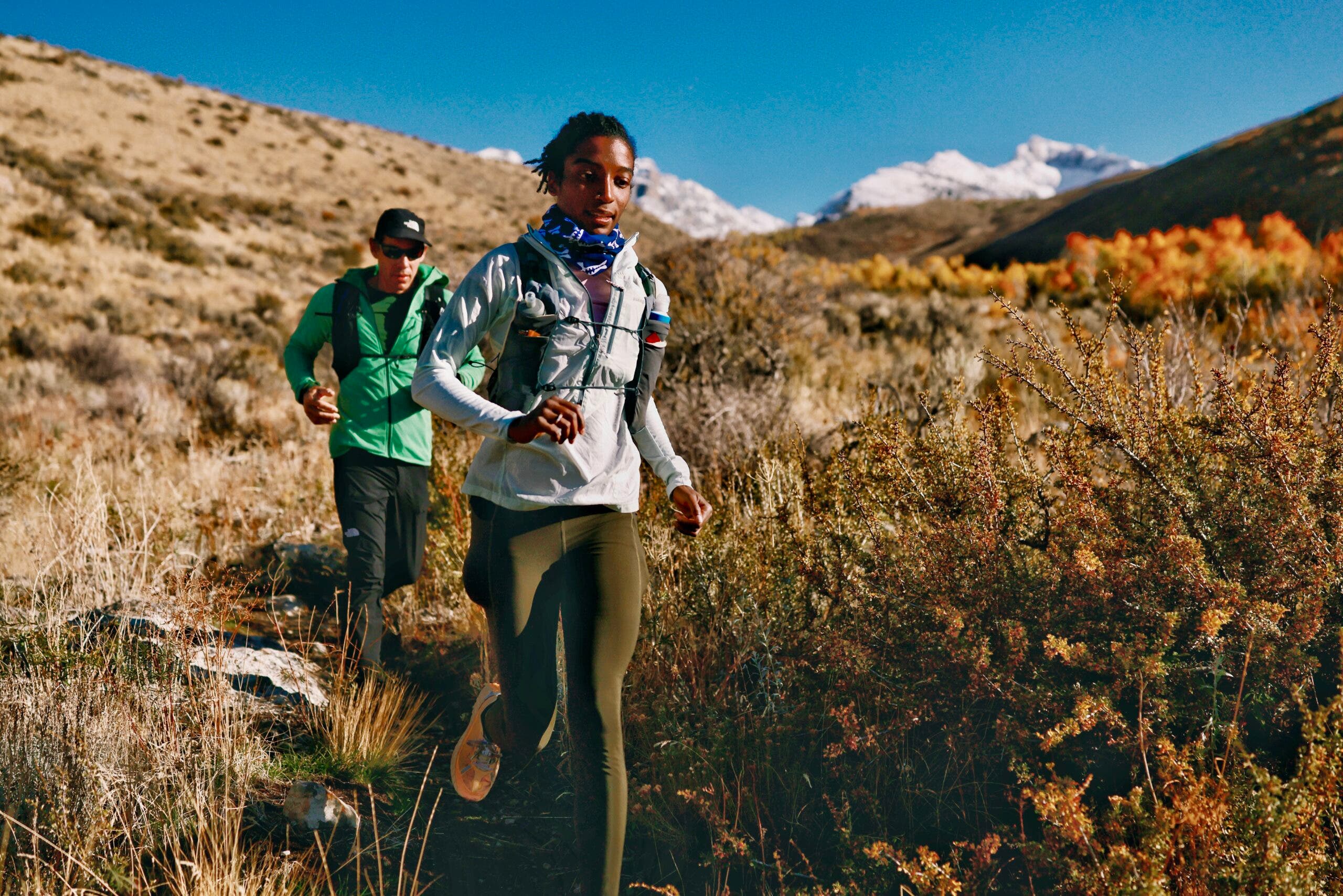
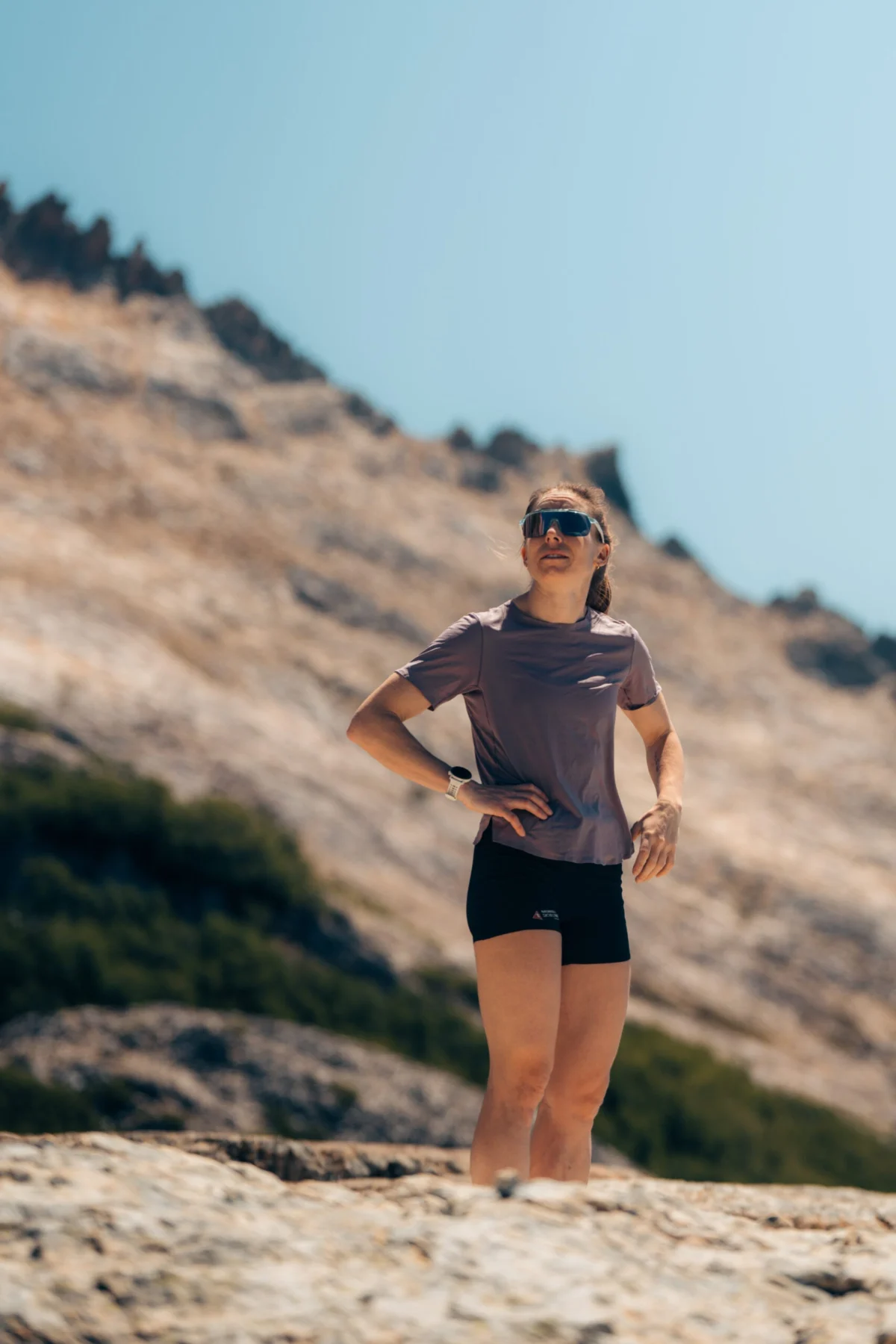
The centerpiece of the episode’s physical challenge is an ascent of Ruby Dome, the highest peak in the Ruby Mountains. Standing at 11,387 feet, Ruby Dome represents a significant objective for alpine runners and hikers. Honnold is joined by ultrarunner Peyton Thomas, a researcher and athlete known for her work in environmental physiology and high-performance endurance.
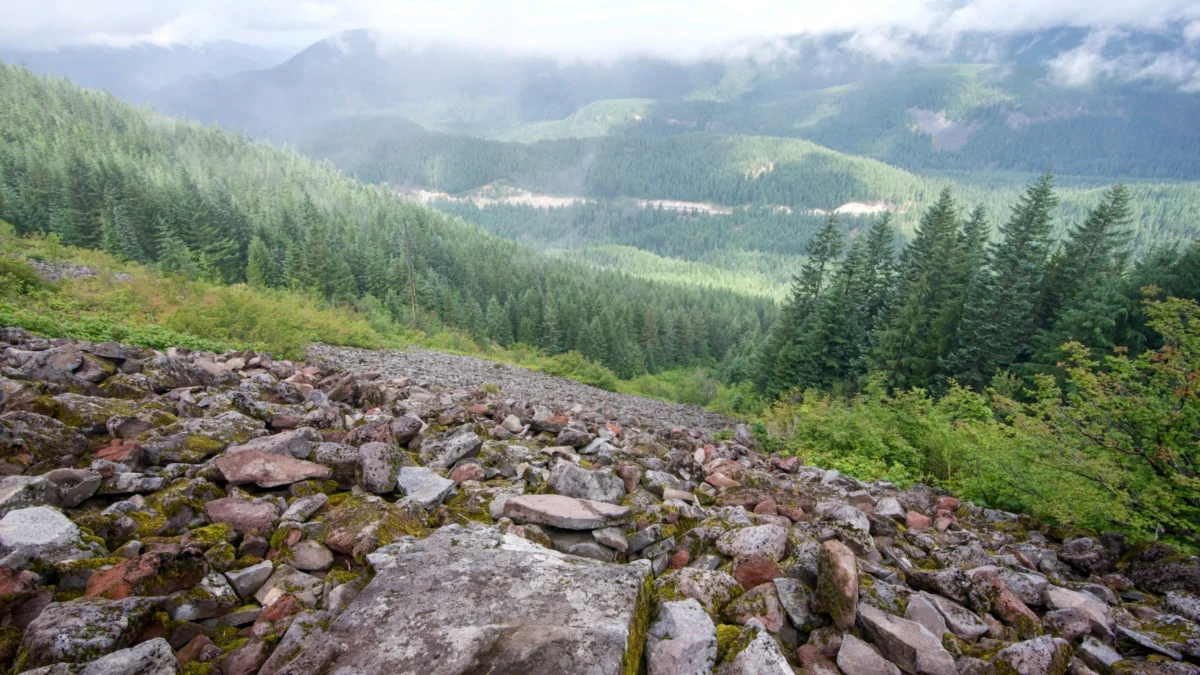
The route taken by Honnold and Thomas via Hennen Canyon is characterized by its extreme vertical gain. The trail ascends approximately 5,000 feet over a distance of slightly less than five miles. In the context of mountain sports, a gradient of 1,000 feet per mile is classified as "strenuous" to "extreme," requiring not only cardiovascular fitness but also technical footwork over varied terrain.
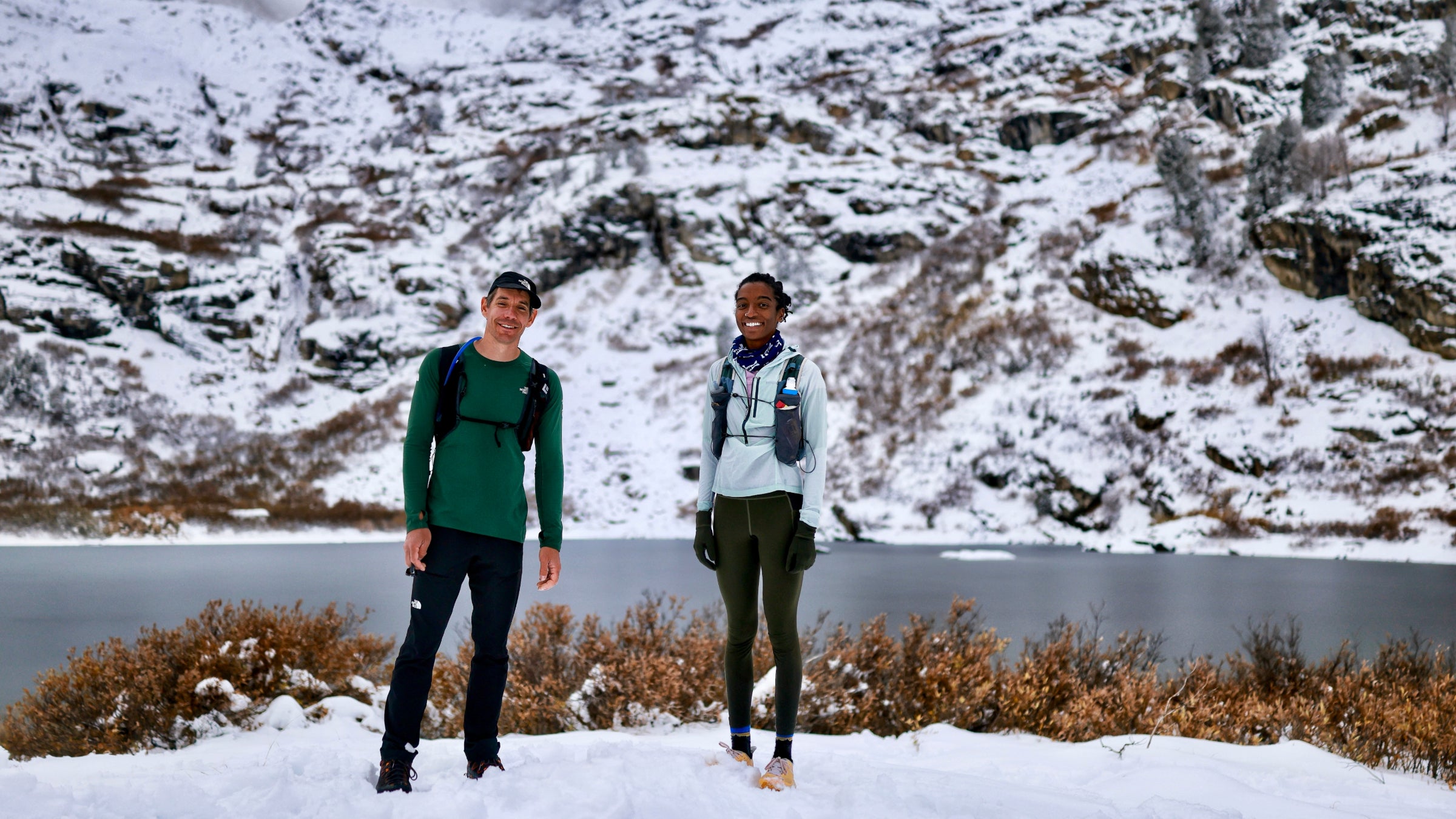
The Ruby Mountains, often referred to as the "Swiss Alps of Nevada," are a glaciated range located in the northeastern part of the state. Unlike the arid basins that surround them, the Rubies are characterized by hanging valleys, alpine lakes—such as Griswold Lake, featured in the episode—and heavy winter snowpacks. This geography allows for a diverse range of outdoor activities, from the Ruby Crest National Recreation Trail, a 38-mile high-altitude trek, to the Lamoille Canyon Scenic Byway, which provides vehicle access to the base of these alpine environments. The inclusion of this segment highlights Nevada’s growing reputation as a premier destination for "fastpacking" and technical trail running, a sector of the outdoor industry that has seen a 15% increase in participation over the last five years.
Preservation of Basque Cultural Heritage in the Silver State
Beyond the physical exertion in the Ruby Mountains, the episode delves into the social fabric of Elko, specifically the legacy of the Basque people. The Basque presence in Nevada dates back to the mid-19th century. Originally arriving during the Gold Rush, many Basque immigrants from the Pyrenees mountains between France and Spain transitioned into the sheep-herding industry, finding the rugged terrain of the Great Basin similar to their homeland.
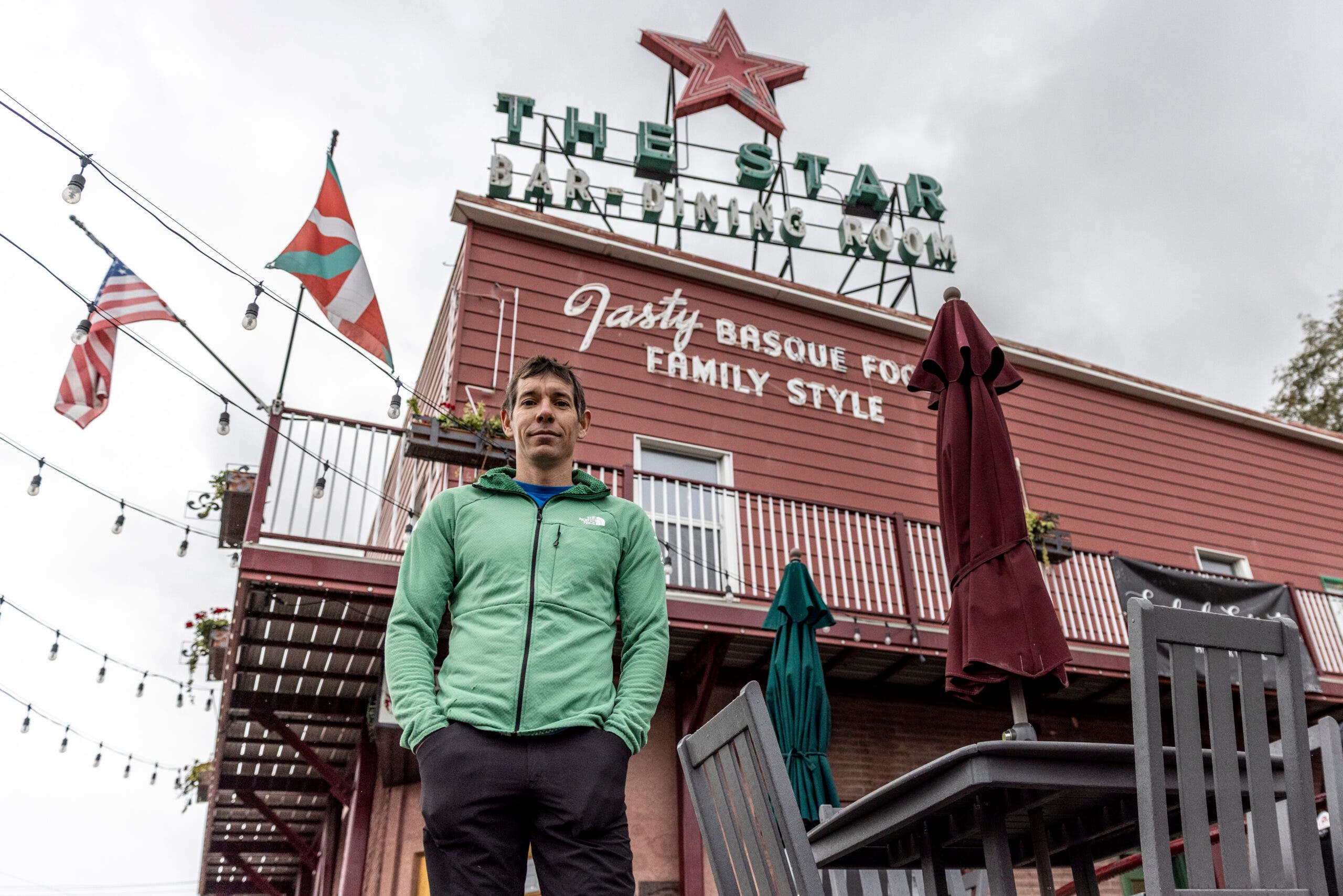
Honnold’s visit to The Star Hotel & Bar in Elko provides a window into this history. Established in 1910, The Star originally served as a boarding house for Basque shepherds who spent months in isolation tending flocks. These hotels became vital social hubs where the community could speak their native language, Euskara, and share communal meals.
A key cultural artifact highlighted in the series is the Picon Punch. While its exact origins are debated, it is widely considered the "unofficial" state drink of Nevada and a staple of Basque-American culture. The cocktail, consisting of Amer Picon (or a substitute like Torani Amer), brandy, grenadine, and sparkling water, serves as a symbol of the enduring influence of the Basque diaspora on Nevada’s hospitality industry.
The Art of the Buckaroo: Craftsmanship and Folklife
The episode further examines the "Buckaroo" culture of Northern Nevada, which differs from the "Cowboy" traditions of Texas or the Southwest. The term "Buckaroo" is a corruption of the Spanish word vaquero, and the style is characterized by specific gear and horsemanship techniques influenced by California’s Spanish missions.
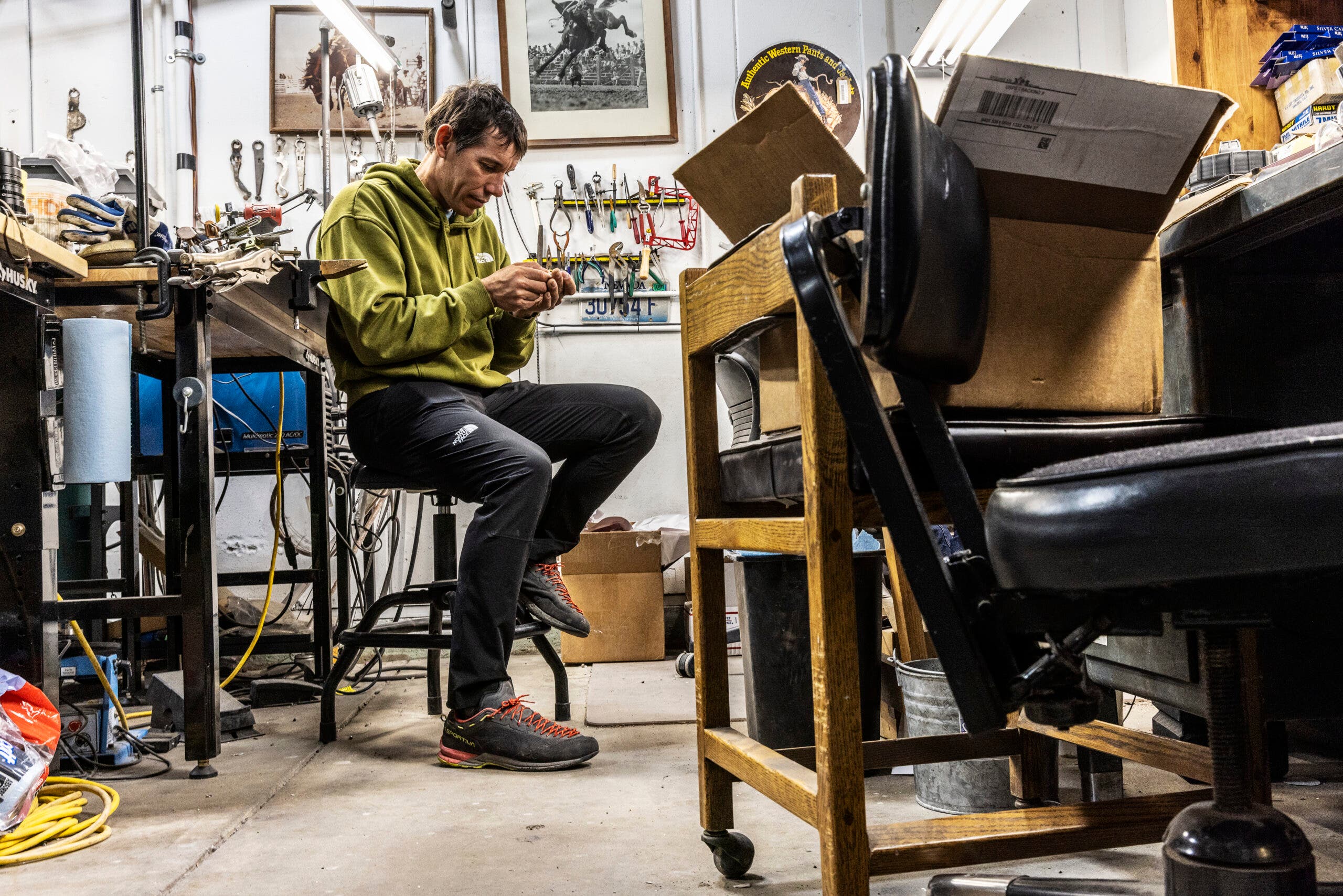
Honnold visits J.M. Capriola and Garcia Bits and Spurs, a cornerstone of Western craftsmanship in Elko. The Garcia brand, which dates back to 1896, is world-renowned for its intricate silver-inlaid bits and spurs. This segment emphasizes the preservation of artisanal skills that are increasingly rare in an era of mass production. The process of hand-tooling leather and engraving silver is presented not merely as a commercial enterprise but as a form of functional art that sustains the regional economy and identity.
Complementing this exploration of physical crafts is a visit to the Western Folklife Center. This institution is responsible for the National Cowboy Poetry Gathering, an annual event held in January that draws thousands of visitors to Elko. The gathering was established in 1985 to provide a platform for those working in the ranching industry to share their oral traditions, music, and poetry. By featuring this, the episode contextualizes Nevada as a place where the "Old West" is a living, breathing culture rather than a static historical exhibit.
Chronology of the "Get a Little Out There" Series
The release of Episode 5 concludes a strategic content rollout designed to showcase diverse geographical regions. The series timeline is as follows:
- Episode 1: Exploration of desert climbing and conservation efforts in Southern Nevada.
- Episode 2: Focus on water sports and the geological history of Nevada’s ancient lake beds.
- Episode 3: Investigation of "Ghost Towns" and the mining boom-and-bust cycles that shaped the state’s borders.
- Episode 4: High-altitude mountain biking and the development of sustainable trail systems.
- Episode 5 (Finale): The Ruby Mountains and the cultural synthesis of Elko (Released April 21, 2026).
This chronology reflects a broader trend in travel media where professional athletes are utilized as "cultural ambassadors." By leveraging Honnold’s global reach—he has millions of followers across social platforms—the series aims to redirect tourist traffic from the concentrated corridor of the Las Vegas Strip toward the rural "Great Basin Highway" and the "Cowboy Corridor" (Interstate 80).
Economic Implications and Tourism Strategy
The production of Get a Little Out There is part of a calculated effort by Travel Nevada to bolster the state’s outdoor recreation economy. According to data from the U.S. Bureau of Economic Analysis, outdoor recreation accounts for approximately 2.2% of Nevada’s GDP, contributing billions of dollars annually. However, much of this economic activity has historically been concentrated around Lake Tahoe and Red Rock Canyon.
By highlighting Elko and the Ruby Mountains, the state is positioning itself to capture a larger share of the "adventure tourism" market. This demographic typically stays longer in a destination and spends more on local services, such as guides, specialized gear, and boutique hospitality, compared to traditional sightseers.
Travel Nevada officials have indicated that partnerships with high-profile figures like Honnold are essential for changing public perception. "The goal is to show that Nevada is more than just a neon skyline," a spokesperson for the organization noted in a recent briefing. "It is a place of profound silence, immense scale, and a heritage that is still being written by the people who live here."
Broader Impact and Implications
The significance of this episode lies in its synthesis of elite athleticism and local history. For Alex Honnold, the series represents a maturation of his public persona. He is no longer just the man who climbed a wall without a rope; he is an explorer of human and natural landscapes.
Furthermore, the episode highlights the importance of "responsible recreation." As more people head to remote areas like the Ruby Mountains, the pressure on fragile alpine ecosystems increases. The series subtly emphasizes the "Leave No Trace" philosophy, ensuring that the surge in interest does not lead to the degradation of the very trails and peaks it celebrates.
In conclusion, the fifth episode of Get a Little Out There with Alex Honnold provides a comprehensive look at a region of the United States that is often overlooked. By combining the data-driven realities of high-altitude endurance with the rich, narrative-driven history of the Basque and Buckaroo cultures, the series offers a nuanced portrait of Nevada. It suggests that the true spirit of the American West is found not in its myths, but in the enduring craftsmanship, communal traditions, and rugged landscapes that continue to define the Silver State in 2026.

 Chandra Hamzah
 Gabriela Annisa
 Tatiana Tantri Indah Sari
 Budi Mulyono