
 Cholid Fahmi Thalib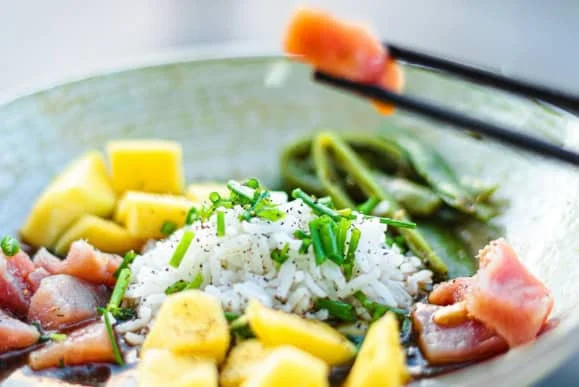
Islands, by their very nature, are unique and captivating destinations. Their isolation fosters distinct ecosystems and cultural practices, often translating into unparalleled culinary experiences. For food lovers, these landmasses surrounded by water present an extraordinary opportunity to indulge in local, fresh cuisine, reflecting the very essence of their culture and natural abundance. From the sun-drenched beaches of the Caribbean to the remote volcanic landscapes of the Pacific, a plethora of exceptional dining experiences await those who seek them. This exploration delves into several island regions renowned for their exceptional food scenes, catering to the "foodie flashpacker" – the traveler who prioritizes culinary exploration.
The Vibrant Tapestry of Caribbean Cuisine
The Caribbean islands are globally celebrated for their vibrant and complex culinary traditions, a rich fusion born from centuries of cultural exchange between African, Indigenous, European, and even Indian and East Asian influences. This diverse heritage manifests in bold, unforgettable flavors that are deeply rooted in the region’s history and agricultural bounty.
A Foundation of Freshness and Spice:
At the heart of Caribbean gastronomy lies an unwavering commitment to fresh, locally sourced ingredients. Seafood, naturally, plays a starring role. Catches are often brought in daily, providing an unparalleled freshness that forms the basis of countless dishes. Whether it’s succulent lobster grilled to perfection in the Turks and Caicos, tender conch fritters characteristic of the Bahamas, or the ubiquitous and flavorful jerk chicken found across Jamaica, the emphasis is on highlighting the natural flavors of the sea.
Beyond seafood, the islands boast an abundance of tropical fruits and vegetables, integral to their cuisine. Rice and peas, a staple accompaniment, is often infused with coconut milk, while fried plantains offer a sweet and savory counterpoint to spicy main courses. The use of aromatic spices, such as scotch bonnet peppers, allspice, thyme, and ginger, is not merely for flavor enhancement but is a fundamental element of the culinary identity, imbuing dishes with a characteristic warmth and depth.
Regional Specialties and Cultural Significance:
Each island possesses its own distinct culinary identity. In Jamaica, beyond jerk chicken, one might encounter the comforting embrace of curry goat, a dish that speaks to the island’s Indo-Jamaican heritage. Barbados is known for its cou-cou, a cornmeal and okra dish often served with flying fish. Trinidad and Tobago offers a unique blend of Indian and Creole flavors, evident in dishes like doubles (a popular street food) and callaloo (a rich soup). The culinary landscape of the Caribbean is a dynamic testament to its history, offering a delicious narrative of migration, trade, and adaptation.
The economic impact of this culinary tourism is significant. The demand for fresh seafood supports local fishing communities, while the cultivation of tropical produce provides livelihoods for farmers. Restaurants and street vendors alike contribute to local economies, creating jobs and fostering a vibrant hospitality sector. Visitors often report that their culinary experiences are among the most memorable aspects of their Caribbean sojourn, leading to repeat visits and positive word-of-mouth, further bolstering the region’s appeal as a gastronomic destination.
Mediterranean Islands: A Celebration of Simplicity and Quality
Stepping into the culinary world of Mediterranean islands like Sicily, Sardinia, and Crete is to enter a realm where the quality of ingredients reigns supreme, and preparation methods are often deceptively simple, allowing the inherent flavors to shine. This region’s cuisine is a testament to its fertile land, abundant sea, and a long history of cross-cultural interactions that have shaped its gastronomic identity.
The Pillars of Mediterranean Flavor:
The foundation of Mediterranean island cooking rests upon a trinity of elements: exceptional produce, pristine seafood, and staple ingredients like olives, cheese, and wine. The sun-drenched climate yields an extraordinary array of fruits and vegetables, bursting with flavor. Tomatoes, eggplants, zucchini, and a variety of leafy greens are central to many dishes, often prepared with minimal intervention to preserve their natural essence.
Seafood is, of course, a vital component. The crystal-clear waters surrounding these islands teem with a diverse range of fish and shellfish, from delicate white fish to robust squid and mussels. These are often grilled, baked, or pan-fried, seasoned simply with olive oil, lemon, and herbs.
Island-Specific Delights:
Sicily, a historical crossroads, boasts a cuisine rich with Arab, Greek, and Norman influences. Iconic dishes like pasta alla Norma, a symphony of local eggplant, tomatoes, basil, and ricotta salata, exemplify this fusion. The island is also renowned for its arancini (fried rice balls) and a dazzling array of pastries and gelato.
Sardinia, with its rugged interior and distinct cultural heritage, is known for its hearty, rustic cuisine. Pecorino Sardo, a firm sheep’s milk cheese, is a national treasure, finding its way into numerous dishes. Traditional meat preparations, such as porceddu (roast suckling pig), showcase the island’s pastoral traditions.
Crete, the largest of the Greek islands, offers a culinary experience deeply intertwined with the Mediterranean diet’s principles. Meze platters, featuring small, flavorful dishes like tzatziki (yogurt, cucumber, and garlic dip), grilled octopus, dolmades (stuffed grape leaves), and a variety of seasonal vegetables, are a staple. The island’s olive oil, produced from its ancient olive groves, is of exceptional quality and a cornerstone of Cretan cooking.
The implications of this culinary focus extend to health and well-being. The Mediterranean diet, characterized by its emphasis on fresh, plant-based foods, healthy fats, and lean proteins, is widely recognized for its numerous health benefits, including reduced risk of cardiovascular disease and improved longevity. The island communities themselves often exhibit higher life expectancies, a testament to the efficacy of their traditional dietary patterns.
Southeast Asian Islands: An Explosion of Tropical Flavors and Aromatic Spices
Islands across Southeast Asia, including the Indonesian gem of Bali, the vibrant Thai shores of Phuket, and the archipelagic nation of the Philippines, present a captivating culinary landscape characterized by an exhilarating interplay of tropical flavors and exotic spices. This region’s gastronomy is a dynamic testament to its rich history of indigenous culinary practices interwoven with influences from colonial powers and extensive trade routes.
A Melding of Indigenous and Global Influences:
The defining feature of Southeast Asian island cuisine is its complexity and depth of flavor. Aromatic herbs such as lemongrass, galangal, and kaffir lime leaves form the backbone of many dishes, creating fragrant and invigorating profiles. The judicious use of chili peppers provides a welcome heat, balanced by the sweetness of palm sugar and the umami richness of fish sauce or soy sauce.
Iconic Dishes and Culinary Traditions:
In Bali, the Balinese suckling pig, Babi Guling, stands out as a ceremonial dish, slow-roasted to achieve incredibly tender meat and irresistibly crispy skin, typically served with a medley of fragrant rice and spicy sambals. Thailand’s islands offer an abundance of seafood delicacies. Pad Thai, a stir-fried noodle dish, is a global ambassador of Thai cuisine, while Tom Yum soup, with its distinctive hot and sour broth, and rich, creamy seafood curries infused with coconut milk, lemongrass, and chili, exemplify the region’s vibrant flavor profiles.
The Philippines presents a unique culinary mosaic. Adobo, a national dish, is a savory stew of meat (often chicken or pork) braised in vinegar, soy sauce, garlic, and black peppercorns, a method developed historically for preservation. Fresh lumpia (spring rolls), filled with a variety of savory vegetables and sometimes meat, offer a lighter yet equally delicious option. The islands also boast an array of sweet treats and tropical fruits, such as mangoes, rambutans, and durian, adding another layer of delight to the culinary exploration.
The economic impact of this vibrant food culture is substantial. Culinary tourism is a significant driver of the tourism industry in these regions, with visitors actively seeking out authentic local dining experiences. This demand supports local farmers, fishermen, and small food businesses, contributing to economic development and the preservation of traditional foodways. Furthermore, the global popularity of dishes like Pad Thai and lumpia has created export markets for key ingredients, benefiting agricultural sectors.
The Galapagos Islands: Sustainable Dining in an Untamed Paradise
The Galapagos Islands, a UNESCO World Heritage site renowned for their unparalleled biodiversity and unique wildlife, are increasingly gaining recognition for a burgeoning and highly conscientious food scene. This culinary evolution is intrinsically linked to the islands’ commitment to sustainable tourism and the preservation of their pristine environment.
Ocean-to-Table Philosophy:
In this remote archipelago, the concept of "ocean-to-table" dining is not merely a trend but a guiding principle. Restaurants and lodges prioritize sourcing seafood and produce responsibly, ensuring minimal impact on the delicate ecosystems. This dedication to sustainability means that the fresh ingredients gracing your plate are not only exceptionally flavorful but also contribute to the ongoing conservation efforts that make the Galapagos so special.
A Taste of the Wild:
Dining experiences here often revolve around the freshest catches of the day. Imagine savoring a meticulously prepared ceviche, its citrusy tang perfectly complementing the delicate flesh of locally caught fish, or indulging in succulent lobster, often grilled and served with simple yet elegant accompaniments. The emphasis is on allowing the inherent quality of these pristine ingredients to speak for themselves.
Beyond seafood, the islands are increasingly incorporating locally grown produce into their menus. This farm-to-table approach not only reduces the carbon footprint associated with food transportation but also supports local agricultural initiatives.
The Implications of Eco-Conscious Gastronomy:
The Galapagos food scene serves as a powerful example of how tourism can be a force for good when guided by principles of sustainability. By choosing restaurants and accommodations that prioritize local and ethical sourcing, visitors directly contribute to the economic viability of conservation efforts. This model has the potential to inspire similar initiatives in other ecologically sensitive destinations worldwide, demonstrating that responsible tourism can indeed foster both economic growth and environmental protection. The unique fusion of exquisite, sustainably sourced ingredients with the islands’ breathtaking natural beauty creates a dining experience that is both profoundly delicious and deeply meaningful.
Pacific Islands: A Culinary Journey from Polynesia to New Zealand
The vast expanse of the Pacific Ocean is dotted with islands that, while celebrated for their idyllic beaches and stunning natural landscapes, also harbor rich and diverse culinary traditions. From the tropical abundance of Polynesia to the unique flavors of Aotearoa (New Zealand), these islands offer a captivating gastronomic journey rooted in local customs and time-honored practices.
Polynesian Flavors and Traditions:
In Fiji, Kokoda is a quintessential dish that embodies the essence of Polynesian cuisine. This refreshing raw fish salad, typically made with locally caught snapper or mahi-mahi, is marinated in lime or citrus juice and then enveloped in creamy coconut milk, offering a delightful interplay of tangy, fresh, and rich flavors. The use of coconut, a ubiquitous tropical fruit, is fundamental to many Fijian dishes, lending its subtle sweetness and creamy texture.
The culinary traditions of Tahiti and other French Polynesian islands often showcase a blend of French techniques with local ingredients. Freshly caught tuna and mahi-mahi are frequently prepared as sashimi or grilled, accompanied by tropical fruits and root vegetables. The emphasis remains on the pristine quality of the seafood and the vibrant flavors of the local produce.
The Unique Gastronomy of New Zealand:
Further south, New Zealand, or Aotearoa, presents a distinct culinary identity shaped by its indigenous Māori heritage and European settlement. Lamb is a national icon, renowned for its exceptional quality and flavor, often slow-cooked to tender perfection. Game meats, such as venison, also feature prominently in the country’s cuisine.
A truly unique experience for any visitor is the traditional Māori hangi. This ancient cooking method involves burying a feast of meat and vegetables in a preheated earth oven for several hours. The result is food infused with a distinctive smoky flavor, incredibly tender and succulent. The hangi is not merely a meal but a communal event, reflecting the importance of sharing and tradition in Māori culture.
The broader Pacific region’s culinary offerings underscore the deep connection between food, culture, and the environment. The reliance on fresh, local ingredients – from the bounty of the sea to root vegetables like taro and kumara, and an array of tropical fruits – reflects a harmonious relationship with the land and water. Dining in the Pacific is an immersive experience, offering a flavorful exploration into the heart of island life and its enduring traditions. The economic implications are also significant, with traditional foodways supporting local agriculture and fisheries, and culinary tourism drawing visitors eager to experience these authentic flavors.
Hawaiian Islands: A Culinary Crossroads of Aloha Spirit
The Hawaiian Islands, a vibrant archipelago in the mid-Pacific, boast a cuisine that is a true testament to its rich history as a cultural melting pot. Drawing influences from its Polynesian roots, as well as significant contributions from American, Asian (particularly Japanese, Chinese, and Korean), and European traditions, Hawaiian food offers an eclectic yet distinctly island-flavored experience.
A Fusion of Flavors and Comfort Foods:
At the forefront of contemporary Hawaiian cuisine is poke, a dish that has achieved global recognition. This simple yet profound salad of cubed, raw fish (typically tuna) seasoned with soy sauce, sesame oil, sea salt, and often accented with seaweed and onions, captures the freshness of the Pacific.
Loco Moco, a beloved comfort food, exemplifies the islands’ unique culinary fusion. It typically consists of a bed of white rice, topped with a hamburger patty, a fried egg, and generously smothered in a rich brown gravy. This hearty dish is a perfect representation of the satisfying and unpretentious nature of Hawaiian home cooking.
Hawaiian barbecue is another must-try, featuring tender meats marinated in a signature blend of sweet and savory sauces, often with notes of soy sauce, ginger, and garlic. The slow-cooking process ensures a melt-in-your-mouth texture that is immensely popular.
Beyond the Main Dishes:
No culinary exploration of Hawaii would be complete without mentioning shave ice. This refreshing treat, made from finely shaved ice and drizzled with an array of colorful, fruit-flavored syrups, is a ubiquitous symbol of island life, particularly during warm weather. Traditional Hawaiian feasts, known as luaus, offer a more comprehensive introduction to the islands’ culinary heritage, featuring dishes like kalua pig (slow-roasted in an imu, or underground oven), laulau (meat and fish wrapped in taro leaves and steamed), and poi (a starchy paste made from taro root).
The Hawaiian food scene is a dynamic reflection of the "aloha spirit" – a concept encompassing love, peace, compassion, and mutual respect. The harmonious blending of diverse cultural influences into a unique and cohesive culinary identity mirrors the way people from various backgrounds have come together to create a distinct Hawaiian culture. This fusion not only delights the palate but also offers a delicious narrative of cultural exchange and integration, making Hawaiian cuisine an unforgettable part of any island adventure. The economic significance of this food culture is substantial, with local ingredients and traditional dishes forming a core component of the islands’ robust tourism industry, supporting local farmers, fishermen, and culinary artisans.
Conclusion: The Enduring Allure of Island Gastronomy
Island destinations worldwide offer some of the most compelling and memorable culinary experiences available. From the bold, spicy, and soul-satisfying flavors of the Caribbean, a testament to its vibrant history, to the fresh, sustainably sourced seafood of the Galapagos, a model of eco-conscious dining, the diversity is astounding. The Mediterranean islands invite a celebration of simple, high-quality ingredients, while Southeast Asia entices with an explosion of tropical flavors and aromatic spices. The Pacific Islands, from the creamy coconut infusions of Fiji to the unique earth-oven traditions of New Zealand, and the vibrant fusion of cultures found in Hawaii, each offer a distinct yet equally captivating gastronomic journey.
Whether one is indulging in a bowl of fresh ceviche while gazing at the unique wildlife of the Galapagos, savoring a perfectly crafted pasta dish on the sun-drenched shores of Sicily, or experiencing the communal warmth of a Hawaiian luau, island dining is an integral and unforgettable facet of any travel adventure. For the discerning traveler, these culinary explorations are not merely about sustenance; they are about connecting with the land, the sea, the history, and the people of these extraordinary places. As the world increasingly recognizes the value of authentic, locally sourced food, island destinations stand poised to continue enchanting palates and enriching travel experiences for generations to come.



 Chandra Hamzah
 Gabriela Annisa
 Tatiana Tantri Indah Sari
 Hendra Ismail
 Walid Sujud Trenggono
 Budi Mulyono