Hendra Ismail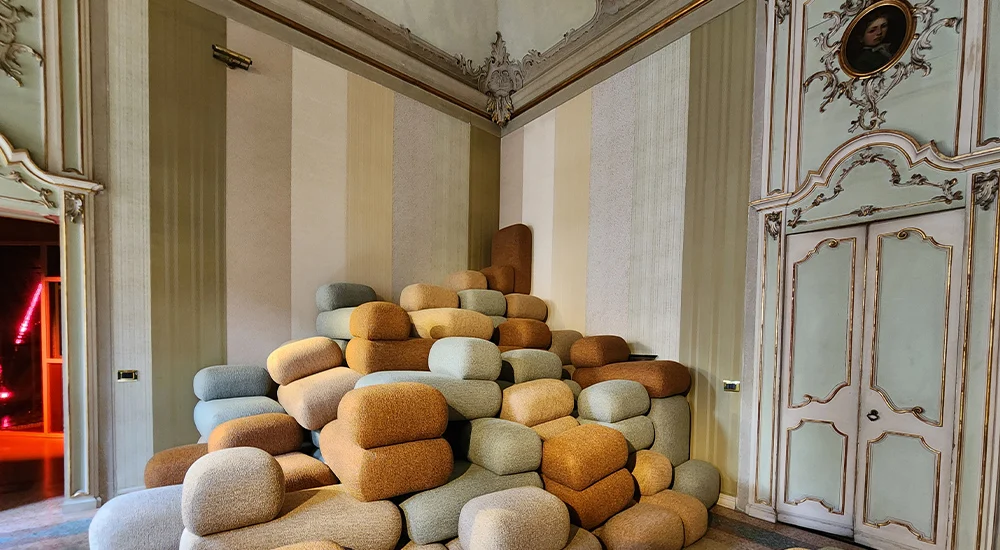
Milan, Italy – The annual Salone del Mobile, the epicenter of Milan Design Week, has once again concluded, leaving a trail of groundbreaking installations, innovative objects, and memorable moments that are shaping the future of design. This year’s event, held from April 15-21, 2026, saw a convergence of established luxury brands and emerging talents, all vying to present their vision for contemporary living and consumption. From interactive art pieces that blurred the lines between product and experience to a renewed focus on sustainable practices and the repurposing of urban spaces, Milan Design Week 2026 offered a comprehensive snapshot of the industry’s trajectory.
Salone del Mobile 2026: A Showcase of Visionary Design
For those unable to attend the sprawling exhibition, the pulse of Salone del Mobile 2026 was meticulously captured by design publications and on-the-ground correspondents. Hospitality Design editor Stephanie Chen provided firsthand accounts of the most impactful displays, while Wallpaper‘s live updates offered a real-time chronicle of the week’s buzzworthy creations. The overarching theme this year appeared to be an exploration of domesticity, materiality, and sensory experience, presented through a diverse array of mediums.
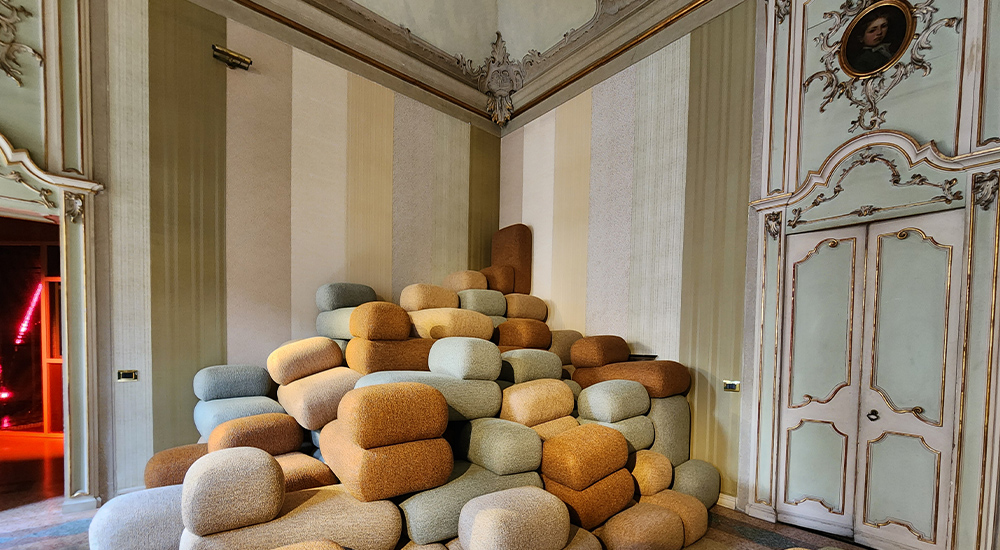
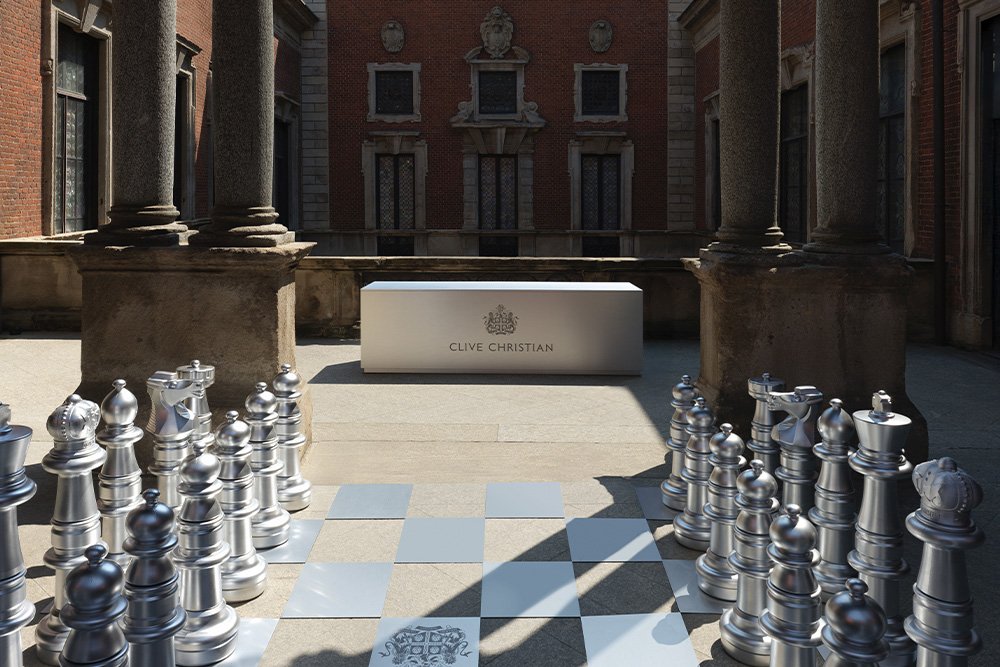
Among the standout installations was "Transformism," an interactive piece by artist Harry Nuriev for Clive Christian Perfume, hosted within the historic Museo Bagatti Valsecchi. This immersive environment transformed scent into a tangible, visual experience, inviting visitors to engage with the olfactory as a spatial element. Casa NM3 presented a series of domestic vignettes that cleverly employed wood and steel, exploring the interplay of raw materials in creating intimate living spaces. Laila Gohar’s whimsical vegetable carousel offered a playful yet thought-provoking commentary on food and its presentation, while Crosby Studios’ Harry Nuriev, known for his bold aesthetic, unveiled an oversized chessboard that served as both a functional game and a striking sculptural statement. The luminous sequence of cubic lamps by 6:AM, forming a hypnotic wall display, demonstrated the power of light and form to create an atmospheric and captivating environment.
Yinka Ilori’s "Chasing the Sun" installation emerged as a beacon of optimism and a dynamic platform for dialogue. Complementing his collaboration with Veuve Clicquot, the installation radiated joy and served as a vibrant showcase for his signature bold colors and patterns. The Veuve Clicquot collection, featuring beautifully designed gift boxes, a reimagined champagne bucket, and sculptural portable drinking vessels, underscored the brand’s commitment to design-forward luxury. Simultaneously, the debut of Kelly Wearstler’s highly anticipated line for H&M Home, presented on a multisensory set meticulously crafted by Studio Boum, garnered significant attention. The 13-piece modular furniture series showcased Wearstler’s signature blend of glamour and comfort, offering accessible luxury to a wider audience.
A significant launch that underscored a growing trend towards mindful consumption was Aesop’s introduction of its first table lamp. The skincare brand’s "The Factory of Light" installation, designed by March Studios, was a masterclass in circular construction. Within a 15th-century church, three distinct lamps were presented on tables ingeniously constructed from 16,000 discarded Aesop glass fragrance bottles. This initiative not only highlighted Aesop’s dedication to sustainability but also demonstrated how waste materials can be transformed into objects of beauty and contemplation. The sheer scale of the recycled materials used in the display served as a powerful visual testament to the brand’s commitment to environmental responsibility. The choice of a historic church as a venue further amplified the project’s contemplative and artisanal ethos.
The presence of these diverse installations reflects a broader shift within the design industry, moving beyond mere aesthetics to encompass social commentary, experiential engagement, and ethical production. As attendees navigated the crowded halls of Rho Fiera Milano and the various satellite events across the city, the common thread was a desire to connect with design on a deeper, more meaningful level. The influence of digital platforms in disseminating these trends was palpable, with social media playing a crucial role in amplifying the reach of designers and brands.
Diane Keaton’s Curated World: An Icon’s Legacy Goes to Auction
Beyond the bustling exhibition halls of Milan, a significant cultural event unfolded in the art and auction world. The meticulously curated personal collection of the iconic actress Diane Keaton is set to go under the hammer, offering a rare glimpse into her discerning taste and influential style. Bonhams, in partnership with The Fine Art Group, announced a series of four auctions to be held across New York and Los Angeles in June 2026.
Titled "Diane Keaton: The Architecture of an Icon," the sales will feature a diverse array of fine art, decorative objects, fashion, and personal mementos that have shaped the actress’s public and private persona. The New York auction, commencing on June 8th, will present over 50 lots, many of which are expected to attract significant collector interest. Fashion enthusiasts will have the opportunity to bid on iconic pieces from Keaton’s wardrobe, including a Ralph Lauren polka dot tie—a subtle nod to her unforgettable portrayal of Annie Hall—a dazzling sequined Gucci suit, and a sophisticated two-piece Ralph Lauren houndstooth suit worn to the Academy Awards in 2020. These items represent not just designer labels but touchstones of cinematic and fashion history.
Keaton’s art collection is equally covetable, featuring significant works that speak to her appreciation for evocative and powerful imagery. Highlights include David Wojnarowicz’s poignant "Buffaloes," a piece that resonates with themes of displacement and resilience, and a collection of Western landscapes by renowned artists Maynard Dixon and Ed Mell, showcasing her affinity for the grandeur and mythology of the American West. The inclusion of such significant artworks underscores Keaton’s role as not just a style icon but also a discerning patron of the arts. The valuation of these pieces, particularly the Wojnarowicz, is expected to draw considerable attention from collectors and institutions alike, given the artist’s increasing prominence in contemporary art discourse. The auction represents a unique opportunity for the public to acquire a piece of an icon’s personal narrative, a story woven through art, fashion, and film.
Birdhouses Take Flight as Design Objects
In a delightful and unexpected trend, birdhouses are emerging as a compelling new medium for architectural expression and design innovation. The New York Times has reported on a burgeoning number of exhibitions dedicated to the artful reimagining of these avian dwellings, highlighting a growing appreciation for miniature architectural marvels. The exhibition "Home Sweet Home," which has been touring Germany and Belgium since 2024, showcases designs that transcend mere functionality, leaning more towards sculptural art forms. These birdhouses are conceived with an architect’s eye for form, proportion, and material, transforming humble shelters into miniature testaments to design ingenuity.
Further pushing the boundaries, Christie’s in London hosted "Architects for the Birds" last year, an exhibition and auction that featured innovative works from nine prominent architects, including Sou Fujimoto and Frida Escobedo. The pieces displayed were not just birdhouses but miniature architectural statements, each reflecting the distinct design philosophy of its creator. More recently, the South London Gallery’s "Dwellings" exhibition has seen its featured birdhouse designs find new purpose as actual avian lodging in Kensington until June 2027. This initiative not only provides functional housing for birds but also serves as a public art installation, integrating design into the urban fabric. The trend suggests a growing interest in the potential of small-scale design to inspire and engage, demonstrating that even the most utilitarian objects can be elevated through thoughtful design and artistic intervention. The implications extend beyond mere novelty; these projects explore themes of habitat, ecological awareness, and the human capacity for creating beauty in unexpected places.
The Second Life of Abandoned Retail Spaces
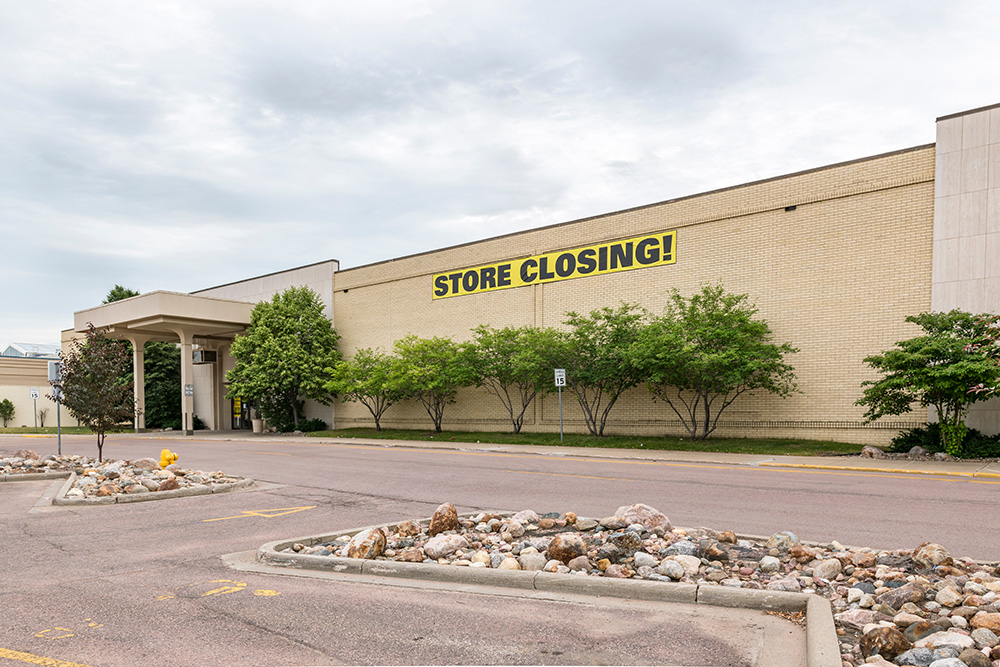
The ongoing transformation of vacant retail spaces into viable housing models is presenting a compelling solution to urban housing shortages and the obsolescence of traditional retail centers. While conversions of office buildings into residential units have faced challenges, the potential of former department stores and shopping malls is proving to be substantial. In Cleveland, the ambitious conversion of the abandoned May Company department store into residential units, completed in 2020, has demonstrably revitalized the city’s downtown. The project is credited with contributing to a significant 12-percent population increase in the area, illustrating the potent impact of adaptive reuse on urban density and vitality.
This particular development stands out by offering amenities tailored to contemporary renters, including ample parking, a central courtyard, a fitness center, a community room, and a rooftop patio. Select apartments feature private patios that open onto an outdoor atrium, blending indoor and outdoor living. The Wall Street Journal highlights that these historic landmarks offer a distinct aesthetic advantage over the uniform nature of many new-builds, while also providing greater flexibility for future adaptations. Their robust construction and often expansive floor plans lend themselves exceptionally well to creative redevelopment.
A compelling example of this versatility is a former Sears store in Austin, Texas. The building’s inherent structural qualities and spacious layout were so adaptable that it was repurposed as a new health center for low-income residents. This initiative showcases how abandoned retail infrastructure can be reimagined to serve critical community needs, offering a sustainable and impactful alternative to demolition and new construction. The trend suggests a paradigm shift in urban planning, where the decline of traditional retail is not an endpoint but a catalyst for innovative urban regeneration, breathing new life into dormant commercial structures and addressing pressing societal needs. The potential for these conversions to address housing affordability, provide community services, and preserve architectural heritage makes them a critical component of future urban development strategies.
Register for HD Expo 2026: An Invitation to Industry Leaders
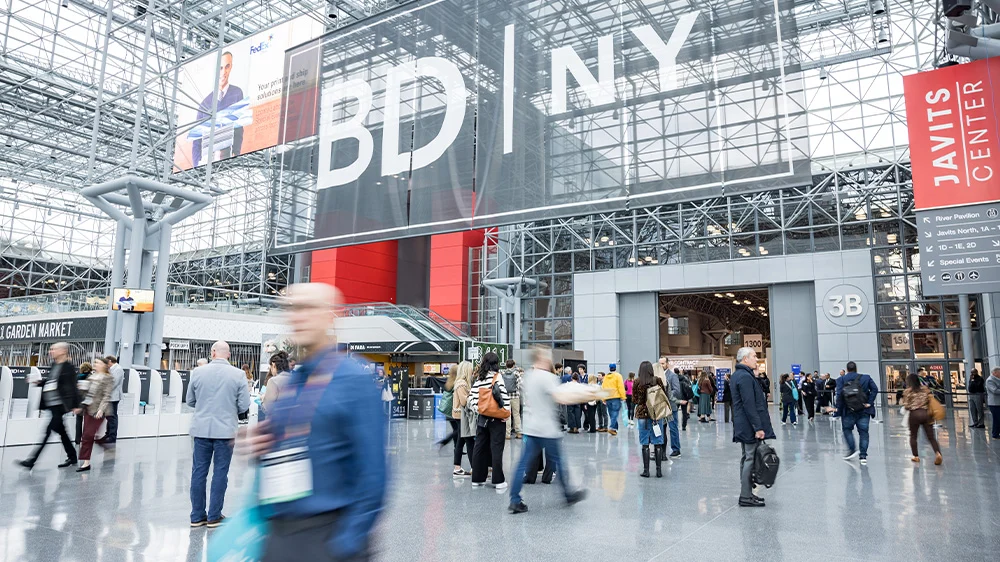
As the design world continues to evolve, opportunities for professional development and networking remain paramount. HD Expo 2026, the premier trade show for the hospitality industry, is fast approaching, with registration still open for those eager to connect with leading designers, manufacturers, and innovators. The event is scheduled to take place from May 5-7, 2026, at the Mandalay Bay Convention Center in Las Vegas.
The week’s programming kicks off with the Women in Design Awards Breakfast on Tuesday, May 5th, celebrating the achievements of influential women shaping the hospitality landscape. Attendees can find a list of the esteemed honorees for 2026 on the Hospitality Design website. The expo will also feature signature programs such as the HD | ISHP Owners Roundtable, a crucial forum for owners and operators to discuss industry trends and challenges, and the highly anticipated HD Awards ceremony, recognizing excellence in hospitality design. Beyond these marquee events, the show floor will host a series of elite sessions, insightful panel discussions, and intimate micro-gatherings designed to foster discourse, facilitate new connections, and showcase groundbreaking products and services. Attendees can expect three days filled with discovery, inspiration, and celebration of the hospitality design community. Interested parties are strongly encouraged to register promptly to secure their participation in this essential industry event. The opportunity to engage directly with thought leaders and discover the latest innovations makes HD Expo 2026 a critical date for anyone involved in the hospitality sector.


 Anjar Salim
 Chandra Hamzah
 Tatiana Tantri Indah Sari
 Budi Mulyono
 Lukman Taruna Persada Ramadan