
 Cholid Fahmi Thalib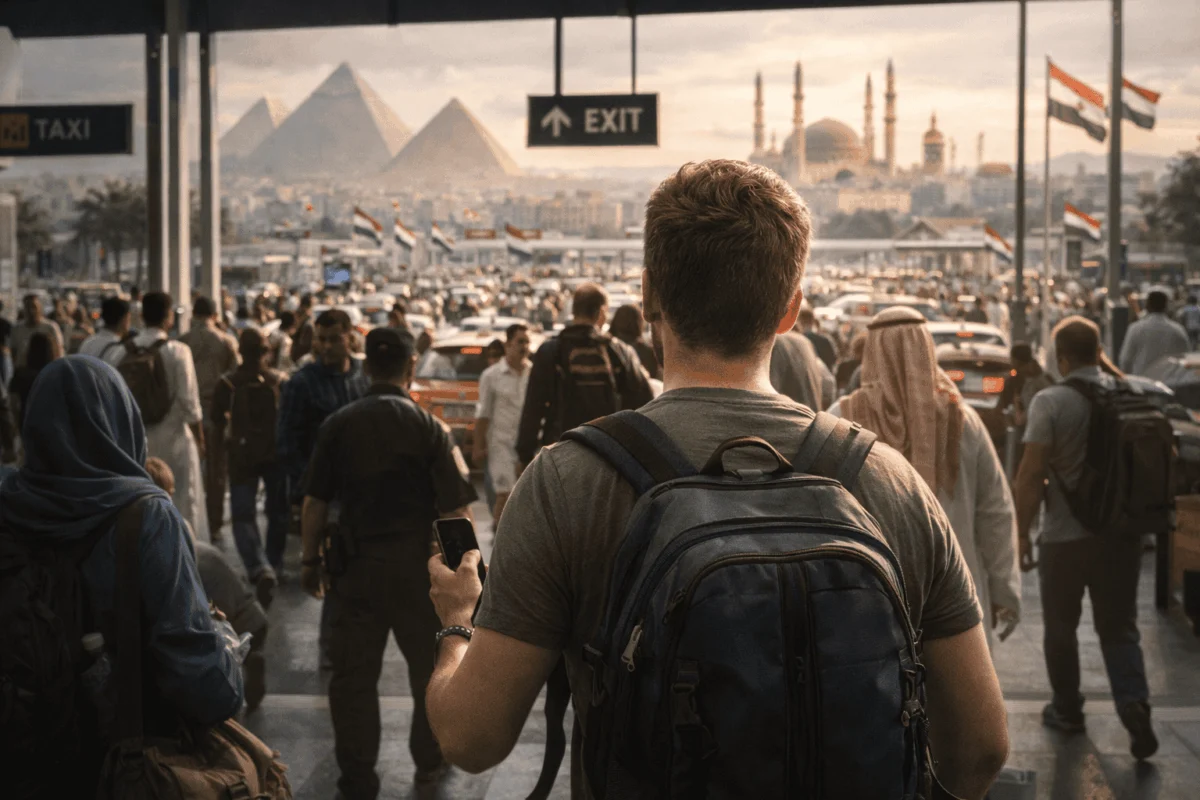
Traveling to Egypt, a country steeped in millennia of history and located on the African continent, often initiates a complex emotional journey for first-time visitors. The anticipation is frequently tempered by a barrage of media reports and cautionary tales, leading to a palpable mix of excitement and apprehension. This inherent tension, however, frequently dissolves upon arrival, revealing a reality that diverges significantly from pre-conceived notions. This article aims to provide an honest and comprehensive overview of the first-time visitor experience in Egypt, moving beyond the polished marketing narratives to explore the often surprising, sometimes overwhelming, and ultimately deeply rewarding realities of engaging with this ancient land.
The Unfolding Reality: Shattering Preconceptions
Before setting foot in Egypt, many travelers harbor an image of intense, chaotic, and potentially intimidating environments. While certain aspects of Egyptian urban life can indeed be demanding, the pervasive fear often projected through external narratives tends to be far more potent in the mind than on the ground. The initial sensory overload upon exiting the airport is undeniable. The symphony of car horns, animated conversations, and music emanating from open windows creates an immediate immersion into a vibrant soundscape. The air, often thick with heat and the fine dust of a desert landscape, carries a palpable sense of motion and energy. This initial immersion can be disorienting, prompting a fleeting moment of doubt.
However, this sense of chaos quickly begins to coalesce into a discernible rhythm. It becomes apparent that beneath the surface of apparent disorder, there are functional systems at play. Individuals navigate the bustling streets with purpose, and while these systems may not mirror familiar Western models, they are demonstrably effective. This realization fosters a gradual relaxation, as the country reveals itself not as an adversary, but as an entity with its own unique character and operational logic. Egypt does not seek to intimidate; it simply exists, inviting visitors to adapt and engage.
The First Day: A Baptism by Sensory Experience
The inaugural day in Egypt can feel like a disorienting blur. Jet lag, sensory overstimulation, and the sheer unfamiliarity of a different pace of life converge, transforming mundane tasks into significant challenges. Crossing a busy street, for instance, can feel akin to navigating an extreme sport, where traffic regulations appear fluid and personal space is defined by a different set of social conventions.
Yet, the human capacity for adaptation is remarkable. By the close of the first day, many travelers find themselves reflecting on their earlier anxieties with a sense of amusement. Patterns begin to emerge in the ebb and flow of daily life: understanding when to proceed, when to pause, and how to effectively hail a taxi. While the initial experience may be uncomfortable, it is rarely unmanageable. As this initial shock subsides, a profound sense of curiosity typically takes root, driving a desire to explore and understand this multifaceted destination.
Subtle Shifts: The Nuances of Culture Shock
Culture shock in Egypt often manifests not through grand, dramatic events, but through a series of small, unexpected observations. The directness of communication is one such element. Conversations with strangers can begin with ease, leading to inquiries about one’s origin and impressions of Egypt. While this can initially feel intrusive, it quickly evolves into an appreciation for the genuine human connection being offered.
The concept of time in Egypt is often more flexible than in many Western cultures, with plans susceptible to change and delays being a common occurrence. Resisting this fluidity invariably leads to frustration; embracing it, however, fosters a more relaxed and enjoyable experience. Furthermore, unexpected acts of kindness frequently punctuate the journey. A local might offer directions without prompting, a shopkeeper might extend hospitality without the expectation of a sale, or a family might invite a visitor for tea simply out of goodwill. These moments of spontaneous generosity serve to soften the edges of the unfamiliar, transforming potentially intimidating encounters into warm exchanges.
Navigating the Landscape: Transportation as a Learning Curve
Transportation often represents a significant point of concern for first-time visitors. The visual impression of Egyptian roads can be one of organized chaos, with trains offering a more traditional mode of travel, and ride-sharing applications providing a modern alternative, albeit with occasional inconsistencies. Initially, travelers may meticulously plan every journey, questioning the safety of specific taxis, negotiating fares, and constantly referencing navigation apps.
However, this hyper-vigilance gradually gives way to a growing confidence. The realization dawns that most drivers are simply professionals performing their duties, and that fare expectations can be approximated. The panic associated with a rerouted navigation app diminishes, replaced by a more pragmatic approach. Many seasoned travelers recommend immersing oneself in firsthand accounts of daily life in Egypt prior to arrival. Resources such as inside-egypt.com offer invaluable insights into local transportation norms and daily logistics, helping to demystify the initial days and transform them from a period of guesswork into an active exploration.
Safety: A Matter of Awareness, Not Fear
The question of safety is a paramount concern for many contemplating a trip to Egypt. While the country’s security landscape differs from many Western destinations, this difference does not inherently equate to danger. Tourist areas typically feature a visible security presence, and locals often exhibit a protective attitude towards visitors. Furthermore, statistics suggest that serious incidents affecting tourists are less prevalent than media portrayals might suggest.
For instance, data from the Egyptian Ministry of Tourism and Antiquities consistently shows millions of tourist arrivals annually, with a low incidence of major security breaches in key tourist zones. Common sense remains the most effective tool for ensuring personal safety. This includes maintaining a general awareness of one’s surroundings, avoiding ostentatious displays of wealth, and trusting one’s instincts. The fundamental principles of vigilance applied in any unfamiliar environment hold true in Egypt. What often surprises first-time visitors is the rapid transition from initial apprehension to a feeling of comfort, familiarity, and even ease.
The Enduring Impression: The Power of Human Connection
While the monumental historical sites of Egypt are undeniably awe-inspiring, it is often the interactions with its people that leave the most profound and lasting impression. Conversations can spontaneously erupt in taxis, cafes, and queues. Egyptians are frequently curious, gregarious, and genuinely interested in the experiences of their visitors. This engagement is often infused with a palpable sense of pride in their country, coupled with an honest acknowledgment of its contemporary challenges.
Hospitality in Egypt is not a performative gesture; it is woven into the fabric of daily life. It manifests in the offering of extra food, the spontaneous pulling up of a chair, or the assistance rendered by a stranger without expectation of reward. These cumulative moments of human connection build a rich tapestry of positive experiences that resonate long after the journey concludes.
Beyond the Monuments: A Living, Breathing Nation
The initial encounter with iconic landmarks such as the Great Pyramids of Giza is an experience that transcends mere sightseeing. Their sheer scale and antiquity defy easy comprehension, creating a surreal sense of awe. However, what frequently surprises first-time visitors is how seamlessly these historical marvels integrate into the contemporary pulse of Egyptian life. Bustling urban streets often run parallel to ancient ruins, children play soccer in the shadows of millennia-old structures, and modern cafes sit in close proximity to temples predating recorded history.
Egypt is not a static relic of the past; it is a dynamic, complex, and modern nation coexisting with its rich heritage. Recognizing this multifaceted reality transforms the country from a mere postcard image into a tangible, living entity, fostering a deeper appreciation for its complexities.
The Emotional Spectrum: Peaks and Valleys of the Egyptian Journey
The experience of traveling through Egypt can be emotionally intense, characterized by significant fluctuations. One moment, a traveler might feel overwhelmed and exhausted by the perceived challenges of navigating the environment. The next, they might find themselves in a moment of profound tranquility, contemplating the beauty of a quiet vista and feeling an overwhelming sense of gratitude.
This emotional oscillation can catch first-time visitors off guard. Egypt does not offer a gentle introduction; it demands attention, patience, and at times, a measure of humility. Yet, in return, it offers unparalleled rewards: moments of profound awe, a recalibration of perspective, and the creation of enduring stories that will be recounted for years to come.
Common Missteps: Over-planning and Comparison
A frequent pitfall for first-time visitors is an attempt to exert excessive control over their Egyptian experience. This often translates into over-scheduling, rigid itineraries, and an expectation of punctuality and adherence to pre-defined plans. Such an approach is frequently counterproductive in Egypt.
The country rewards flexibility and an openness to the unexpected. Allowing room for delays, spontaneous detours, and unplanned conversations leads to a more authentic and enriching experience. Shifting focus from simply checking off a list of sights to actively observing and engaging with the environment is key. Another common error is the tendency to compare Egypt to other travel destinations. The country possesses a unique character and offers a distinct experience that defies direct comparison and should be appreciated on its own terms.
The Verdict: Is Egypt Worth the First Trip?
The answer to whether Egypt is worth the first trip is contingent upon an individual’s travel aspirations. For those who seek predictability and seamless execution, Egypt may present a series of challenges. However, for travelers who embrace a degree of discomfort, are driven by curiosity, and are open to experiences that deviate from rigid itineraries, Egypt offers an unforgettable journey.
The inaugural trip to Egypt is rarely flawless. It is frequently marked by confusion, occasional exhaustion, but ultimately, by profound memorability. It is understood that not every aspect of the experience will be fully grasped, and indeed, this is part of its enduring allure. Egypt’s impact lingers long after departure precisely because it does not conform to polite expectations. It meets visitors as they are, with all their preconceived notions and vulnerabilities, and invites them to perceive the world through a subtly altered lens. The question of whether one would return is often answered long before the plane touches down for the journey home, a testament to the country’s captivating and transformative power.




 Anjar Salim
 Dwi Wanna
 Budi Mulyono
 Lukman Taruna Persada Ramadan
 Chandra Hamzah
 Gabriela Annisa