
 Gabriela Annisa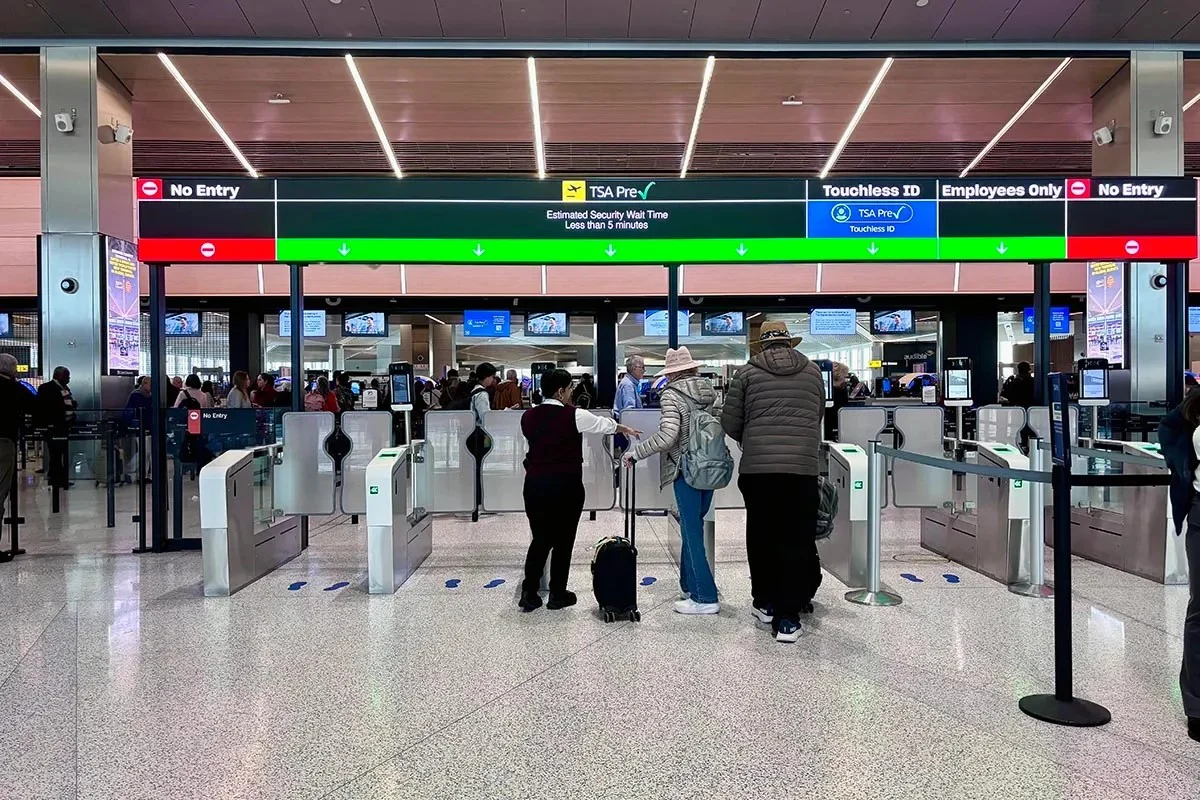
The global aviation industry finds itself in an unprecedented and complex state, characterized by a stark paradox: jet fuel prices have more than doubled in the past year, yet passenger demand remains remarkably robust. This creates a unique "two-speed" crisis where the financial strain on airlines is immense due to escalating costs, while the consumer appetite for travel shows little sign of abating. As of March 24th, industry experts are grappling with the implications of this unusual market dynamic, which poses significant challenges for profitability and long-term planning.
The Unrelenting Surge in Jet Fuel Prices
The most immediate and pressing concern for airlines worldwide is the dramatic increase in jet fuel costs. According to the International Air Transport Association (IATA) Jet Fuel Price Monitor, average jet fuel prices have surged by an astonishing 119% year-on-year. This translates to an effective doubling of what is typically an airline’s single largest operating expense.
The global oil market, a primary determinant of jet fuel prices, has been highly volatile. On the reporting date, benchmark crude oil prices reflected this instability: West Texas Intermediate (WTI), a key index for U.S. prices, stood at approximately $91 per barrel, while Brent crude, the international benchmark influencing the majority of global contracts, hovered around $102 per barrel. While these figures represented a slight retreat from recent peaks, they remained significantly elevated. Jet fuel, refined from crude oil, often trades at a premium to these benchmarks, reflecting refining costs and regional supply dynamics.
The rapid escalation is vividly illustrated by specific airline data. Filipino low-cost carrier Cebu Pacific reported that its jet fuel prices had rocketed from an average of $86 per barrel in February to an estimated run rate of $180 per barrel through March, with some days exceeding $200 per barrel. Such a meteoric rise within weeks is unprecedented in recent memory and poses an existential threat to carriers operating on already thin margins.
This current surge is largely attributed to a confluence of geopolitical tensions, particularly the ongoing conflict in Eastern Europe, which has disrupted global energy supply chains and sparked fears of widespread shortages. Sanctions against major oil-producing nations and the subsequent redirection of energy flows have tightened an already constrained market, driving prices upwards. This situation echoes historical oil shocks of the 1970s and early 2000s, forcing airlines to quickly adapt to a dramatically altered cost landscape. Unlike previous periods, however, the industry is also simultaneously navigating a post-pandemic recovery, which adds another layer of complexity. Many airlines had reduced or forgone fuel hedging strategies during the pandemic’s demand slump, leaving them more exposed to the current price volatility.
Resilient Demand: A Countervailing Force
Despite the alarming rise in operational costs, passenger demand has shown remarkable resilience, defying conventional economic expectations. Industry leaders from various regions – including Lufthansa, Turkish Airlines, United, Delta, Cathay Pacific, and Cebu Pacific – have consistently reported strong booking trends. This robust demand is a critical factor preventing the current situation from becoming a full-blown collapse of the aviation sector.
Several theories attempt to explain this phenomenon:
- Pent-up Demand: Following two years of travel restrictions and uncertainty during the COVID-19 pandemic, there is a significant backlog of leisure and business travel. Consumers are eager to take long-delayed vacations and reconnect, demonstrating a "revenge travel" mentality.
- Economic Strength: While global economic forecasts are mixed, many regions, particularly the United States and parts of Asia, are experiencing relatively strong economic activity, supporting discretionary spending on travel.
- Diverted Demand: Geopolitical instability and ongoing conflicts have led to some shifts in travel patterns. For instance, some demand that might traditionally have gone to the Middle East or Europe is now being diverted to domestic or regional destinations within East Asia, benefiting carriers like Cebu Pacific.
- Proactive Bookings: Some travelers may be booking vacations sooner rather than later, anticipating further fare increases due as airlines pass on fuel costs.
- Less Price-Elastic Demand: As noted by United Airlines CEO Scott Kirby, a significant portion of current travelers, particularly those in higher income brackets, may be less sensitive to fare increases, prioritizing travel experiences over cost savings. This demographic tends to continue flying even as prices climb.
This sustained demand, while a silver lining for airlines struggling with costs, creates a delicate balancing act. Airlines are aggressively raising fares to offset fuel expenses, but the industry is keenly aware that there are limits to how much prices can increase before consumer demand eventually softens.
Cebu Pacific: A Microcosm of Industry Challenges
The situation at Cebu Pacific offers a granular look into the challenges and responses of a typical airline in this environment. As a prominent low-cost carrier in the Philippines, Cebu Pacific has historically been a highly profitable airline, known for its efficient operations and strong domestic market presence, accounting for approximately 70% of its seat capacity. The airline operates a predominantly narrow-body fleet, heavily featuring the A321neo, complemented by ATR turboprops and a handful of super-dense A330neos configured with 459 seats. These A330neos are crucial for maximizing revenue at slot-constrained airports like Manila and are deployed on regional Asian routes, as well as to Australia and, until recently, the Gulf region (though Dubai flights have been canceled, Riyadh flights continue to serve the large Filipino expatriate workforce).
Despite its strong operational track record, Cebu Pacific faces multiple headwinds. In addition to the overarching fuel crisis, the airline has contended with operational challenges related to its Pratt & Whitney Geared Turbofan (GTF) engines, which have experienced powdered metal issues requiring extensive inspections and leading to aircraft groundings. Furthermore, severe weather events, including typhoons in the Philippines during the last quarter, have disrupted operations and impacted performance.
For the full year 2025, Cebu Pacific reported an 11% operating margin, a solid performance considering the prevailing difficulties. However, the first half of the year was stronger, with the latter half impacted by the aforementioned operational issues. Looking ahead to 2026, the fuel crisis is expected to hit hard. CEO Mike Szucs articulated the gravity of the situation, stating, "Current price levels will effectively double our fuel bill, all else being consistent." He emphasized that these levels are "clearly not sustainable for Cebu Pacific" and warned that "ultimately the industry will face losses" if they persist.
In response, Cebu Pacific has initiated aggressive fare adjustments to pass on incremental costs to consumers. They have been "encouraged by the continued resilience in demand from March and April." Simultaneously, the airline is tweaking its capacity, scaling back planned growth from an ambitious 20% to a more achievable 10% due to operational and market conditions. Szucs confirmed that further capacity cuts would be implemented if fuel prices remain at current elevated rates for an extended period, highlighting the strategic imperative of capacity discipline in managing costs.
Broader Industry Landscape and Upcoming Financial Disclosures
Beyond the immediate crisis, the global aviation industry continues to navigate a complex array of issues. In the United States, ongoing "TSA drama" at airports points to persistent operational challenges and staffing concerns. Internationally, incidents like the Air Canada Express event at LaGuardia underscore the constant need for vigilance in safety and operations.
Airlines are also making strategic moves amidst this uncertainty. United Airlines has placed significant aircraft orders, reflecting long-term growth ambitions, while Finnair has opted for E2 jets to modernize its fleet. India’s Indigo is also undergoing strategic shifts with new leadership. These long-term investments indicate a belief in the eventual normalization and growth of the sector, even as short-term pressures mount.
The financial reporting calendar is providing crucial insights into how different carriers are coping. The Q4 earnings season for 2025 has been extended, with some airlines taking longer to compile their annual reports. Upcoming Q4 results from major Brazilian carriers like GOL and Azul, as well as mainland Chinese carriers, are highly anticipated. These reports will offer varied regional perspectives on profitability, cost management, and demand trends during a period of escalating fuel prices.
Looking ahead, the Q1 2026 earnings season is already on the horizon, with Delta Airlines scheduled to report on April 8th. These early Q1 reports, particularly from major carriers, will be critical in assessing the immediate impact of the sustained fuel price increases and the effectiveness of airline strategies in passing on costs or adjusting capacity. They will also shed light on the continued elasticity of demand in the face of rising fares.
The Dilemma: How Long Can Demand Outpace Cost?
The central question looming over the aviation industry is the longevity of the current demand strength. While robust bookings provide a vital buffer against soaring fuel costs, economic principles dictate that there is a limit to how much prices can increase before demand begins to soften. The current situation is a delicate "wait and see" game, with airlines, analysts, and investors closely monitoring geopolitical developments, global oil supply, and consumer spending habits.
The hope across the industry is for a de-escalation of conflicts and a normalization of supply chains, which would alleviate pressure on energy prices. However, until such a resolution materializes, airlines are forced to make difficult decisions regarding pricing, capacity, and route networks. The current crisis is further complicated by the lingering effects of the Russia-Ukraine conflict, which had already caused significant commodity shortages and supply chain bottlenecks, underscoring the world’s vulnerability to geopolitical instability.
It is also important to acknowledge regional disparities. Carriers in parts of Asia, such as the Philippines, are particularly exposed to any blockages or shortages in the usual oil supply coming from the Middle East, making them potentially harder hit than those in regions with more diversified energy sources or robust hedging capabilities. This regional vulnerability can lead to uneven recovery paths and competitive landscapes.
Innovation Amidst Adversity: The Skift Idea Awards
Even as the industry grapples with these immense challenges, the spirit of innovation persists. The Skift Idea Awards, now in its eighth year, serves as a testament to the ongoing drive for progress within the travel ecosystem. These awards recognize and celebrate the most impactful ideas across various facets of travel, including advancements in customer experience, artificial intelligence, digital transformation, sustainability, and product design.
Categories specifically tailored for "Airlines and Airports" allow for the recognition of innovations ranging from carbon reduction strategies and new distribution models to emerging advanced air mobility solutions. Furthermore, categories focused on "Technology" and "Sustainability" highlight efforts in areas like revenue optimization, workforce planning, data-driven personalization, emissions tracking, and fleet strategy. The awards emphasize impact over scale, demonstrating that transformative ideas can emerge from startups, mid-sized players, or global brands, regardless of their financial might. This continued focus on innovation underscores the industry’s commitment to long-term resilience and adaptability, even when facing immediate crises.
In conclusion, the global aviation sector is navigating an extraordinary period where the unprecedented rise in jet fuel prices is being met by unexpectedly strong passenger demand. This creates a complex and challenging environment, where financial pressures are intense, yet the underlying appetite for travel remains largely undeterred. The coming weeks, particularly with the rollout of Q1 earnings, will provide crucial insights into the sustainability of this paradox and how airlines will adapt to ensure their viability in an increasingly volatile global landscape. The industry remains in a state of flux, balancing short-term cost containment with long-term strategic growth and innovation.




 Anjar Salim
 Chandra Hamzah
 Tatiana Tantri Indah Sari
 Budi Mulyono

