
 Budi Mulyono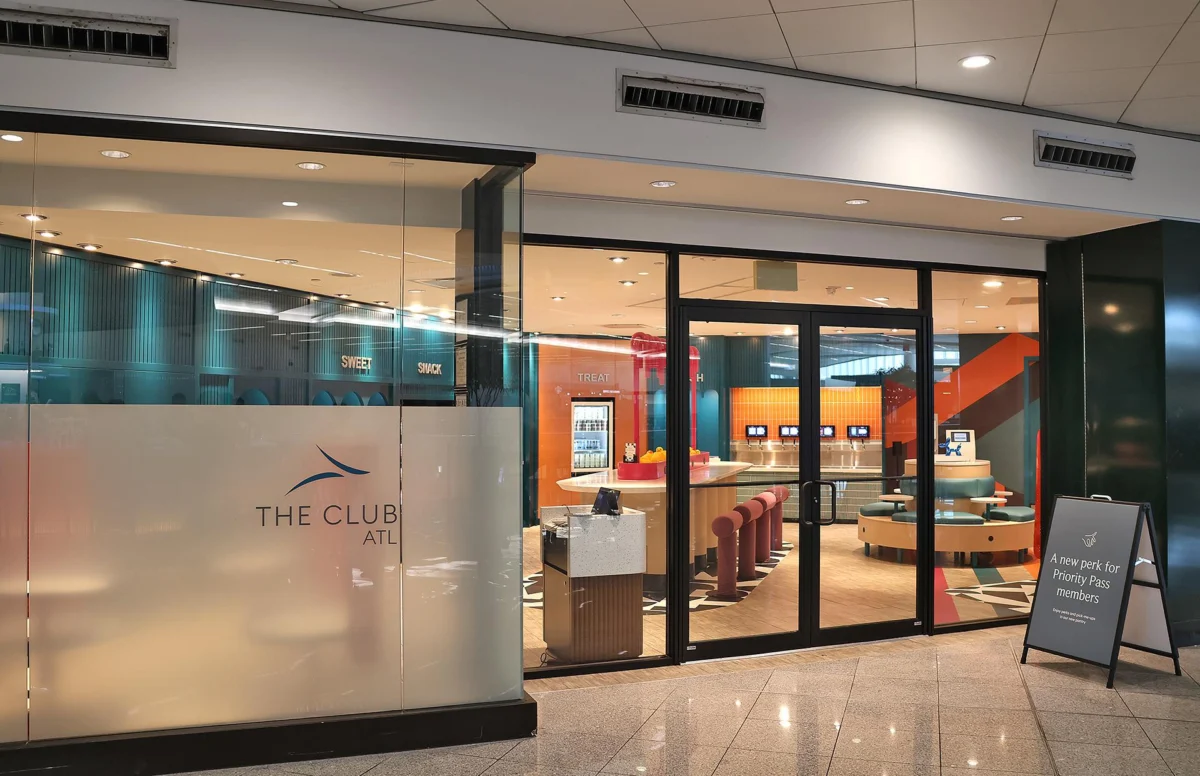
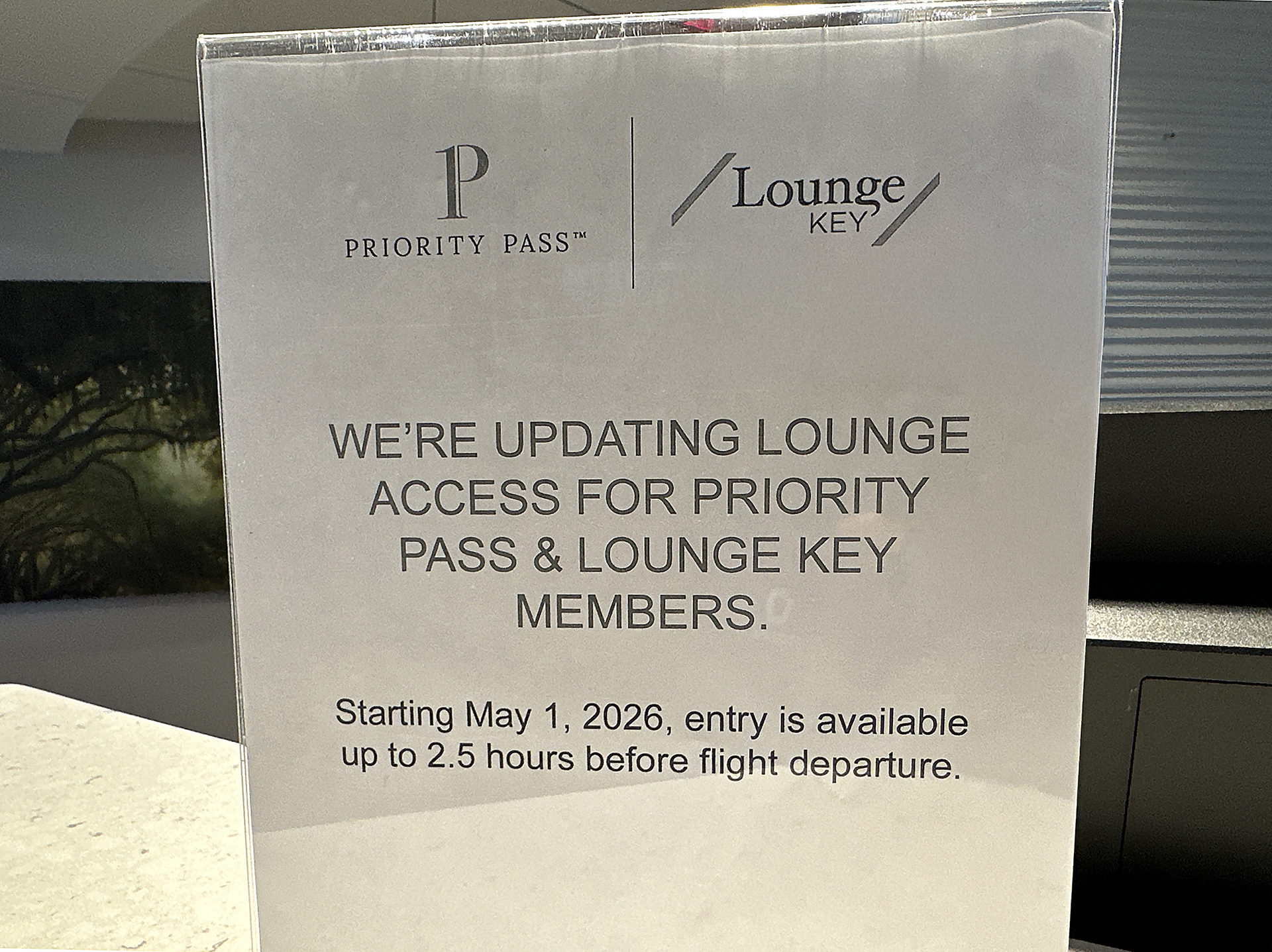
Hartsfield-Jackson Atlanta International Airport, consistently ranked as the world’s busiest passenger hub, is set to see a significant shift in its premium amenities landscape. Management at The Club ATL, the primary independent lounge located in the airport’s International Terminal (Concourse F), has officially announced a tightening of access policies for members of the Priority Pass and Lounge Key networks. Effective May 1, 2026, eligible travelers will only be permitted to enter the facility within 2.5 hours of their scheduled flight departure. This policy change represents a departure from more lenient historical access standards and reflects a growing industry-wide trend toward capacity management in the face of surging lounge demand.
The announcement was first observed via signage posted at the lounge’s check-in counter, notifying guests that the updated access window is part of a broader effort to manage the facility’s environment. While The Club ATL has undergone several physical and service-oriented upgrades in recent months, this specific operational change is expected to have a profound impact on how passengers utilize the space, particularly those traveling on domestic itineraries who must navigate the airport’s expansive concourse system.
The Operational Context of Hartsfield-Jackson Atlanta International
To understand the implications of the 2.5-hour rule, one must consider the unique geography of Hartsfield-Jackson Atlanta International Airport (ATL). The airport is designed with a linear layout consisting of seven concourses (T, A, B, C, D, E, and F) connected by an underground automated people mover known as the "Plane Train." The Club ATL is situated in Concourse F, which serves as the gateway for most international departures.
For a passenger departing from Concourse T—the furthest point from the international terminal—the journey to The Club ATL involves a significant time investment. Navigating from Concourse T to Concourse F requires descending multiple escalators, waiting for the Plane Train, transiting through five intermediate stops, and ascending back to the concourse level. Under the new 2.5-hour restriction, a traveler with a 3:00 PM departure would not be granted entry until 12:30 PM. Given that boarding processes for most commercial flights begin 30 to 45 minutes prior to takeoff, the actual usable time within the lounge is reduced to approximately 75 to 90 minutes when accounting for transit back to the departure gate.
Strategic Capacity Management and the "Priority Pass Problem"
The decision to restrict access windows is largely viewed by industry analysts as a response to the "overcrowding crisis" currently facing independent airport lounges. Priority Pass, owned by the Collinson Group, has seen a massive influx of members over the last decade, largely due to the proliferation of premium credit cards that offer lounge access as a standard benefit. This has led to frequent "at capacity" signs and long waitlists at popular locations like The Club ATL.
By implementing a 2.5-hour cap, the lounge operator, Airport Dimensions, aims to increase "passenger throughput"—a metric used to measure the number of unique guests served over a specific period. This strategy ensures that seats are available for passengers closer to their departure time rather than being occupied by travelers who arrive many hours early to work or dine.
Supporting data from the global lounge industry suggests that time-based restrictions are becoming the new standard. For example, American Express Centurion Lounges and many Delta Sky Clubs have previously implemented three-hour access windows. The Club ATL’s move to a 2.5-hour window is even more restrictive, signaling a critical need to prioritize space in one of the most high-traffic airports in the United States.
Evolution of Service: The Club ATL Pantry and Facility Upgrades
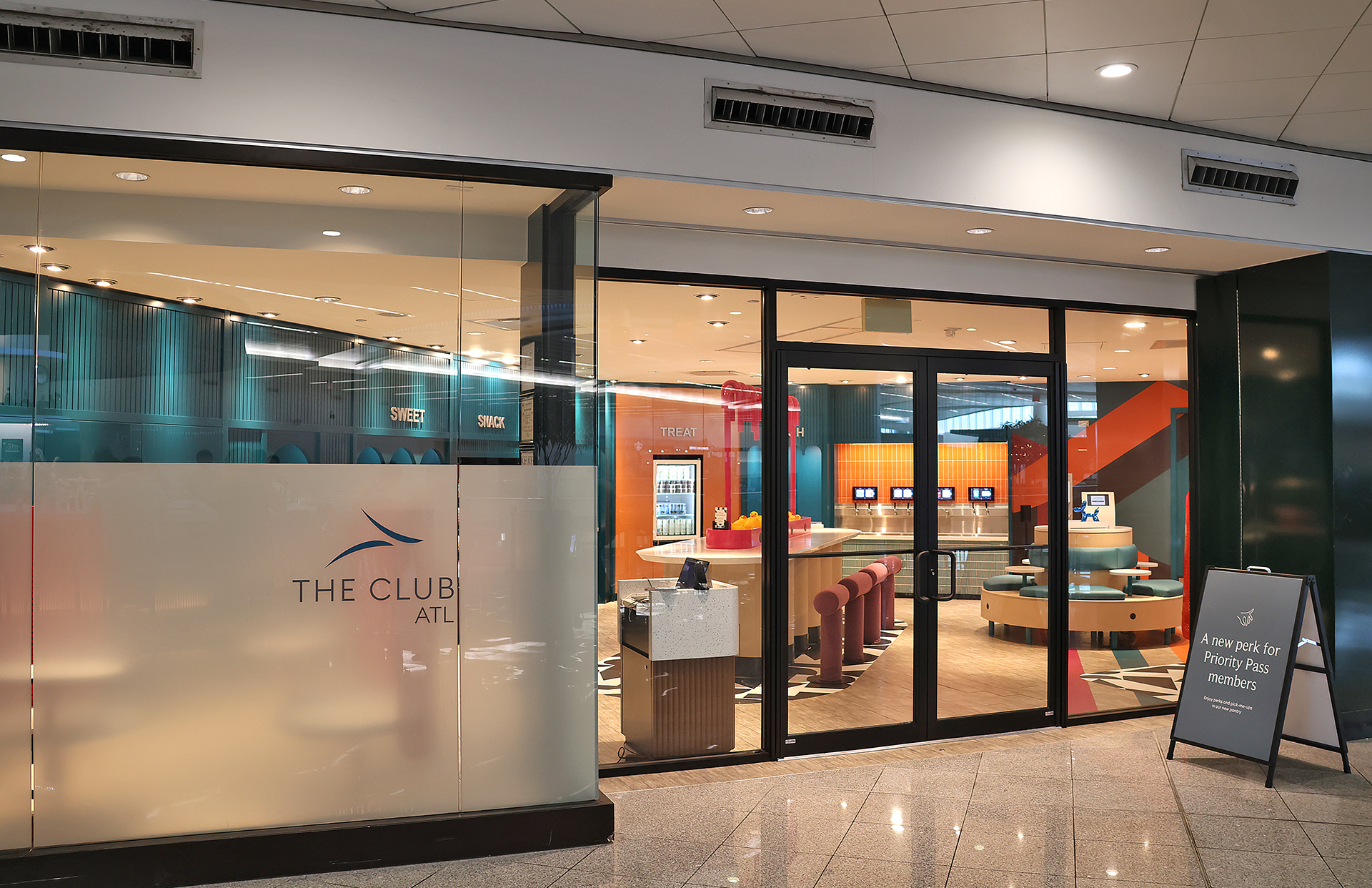
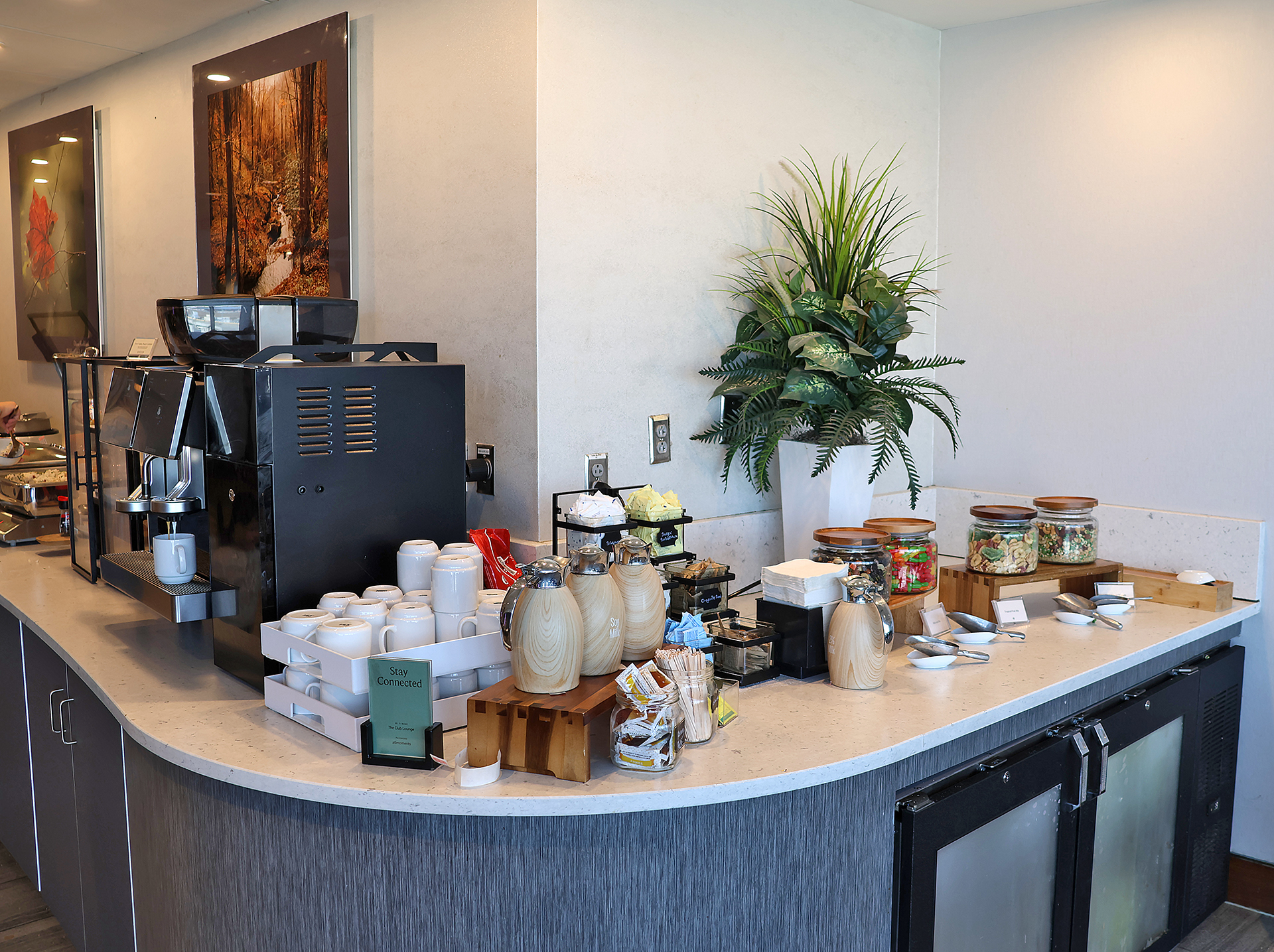
The tightening of access rules coincides with a series of physical renovations and service expansions at The Club ATL. One of the most notable additions is "The Club ATL Pantry," a grab-and-go concept designed to provide expedited food and beverage options for travelers who may not have the time—or, under the new rules, the eligibility—to stay in the main lounge area.
The Pantry concept is part of a broader shift toward "hybrid" lounge experiences. By offering high-quality, portable snacks and beverages, the facility can serve a larger volume of Priority Pass members without requiring them to occupy a seat in the main dining or relaxation zones. This helps mitigate the frustration of being turned away due to overcrowding while still providing a tangible benefit to the member.
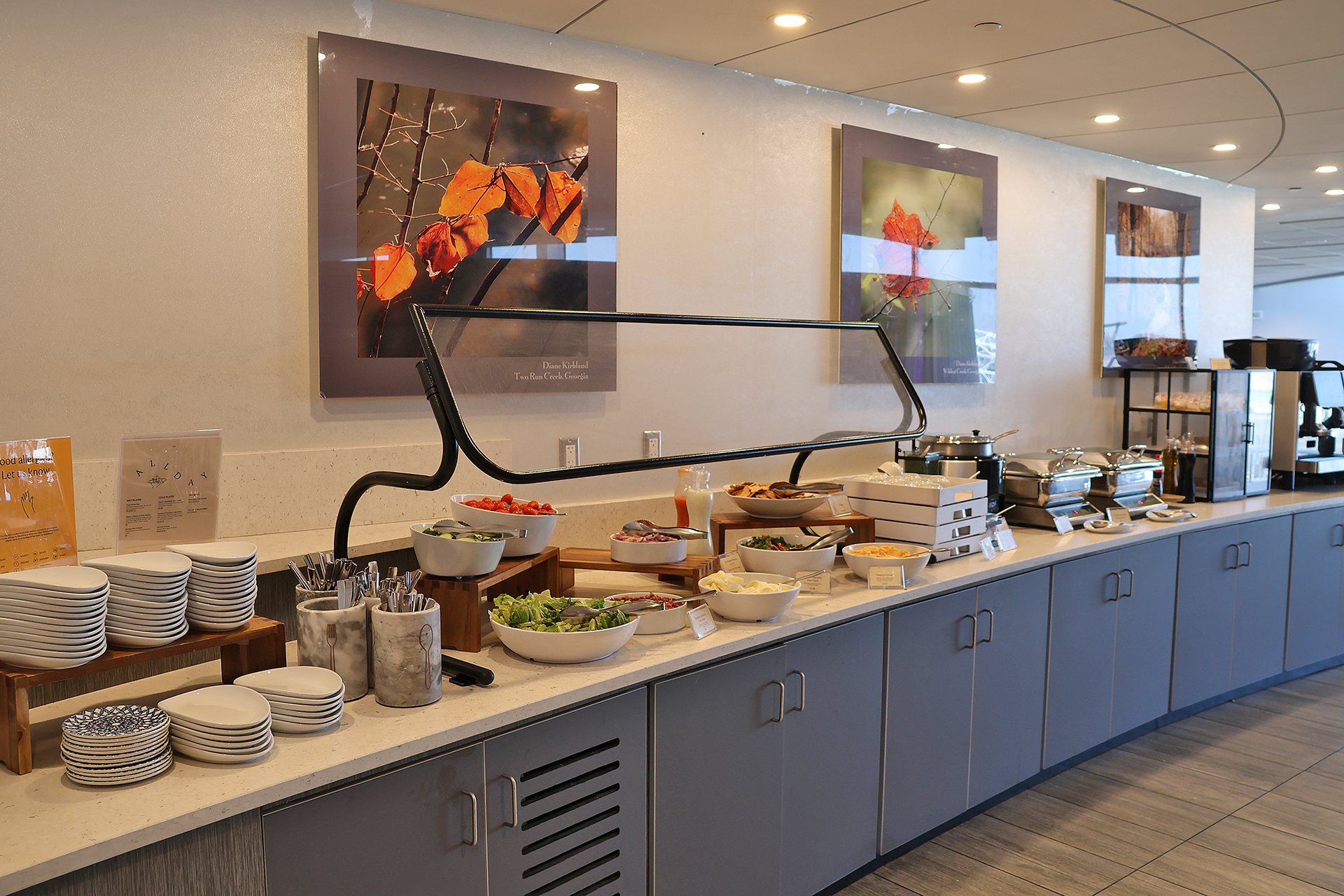
In addition to the Pantry, The Club ATL has reportedly introduced aesthetic updates and refreshed menu offerings. These improvements are intended to maintain the lounge’s competitive edge as Hartsfield-Jackson continues to expand its premium offerings, including the recently opened 25,000-square-foot American Express Centurion Lounge in Concourse E.
Impact on Passenger Segments: International vs. Domestic
The 2.5-hour rule will affect various passenger segments differently. International travelers departing directly from Concourse F will likely find the restriction manageable, as they are already positioned at their gate area. However, for domestic travelers using Priority Pass, the rule adds a layer of logistical complexity.
Many domestic passengers choose to trek to Concourse F specifically to use The Club ATL, as it is often the only accessible lounge for those without airline-specific elite status or high-tier club memberships (such as the Delta Sky Club or United Club). For these "lounge hoppers," the shortened window significantly devalues the benefit, as the time spent transiting between concourses may no longer be justified by a 60-minute stay.
Furthermore, the rule may pose challenges for passengers with long layovers. Travelers who arrive on an early morning flight and have a five-hour wait for their connection will be forced to wait in the public concourse areas for half of their layover before being eligible to enter the lounge.
Industry Reactions and Broader Implications
While official statements from Airport Dimensions emphasize the goal of enhancing the guest experience through better capacity control, the reaction from the travel community has been mixed. Frequent flyers have expressed concerns that the "premium" nature of airport lounges is being eroded by such restrictions, turning what was once a sanctuary into a strictly timed utility.
Travel industry analyst Mark Stephens notes, "We are seeing a fundamental shift in the value proposition of lounge memberships. Operators are no longer competing solely on the quality of their buffets or the comfort of their chairs; they are competing on their ability to actually provide a seat to their members. If that means cutting the access window to 2.5 hours, it is a trade-off they are increasingly willing to make."
From a regulatory and safety perspective, overcrowding in lounges also presents challenges related to fire codes and emergency egress. Airport authorities often pressure lounge operators to maintain strict headcounts to ensure compliance with local safety ordinances.
Timeline of Implementation and Future Outlook
The May 1, 2026, effective date provides a significant lead time for passengers and credit card issuers to adjust their expectations. It is anticipated that other lounges within "The Club" network—which operates 26 locations across the United States and internationally—may follow suit if the Atlanta pilot proves successful in reducing wait times and improving guest satisfaction scores.
As the 2026 deadline approaches, travelers at Hartsfield-Jackson should consider the following:
- Alternative Options: The opening of the Centurion Lounge in Concourse E and the continued expansion of Delta Sky Clubs provide other avenues for lounge access, though often at a higher price point or with specific credit card requirements.
- The Rise of Digital Queuing: Many lounges are moving toward digital waitlists accessible via mobile apps, allowing passengers to explore the terminal while waiting for a spot to open, rather than standing in physical lines.
- Strategic Planning: Passengers wishing to maximize their lounge time will need to be more precise with their arrival at Concourse F, factoring in security wait times and the Plane Train schedule.
The Club ATL’s policy update serves as a harbinger of the future of air travel: a more regulated, time-sensitive environment where the luxury of "lounging" is increasingly governed by the clock. While the restriction may be disappointing to some, it represents a necessary evolution in the management of high-demand airport infrastructure in an era of unprecedented global mobility.



 Anjar Salim
 Chandra Hamzah
 Tatiana Tantri Indah Sari
 Lukman Taruna Persada Ramadan
