
 Budi Mulyono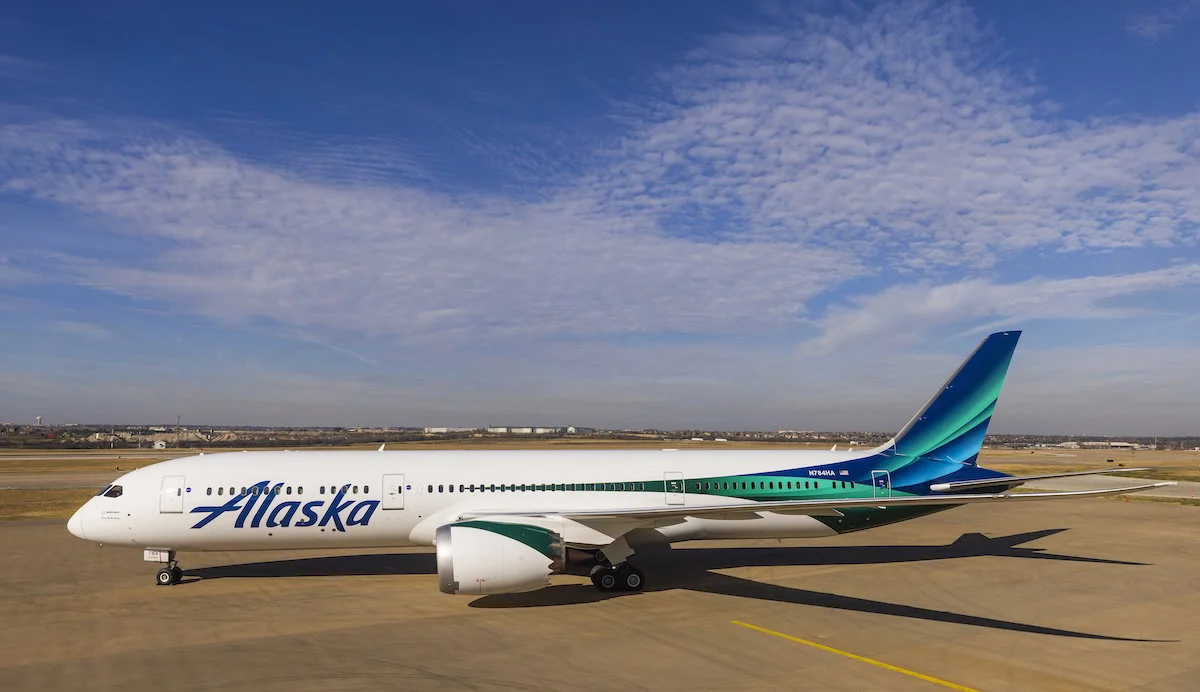
The launch of Alaska Airlines’ first-ever in-flight safety video marks a transformative milestone in the carrier’s 94-year history, signaling its definitive transition from a premier North American regional operator to a burgeoning global contender. For nearly a century, the Seattle-based airline relied exclusively on manual safety demonstrations performed by flight attendants, a practice necessitated by a fleet composed entirely of narrow-body aircraft lacking seatback In-Flight Entertainment (IFE) systems. However, with the integration of the Boeing 787 Dreamliner into its fleet—facilitated by the landmark acquisition of Hawaiian Airlines—Alaska Airlines has introduced a high-production safety video that aligns its brand identity with the world’s leading international carriers.
A Historical Departure from Manual Demonstrations
Since its founding in 1932 as McGee Airways, Alaska Airlines has maintained a reputation for operational reliability and West Coast hospitality. For decades, the airline’s fleet strategy focused on the Boeing 737 family and Embraer 175 regional jets. Because these aircraft were configured without seatback monitors, safety protocols were communicated through live demonstrations. While many modern airlines transitioned to digital safety videos in the early 2000s to enhance engagement and ensure consistency, Alaska remained one of the last major U.S. carriers to utilize the traditional manual method across its entire network.
The debut of the safety video is a direct consequence of the Alaska Air Group’s $1.9 billion acquisition of Hawaiian Airlines, which closed in late 2024. This merger provided Alaska with immediate access to wide-body infrastructure, specifically the Boeing 787-9 Dreamliner. Unlike the existing narrow-body fleet, these long-haul aircraft are equipped with advanced IFE systems at every seat, providing the necessary platform for digital safety content.
Production Highlights and Global Visual Narrative
The new safety video is designed to serve a dual purpose: fulfilling Federal Aviation Administration (FAA) regulatory requirements while doubling as a brand-building tool for the airline’s global ambitions. Filmed across various locations, the video features more than 100 Alaska Airlines employees, emphasizing the carrier’s "people-first" corporate culture.
The narrative structure of the video follows a growing industry trend of "destination marketing," where safety instructions are interspersed with cinematic footage of the airline’s current and future route network. Viewers are taken through iconic Seattle landmarks—reinforcing the airline’s "hometown" connection—before transitioning to international vistas. The footage highlights major global hubs, including London, Rome, Seoul, and various regions of Japan, specifically featuring Mount Fuji.
In addition to the safety briefing, long-haul passengers are greeted by a personalized welcome message from Alaska Airlines CEO Ben Minicucci. Industry analysts note that Minicucci’s tone in the video reflects a strategic positioning: while competitors like Delta Air Lines often use executive messages to emphasize scale and premium status, Alaska’s messaging focuses on the airline’s "growth journey" and its commitment to bringing a unique West Coast service model to the global stage.
The Boeing 787 Strategy: A Catalyst for Expansion
The introduction of the Boeing 787 Dreamliner represents the most significant fleet diversification in Alaska’s history. Historically, the airline operated an "all-Boeing" narrow-body fleet (with a brief period of Airbus operations following the Virgin America merger). The 787-9 Dreamliner offers a range of approximately 7,565 nautical miles, allowing Alaska to fly non-stop from Seattle to almost any major city in Europe, Asia, and Oceania.
Alaska Air Group has confirmed plans to operate a fleet of Boeing 787s, a portion of which were inherited through the Hawaiian Airlines merger, while others are on firm order. The carrier’s stated objective is to serve at least 12 global destinations directly from its Seattle-Tacoma International Airport (SEA) hub by the year 2030. This expansion is designed to capture a larger share of the lucrative long-haul market, which has historically been dominated at SEA by Delta Air Lines and various international partners within the oneworld alliance.
Analysis of Potential New Routes: The Sydney Connection
One of the most discussed elements of the new safety video is the inclusion of Sydney, Australia. While Alaska Airlines currently serves a vast domestic and regional network, it does not currently operate its own branded flights to the South Pacific. Hawaiian Airlines, now a subsidiary, operates a robust schedule to Sydney from Honolulu, but the inclusion of the Australian city in an Alaska-branded video has fueled speculation among industry experts.
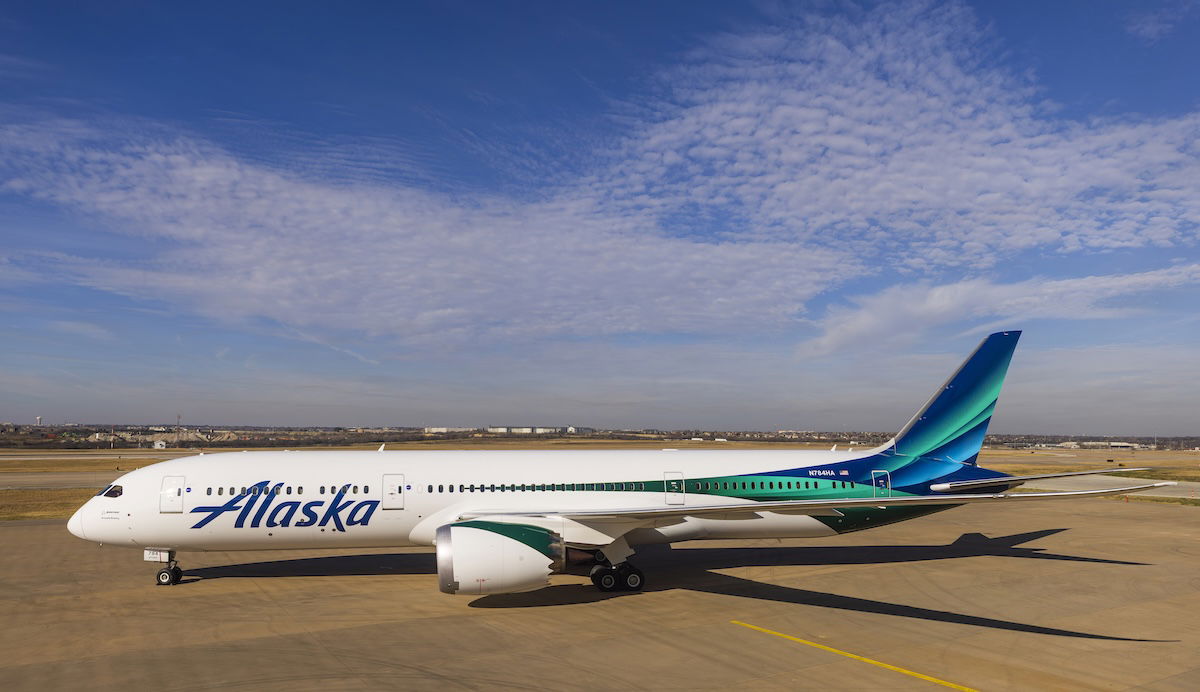
During the Alaska Air Group Investor Day in 2024, the company presented a roadmap for long-haul growth. While Seattle’s geographical location is ideally suited for "Great Circle" routes to Northern Europe and East Asia, a direct flight to Sydney from the Pacific Northwest would represent a significant operational undertaking, covering roughly 7,700 miles. Such a route would likely take 15 to 16 hours, pushing the 787-9 toward its maximum performance limits. However, given Alaska’s deep integration with the oneworld alliance and its partnership with Qantas, a Seattle-to-Sydney route is viewed by analysts as a logical next step to provide a seamless connection for West Coast travelers heading to the Southern Hemisphere.
Competitive Landscape at Seattle-Tacoma International Airport
Alaska’s move into the long-haul space and the subsequent launch of its safety video are tactical responses to the intensifying competition at its primary hub. Seattle-Tacoma International Airport has become a "battleground" hub over the last decade. Delta Air Lines has significantly expanded its presence in Seattle, branding it as its primary transpacific gateway.
By deploying the 787 and launching a sophisticated international-grade safety video, Alaska is signaling to corporate travelers and high-value frequent flyers that it is no longer just a domestic "feeder" airline for international partners. The move allows Alaska to retain more revenue by keeping passengers on its own "metal" for the duration of their international journeys rather than handing them off to partner carriers.
Operational and Regulatory Context
The production of an airline safety video is a complex regulatory process. The FAA requires that all safety information be conveyed clearly and that the video be accessible to all passengers, including those with visual or hearing impairments. Alaska’s video includes high-contrast graphics and clear subtitles, ensuring compliance with the Department of Transportation (DOT) accessibility standards.
Furthermore, the timing of this debut is critical as the airline scales its wide-body operations. Transitioning to a video format ensures that safety messaging is standardized across every flight, regardless of the crew’s language proficiency or the complexity of the 787’s cabin configuration, which includes a sophisticated business class product and multiple cabin zones.
Chronology of Alaska Airlines’ Modern Fleet Evolution
The journey to this moment can be traced through several key corporate milestones:
- 2016: Alaska Airlines acquires Virgin America for $2.6 billion, gaining a significant foothold in California and briefly operating Airbus A320 family aircraft.
- 2021: Alaska Airlines officially joins the oneworld alliance, connecting its network with global giants like British Airways, Cathay Pacific, and Qatar Airways.
- 2023: Alaska announces its intent to acquire Hawaiian Airlines, a move designed to secure a wide-body fleet and a strategic mid-Pacific hub.
- 2024 (September): The U.S. Department of Justice clears the merger, allowing the two carriers to begin integrating operations under a single parent company while maintaining separate brands.
- 2024 (December): Alaska debuts the Boeing 787 safety video, marking the official start of its branded long-haul IFE content.
Broader Implications for the Passenger Experience
For passengers, the shift to a digital safety video is the most visible sign of a broader upgrade to the Alaska Airlines experience. The 787 Dreamliners feature larger windows, higher cabin humidity, and lower cabin altitude pressure, all designed to reduce jet lag on long-haul flights. The introduction of the safety video coincides with the rollout of an upgraded "First Class" and "Premium Class" service, which includes enhanced meal service and amenity kits tailored for international travel.
The video’s focus on employees also serves an internal purpose. By featuring actual staff members rather than professional actors, the airline aims to maintain its high levels of employee engagement during a period of significant corporate change. This "human-centric" approach is a hallmark of the Alaska brand, which consistently ranks high in J.D. Power passenger satisfaction surveys.
Conclusion: A New Era for the "Eskimo"
As Alaska Airlines prepares to expand its footprint across the Atlantic and Pacific, the debut of its first safety video serves as a symbolic "coming of age." The airline is successfully navigating the transition from a regional powerhouse to a global player, utilizing the Boeing 787 as the primary vehicle for this transformation.
While the video effectively communicates vital safety information, its true value lies in its role as a manifesto for the airline’s future. By showcasing destinations like Sydney and London alongside its Seattle roots, Alaska Airlines is informing the traveling public that the iconic "Eskimo" logo on its tail will soon be a frequent sight at the world’s most prestigious international airports. The next five years will be a critical period as the carrier integrates its fleet, expands its route map, and attempts to maintain its distinct corporate culture on a global scale.




 Anjar Salim
 Chandra Hamzah
 Tatiana Tantri Indah Sari

