
 Walid Sujud Trenggono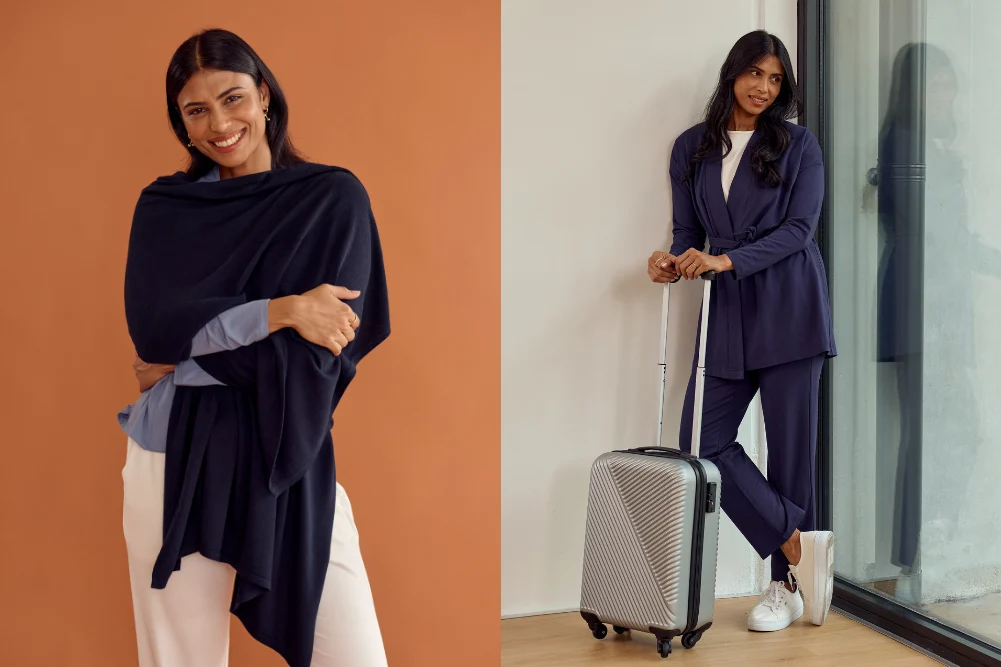
The physiological and psychological toll of long-haul travel has emerged as a significant focal point for both the textile industry and the global tourism sector, as passengers increasingly prioritize wellness and functionality over traditional aesthetics. For the modern traveler, the journey often begins long before boarding, starting with the strategic selection of attire designed to mitigate the rigors of pressurized cabins, fluctuating temperatures, and prolonged periods of sedentary confinement. As international travel volumes return to and exceed pre-pandemic levels, the demand for specialized travel apparel—specifically those utilizing sustainable, high-performance fibers like bamboo—has seen a marked increase. Australian brand Bamboo Body, a pioneer in the sector for nearly two decades, has positioned itself at the intersection of this trend, offering solutions that address the specific environmental challenges of 35,000 feet.
The Physical Realities of Long-Haul Aviation and the Need for Specialized Attire
Aviation environments present a unique set of stressors to the human body. Research into cabin microclimates reveals that humidity levels on long-haul flights often drop below 20 percent, a stark contrast to the 30 to 50 percent humidity typically found in indoor environments. This aridity, combined with recycled air and the physiological effects of altitude, can lead to skin irritation, dehydration, and a general sense of malaise. Furthermore, the lack of movement during 10-to-14-hour flights can impede circulation, leading to "stiff-flight syndrome" and more serious conditions such as deep vein thrombosis (DVT) in at-risk individuals.
The choice of clothing is not merely a matter of vanity but a tactical decision in managing these stressors. Traditional fabrics, such as heavy denim or rigid synthetics, can exacerbate discomfort by restricting blood flow or failing to breathe. In response, the industry has shifted toward textiles that offer high elasticity and thermal regulation. Bamboo-derived fabrics have emerged as a primary solution due to their unique molecular structure. The cross-section of the bamboo fiber is filled with various micro-gaps and micro-holes, allowing for superior moisture absorption and ventilation compared to conventional cotton or polyester blends.
A Chronological Shift in Travel Fashion: From Formality to Functionalism
The history of travel attire has undergone a radical transformation over the last seven decades. In the mid-20th century, during the "Golden Age of Flight," air travel was a high-status activity that demanded formal dress codes; men typically wore suits and ties, while women traveled in dresses and heels. This era prioritized the social optics of travel over physical comfort.
By the 1980s and 1990s, the democratization of air travel led to a shift toward casual wear, though often without a focus on performance. The early 2000s saw the rise of "athleisure," a trend that blended athletic aesthetics with everyday wear. However, it was not until the last decade that "travel-specific" apparel became a distinct market segment. Brands like Bamboo Body, founded in Australia nearly twenty years ago, anticipated this shift by focusing on soft, breathable, and sustainable materials.
The timeline of this evolution reflects a broader societal shift toward health-conscious living. As travelers became more educated about the impact of flight on the body, the "airport look" transitioned from a fashion statement to a wellness strategy. Today, the industry is defined by the "modular travel wardrobe"—a system of coordinated pieces that can be layered to respond to the unpredictable environments of modern transit.
The Science of Bamboo and Sustainable Materiality
The efficacy of bamboo clothing in a travel context is rooted in its material science. Bamboo fabric is naturally hypoallergenic and anti-bacterial, a critical feature when spending extended hours in the confined, germ-prone environment of an aircraft cabin. Furthermore, its thermal-regulating properties are essential for managing the "cabin temperature paradox." While boarding processes can be sweltering due to ground-level humidity and high passenger density, cruise altitudes often see cabin temperatures drop significantly as the aircraft’s environmental control systems (ECS) compensate for the extreme cold of the external atmosphere.
Bamboo Body’s integration of recycled cashmere into their travel wraps represents a further evolution in sustainable luxury. By combining the softness of bamboo with the insulation of cashmere, the brand addresses the need for lightweight warmth. Supporting data from the textile industry suggests that sustainable fibers are no longer a niche preference; a 2023 consumer report indicated that 62% of frequent travelers are willing to pay a premium for apparel that is both eco-friendly and functionally superior for long-duration trips.
Strategic Layering as a Mitigation Strategy for Environmental Fluctuations
Professional travel consultants and health experts frequently advocate for the "three-layer system" to maintain homeostasis during transit. This system involves a base layer for moisture management, a mid-layer for insulation, and an outer layer for protection against drafts.
- The Base Layer: A fitted singlet or lightweight tee serves as the foundation. Bamboo’s moisture-wicking capabilities ensure that perspiration is drawn away from the skin, preventing the "chill effect" that occurs when damp fabric meets cold air-conditioning.
- The Mid-Layer: Coordinated travel sets, featuring relaxed silhouettes and elasticized waistbands, provide the necessary freedom of movement. These sets are designed to prevent the constriction of the abdomen and lower extremities, which is vital for maintaining digestive comfort and circulation during long periods of sitting.
- The Outer/Accessory Layer: The travel wrap or pashmina functions as a portable micro-blanket. Given that airline-provided blankets are often thin and their hygiene standards can vary, a personal wrap provides a reliable thermal barrier.
This modular approach allows the traveler to adapt to the transition from a humid airport terminal to a frigid cabin, and finally to the climate of the destination, without the need for frequent wardrobe changes.
The Role of Micro-Accessories in Enhancing Circulation and Comfort
While much attention is paid to primary garments, the importance of footwear and hosiery is often underestimated in the context of travel health. The feet and ankles are the most susceptible to swelling during flight due to gravity and the lack of calf muscle activation.
Soft bamboo socks have become a staple for seasoned travelers. Unlike standard synthetic socks, bamboo fibers provide a gentle compression-like feel without being restrictive. They are also highly effective at odor control—a practical necessity for long-haul journeys where passengers may remove their shoes for comfort. Industry analysts note that the "small essentials" segment of the travel market, including socks and eye masks, has seen consistent growth as passengers seek low-cost, high-impact ways to improve their in-flight experience.
Economic and Environmental Implications of the Sustainable Travel Movement
The rise of brands like Bamboo Body is indicative of a larger shift in the $15 trillion global travel and tourism economy. Consumers are increasingly scrutinizing the lifecycle of their purchases. Bamboo is one of the fastest-growing plants on earth, requiring significantly less water than cotton and no pesticides, making it a cornerstone of the "slow fashion" movement.
Industry analysts suggest that the longevity of bamboo garments—which tend to maintain their shape and softness through repeated washings—appeals to the "minimalist traveler" demographic. This group prioritizes a "capsule wardrobe" approach, reducing the weight of luggage and, by extension, the carbon footprint of their travel.
Furthermore, the "polished" nature of modern travel sets addresses a psychological component known as "enclothed cognition." This theory suggests that the clothes we wear influence our psychological processes. By wearing a coordinated, clean-cut set that feels like loungewear but looks like professional attire, travelers report higher levels of confidence and lower levels of stress during the often-chaotic boarding and customs processes.
Conclusion: Arriving Ready for the Destination
The ultimate metric of a successful travel outfit is the state of the wearer upon arrival. The transition from the "dishevelled traveler" of the past to the "refreshed traveler" of the present is largely attributed to advancements in textile technology and a better understanding of human physiology in transit.
As Bamboo Body celebrates nearly two decades of operation, the brand’s focus on soft, breathable, and versatile pieces remains more relevant than ever. By addressing the specific challenges of the travel environment—temperature volatility, restricted movement, and dehydration—specialized travel apparel has moved from a luxury to a necessity. For the modern passenger, the journey is no longer a period of physical endurance to be suffered, but a managed experience that begins with the very first layer of clothing. Through the strategic use of sustainable materials and thoughtful design, the industry is ensuring that travelers can arrive at their destinations not just on time, but feeling like themselves.



 Anjar Salim
 Chandra Hamzah
 Tatiana Tantri Indah Sari
 Budi Mulyono
 Lukman Taruna Persada Ramadan
